Are you tired of the utopian/dystopian AI predictions from CEOs? Do you want to hear what's ACTUALLY happening, from the people it's actually happening TO? If so, I have good news: I felt the same, so I have worn out my shoe-leather & written this book! https://t.co/qW76MRT12p...
The people of ancient Kerma choosing not to use the pottery wheel is an important example of something that many people don’t necessarily recognize or think about when considering ancient technology and innovation. 🧵
"Making aid work in the new geopolitical era will an uphill battle." My piece, a foreword to Atlantic Council's Freedom and Prosperity Atlas 2026.
(and 11 May at OECD conference on Future of Development Co-operation)
https://t.co/HaHE1EisY9
Be wary of anyone talking about how fast Africa is growing without ever mentioning these two words: per capita.
This chart maps the speed and persistence of per capita GDP growth across the continent — not just whether economies are growing, but whether living standards are actually rising.
What it shows:
• Established growth markets: Rwanda, Ethiopia, Côte d'Ivoire, Mauritius — consistent compounders with structural momentum.
• Ascending: Senegal, DRC, Morocco, Kenya — outperforming their historical baseline. The inflection is real.
• Treading water: Mozambique, Cameroon, Tunisia, Namibia — growing, but not pulling away.
• Reversing: Nigeria, Angola, Ghana, Equatorial Guinea — had structural tailwinds, lost them.
• Structurally challenged: Sudan, Central African Republic, Burundi — fragility and conflict are the common thread. And South Africa, the continent's largest economy, belongs here too.
Many investors treat Africa as a single entity.
And most analysis stops at GDP.
But when it comes to improving standards of living:
Africa isn't one market. It's at least five.
—
Afridigest Intelligence — intelligence & advisory to win in Africa's growth markets: https://t.co/pTeD1UjeWi | Follow Afridigest on LinkedIn & Instagram
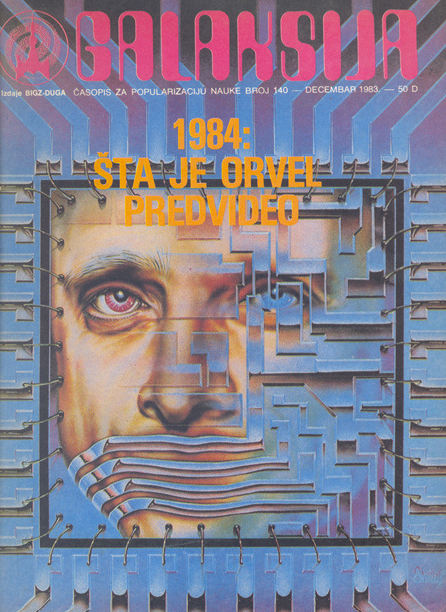
There is one magazine so influential that it sparked a technological revolution in the 1980s, without ever being backed by a corporate giant.
That magazine was "Galaksija"- a Yugoslav science and Sci-Fi phenomenon published throughout the 1970s and 1980s.
When imports of Western computers were impossible, Galaksija published the blueprints for a home computer (the "Galaksija") in a special DIY edition.
The result?
Thousands of people soldered their own boards. Most computers had no case, so they lived in cigar boxes, wooden crates, or custom metal frames. "Naked" computing at its finest.
Before the internet, radio shows like Belgrade's Ventilator 202 broadcast software straight over the airwaves. You simply held a cassette recorder to the speaker, recorded the static, and there was your new program.
Beyond the tech, the magazine was a visual trip. Its covers were legendary, often featuring surreal, striking sci-fi art blending space-age dreams with bold graphic design.
🫡A salute to the late visionary Zoran Modli. As a man of two skies, both as a radio host and a Boeing 737 pilot, he famously broadcast computer code over Ventilator 202, turning radio signals into a makeshift 1980s internet ❤️
#Galaksija #RetroComputing #Yugoslavia
𝗙𝗼𝗿 𝘁𝗵𝗲 𝗳𝗶𝗿𝘀𝘁 𝘁𝗶𝗺𝗲 𝗶𝗻 𝗵𝗶𝘀𝘁𝗼𝗿𝘆, 𝗮𝗴𝗿𝗶𝗰𝘂𝗹𝘁𝘂𝗿𝗮𝗹 𝗳𝗶𝗲𝗹𝗱 𝗯𝗼𝘂𝗻𝗱𝗮𝗿𝗶𝗲𝘀 𝗵𝗮𝘃𝗲 𝗯𝗲𝗲𝗻 𝗺𝗮𝗽𝗽𝗲𝗱 𝗮𝘁 𝗴𝗹𝗼𝗯𝗮𝗹 𝘀𝗰𝗮𝗹𝗲.
I've been collaborating with the Fields of the World (FTW) organization for over a year through Taylor Geospatial and it's finally released publicly in cloud storage for anyone to use, at no cost.
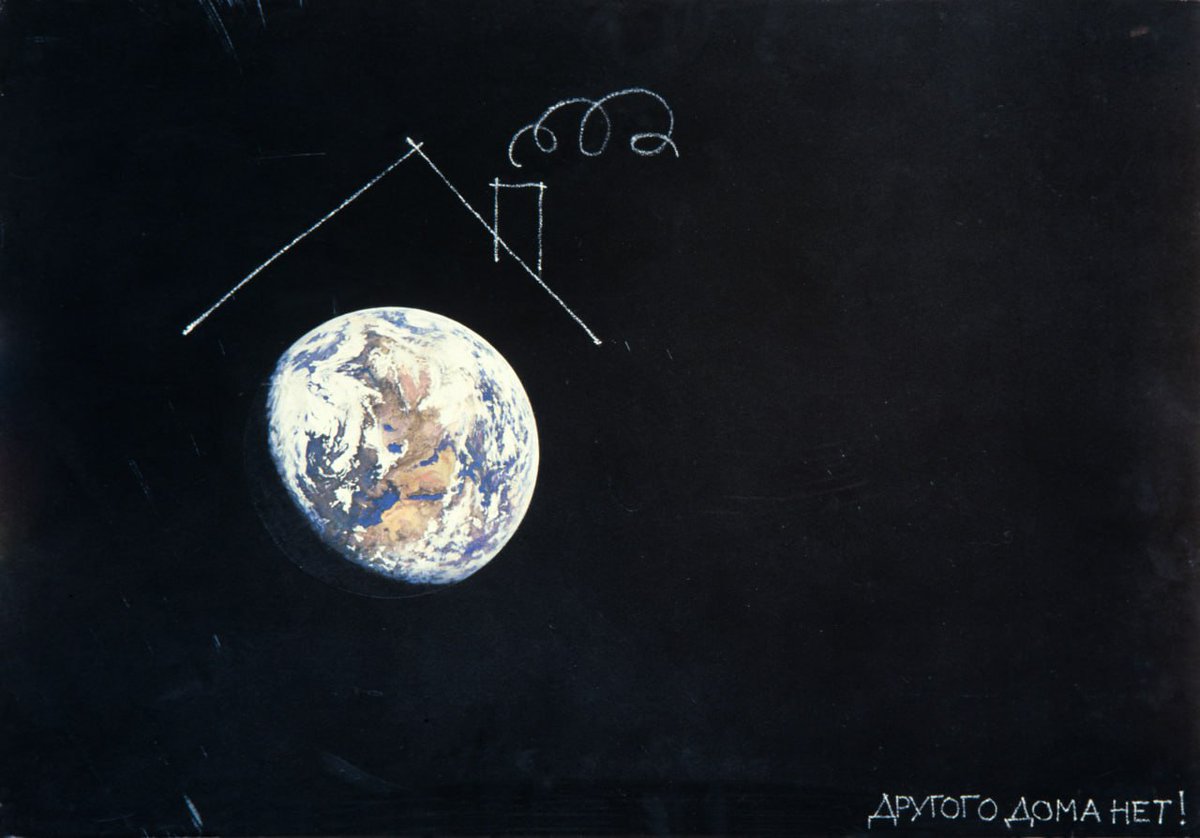
Everytime I see new images of our Earth I keep thinking of this soviet anti-war poster by Boris Rogachevsky that says "There's no other home!"
I think it's really sweet
1/n) New working paper: “The empirically inscrutable climate-economy relationship”, with @matthewgburgess.
We argue that it is not possible to reliably estimate economic climate damages from historical data.
Link below.