We are looking for a Quantum Hardware Engineer to help build the future of quantum computing.
If you're passionate about the design–build–measure–debug loop and love working with systems, electronics, or cryogenics — we want to hear from you.
https://t.co/6BkmA01GSa
So I make a lot of programmatically generated documentation and diagrams. I do use a tiny homemade library to help the python interface to SVG. I've open sourced what I find is a very handy tiny bit of code https://t.co/urvS7Py8Oj
@Xangrydocs @nccrSpin That is a parallel array of adiabatic nuclear cooling stages, used to cool the sample below directly through the control lines to temperatures colder than achievable from any dilution fridge.
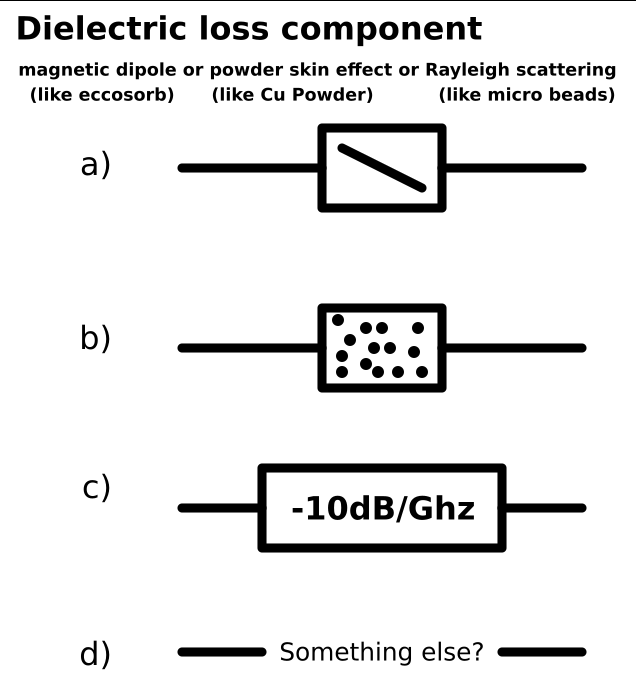
Okay Quantum Twitter, What's your preferred symbol for a dielectric loss component in your circuit diagrams? I see a) around lots, b) makes some sense, less common, c) is the wordy way out.
How lucky are we with cryostats to have unicode symbols that perfectly describe a warm up 📈 and a cooldown 📉. They even the red and blue colours the right way around!
@harriet_oxinst@OxInst Second question. Do you have data on the effect for large payloads? Cooling an empty fridge fast is one thing, but with a 50kg mass on the MC this should help even more.
@DrDonutsLab These are Au plated copper. Mechanical stability reduces electromotive and triboelectric pickup. Thermally to help only a little as there is ptfe dielectric insulation and then weak electron photon coupling in a low loss transmission. But it's better than floating
Hey quantum folks:
We have now a dedicated #quantum Mastodon server: https://t.co/GLmbrZud16.
Here is the invite for you guys to join: https://t.co/JNFIdI2Fat
Feel free to share with all qubit loving people!
May the qubit be with you!
@AndreasAtETH@preskill
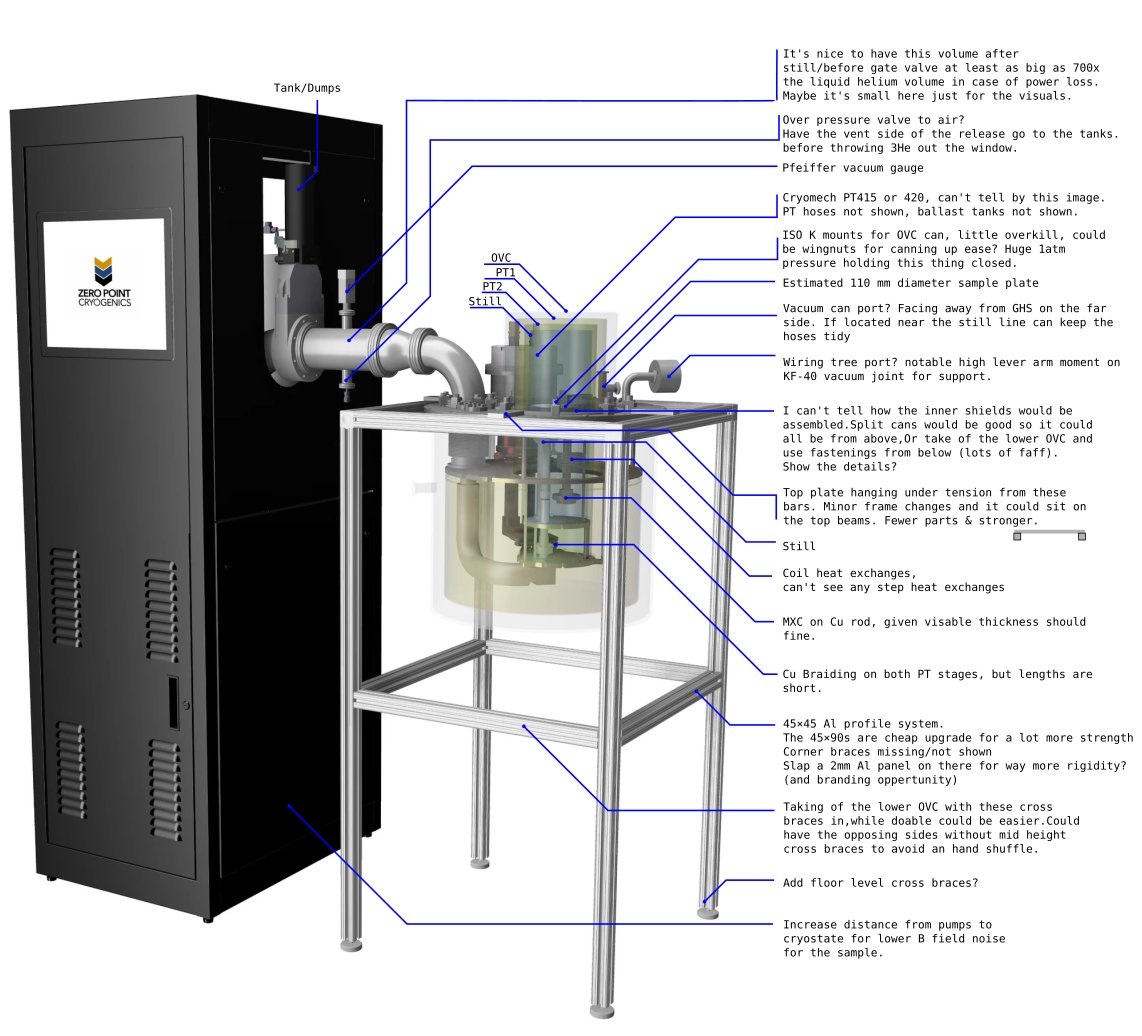
Had a quick look and thoughts of the Model I. @cryoZP Some guesswork around the heat exchangers. I wonder how this stacks up with the established commercial Inverted dilution fridges on the market (from https://t.co/bQh7KuLG2m)