Newly discovered non-coding genetic variants contributing to chemotherapy resistance in acute lymphoblastic leukemia may help increase understanding of a wide set of biological traits and diseases beyond chemotherapy resistance. https://t.co/gRy8aZSTjl
Avian influenza, fatal in birds, found in U.S. dairy cattle for the first time in Texas and Kansas. St. Jude virologists weigh in on the global bird flu outbreak, #H5N1 and the future of flu surveillance. Read more @nytimes. https://t.co/AYyBtXrFtT
We're excited to share our latest study on how the lysosomal adaptor JIP3 and regulatory protein LIS1 activate dynein-dynactin. Out now on @biorxivpreprint! Work done by @kash1shsingh@CKYLau@GiuliaManigras1 in collaboration with @dynein_i3S lab. (1/6)
https://t.co/MPQPb5Xu9k
Huge Gravitational Waves news!
Are you having a hard time wrapping your head around what the heck they are?
Bunsen and Beaker are here to help!
It’s BANANAS!
#science#GravitationalWaves
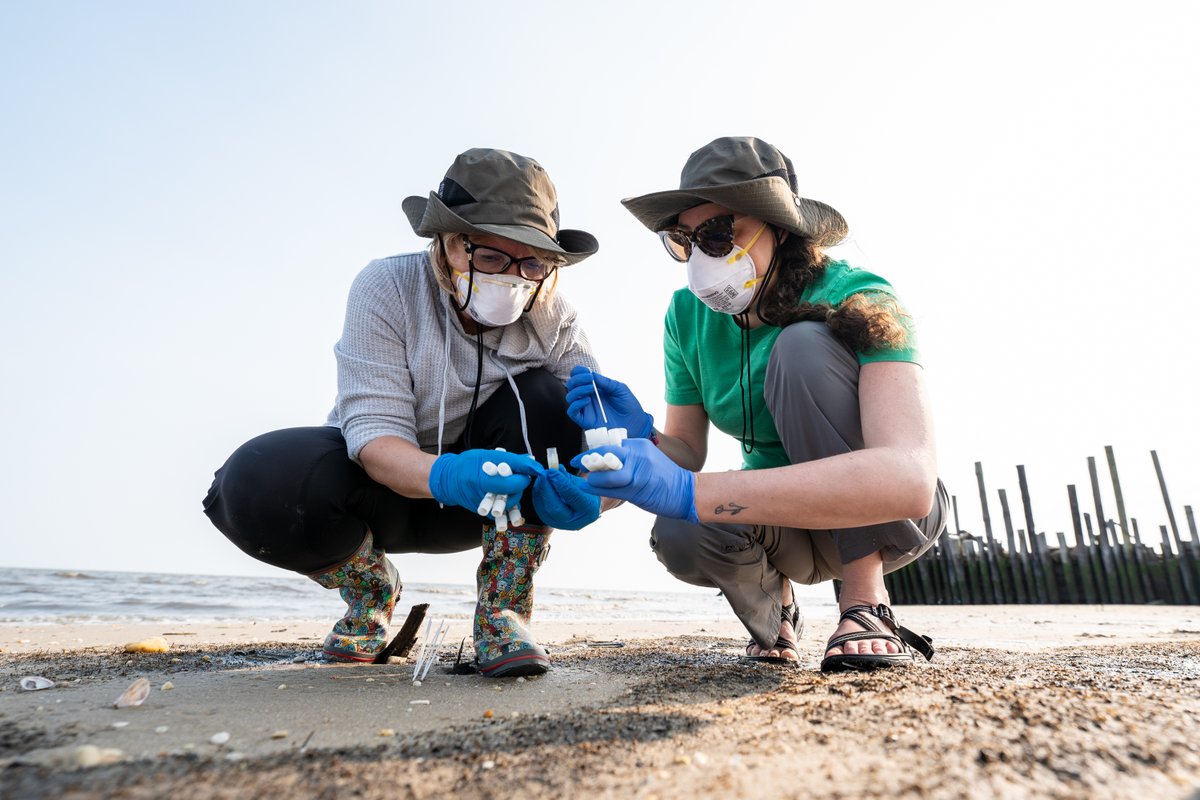
When people think of virology, they rarely think of a week at the beach. But for the last 38 years, St. Jude avian flu hunters have traveled to Delaware Bay to collect bird poop which, this year, will help provide context for the ongoing pandemic. https://t.co/vwzpNZ0Qxg
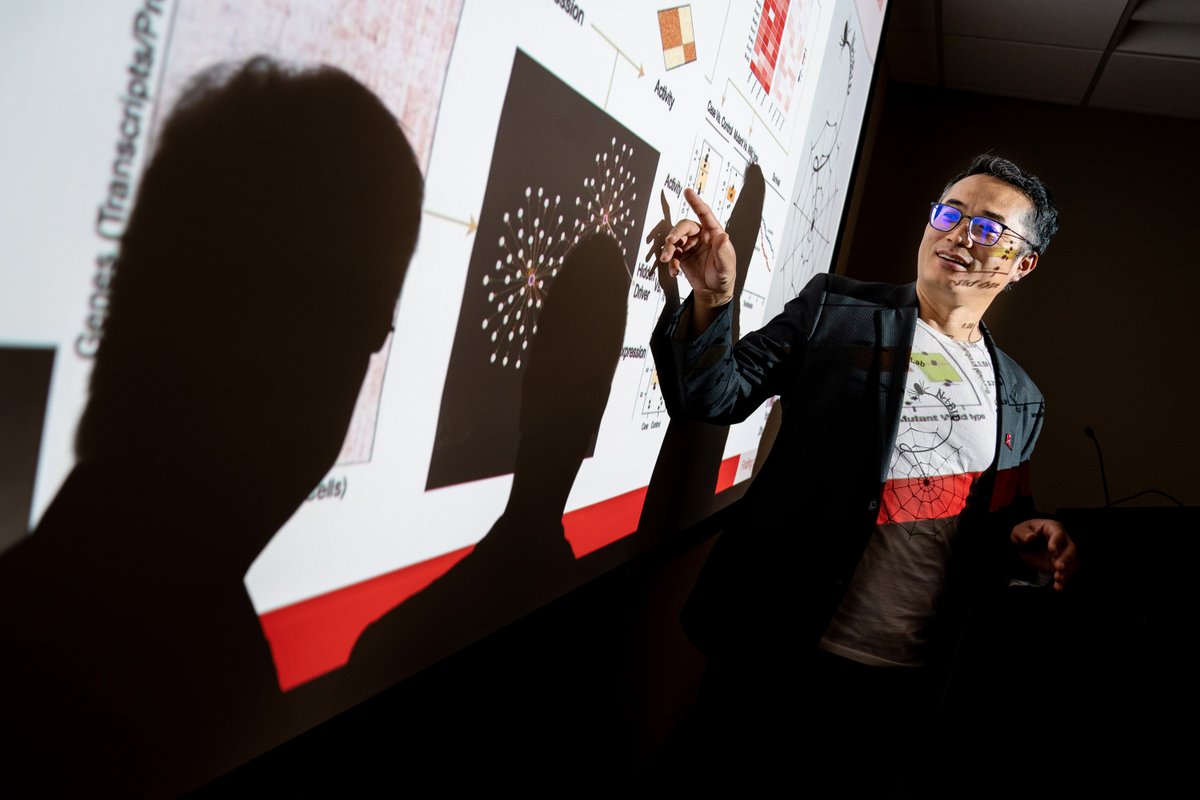
St. Jude upgraded a computational tool (NetBID2) to find hidden drivers of disease by getting more information out of large multi-omics datasets. Explore how the tool can fuel new clinical trials with FDA-approved drugs. https://t.co/QKuxAIMsqR @NatureComms@jiyang_yu
Good science is simple. This approach directly fixes the mutation that causes sickle cell disease. This was a much easier #scicomm piece, because the result is very intuitive.
Prime editing is a new genome editing technology that promises to fix sickle cell disease-causing mutations in a curative approach. Discover more about this tech, a collaboration of St. Jude and @broadinstitute. https://t.co/l2vyqXQbn2 @natBME@JonathanYenPhD@davidrliu
Two genes can fuse, creating an oncogenic fusion that drives cancer. Scientists characterized these fusions in pediatric cancer. Learn how it improved disease predictions and may lead to CRISPR-based treatments. https://t.co/94dgaSwfcS @NatureComms#PrecisionMedicine
Influenza H3N2 viruses are often poorly matched by the seasonal flu vaccine due to destabilizing mutations in hemagglutinin. Read the @ScienceAdvances study to discover how stabilizing this protein may improve vaccines and pandemic predictions. https://t.co/d6FpOX45jE
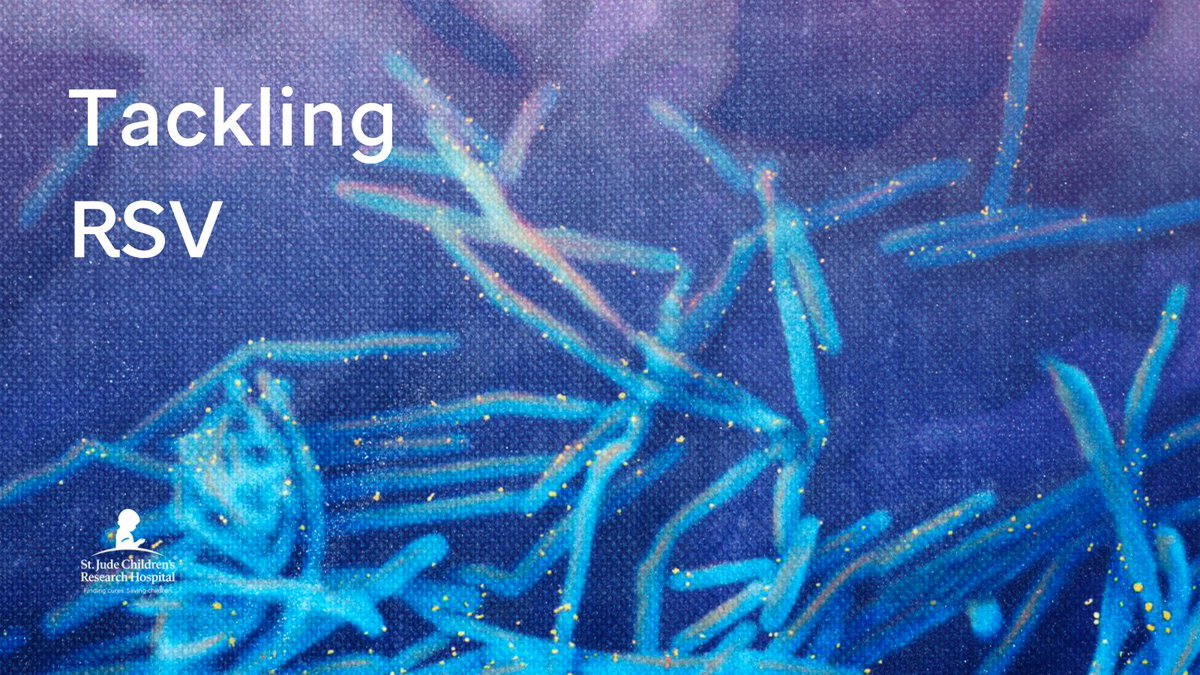
This past year's RSV season was historically bad. Discover how St. Jude is tackling RSV and infectious diseases research to protect vulnerable children. #scicomm
Respiratory syncytial virus, or RSV, is an ever-present threat to children, especially those with a compromised immune system. St. Jude is robustly tackling RSV. Learn how research from Dr. Octavio Ramilo on infant and pediatric immunity will help. https://t.co/l3ZCq2Jybk
The seasonal #FluVax is less effective in some years than others. St. Jude researchers discovered one of the reasons why: The inclusion of flu strains with an unstable viral protein. Find out how this knowledge can improve future vaccines. https://t.co/zmyuEPPrXc @ScienceAdvances
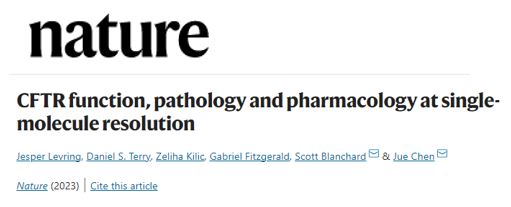
Technology from the St. Jude Single-Molecule Imaging Center helped scientists at St. Jude and @RockefellerUniv gain new insight into how the cystic fibrosis transmembrane conductance regulator works. Read the @Nature paper. https://t.co/fLwcgIN2lv @TheBlanchardLab#RareDisease
Scientists from St. Jude and @RockefellerUniv integrated structural biology techniques to better understand the cystic fibrosis transmembrane conductance regulator, providing new treatment clues. https://t.co/8dboJpbDmv @TheBlanchardLab#RareDisease@Nature
Metastatic cancer cells find ways to thrive in harsh environments. Scientists at St. Jude have new clues about how those cells succeed and how to potentially stop them. https://t.co/b9H3EweOaW @ScienceAdvances
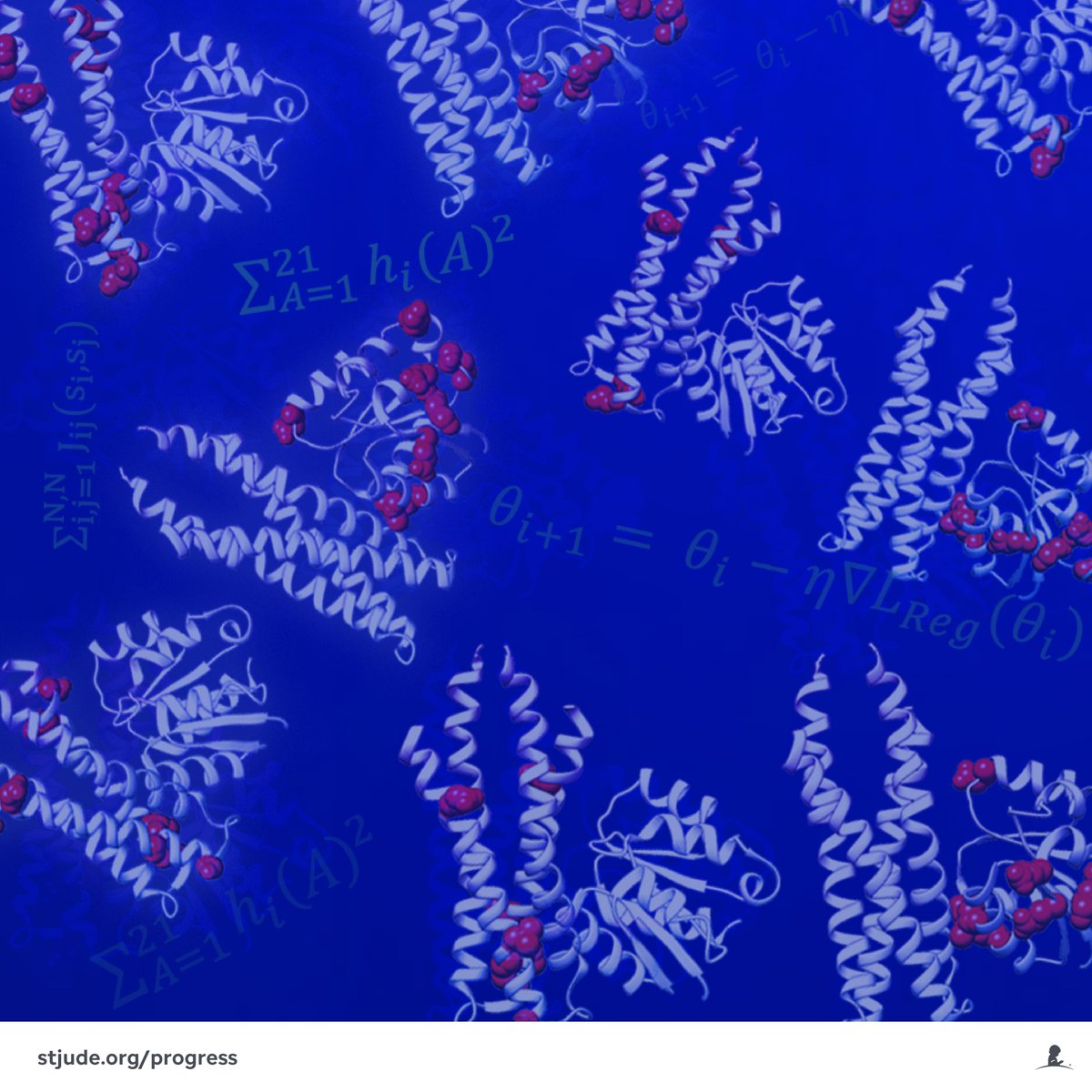
Researchers at St. Jude have developed an algorithm inspired by evolutionary principles to design new protein pairs that interact exclusively. Read the blog post to learn how this will improve science and medicine. @m_madan_babu@DucMalinverni https://t.co/r8fIzxy29i
Overcoming drug toxicity and resistance, major barriers to new therapies, is a key goal of drug development research. Discover how St. Jude scientists characterized a molecular cause of toxicity and resistance—and innovated a way to avoid it. https://t.co/O9cf8AnlFW @PNASNews
Childhood cancer survivors who received a low chest radiation and anthracycline dose are not at a heightened risk of heart problems. Read in @TheLancetOncol why Dr. Matthew Ehrhardt says, "We no longer recommend surveillance echocardiograms." https://t.co/O0ySPHnulo #SurvOnc
A molecular train has been hard to catch. But clever St. Jude scientists found a way to capture it at high resolution, with implications for a host of diseases #scicomm#sciencecommunication
Bringing a picture into clearer focus helps you see new details. Find out how capturing the 3D structure of a cellular protein train complex at the highest resolution to date could galvanize discovery in multiple diseases. @cell_res#cryoEM https://t.co/jKVbD9iXeO
Studying genomics means creating big data. Scientists at St. Jude have developed numerous tools and techniques for tackling data with cutting-edge visualizations and analysis. Learn more. https://t.co/aW5Bjy34ty #StJudeON