What happens to size, metabolic rate and population growth when cultured with and without competitors? Research by @giulia_ghedini and @djm_MEEG in @CurrentBiology is summarised here: https://t.co/IpDRF3qQiv
Congratulations to Lesley Alton for winning the Mike Cullen Research Fellow Award. Lesley summarised her research on animal responses to stressor interactions in the Mike Cullen lecture and you can read about it here: https://t.co/JZSVbCnmxF
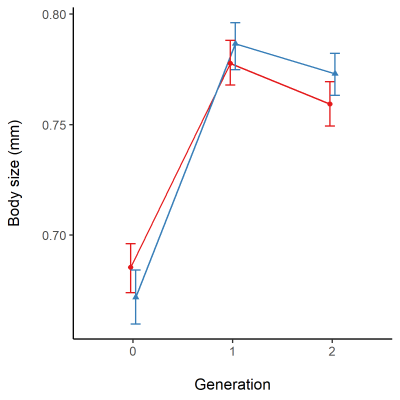
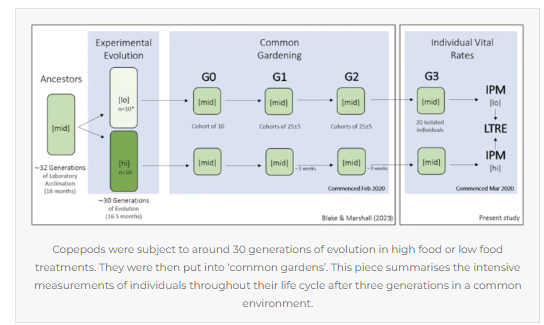
Copepods cultured in high-food environments differed in life-history traits from those cultured in low-food environments. Alex Blake and Tim Coulson found these discrepancies didn’t translate to differences at the population level. @GeometricBiol https://t.co/cPLk2m3IG4 @Oikos
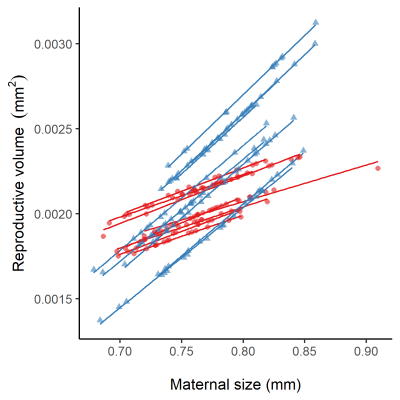
Experimental evolution of copepods in different food regimes evoked evolutionary changes in body size, the relationship between size and reproductive output and offspring investment strategies https://t.co/HChcO0ZI4Z @djm_MEEG @EvolAppJournal
How has live birth evolved when there are thermal mismatches between mothers and their offspring?
Our new paper @EvolLetters explores the role of behavioural plasticity in facilitating shifts in reproductive mode 🐍🦎
https://t.co/SfAFiVOaba
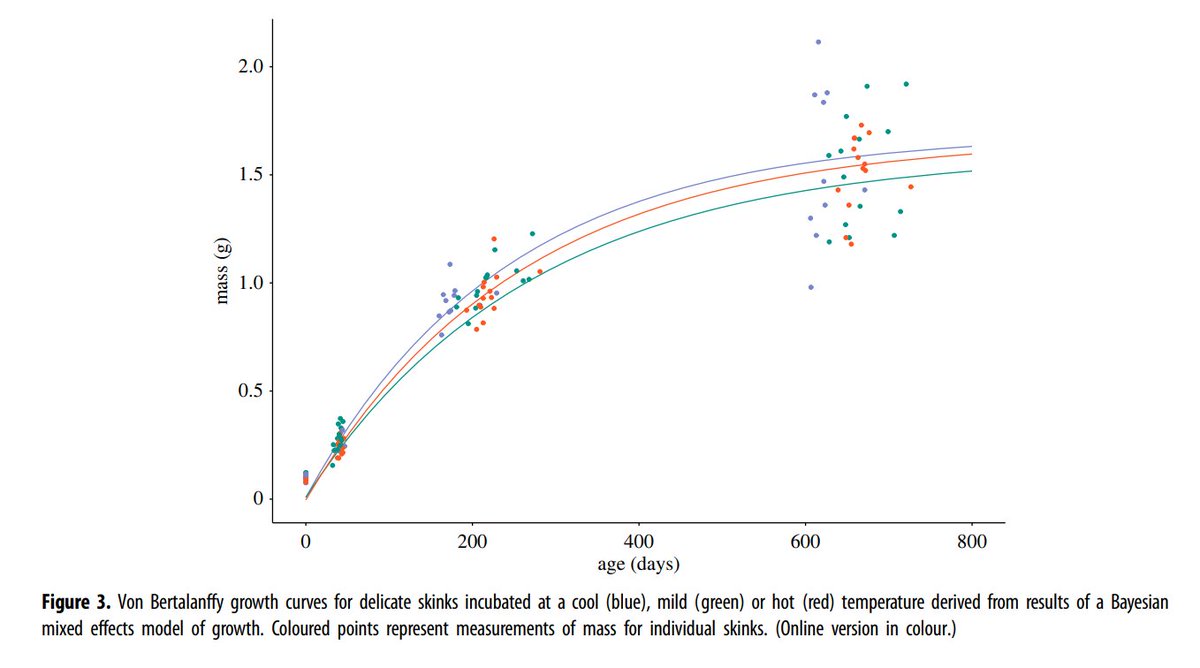
Does variation in nest temperature have long-term effects on the phenotypes of ectotherms? Madeleine de Jong and colleagues found, yes it does, using a model lizard species, the delicate skink, Lampropholis delicata. https://t.co/jbHVe78kr2 @Craig_R_White @BBM_Wong@lesley_alton
Our new paper testing potential mechanisms of local adaptation to cool climates in the excellent wall lizard study system!
A great collaborative effort of field sampling in Italy, metabolism measures in Sweden, and yolk hormone analysis in Finland 🦎 1/5
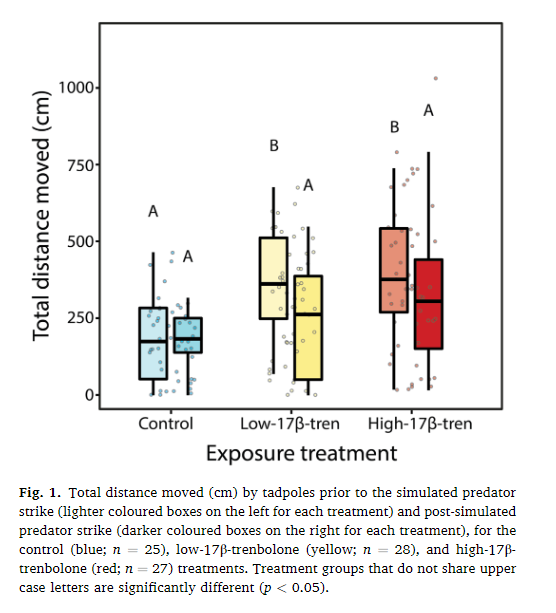
@jackTOrford et al found exposure to environmentally realistic concentrations of the agricultural pollutant 17β-trenbolone altered morphology and behaviour in southern brown tree frog tadpoles. @BBM_Wong@lesley_alton@HungTan_@r_tingley@MArtin_J_M_34 https://t.co/BxhdVDav2B
Are you a whole organism biologist with a masters or honours degree? We need help undertaking data mining activities using standard systematic literature review protocols, data extraction and compilation of databases. This is a 3-month casual contract https://t.co/68EJzqL0Cy
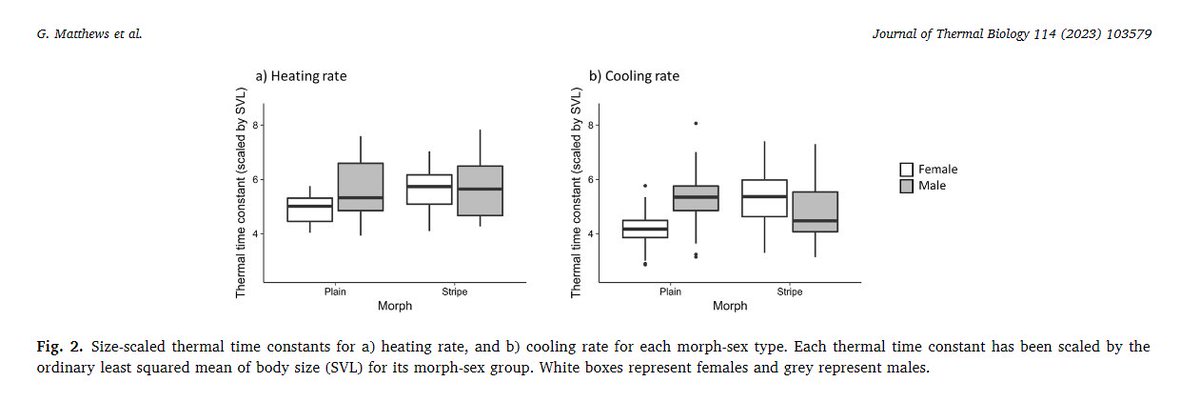
Does the colour polymorphisms of the delicate skink have an adaptive relationship with lizard body temperature? @Genevieve_DM@chapple_lab @Craig_R_White @FarquharJules suggest, however, that behaviour is actually the key
to mediating thermoregulation. https://t.co/9cDIen6k4a
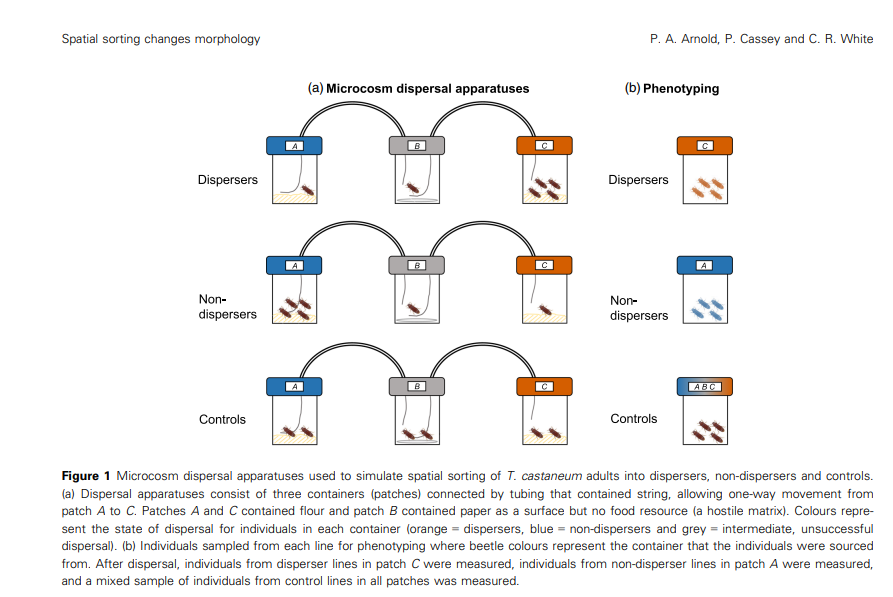
How do size and other traits differ between 'dispersers' and 'non dispersers'? @pieter_arnold @Craig_R_White @InvasionEcology investigated the responses of dispersal and morphological traits to spatial sorting in red flour beetles https://t.co/445YpSVeIy
What happens if you manipulate the major nutritional determinant of lifespan (sterols) independently of the major nutritional determinant of egg production? @BrookeZanco et al found mothers live longer and lay more eggs on high sterol diets. https://t.co/MSPdy9N4BO @mattpiperlab
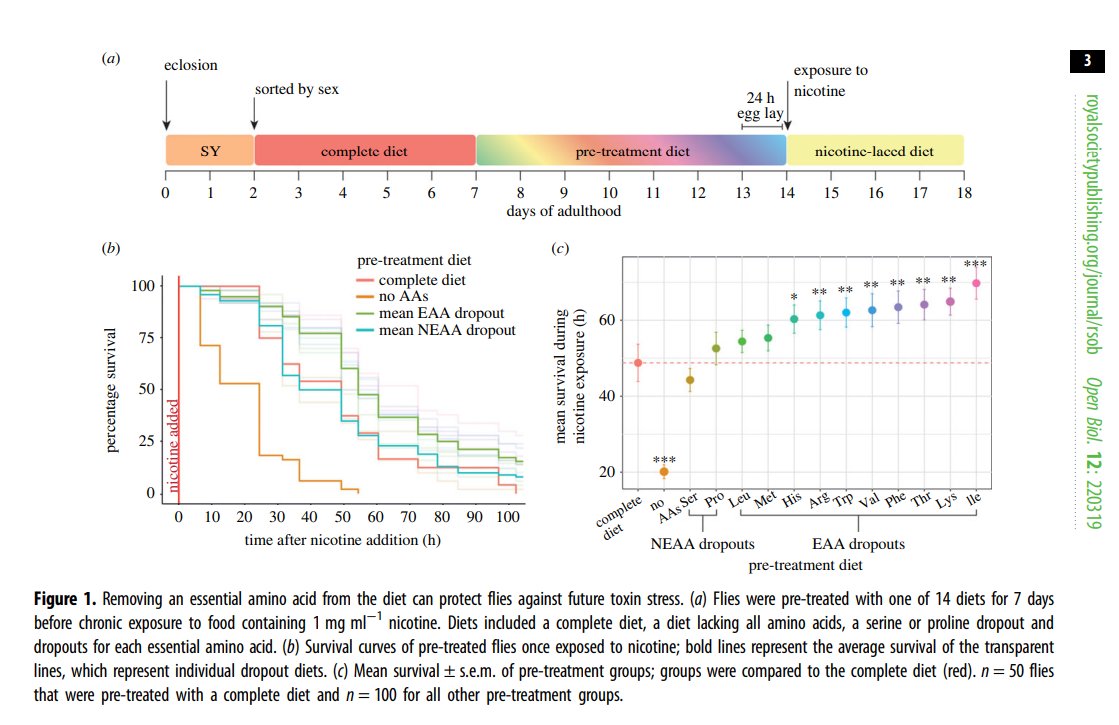
Can removing an essential amino acid from the diet protect flies against future toxin stress? @TahliaFulton @ChristenMirth and @mattpiperlab found short-term exposure to individual amino acid dropout diets could protect flies against exposure to nicotine https://t.co/fCatIB7mOZ
What is the optimal size for transition from one life history stage to another? Emily Richardson @Craig_R_White and @djm_MEEG examine existing data to ask if there is a cost/benefit to transition and how this affects optimal size to change https://t.co/WICYUhfLT2 @FunEcology
Non technical summary describing work that finds evolution can decouple the costs of production from size using the @RELenski lines https://t.co/EgAnACTohj @djm_MEEG @MikeJayMcD
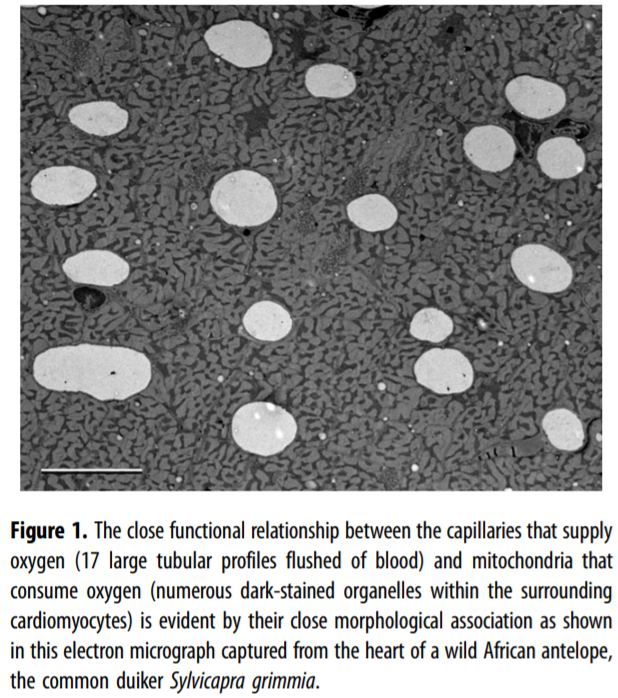
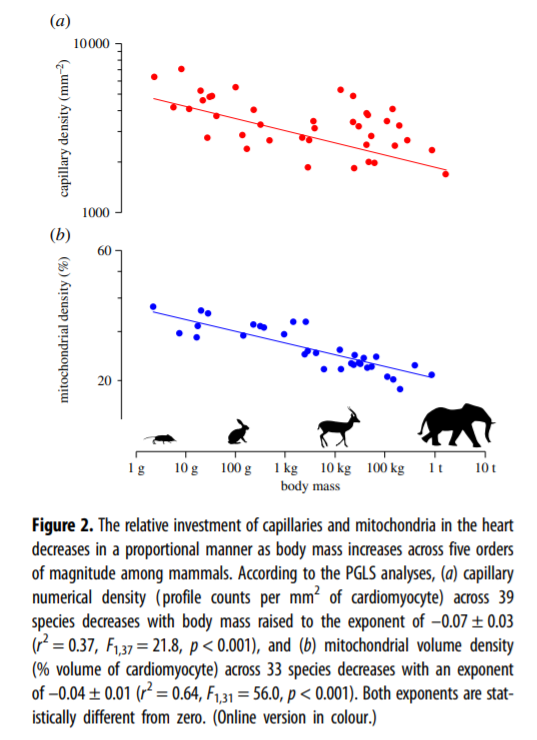
What is the effect of body mass on the densities of cardiac capillaries
and mitochondria of mammals ranging from a 2.33 g shrew
to a 1.7 t elephant? https://t.co/F8Bf0t35ix @Craig_R_White @RSocPublishing