Physician Scientist in drug development | Alum of Adult BMT/ Cell Therapy/ Med Oncology Fellowship Memorial Sloan Kettering Cancer Center | IM Residency MSSM
@SantoshVardhana Just to be clear, I am not saying trainees shouldn’t peer review but the peer reviewers focus should be to try to give a constructive critique and the review shouldn’t be a catharsis of personal outrage
@SantoshVardhana Sucks!!. I think this is often driven by one-upmanship over trivial points and the lack of incentives for peer review. Reviews often get delegated to trainees trying to impress by being overly critical—and when those unfiltered critiques make it into reports, nobody really wins.
Anyone who has lost a friend or family member to pancreatic cancer knows that it has dismal outcomes. This progress is incredible.
It represents the best of America. Sloan Kettering is a world renowned research institution. And Dr. Balachandran is the son of Indian immigrants.
🚨 An experimental, personalized vaccine using #mRNA to prevent #pancreaticcancer from returning after surgery continues to show promise in a small, 16-person patient group.
New results from a phase 1 clinical trial, being presented at #AACR26, show that nearly 90% of people whose immune systems responded to the vaccine were still alive six years later.
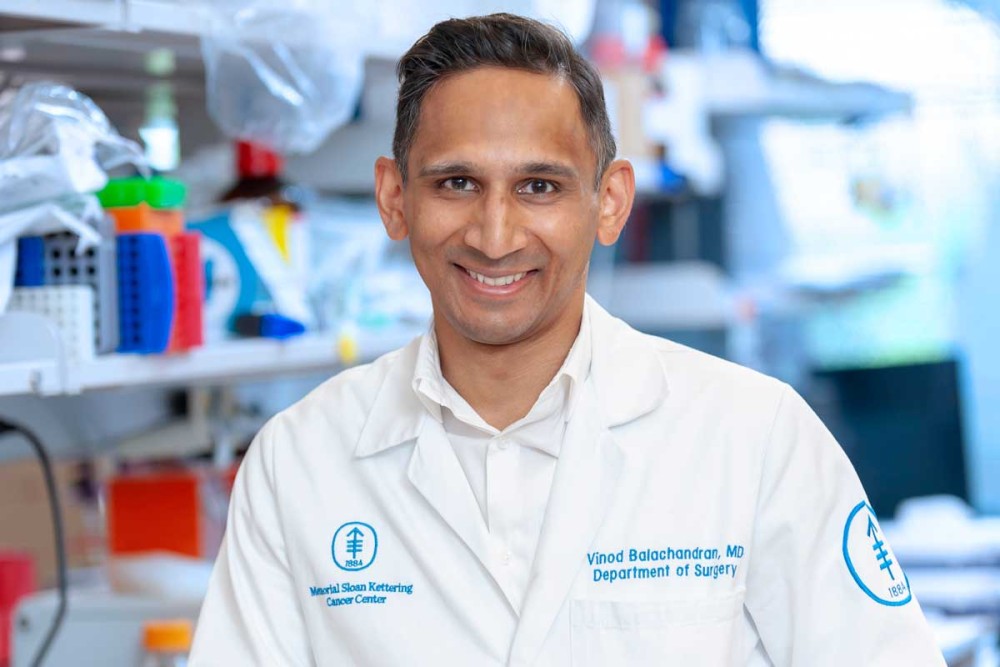
“These early results show this new immunotherapy approach has the potential to be groundbreaking for one of the deadliest cancers,” says MSK physician-scientist Dr. Vinod Balachandran (@TheVinodLab), the trial’s principal investigator and Director of The Olayan Center for Cancer Vaccines.
Learn more about these findings: https://t.co/C0IwK11OaA @AACR
Located in the Canadian High Arctic, Baffin Island is the fifth largest island in the world. In this land of the midnight sun and polar nights, where a handful of Inuit communities endure, you would find a hill named after a Bengali Major. Thread.
1/19
A new drug is showing promise in lung and pancreatic cancers (two of the most aggressive forms of cancer) by targeting one of the most common cancer-driving mutations.
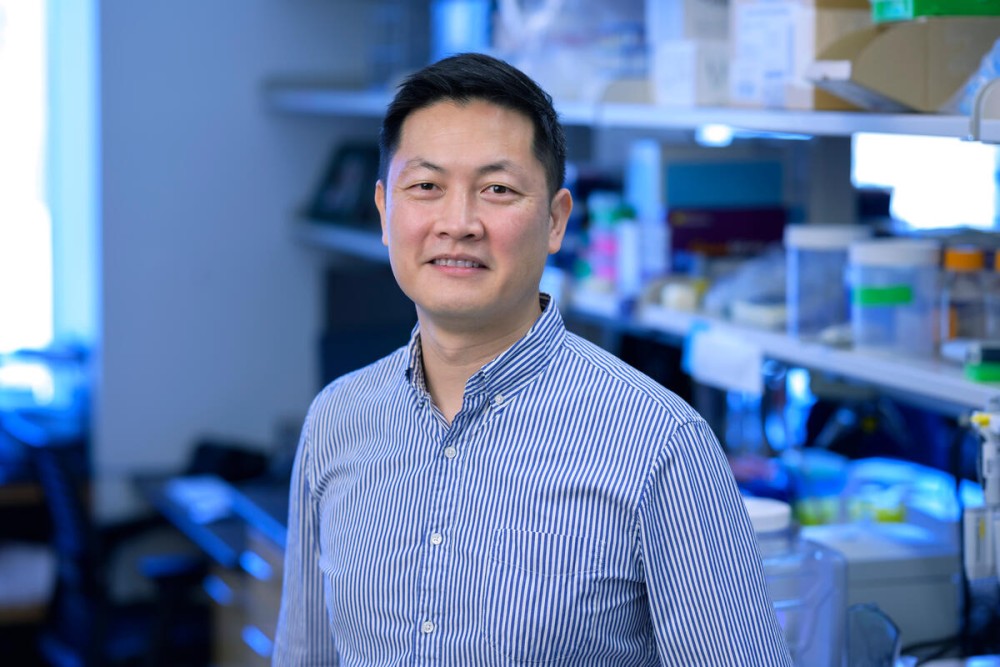
Researchers at Memorial Sloan Kettering Cancer Center (MSK), including gastrointestinal medical oncologist @CentralParkWMD who led the global phase 1 clinical trial, shared results published in the @NEJM.
The trial tested setidegrasib, a drug that tags and destroys the cancer-causing protein produced by the KRAS G12D mutation. This new method for targeting a long-known mutation is called a KRAS degrader.
KRAS mutations are present in about 1 in 5 cancers. The G12D subtype drives about 40% of pancreatic cancers and 5% of non-small cell lung cancers.
“This drug’s potential is exciting,” says Dr. Park, “because the trial results suggest that setidegrasib can not only extend life for some patients with these aggressive cancers, it also has a very good safety profile, meaning the drug was well-tolerated with side effects that can be managed quite easily."
Learn more about this research: https://t.co/HCEVr2ltIj
@fvarmad@NEJM That said- I agree with you in that cumulative bleeding incidence should have been a primary endpoint. While dose reductions of chemo in CIT is a good endpoint, decreased inc of dangerous bleeding would be a more relevant endpoint.
@fvarmad@NEJM Excellent eg with G-CSF: In the original study of G-CSF with chemo in SCLC, the endpoints were febrile neutropenia, infections, the incidence and duration of grade IV neutropenia, and the need for IV abx and hospitalization. (N Engl J Med 1991;325:164–170). Not OS.
@fvarmad@NEJM The primary end point was the absence of CIT-induced modifications of the chemotherapy dose (reduction, delay, omission, or discontinuation) in both the second and third chemotherapy cycles. Not OS
Just in: Good news for the myeloma field.
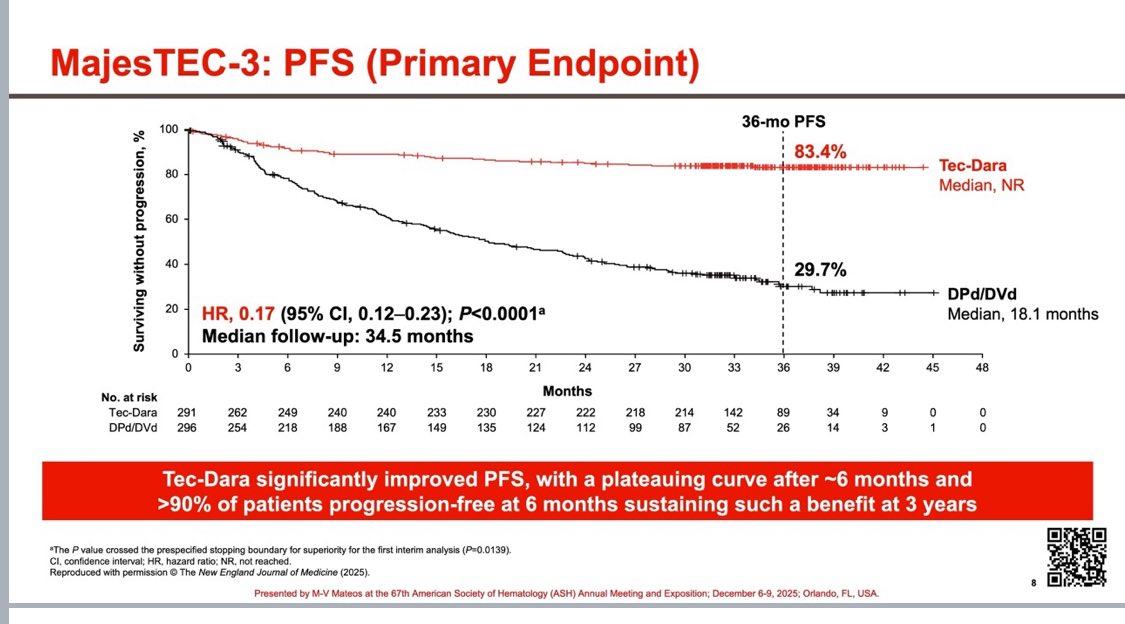
FDA approves teclistamab plus daratumumab (Tec-Dara) combination for myeloma for patients who have had at least one prior line of therapy.
Note: Always use Tec-Dara with monthly IVIG. It’s not optional.
That was fast! And this is unprecedented curve is why.
We're clearing the way for more cures and meaningful treatments.
New treatments hold tremendous promise for the hundreds of thousands of Americans suffering from multiple myeloma.
https://t.co/t2t2d5atum
Academic Oncology at a Crossroads: Rebuilding a Sustainable Career Path
@JNCCN#MedTwitter#academia
“Academic oncology faces a quiet crisis that is becoming very loud. After a decade of training beyond medical school, our brightest oncologists are walking away from academia—not from lack of passion, but because the academic system has become fundamentally broken.”
➡️ https://t.co/PGHvwOZw6w
@sandiplomat@Ananth_IRAS Madras Time was also Railway time which was replaced with Indian Standard Time. The Calcutta Time and Bombay time existed even after the Independence
Enjoyed being featured in the Lancet Neurology Lifeline series. Thank you @TheLancetNeuro for the invitation! Krithi Irmady - The Lancet Neurology https://t.co/fh3W0sTIXv