Is #RegenerativeAgriculture the solution to delivering for both food and nature?
A new report by the British Ecological Society brings together 40 academics, practitioners and farmers across the UK to explore the evidence. 👇
https://t.co/eZLpqWc9C6
Our published collaboration with the British Antarctic Survey is out. Second time having the pleasure to work with the amazing Melody Clark, first at @sangerinstitute now at @Basecamp_Res She's a legendary force at BAS.
Shout outs to everyone involved. Read more 👇
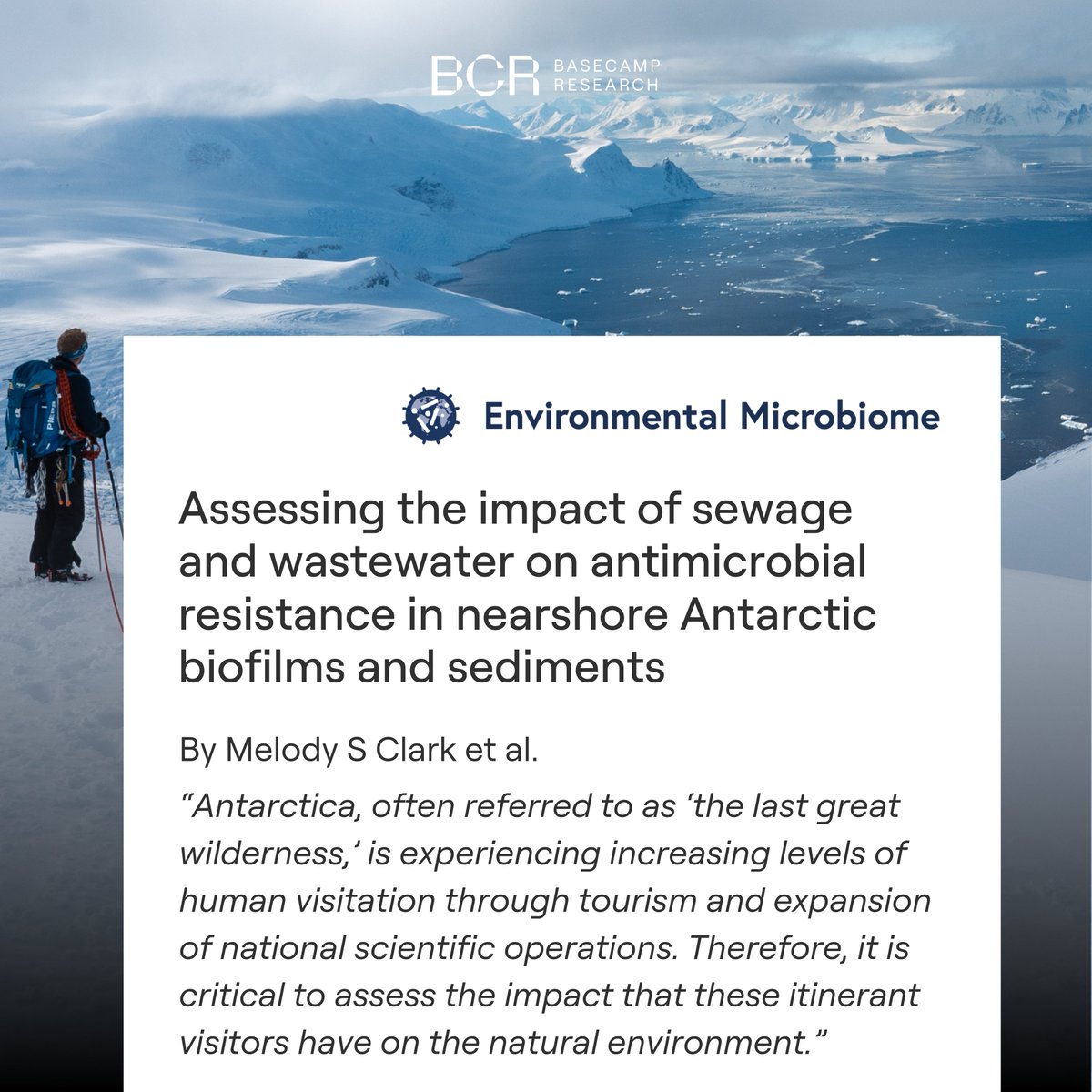
🏔️ @BioMedCentral's Environmental Biome journal has published a groundbreaking collaboration by the @BAS_News & @Basecamp_Res. It examines the impact of sewage and wastewater from increased Antarctic tourism on antimicrobial resistance near the shores of the Earth's last great wildernesses.
By merging biodiscovery and research, Basecamp Research helps our biodiversity partners worldwide advance science and monitor environmental change. In this collaboration, Basecamp Research introduced the British Antarctic Survey to next-generation DNA sequencing, supported experimental design, and provided bioinformatics expertise for data analysis.
📘Read the full paper by Melody S Clark, Benjamin H Gregson, @carlagrec, @Harisree Paramel Nair, @MarlonClark, Claire Evans, Kevin Hughes, Kudzai Hwengwere, @leungmarcus, Lloyd Peck, @DrC_AWalker & @wchowb here: https://t.co/xvozt4RdQs
The British Antarctic Survey is one of over 100 biodiversity partners working with Basecamp Research to collect DNA sequence data across the globe. The aim of this effort is to create a digital twin of life on Earth. This massive and diverse repository of data from nature is empowering AI to better design and discover new medicines.
Thanks to everyone involved!
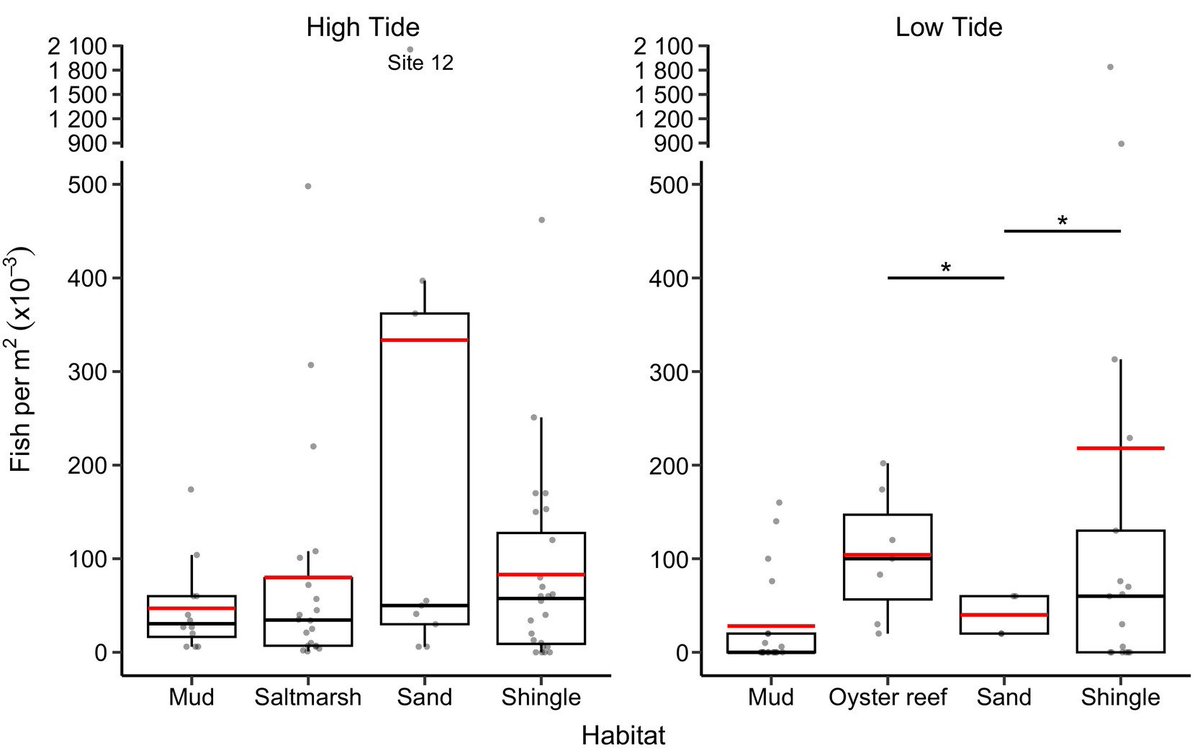
#JFB: What makes a habitat a home? Habitat associations of juvenile European sea bass 𝘋𝘪𝘤𝘦𝘯𝘵𝘳𝘢𝘳𝘤𝘩𝘶𝘴 𝘭𝘢𝘣𝘳𝘢𝘹 in estuarine nurseries https://t.co/1SwNWoPbWd #FishSci
https://t.co/1SwNWoPbWd
Habitat associations of juvenile seabass in estuarine nurseries - a range of connected habitats are important across tides - fancy finding out more? You can find it in the latest JFB special issue! 🐟 #fish#ecology
https://t.co/p9Eig39h2c
Habitat associations of juvenile European sea bass, 🐟🐟🐟Dicentrarchus labrax, in estuarine nurseries - Now available in journal format and Open Access #ecology#fish#coast@SeaBassBase@leannehepburn@pleuronect
https://t.co/TdfvmXyJ1G
In high sediment contamination concentration near oil and gas platforms, we showed a general decline in total species richness while pollution-resilient species dominant. Loss of larger predators and dietary specialists showed a degraded but more connected food web structure.
My first publication has been printed, this makes up the first data chapter of my PhD thesis, I am thrilled to finally have a publication under my belt!
A huge thanks to @EssexLifeSci, @oilspillexperts@NERCscience and @ARIES_DTP for supporting this work
https://t.co/XJdKTLs0uu
We are working with the UK #NationalAllotmentSociety on an above & below ground biodiversity project.
Phase 1 requires data capture for the following:
1) how allotment holders are managing plots.
2) to seek participants for future work.
See poster for info & plot holder survey.
What habitats contribute to the nursery function of estuarine systems for juvenile sea bass? More than you might think!
Have a read of our new paper in The Journal of Fish Biology as part of @TheFSBI symposium 2023 special issue with @Uni_of_Essex! https://t.co/AqOOqMHLD5
Interested in studying above and below ground interactions AND interested in allotments AND microbial ecology? Then why not apply for this PhD opportunity with me : ) https://t.co/2W3n9w8B7i
Jobs Alert! Two postdocs on airborne microbiome (bioaerosols). Exciting projects (see thread)!
One investigating #IndoorAir#AirQuality in schools, the other on airborne antimicrobial resistance #AMR@EssexLifeSci@UoE_Vacancies
https://t.co/KxMQuMuSDK
https://t.co/zELRigYlI2
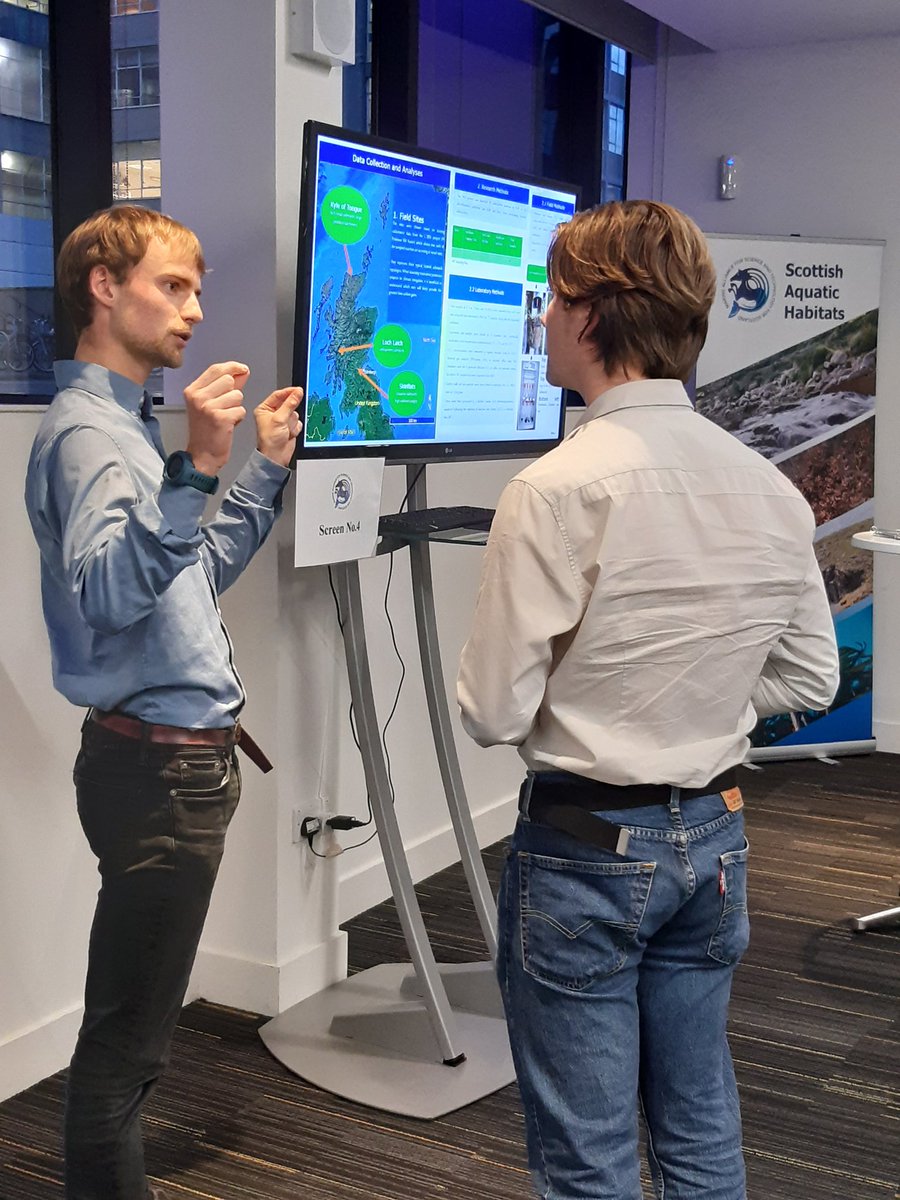
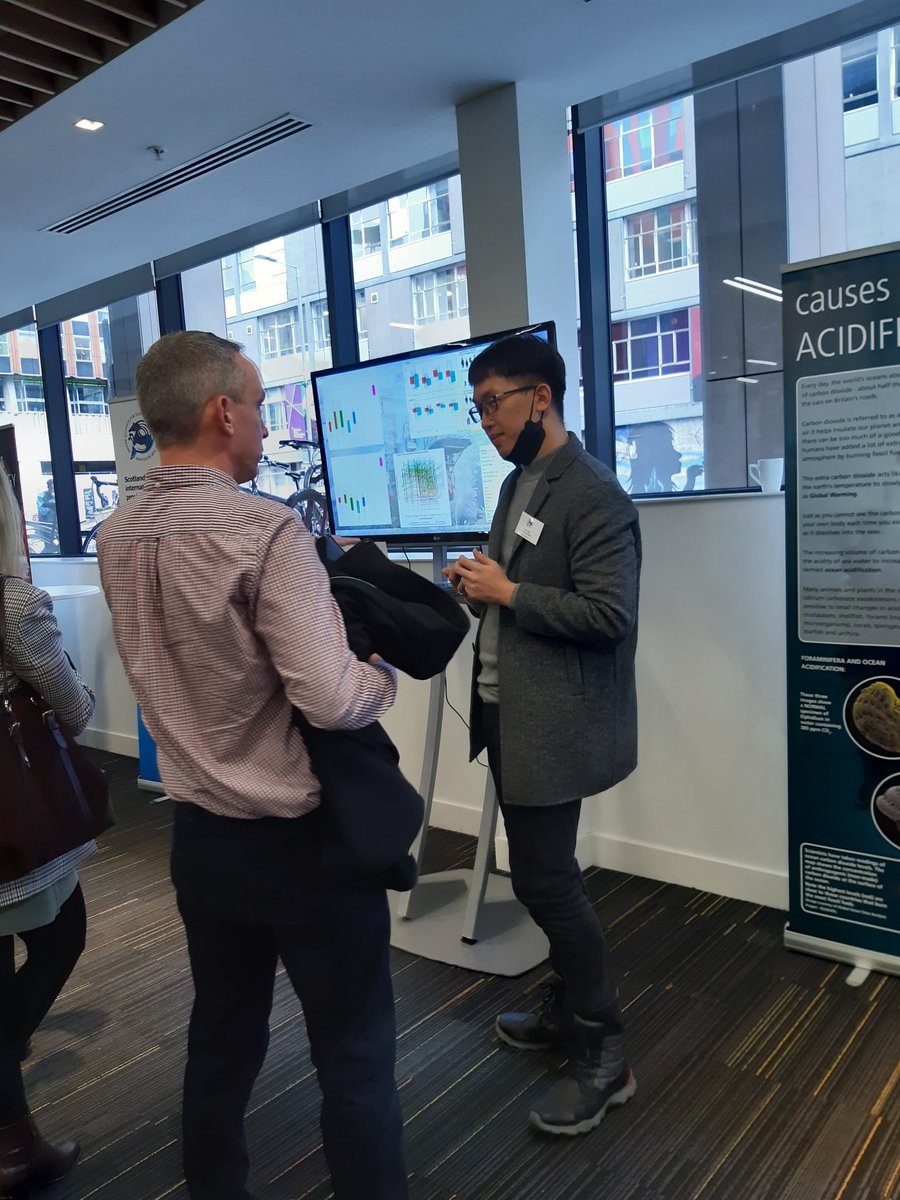
I'm presenting a poster next week at the MASTS Annual Science Meeting with some initial results from my PhD looking into how man-made structures affect carbon in surrounding shelf sediment. If you're going look for my poster during the Tuesday drinks reception!