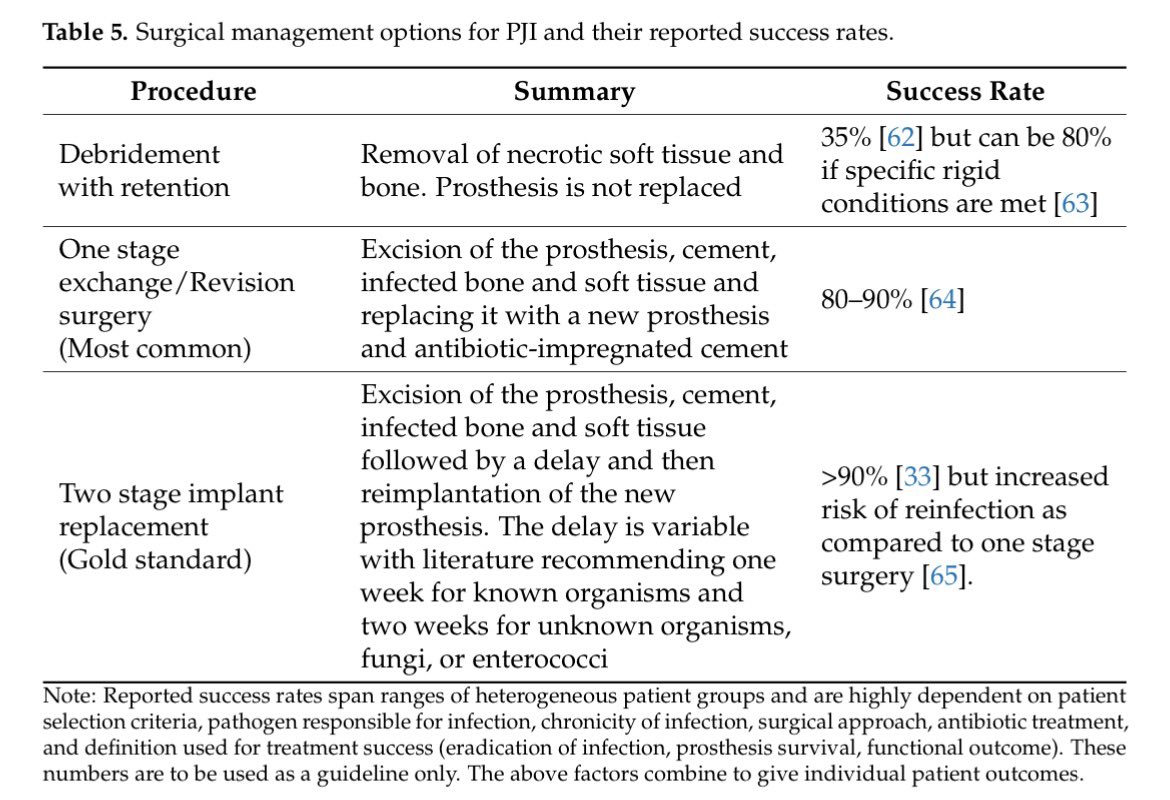
💊🦠Mecanismos de Acción y Resistencia a Antibióticos
🔰📚Journal of Anaesthesiology Clinical Pharmacology
DOI:10.4103/joacp.JOACP_349_15
Enlace a Artículo Completo🆓👇🏻✅
https://t.co/rPEDXf5xvO
ICU Stories - Atrial fibrillation:
A few days ago, when I came on service, I took care of a 70 yo patient who had been in the ICU for ~15 days. He had been admitted with an intra-abdominal abscess secondary to colonic perforation. He had undergone colectomy and required twice percutaneous drainage of abscesses. His course was complicated by acute kidney injury requiring continuous renal replacement therapy and hypoxemic respiratory failure requiring high-flow nasal cannula and NIV
During his ICU stay, he had developed new-onset atrial fibrillation with rapid ventricular response (heart rates persistently in the 130-150 bpm range). He was largely asymptomatic aside from occasional palpitations but remained on vasopressor support with norepinephrine (0.05-0.15 mcg/kg/min) and vasopressin 0.04 u/min
For more than 5 days, Cardiology, Electrophysiology, and the ICU team had attempted multiple rate-control strategies, including low-dose beta-blockade, amiodarone boluses and infusion, digoxin, and diltiazem boluses and infusion. None achieved adequate rate control, let alone conversion to sinus rhythm. The prevailing concern was that, because the patient remained septic (he had leukocytosis and some worrisome abdominal fluid collections), cardioversion would be unlikely to succeed
Reversible triggers had been addressed: his oxygenation was adequate, his pain was controlled, and his electrolytes were within acceptable limits. However, the persistent tachy-arrhythmia created a practical problem. Each time fluid removal was attempted through CRRT, the heart rate made both the ICU and Nephrology teams very hesitant to proceed. As a result, patient kept accumulating a positive fluid balance day after day, reaching approximately 15 liters positive by the time I first evaluated him
After reviewing his course and reassessing his physiology, I decided that cardioversion was worth attempting. To the surprise (?) of the Cardiology and Electrophysiology teams, synchronized cardioversion with 100 joules restored sinus rhythm. He has remained in sinus rhythm for the past week. The change was clinically meaningful. We were able to discontinue both vasopressors and achieve negative fluid balance each day thereafter
This is, of course, a single case (a N-of-1 study) rather than definitive evidence. But it reinforced an important lesson for me: in Critical Care, “sepsis-related” AF does not always mean “do nothing.” If the rhythm is contributing to shock, organ dysfunction, or blocking essential therapy, a carefully considered rhythm-control attempt may reveal a missed opportunity to help
#foamed #foamcc
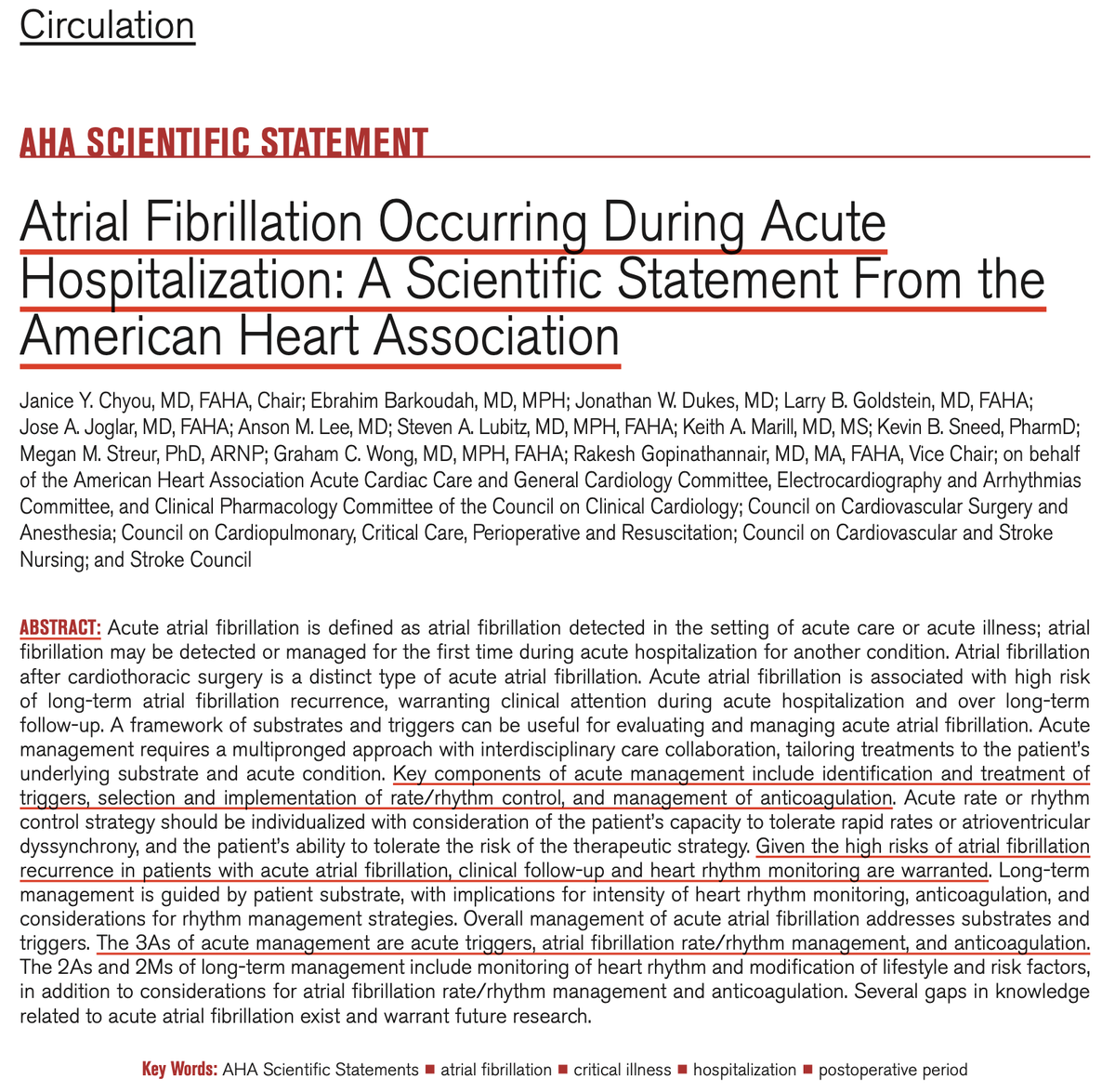
Circulation. 2023;147:e676-e698
DOI: 10.1161/CIR.0000000000001133
Today's Paper of the Day is:
Demystifying Volume Status. An Ultrasound-Guided Physiologic Framework
https://t.co/JKgcYjlUQ5
Join us to read 1 paper per day and stay up-to-date as we cover the spectrum of critical care across 2026
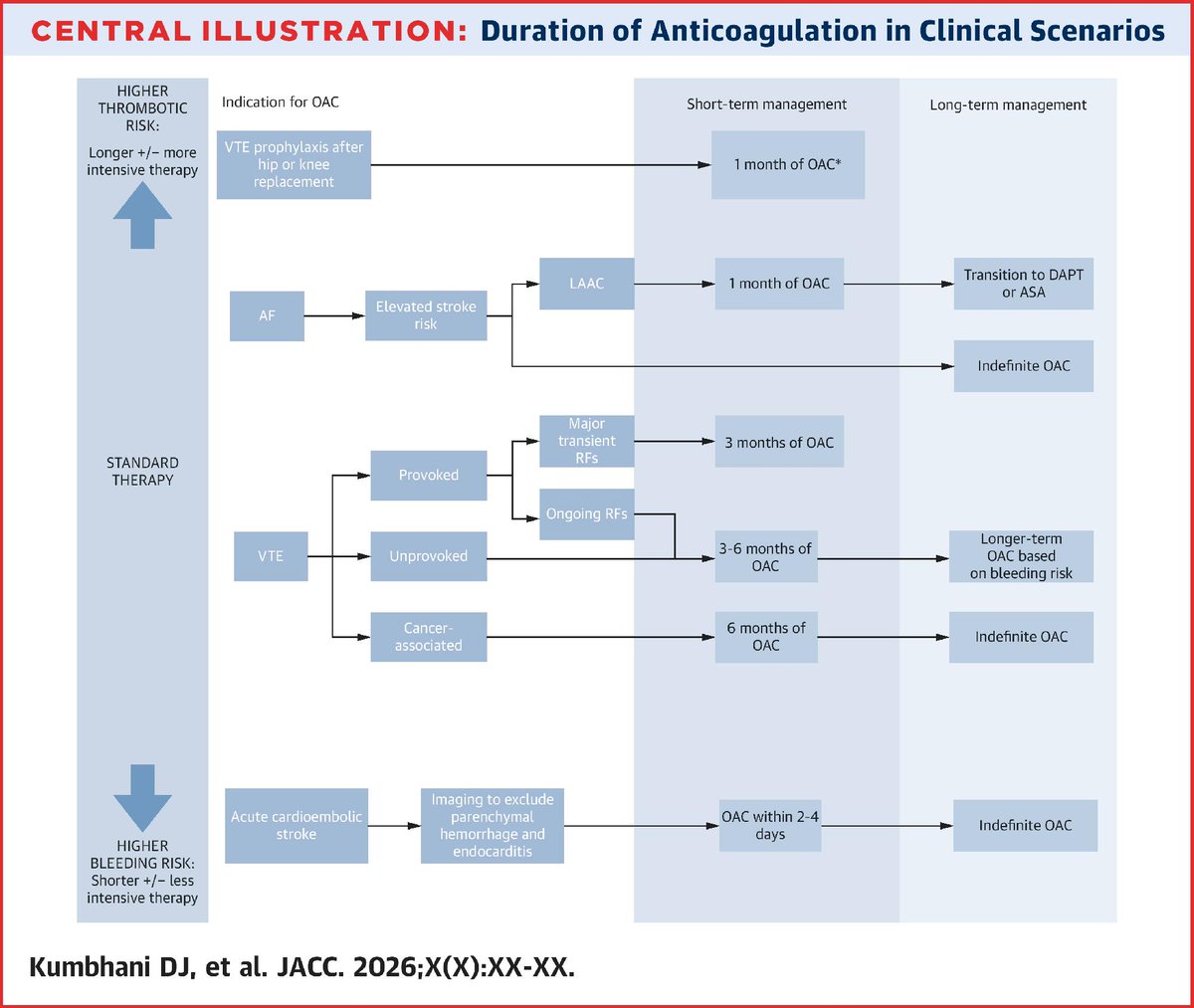
Despite strong evidence for their efficacy & safety, DOACs remain underused & at times inappropriately dosed, especially in high-risk pts. New ACC Scientific Statement provides guidance for primary & secondary prevention of thrombotic events https://t.co/l1Y0FmToIL #JACC#cvPrev
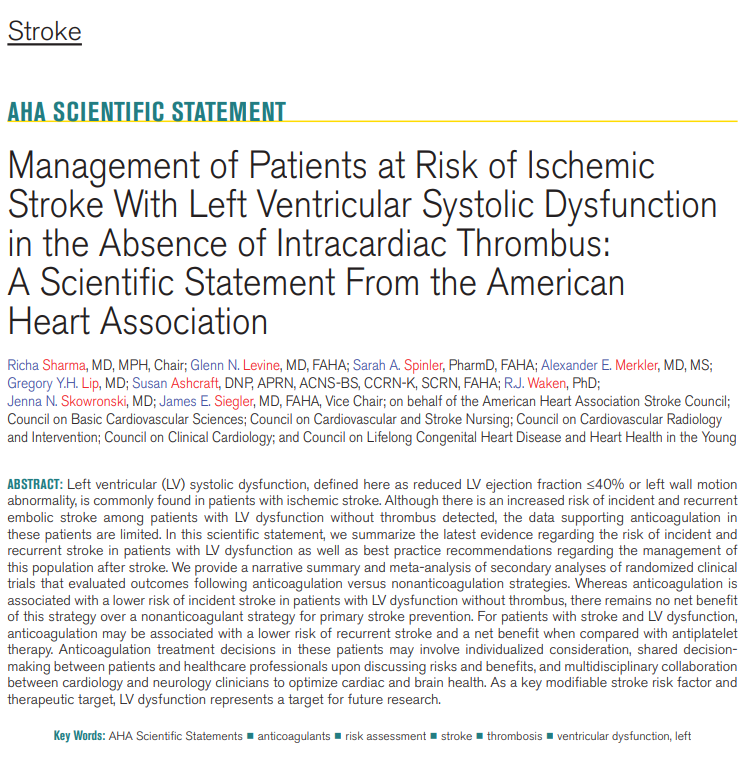
Left ventricular systolic dysfunction is not uncommon in the ischemic stroke population with some studies showing between 5%- 25% with ischemic stroke in persons with a lower left ventricular ejection fraction (LVEF). https://t.co/Jgu23h0BQV
This scientific statement summarizes the latest evidence regarding the risk of incident and recurrent stroke in patients with LV dysfunction as well as best practice guidance regarding the management of this population after stroke.
✍🏼 @RichaSharmaMD@JimSiegler@LiverpoolCCS@JennaSkowronski
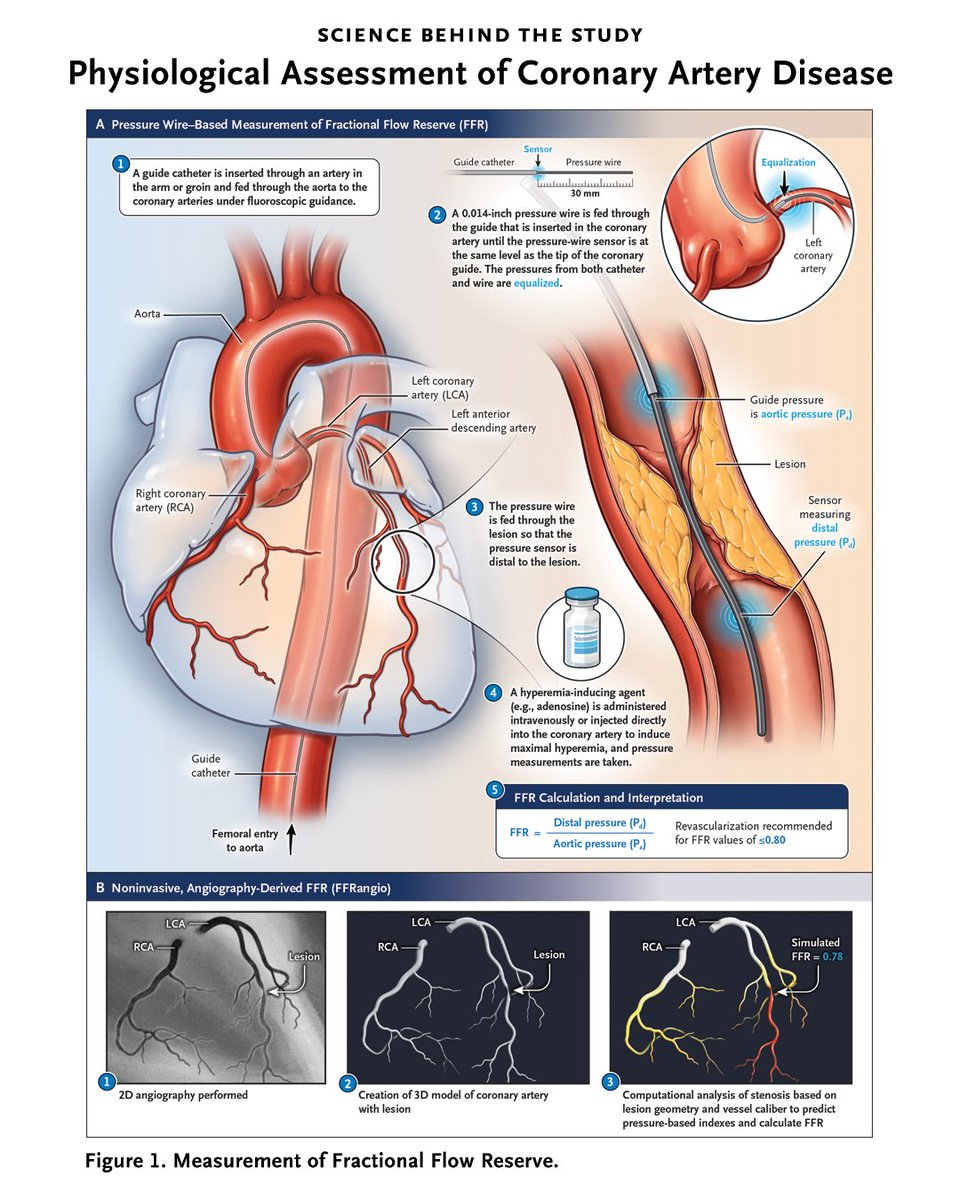
Amanda Randles, PhD, describes the scientific foundations of two trials comparing how noninvasive and invasive assessments of fractional flow reserve affect clinical outcomes.
Learn more about the science behind the study in the editorial “Physiological Assessment of Coronary Artery Disease”: https://t.co/t0qS5itiXq
The language of "HFpEF mimickers" is often used - What does this actually mean?!
Provocative piece helps to reframe this concept:
"What Are HFpEF Mimics and What Are They Mimicking? Insights Into Our Conceptualization of HFpEF as a Disease"
https://t.co/JjkPM5HP5t
We diagnose heart failure too late.
SCORE2-HF predicts 10- & 30-yr HF risk from routine data - age, BP, BMI, smoking, eGFR, diabetes. No echo, no biomarkers.
The official tool is a macro-Excel in the supplement. So I rebuilt it - free & validated:
https://t.co/j2gNUfxgHh
A Contemporary Perspective on Acute Decompensated Heart Failure Classification: A State-of-the-art Review from an International Expert Group
CCR Journal Watch
https://t.co/Sp06oA6IDG
🩸🏥Manejo de la Sangre en el Paciente en Cuidados Intensivos
🔰📚Intensive Care Med 2026
https://t.co/0C4J3zRik1
Enlace a Artículo Completo👇🏻🆓✅
https://t.co/xumUMHaxVK
🫁📱Uso del PoCUS en el Diagnóstico y Manejo de la Neumonía
🔰📚JAMA 2026
doi: 10.1001/jama.2026.4782
Enlace a Artículo Completo 👇🏻🆓✅
https://t.co/xumUMHaxVK
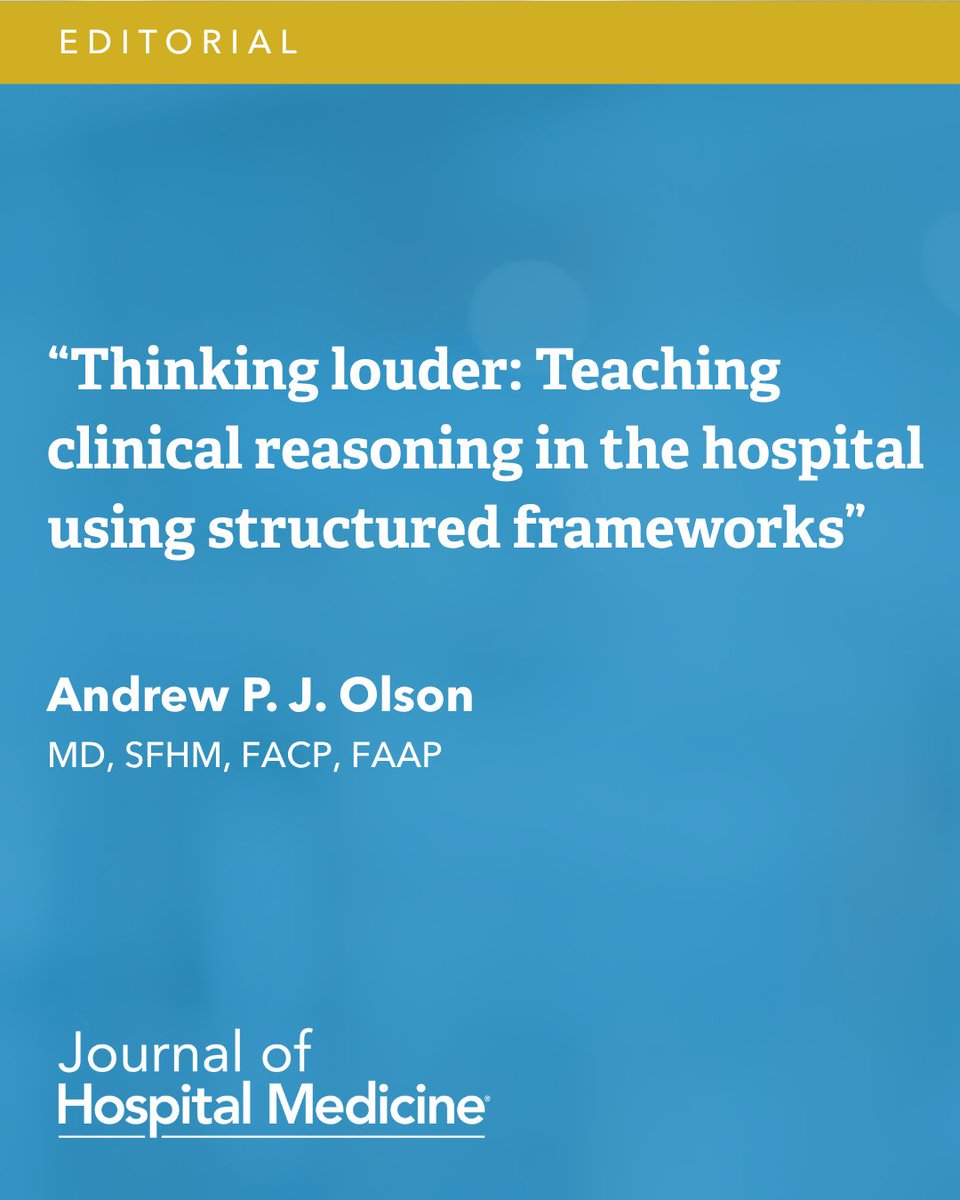
Great clinicians and great fathers make their thinking visible, teach through uncertainty, and help others find their way.
This Father’s Day, read this thoughtful editorial on clinical reasoning.
Happy Father's Day ♥️
🔗: https://t.co/F3gERKmkLG
#SHM#JHM#FathersDay
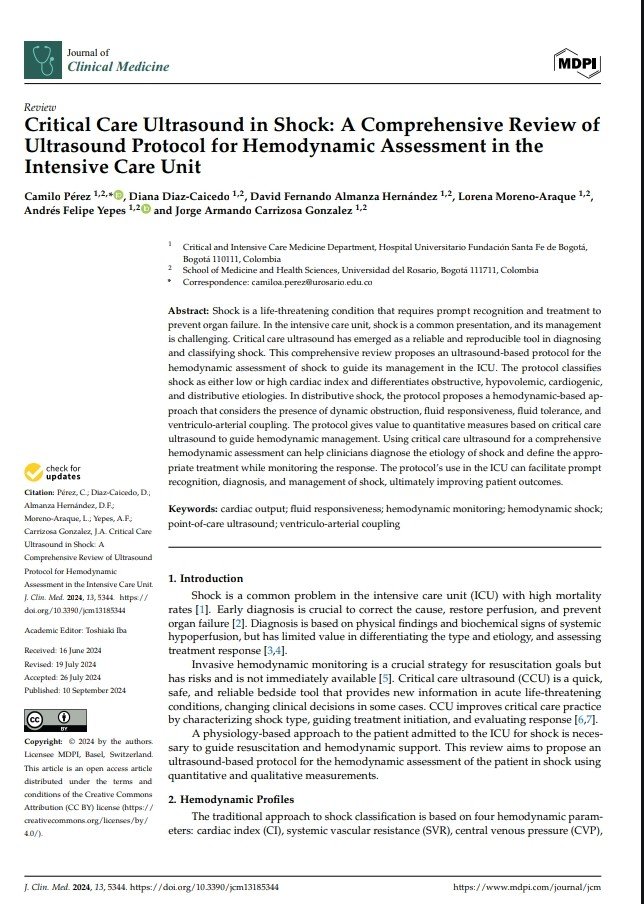
📱🫀Uso del Ultrasonido en el Abordaje del Paciente con Shock en Cuidados Críticos
🔰📚J. Clin. Med. 2024
https://t.co/zieQLQdUIA
Enlace a Artículo Completo👇🏻🆓✅
https://t.co/rPEDXf5xvO
🆕🔥🟢Excellent review article
Carbapenemases: epidemiology, detection and management in a changing global landscape
🔺Carbapenemase classification.
🔺Characteristics of key carbapenemase families
🔺Geographic distribution
🔺Guideline-based treatment recommendations https://t.co/BeayHLiePW
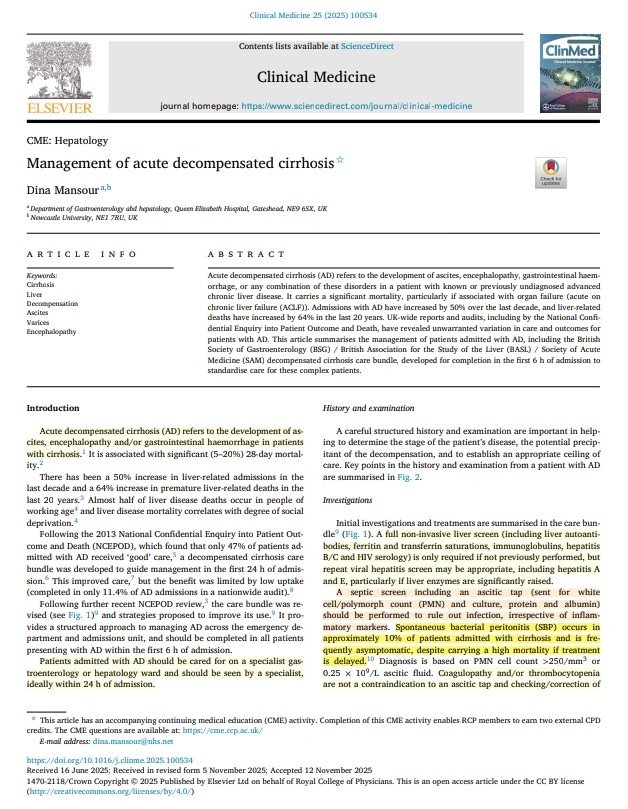
💥🏥Manejo de la Descompensación Aguda en el Paciente con Cirrosis
🔰📚Clinical Medicine 2025
https://t.co/98l4IgjBFM
Enlace a Artículo Completo👇🏻🆓✅
https://t.co/xumUMHaxVK