Passive Integrated Transponder (PIT) antennas allow us to track individual fish movement in the Russian River basin. This coho salmon was released at 4 inches. in Winter 2019, went to the ocean and returned to 3 different streams before spawning as a 23-in. adult in January 2022.
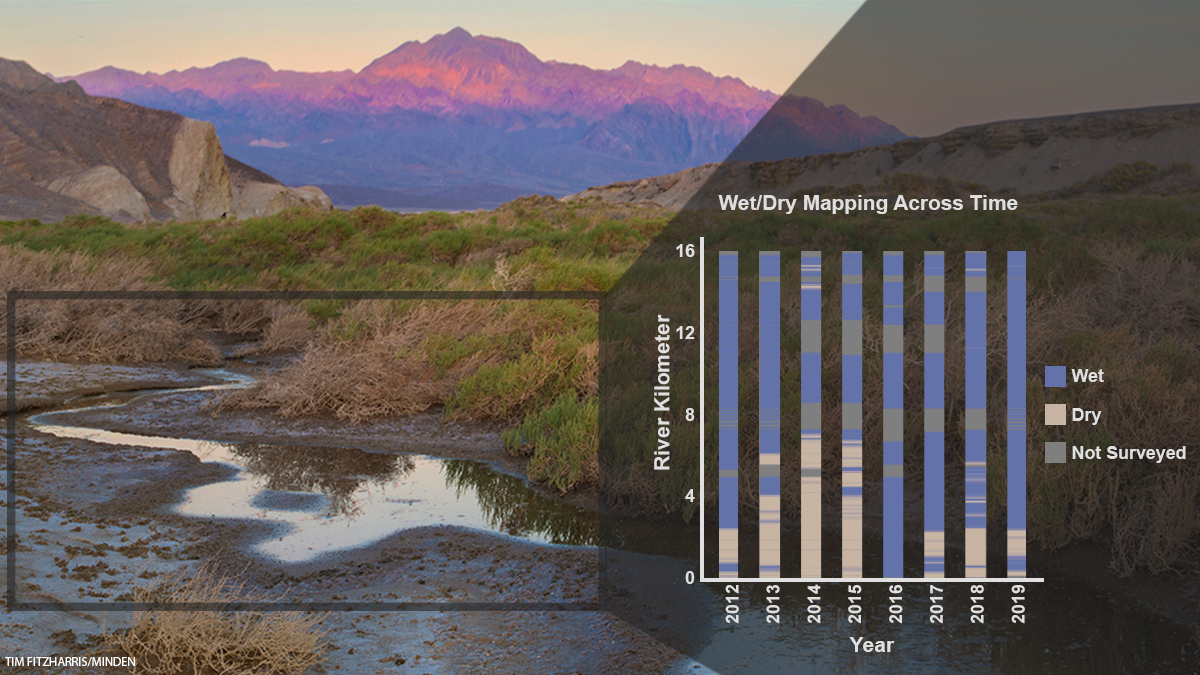
Hi Twitter! I am compiling wet/dry mapping datasets from across the arid West for a new project looking at patterns of stream drying. Do you/someone you know survey surface water presence during the dry season? If so, please consider filling out this form: https://t.co/GxrjEAuHO4
@alexrollan @Albert_Ruhi We are looking into remote sensing as well! Seems promising in arid landscapes, since vegetation cover wouldn't be as much of an issue
Belatedly announcing a new paper out with @fishteph, @watershedted, and Mariska Obedzinski, looking at the interannual variability of stream drying in northern CA to understand why some reaches are reliably dry, reliably wet, or decoupled from recent rain
https://t.co/aDwprZV2TN
As intermittent streams contract, persistent refuge pools support a diverse assemblage of native species. Read more about how boulders play a role in this fun feature of our work on Coyote Creek, out now in @ESTUARYNews :
https://t.co/4eQdNUGbZt
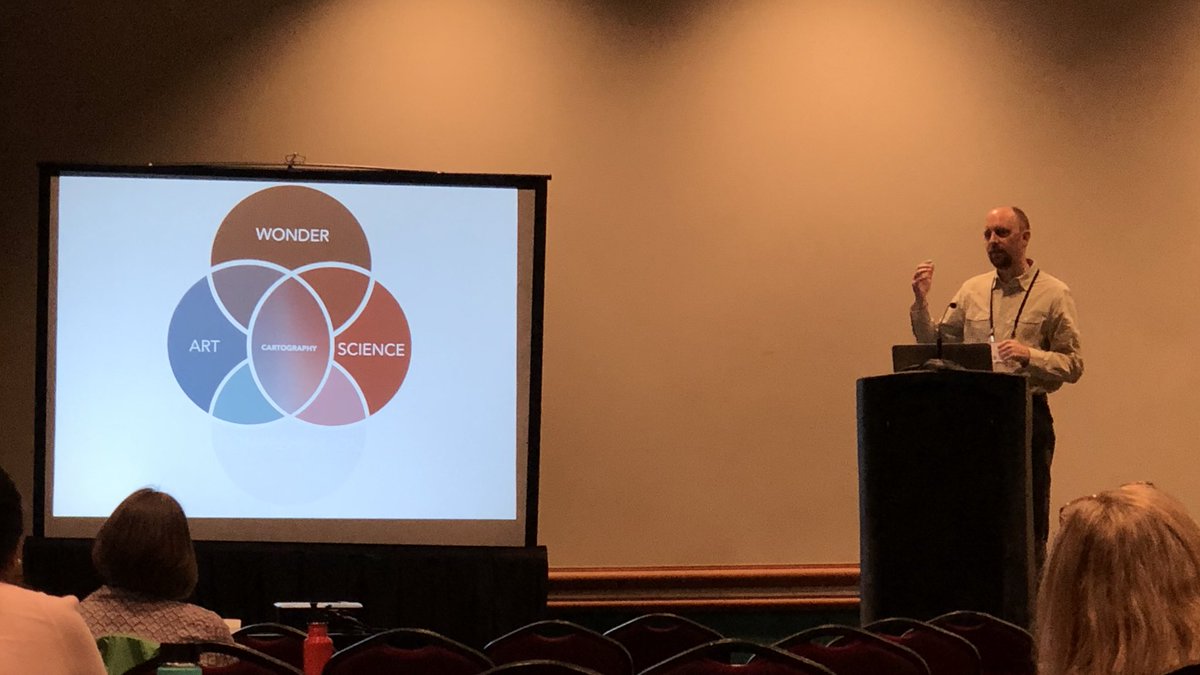
Visualizing complex datasets in an elegant but accessible way is difficult, but when it works, inspiring. @g_fiske at #2019SFS talking about ways to make maps that combine science with art and wonder.
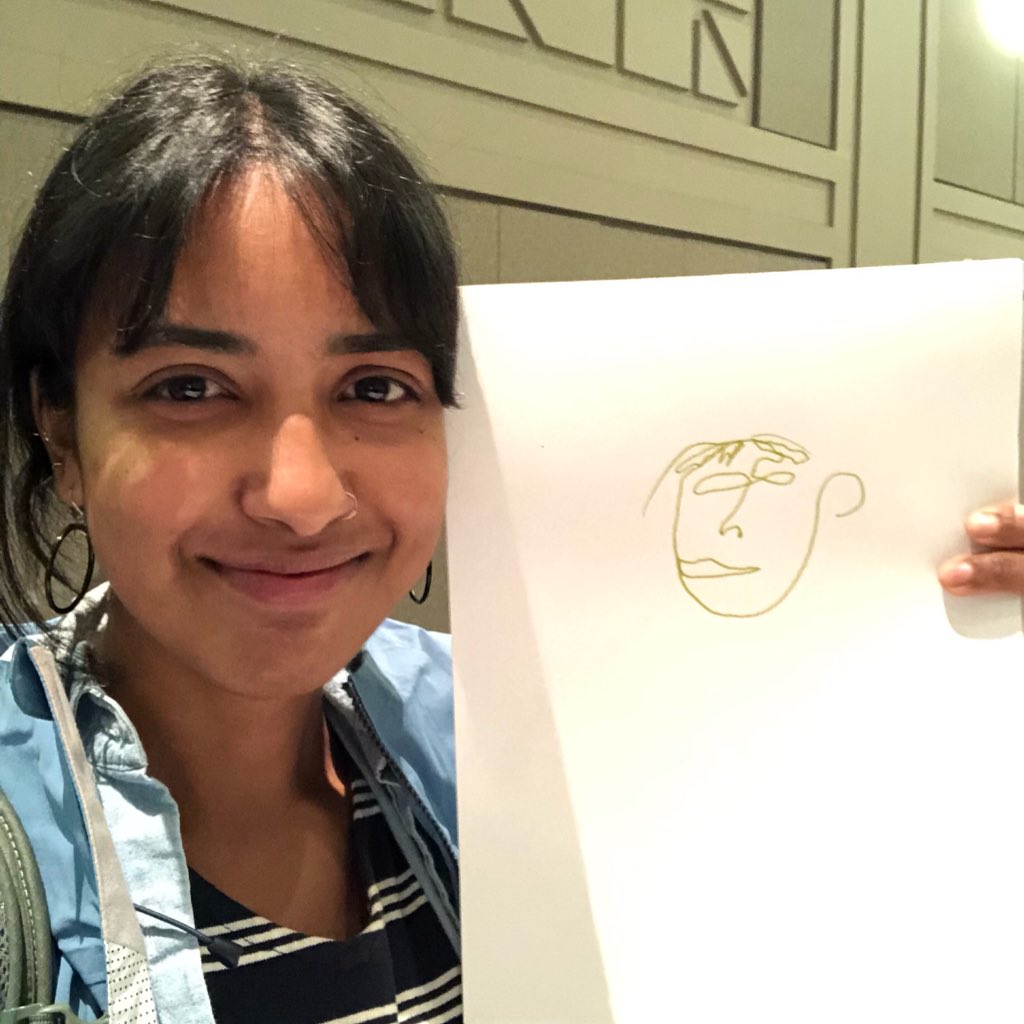
At the #2019SFS public engagement station- instead of sketching my science I tried sketching my post doc. @PabloRLoz what do you think of this impeccable rendition?? #SFSEngage
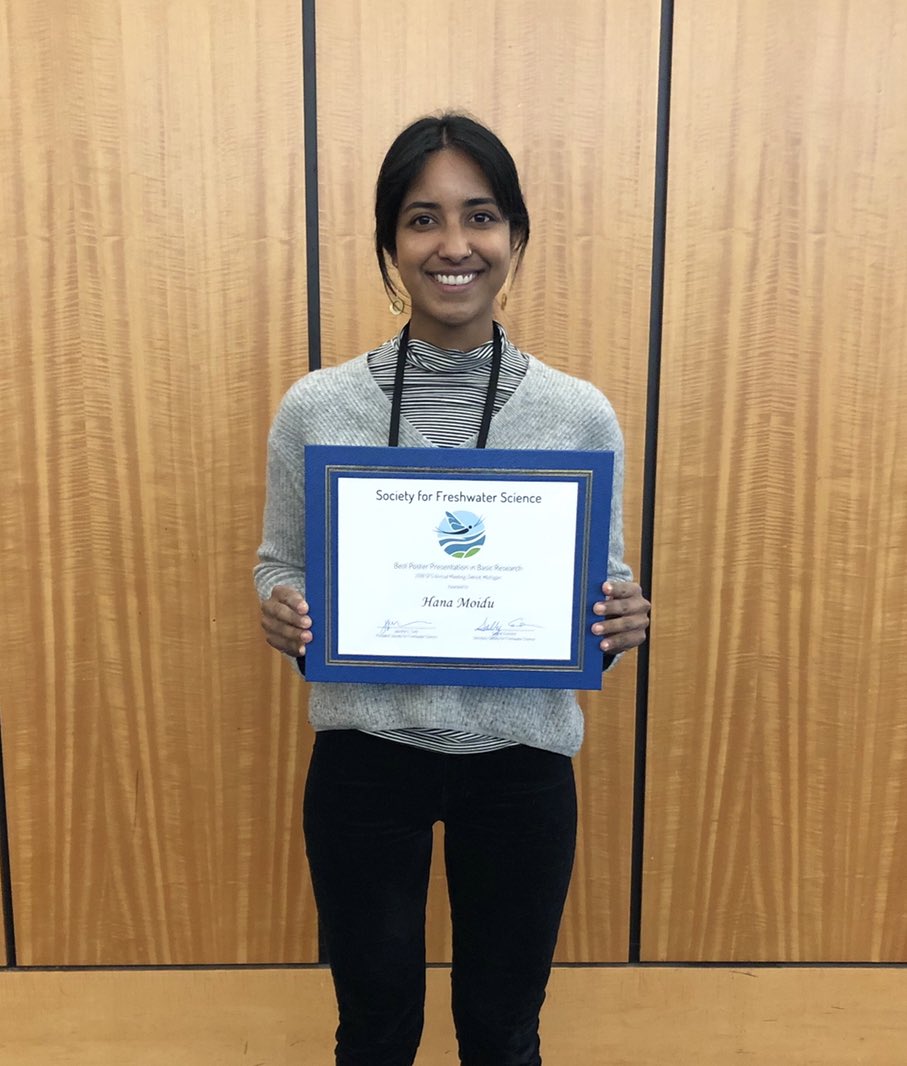
Feeling grateful at #2019SFS - received an award for last year’s poster, and then gave a talk on progress I’ve made on that work in the IRES special session 🤠