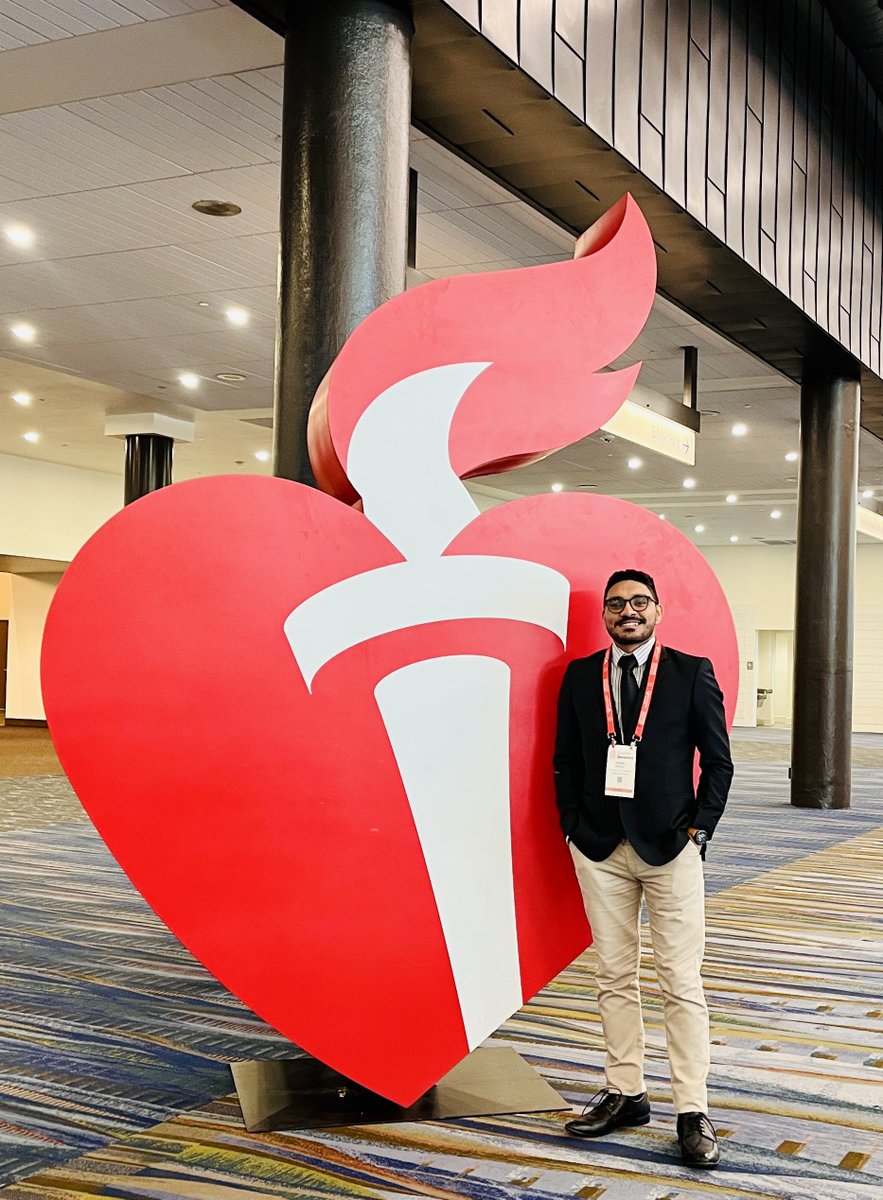
From research daydreams to reality: my first #AHA2025, unforgettable experience!
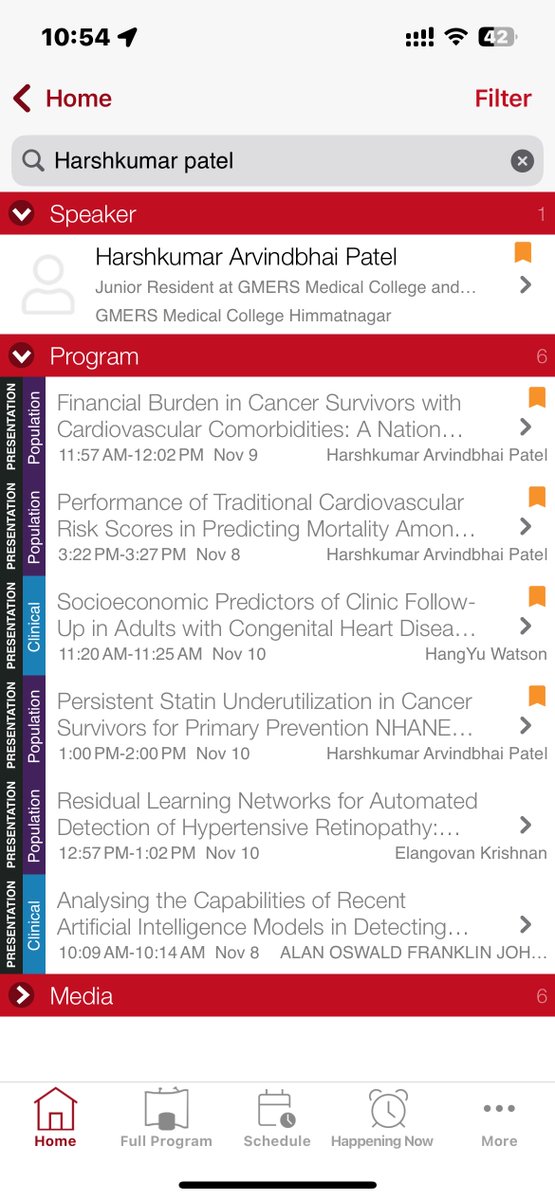
Honored to present my work at AHA (6 abstracts). Deep gratitude to my mentors @DrBrijPatel@harshi_md@sthangjui@HWatson2024 this would not have been possible without their guidance and support.
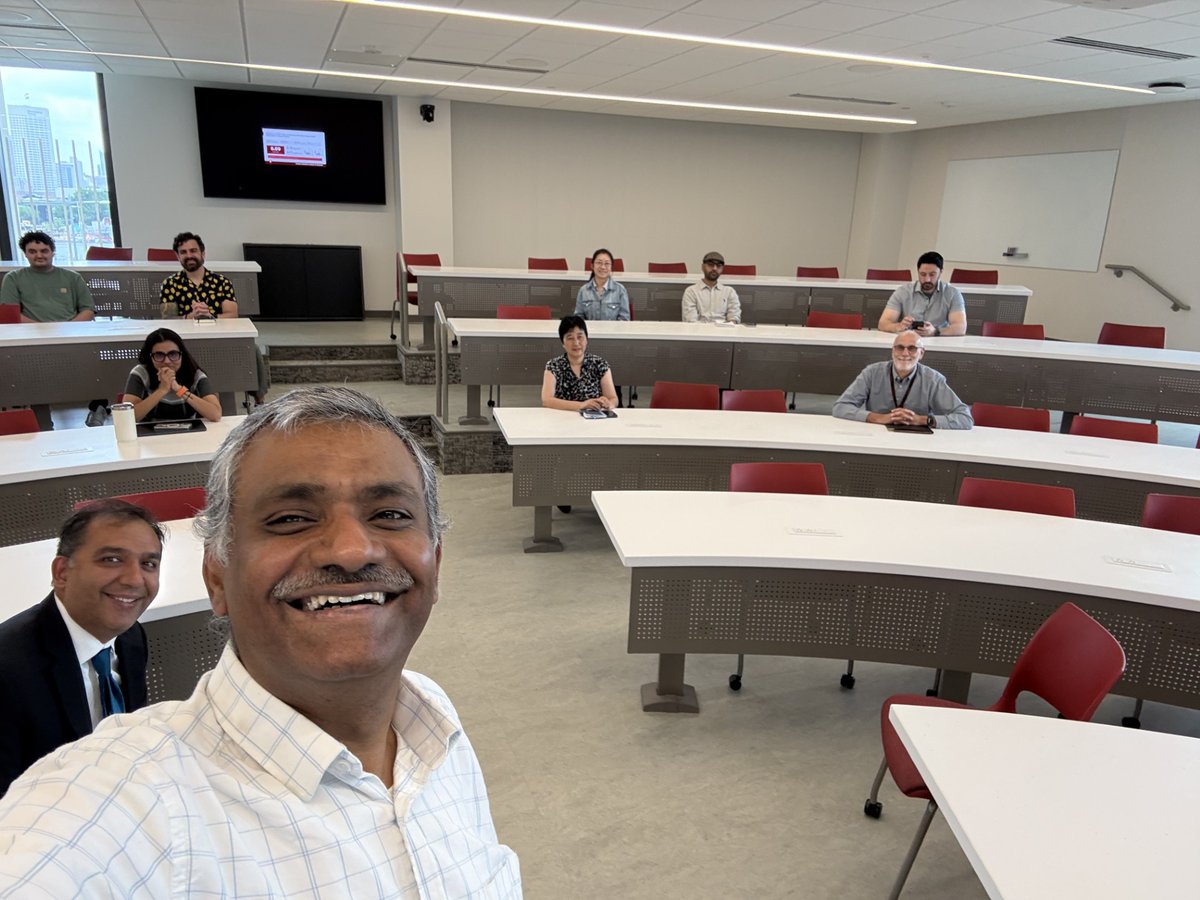
Thank you, @DrBrijPatel, for your informative talk on how radiomics and ultrasomics can beaccessible, predictive imaging tools for conditions ranging from oncology to cardiovascular diseases, at the most recent Frontiers in Medical Imaging Research seminar!
We do not fail ASCVD prevention because we lack tools.
We fail because we deploy them too late, too slowly, and too inconsistently.
Primary prevention across the CKM spectrum must move from "risk recognition" to "sequenced lifetime benefit."
These are really challenging times for academic medicine. You have to set your goals. If you want to be at the top of the field what matters is truly enduring contributions that help improve patient outcomes. Visibility, titles, fame are transient. Enduring contributions to your field or to the delivery of excellent care at your own institution will set you apart.
Success in any field needs a huge amount of hard work, talent, perseverance, and yes, luck. You need to want to do what you are doing. Passion.
Whether your efforts are in research, practice or education, what will set you apart is always hard work, talent, and perseverance. With that luck is more likely to be on your side.
The American Heart Association mourns the passing of the legendary cardiologist Eugene Braunwald, M.D., widely recognized as one of the most influential figures in the history of cardiovascular medicine. Over seven decades, his work reshaped the understanding and treatment of heart disease, leading many to call him the father of modern cardiology.
Braunwald was a lifelong contributor to the American Heart Association, helping advance its research and scientific mission, and was honored with some of the Association’s highest honors for his lasting influence on cardiovascular care and research. His influence extended well beyond his own discoveries, as generations of Association‑supported investigators, clinicians and academic leaders were trained by Braunwald or guided by the clinical trial standards and mentorship models he helped establish.
https://t.co/ieZuHYMyOP
🚨 Thrilled to share Our 📝 assesing how well traditional CV risk scores🫀 (PCE, Framingham, PREVENT) predict mortality for cancer survivors, out now in @CurrentOncology! 👇
@DrBrijPatel@harshi_md
🧵1/3
📅 New #Article in Special Issue: https://t.co/USw8r5svhM
📑 "Performance of Traditional Cardiovascular Risk Scores and Objective Optimization in Cancer Survivors."
✍️ by Harsh A. Patel et al.
📍 Access the full paper: https://t.co/oWlUnqDRLR
#CardiovascularRisk#CardioOncology
All three models perform poorly at standard thresholds (AUCs 0.53-0.64). Even after statistical optimization, misclassify high-risk pts,⬆️ low-risk mortality by 47%. (2.8% ➡️ 4.1%) 🚩📉
The takeaway? Need dedicated cardio-oncology specific models. 🧵2/3
I would like to share the story of how a patient with cancer came up with the idea for a randomized trial, & how listening to him saved a lot of lives.
1/ In 2002, I had just completed a randomized trial with the notorious drug thalidomide for the cancer, multiple myeloma.
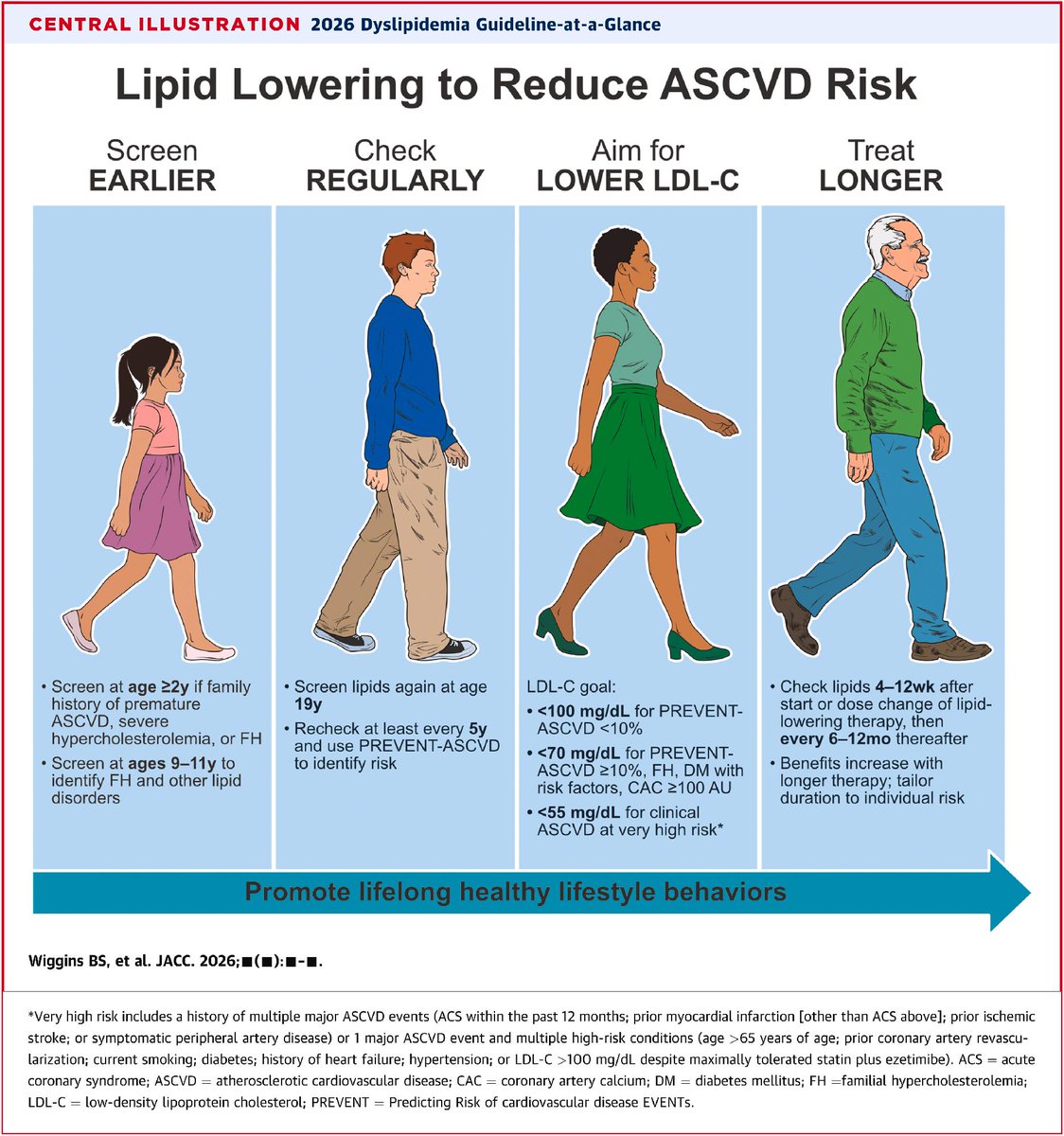
ACC/AHA & 9 other leading medical associations released an updated clinical guideline for managing #dyslipidemia. About 1 in 4 US adults has high LDL-C, raising risk of heart attack & stroke.
Get the details in #JACC: https://t.co/pT3H1NCzyZ
#ClinicalGuidelines#cvLipids#ASCVD
How guys can go from 25% to 15% body fat
No alcohol
7-10k steps/day
Lifting 3x/week
8 hours of sleep/night
Calorie deficit of 500 cals
25 to 35 grams of fiber/day
90% of calories from whole foods
Half your bodyweight in ounces of water
.8 to 1 gram of protein per pound of bodyweight
Do this for 4-5 months and you'll be healthier than 90% of men.
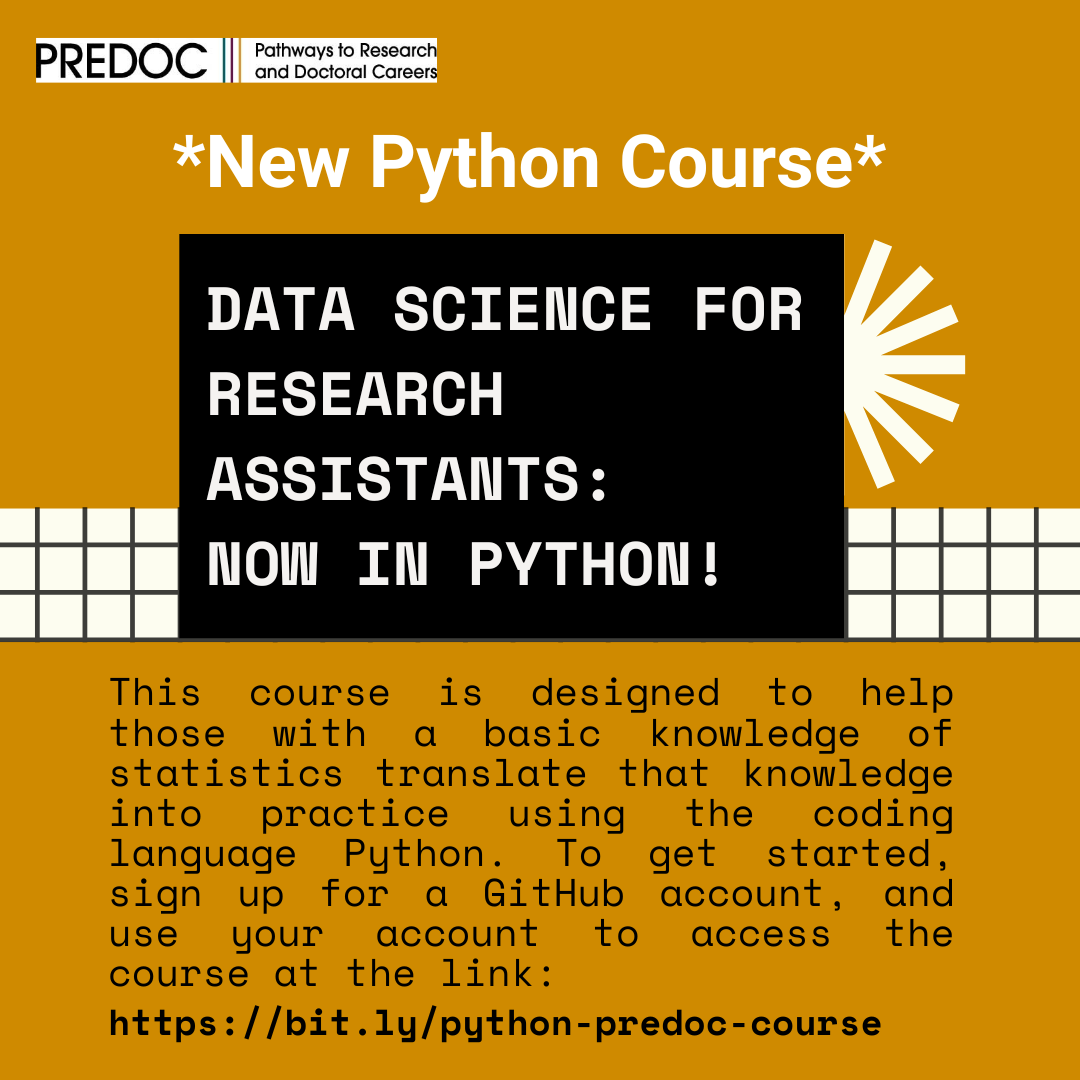
https://t.co/uHMYiQGqSm's free Data Science for Research Assistants course is back...this time in Python! Now anyone with a basic knowledge of statistics can translate that knowledge into practice using the coding language Python. Learn more at: https://t.co/uHwMH9CQph
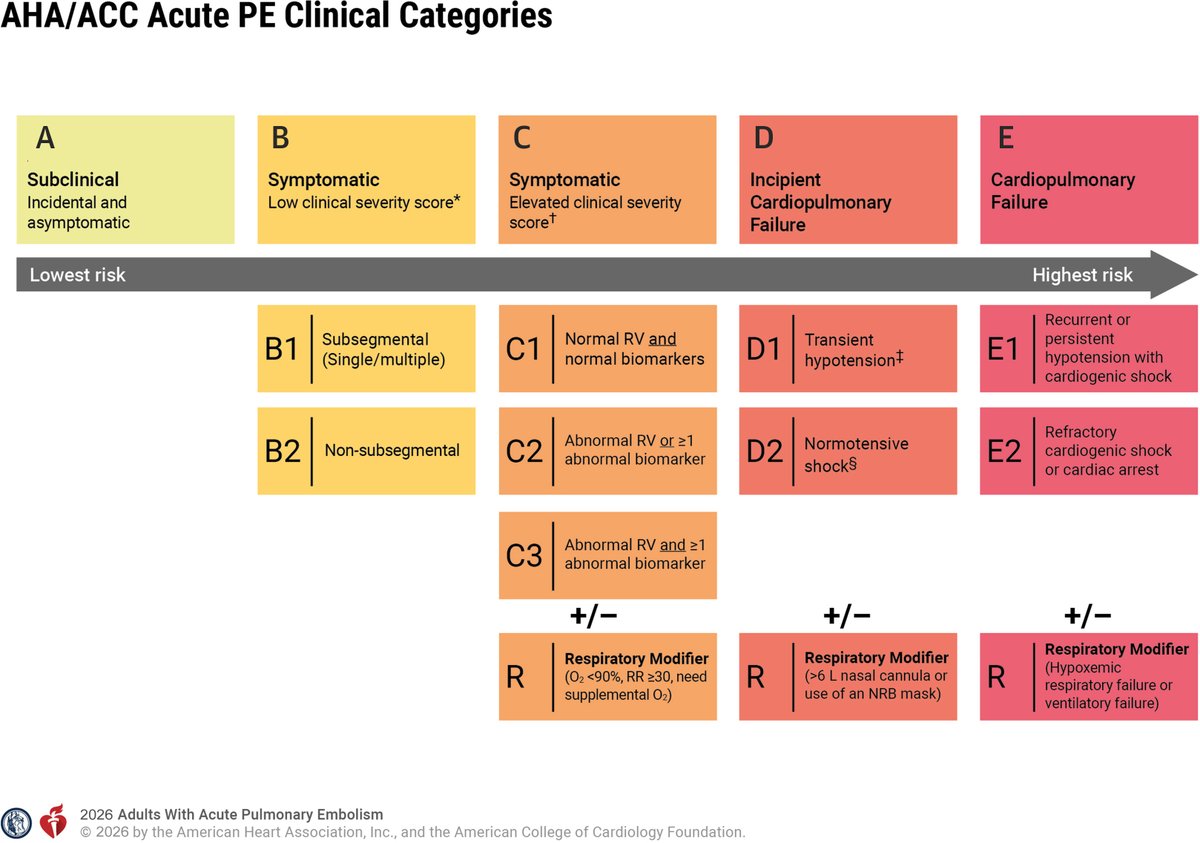
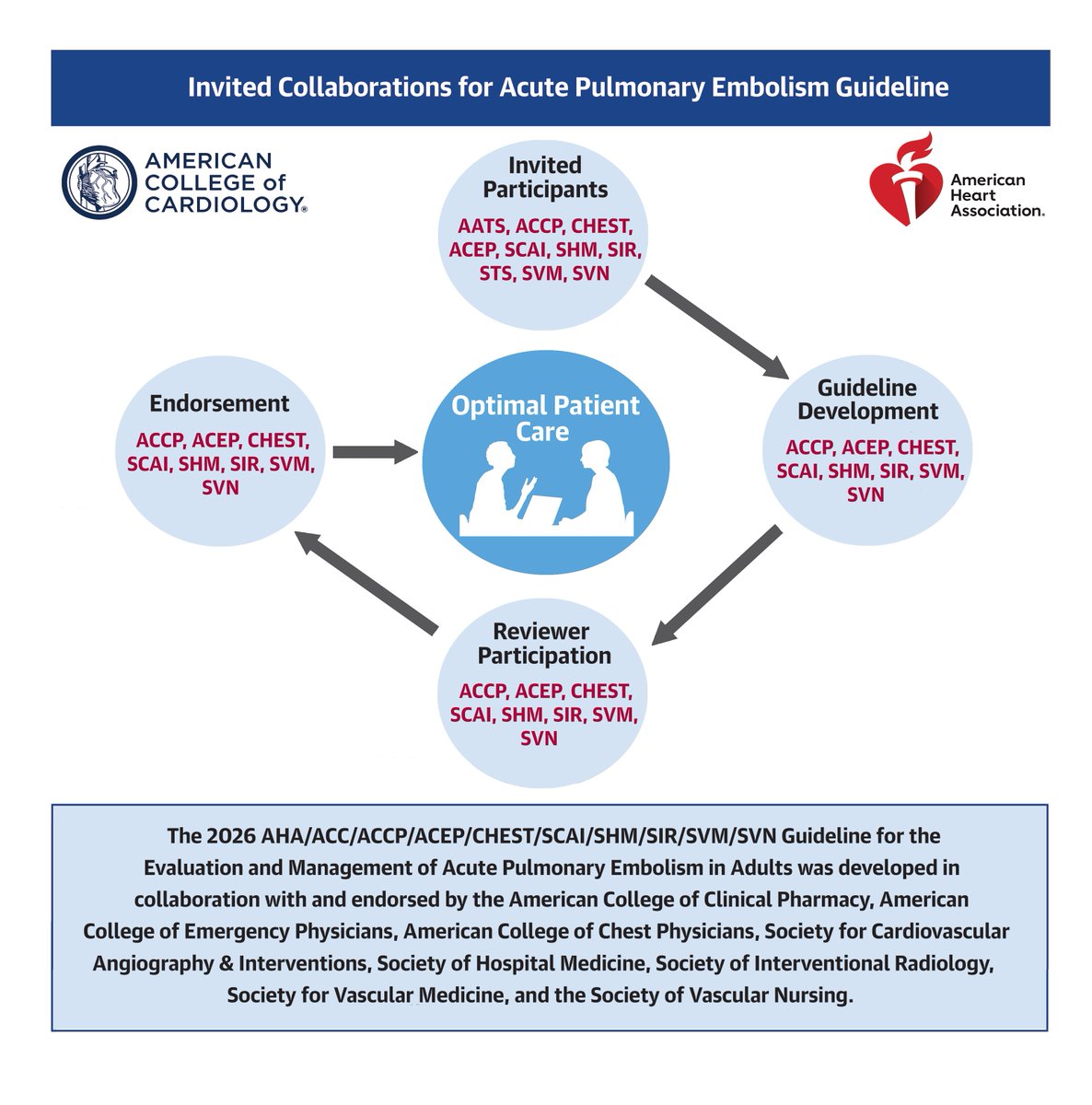
ICYMI: 🆕 ACC/AHA/Multisociety Guideline for the Evaluation & Management of Acute PE in Adults is a de novo document offering comprehensive, evidence‑based recommendations for the evaluation, mgmt & follow‑up of adults w/ acute PE. Get the details: https://t.co/c9D3IDf5G0 #JACC
Effortful exercise improves cognition. It is brain and cognitive maintenance.
If I want an immediate boost in alertness, focus, and mental sharpness, I’ll do a short bout of vigorous exercise before a podcast or public speaking engagement. It’s the fastest, most reliable, and consistent way to flip the switch on short-term cognitive performance.
Study after study shows that even ~10 minutes of movement, especially at a higher intensity, can acutely enhance executive function, attention, and memory. It also tends to reduce anxiety and improve your ability to filter distractions, which is basically the cognitive state you want when you need to perform.
If you have an important presentation, an interview, or deep work that demands mental clarity, try a brief, intense session beforehand.
Clip from my recent appearance on the @PBDsPodcast.
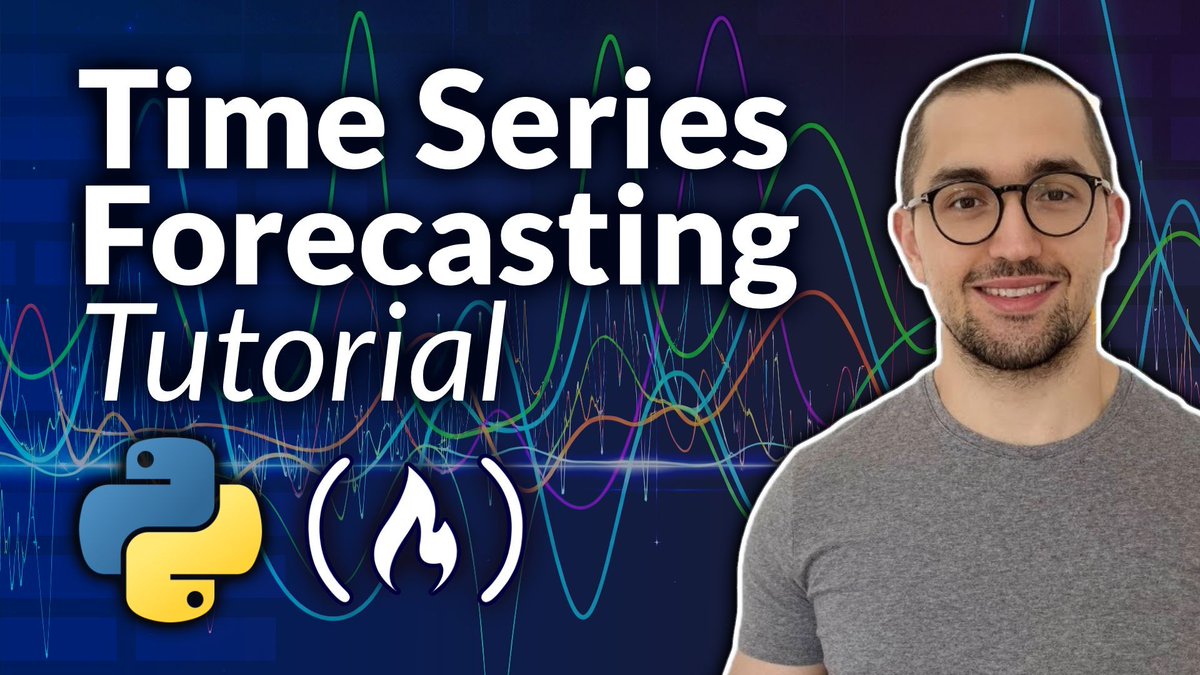
Time series forecasting in Python can help you predict future trends.
In this course, you'll learn what time series data is and how to break it down into its key components.
Then you'll build baseline models, learn important forecasting techniques like ARIMA and seasonal ARIMA, evaluate your models, & more.
https://t.co/DGPzcEOG1V
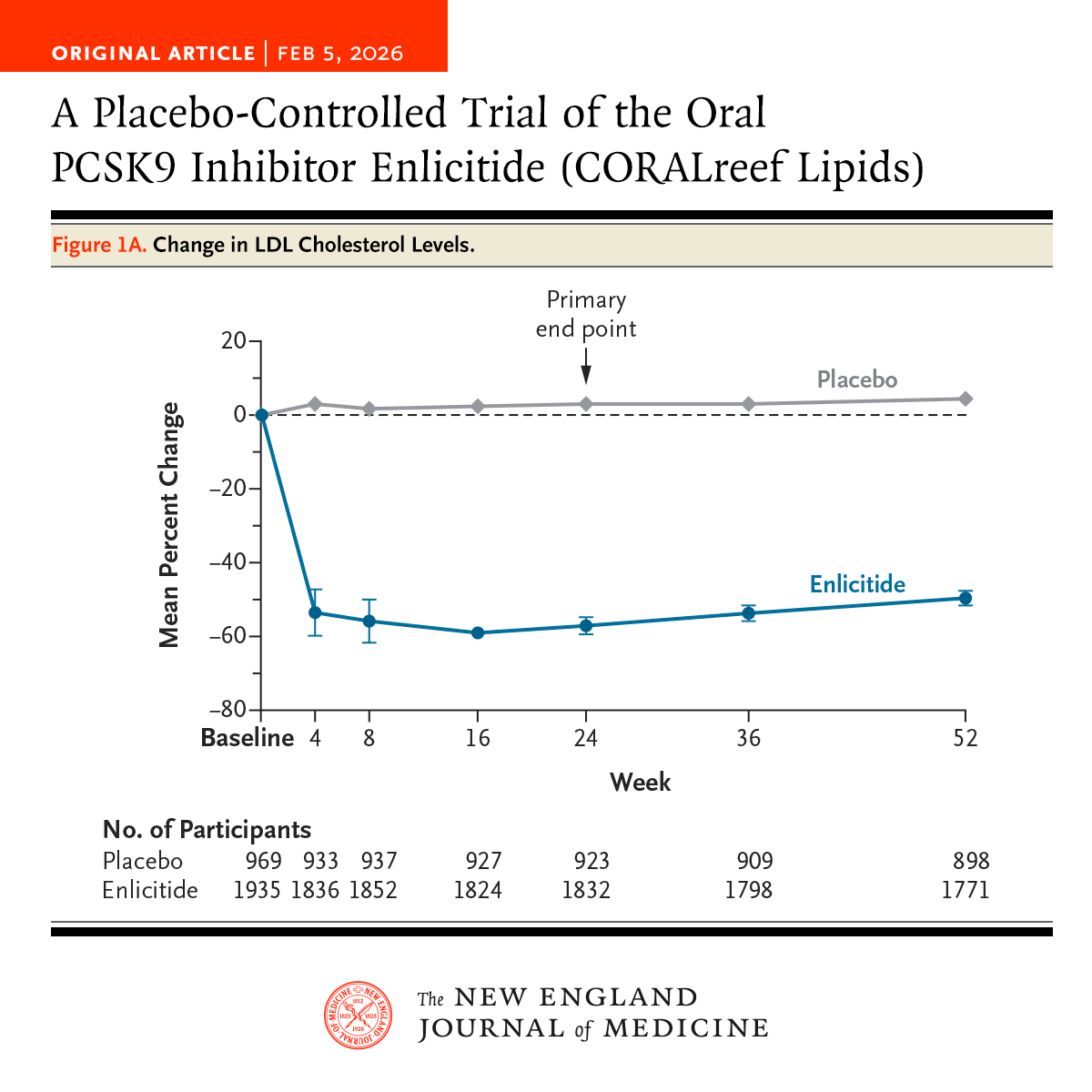
In the phase 3 CORALreef Lipids trial, the oral PCSK9 inhibitor enlicitide reduced LDL cholesterol by 57% at 24 weeks and also lowered non-HDL cholesterol, apolipoprotein B, and lipoprotein(a). Adverse events were similar in the two groups. Full trial results: https://t.co/o5RS02KCWi
Editorial: Exploring a New “Reef” in Dyslipidemic Risk Reduction https://t.co/W3KfZHkxMD
👏Huge congratulations to the @GoogleDeepMind team on the formal publication of AlphaGenome model - a big milestone for DNA sequence-to-function modeling and variant function interpretation.
💡At the same time, I want to highlight that many core questions in gene regulation hinge on more than DNA sequence alone: DNA sequence provides the basal and shared genetic blueprint, while the regulatory logic that defines cell-type-specific gene expression and gives rise to diverse cellular phenotypes is executed by the 100s-1000s of chromatin proteins that differentially read the DNA sequences.
🏗️That motivation to mechanistically understand gene regulation drives us to develop multi-modal AI tools rooted in the fundamentals of chromatin biology, bridging DNA sequence with chromatin states and protein features to let the model learn the core regulatory mechanisms of gene expression.
📰Read more Chromnitron: Decoding the gene regulatory landscape through multimodal learning of protein–DNA interactions.
👉 Link to preprint: https://t.co/SLWIYeLnUG
And my prior post of Chromnitron model: https://t.co/ihujlqeiE0
You don't need to lift heavy weights to gain muscle.
As long as volume and effort are high, and you train to fatigue, you can build muscle mass (hypertrophy) with lower weights.
Dr. Stuart Phillips (@mackinprof) and colleagues recently showed that low-load (20–25 reps at ~30–40% 1RM) and high-load (8–12 reps at ~70–80% 1RM) resistance exercise led to similar gains in muscle hypertrophy and stimulation of myofibrillar protein synthesis in the upper and lower body over 10 weeks of training.
Effort drives adaptations.