Strongs winds are blowing hard enough to tip over garbage cans, as the Valley is under multiple storm warnings.
Read more: https://t.co/7TwZ65D7MO
(Video by @iamdamonallred)
A former Aztec temple-themed Fry's Electronics is getting a new life as a Phoenix police precinct campus.
The project will replace the current Cactus Park Precinct, which is outdated and needs major upgrades.
"To say that this project is long overdue is certainly an understatement," @CWAnnOBrien said.
https://t.co/9j6MAdFf4F
8:10 PM Weather Radar: Strong storms have been persistent down southeast of Gila Bend. There is a strong outflow boundary moving out from the storms, moving toward Gila Bend and I-8 and SR-85 corridors. Wind gusts up to 40-50 mph are possible along with blowing dust. #azwx
David Friedberg Explains Why AI Will Break Every Economic Model: Will Output Surpass Consumptive Capacity?
I think fundamentally, if you're driving productivity with AI, you're driving leverage on human time and leverage on capital.
The question is, how quickly can you drive that up? And that's a function of how much consumption there is, how much capacity there is for consumption.
So if your earnings are the same, but things are getting more expensive, you're not happy.
If your earnings go up by 10% and things stay the same price, you got 10% more than you had last year, you're gonna be happy.
I just think all humans are driven by this need to consume more each year than they did last year. So I think for me, that's the lower limit on consumptive capacity in the world.
The question that we're now facing, which we've never faced in human history before, is there an upper limit on consumptive capacity?
Because AI creates such a profound shift in productivity and in leverage that normally you would say, “Hey, when we get a new tool or we get new leverage in a system, we build a new technology, we can make more with less.” Therefore, everyone gets access to more things for the same price or the cost of things that they consume come down by a certain price.
But there may be a situation now where the ability to make stuff exceeds the capacity to consume stuff, and that is something that I don't think we���ve faced before.
And I think that's where a lot of the models start to break. Just general economic models, just general productivity models and general social models.
And this goes to the point about, like, what is everyone going to do?
In the same way that I think we've argued that maybe SaaS was a transitory business phenomenon that existed between the foundation of the internet and the era of AI, it may be the case that knowledge work in general is also a transitory phenomenon that only existed between the foundation of the computer, or computing tools, and the existence of AI, generally speaking.
And if all of that goes away very quickly, and all of those people can be redistributed and recast into doing other higher level, more creative things, their productivity goes up by 100x, is there really a consumer on the other end of all of that productivity?
Is there really enough consumptive capacity? And I think that's the profound question that we all face.
We suspected Epstein ran a sex blackmail operation for the Intelligence Community, but the newly released files strongly suggest he worked for himself. If he was a slave to anything, it was to his perversions. New deep dive by @GalexyBrane and me.
Protesting or at least opposing data centers is highly rational for everyone except the most direct equity holders hence beneficiaries of the AI and AI value chain companies.
AI has a political constituency problem. Most people know that they are net losers from the trade off of “losing your job/economic value” in exchange for maybe “cure for cancer”, a free robot, UBI and permanent underclass status.
They have also been sold pretty convincingly, by the spiritual leaders of the AI industry no less, that this was inevitable no matter what they did. At most they could stall it and prevent it from happening right away.
In your typical lobbyist group issues, the benefits are highly concentrated among a few highly motivated and the costs are spread thin across a majority that’s unmotivated and not paying attention. As such the net losers typically have trouble organizing as an effective opposition.
AI though has everyone’s attention and has made most if not all acutely aware of the existential stakes. Ask a random person off the street the first thing they’ll tell you about AI is that it’ll take their jobs. I’m not sure we’ve ever had an issue like that.
The funny thing about the “AI inevitability” is that it still requires astronomically if not comically high economic cost with significant negative externality to come into being. The average person in a democracy could exercise their political rights to delay the “inevitable” at least in exchange for a stake. It’s perfectly rational, incentive compatible and shockingly they do.
🚨 JUST IN: Howard Lutnick’s family firm reportedly bought tariff refund rights for 20–30 cents on the dollar after “Liberation Day” last year.
Now the Supreme Court has struck the tariffs down.
Translation:
For every $100 invested, Lutnick’s sons may have just made 3–5x.
Insiders knew. Regular Americans paid.
Welcome to Corrupt America — where policy is a profit scheme.
This is FBI disinformation about no cameras found in Epstein's house: living rooms / bedrooms
>We have emails from 2014 showing Epstein was buying "hidden cameras" ... "installing them into Kleenex boxes now"
>FBI took photos of a camera in a bedroom
https://t.co/842Fzbncin
INSIGHT: Elon Musk says corporations consisting purely of AI and robotics will "vastly outperform" those with humans in the loop. Musk compared the transition to when "computer" was a human job title, signaling a push for fully autonomous business models.
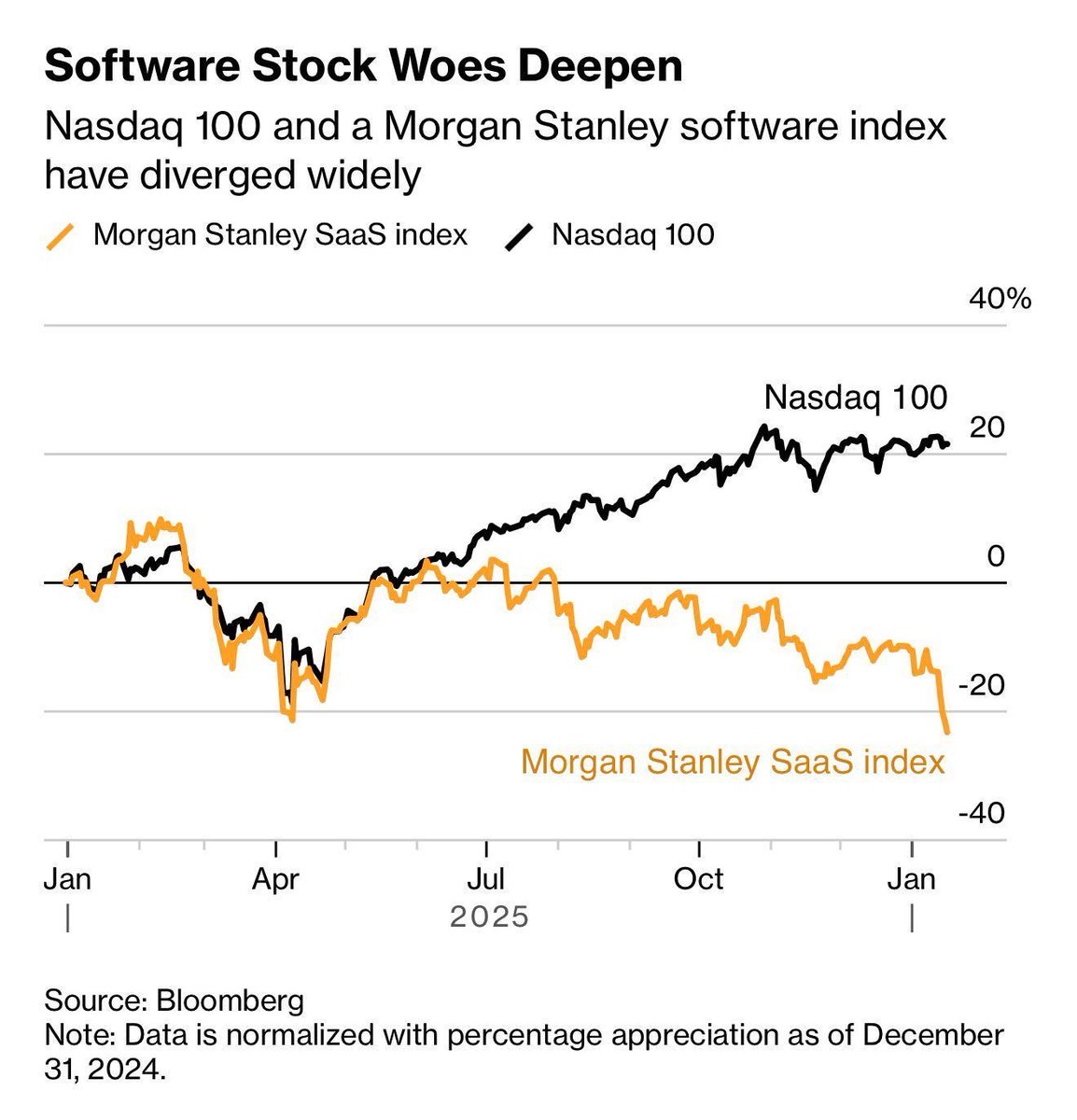
We've talked a lot about this on the Pod, but the Great SaaS Meltdown has started and there's no going back.
What exactly is happening?
In short, hi growth, low/no profitability SaaS is no longer a winning strategy because the big question mark is the durability of that growth in the short term and, because of AI, the lack of profits in the long term. Every SaaS company has sold the dream (to investors and employees) that they will growth quickly now, and harvest lots of cash later. With AI, this assumption may be completely out the window.
Now the threshold question is whether their growth will be overtaken by a much cheaper AI-developed solution?
If you are a venture supported SaaS startup and are a legacy Heuristics+APIs+CRUD product, it is likely that a new AI oriented workflow is coming for you.
Investors in private markets can see this now and think that money to fund short term growth will not be rewarded. Investors in public markets no longer believe long term profitability is possible. They would rather pivot into something they think is more resilient.
This is a change in the risk calculus that has existed for the past 15 years and why the chart below is the chart below.
Good luck to all the players!
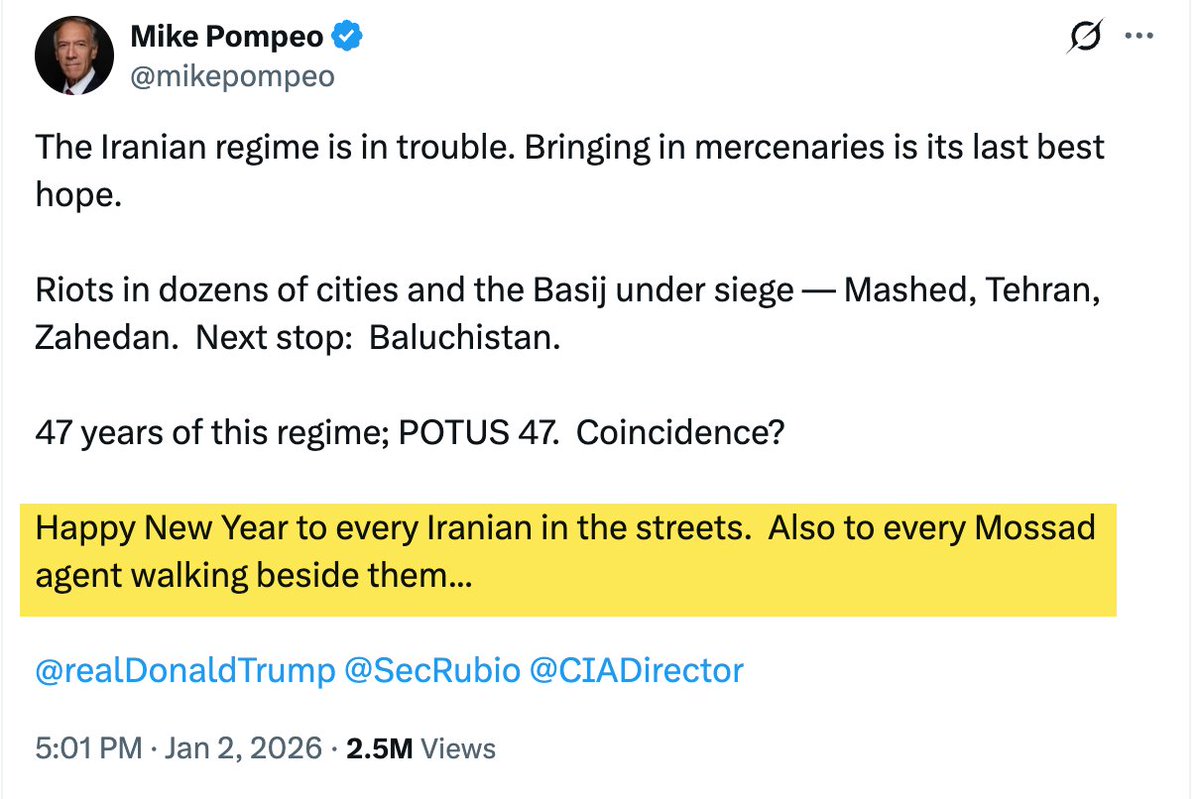
Trump's former CIA Director and the largest newspapers of the Israeli media can state explicitly and clearly that the Mossad is all over the protests in Iran, and yet still people will deny it and say only a conspiracy theorist could believe such a crazy tale.
Ahead of the Fourth of July holiday, the city of Phoenix is cracking down on illegal fireworks.
The city's police and fire departments have also formed a joint task force to raise awareness about the dangers of mishandling fireworks.
Read @ColtonKrolak story on the efforts here: https://t.co/51oPVhtd8X
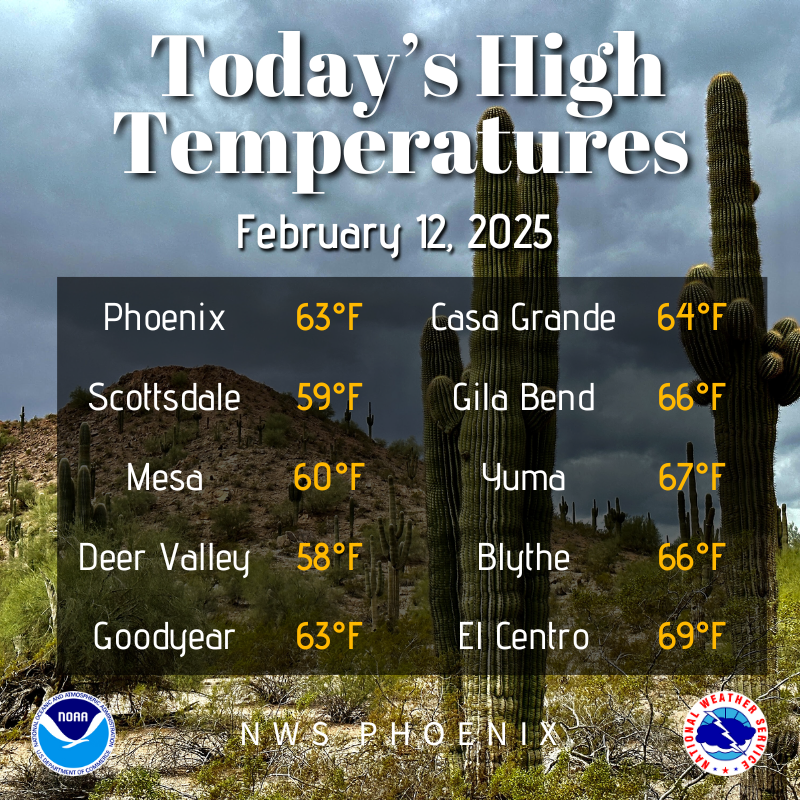
Abundant cloud cover kept highs well below average today in the upper 50s to lower 60s across southcentral AZ. Out in western AZ and southeast CA, breaks in the clouds allowed temperatures to warm into the mid to upper 60s. #azwx#cawx
btw I didn't do comprehensive research on this, I just try random stuff and compare over time, and I don't have too much confidence to recommend the right one for this yet.
I happened to be using SuperWhisper recently and I'm happy with it functionality wise. I will say that by default I don't like when data from my computer goes anywhere outside of my computer via an opaque app. I prefer fully super duper fully offline apps (no pinging home, no updating unless I ask, no analytics no nothing), whenever possible, and I think speech to text should be a setting where this should be possible just fine.
I saw earlier that @simonw use MacWhisper so I have a todo to try that next. @jordibruin says in the app readme that "All transcription is done on your device, no data leaves your machine." and it's a one-time purchase.
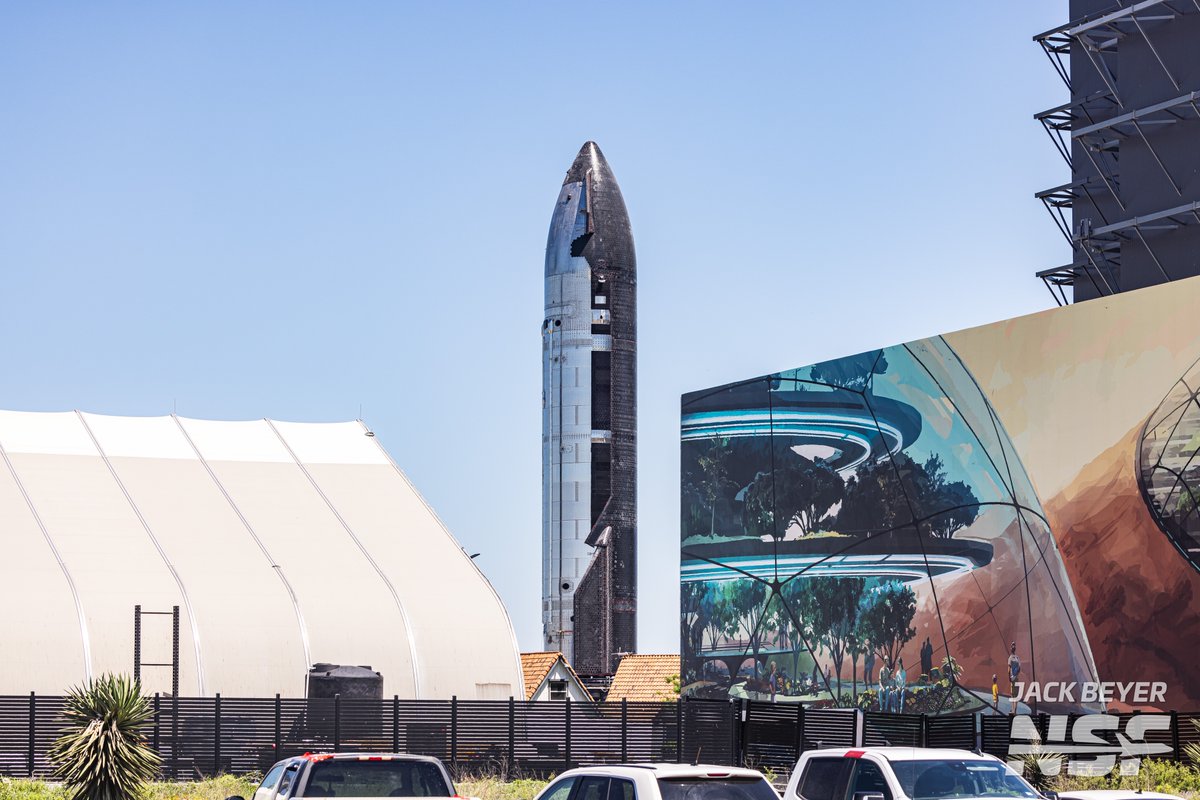
Stage Zero: Discovering The Limits Of Rapid Reusability | Pt. 1
A three part series investigating the challenges SpaceX has encountered while attempting to achieve Rapid Reusability of its Launch System, AKA Stage Zero.
https://t.co/9hJvkcK667