

Top Tweets for #pseudopus


The legless lizard Pseudopus pannonicus, which lived in Poland between 15 and 2 million years ago, could have been over 2 m long. Palaeontologists have shown that this is the largest known representative of the slowworm family. @PAN_akademia
https://t.co/wi3BoV1GG8

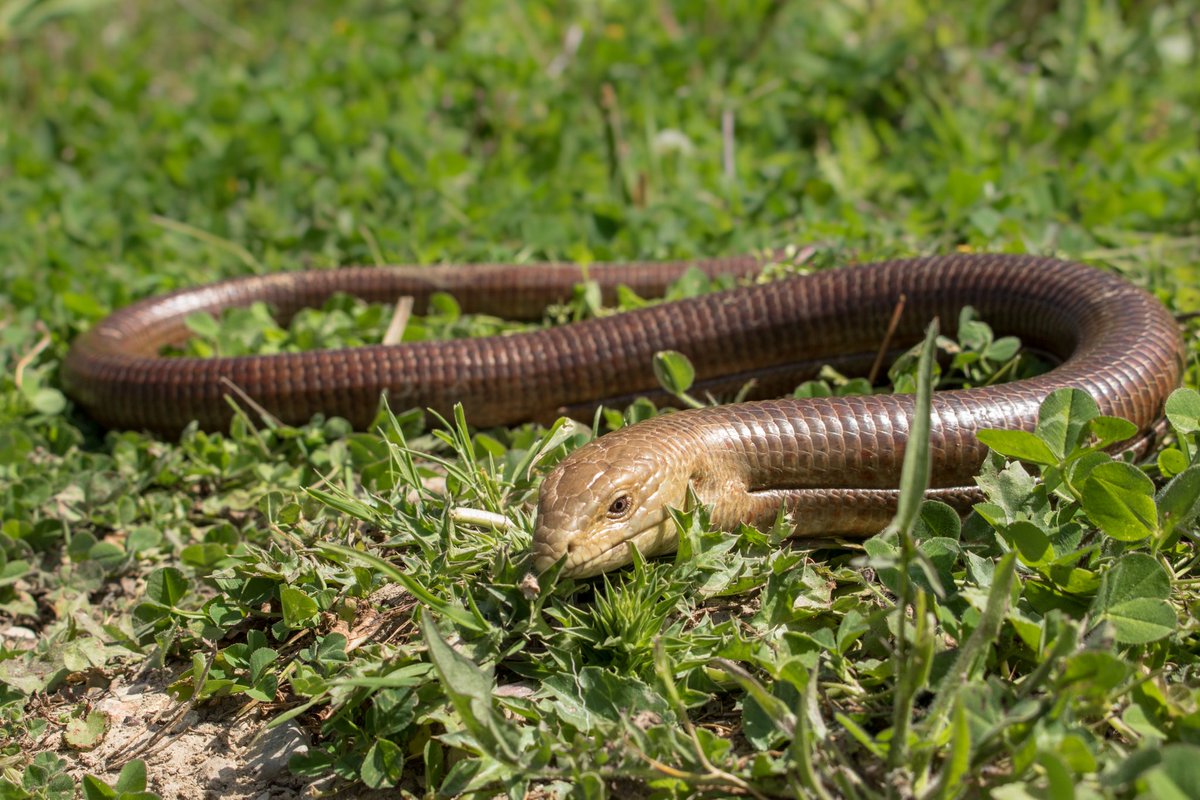
About the #Scheltopusik #Pseudopus #apodus (#Anguidae, #Squamata), a snake-like lizard with only tiny stubby hind legs, related to the European #slowworm. About factors that generally favor growth in size in vertebrates and about insights into the extinct related species #Pseudopus #pannonicus and its taxonomy.
It is understandable that the loss of legs results in an increase in length, as otherwise meandering movements might be inefficient. The related slowworm Anguis fragilis reaches a length of around 58 cm and is therefore longer, but not necessarily more moderate, than many lizards of the Lacertidae with fully developed limbs. The Scheltopusik is significantly longer and also more massive at around 1.4 m long. The question of the reasons for this size acquired through evolution represents a generally not always satisfactorily understood problem for evolutionary biologists.
#Growth in size is a result of #evolution and has arisen gradually. It was important that there was a #selectiveadvantage in each phase. This means that #environmentalfactors favor larger individuals in a population, so that they reproduce more frequently than smaller conspecifics. Possible factors that promote height growth: #Climate, island situation, competitive pressure, food supply or number of predators can play a role. But there are other factors that limit the maximum possible size. The skeletal structure must remain stable. Organs and blood vessels must continue to function physiologically and morphologically. In particular, the energy supply must remain secure, which means that enough oxygen must be transported to the tissues via the blood vessels. Therefore, more large species could evolve in vertebrates under tropical/ subtropical conditions in prehistoric times, since there was an increased partial pressure of oxygen. Something like that might have been important, e.g., in the evolution of a rather striking #size in the extinct P. pannonicus. The biology of the modern scheltopusik might at least generally resemble the unknown one of P. pannonicus.
The scheltopusik is widespread from the Balkan Peninsula to Central Asia and prefers loose, warm substrate with a certain amount of moisture and sufficient hiding places. As a diurnal animal with wide, strong teeth, it catches insects, snails, small mice and young birds. When confronted with attackers, it tries to escape by turning around its longitudinal axis or falls into a state of shock. The females lay up to 12 eggs and apparently care for the brood.
In addition to the Scheltopusik, the genus Pseudopus consists of four other extinct species in Eurasia. The largest of them, Pseudopus pannonicus, reached more than two meters in length and lived in the #UpperCenozoic of Europe.
Pseudopus pannonicus lived from the Lower #Miocene to the Upper #Pleistocene and was widespread from today's central Europe across the Balkans to today's Ukraine. The species was described from Hungary (1911).
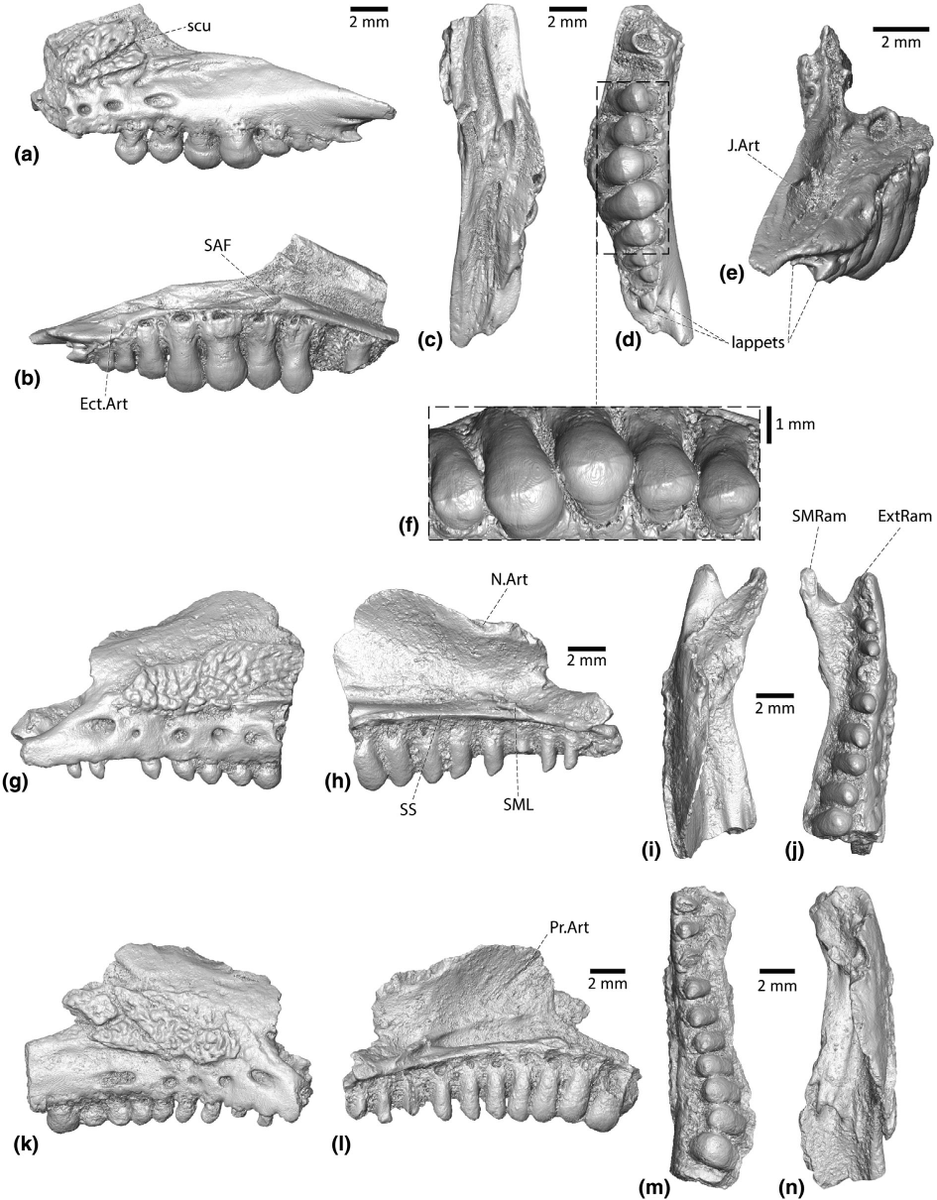
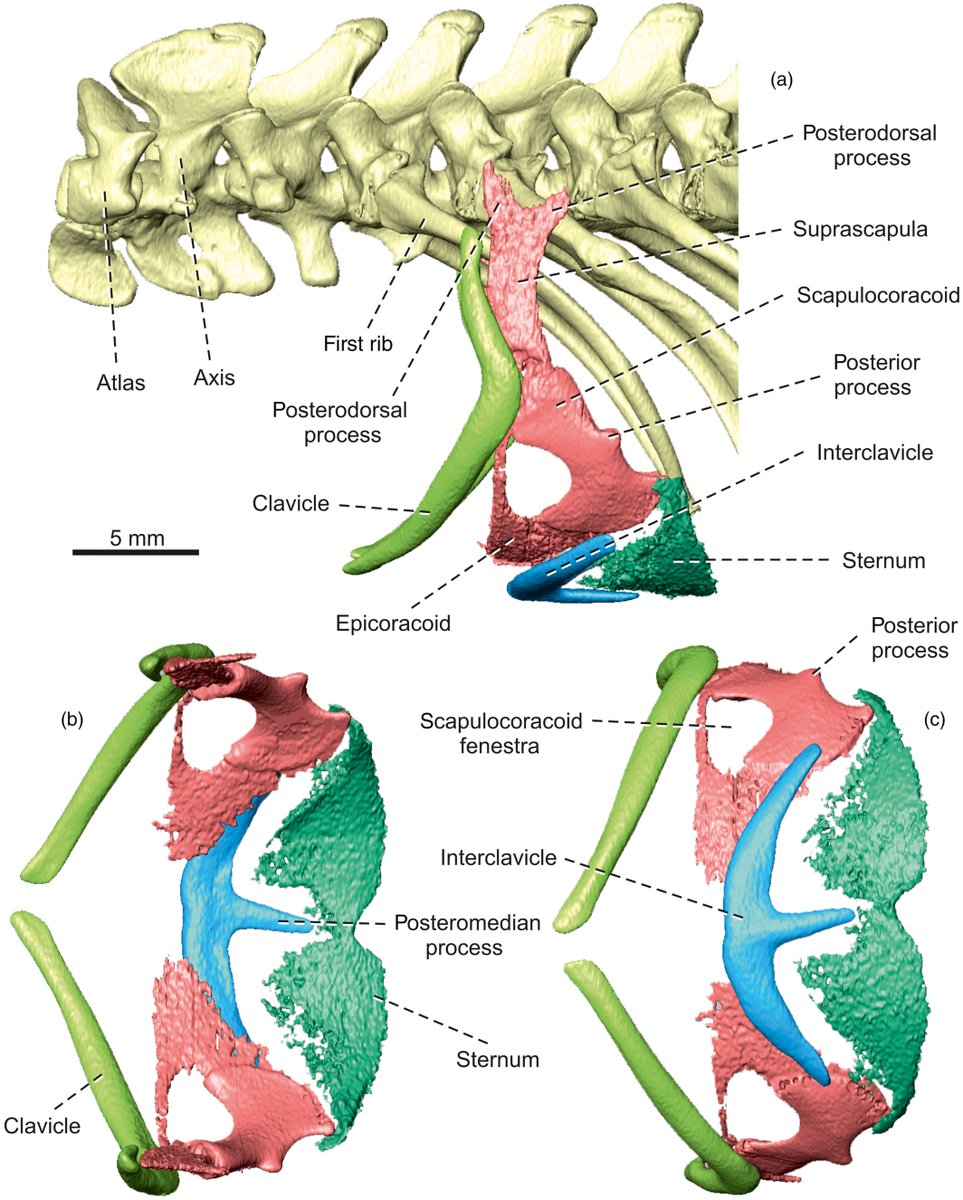
German sites include the Hambach opencast mine or the "Hammerschmiede" in East Allgäu. The latter is being reconstructed in the corresponding times with calcareous soils and a warm climate with seasonally dry phases, interspersed with wetter periods with floodplain landscapes along streams. There could probably have been a higher oxygen partial pressure, but various other still unknown parameters could also have favored the size growth of this species. But its exact biology in an evolutionary context is almost unknown as often in paleontology. And until now it wasn't even clear which finds could be assigned to the species with certainty. The authors E. L'Oréal et al. (2024) used SEM and μCT scanning to re-describe known finds and assigned additional material from Poland and Hungary to the species.
© #StefanFWirth Berlin 2024
Sources
On X:
https://t.co/cAxyfmjvRI
E. L'Oréal et al. (2024):
https://t.co/gxLL8CJDtF
Photo
scheltopusik, Greece 2016, author Konstantinos Kalaentzis, https://t.co/SgxZkQdElG

Pseudopus pannonicus, the largest known anguid lizard from Central Europe, was recently revised. Using high-re imaging, osteology was detailed, their identification updated, & biogeographic implications discussed.
Loréal, @DrGeorgalis et al: https://t.co/Owr8awr7Ls
#FossilFriday

Pseudopus pannonicus, the largest known anguid lizard from Central Europe, was recently revised. Using high-re imaging, osteology was detailed, their identification updated, & biogeographic implications discussed.
Loréal, @DrGeorgalis et al: https://t.co/Owr8awr7Ls
#FossilFriday
Our new paper in @AnatRecord on #Pseudopus pannonicus, the largest known #anguid #lizard. We documented abundant fossil material from Hungary and Poland, using also μCT scanning.
https://t.co/yyaL6esj6C
Special thanks to @NCN_PL for supporting my research

Skeletal of a giant sheltopusik Pseudopus pannonicus.
#paleoart #glasslizard #sheltopusik #pseudopus

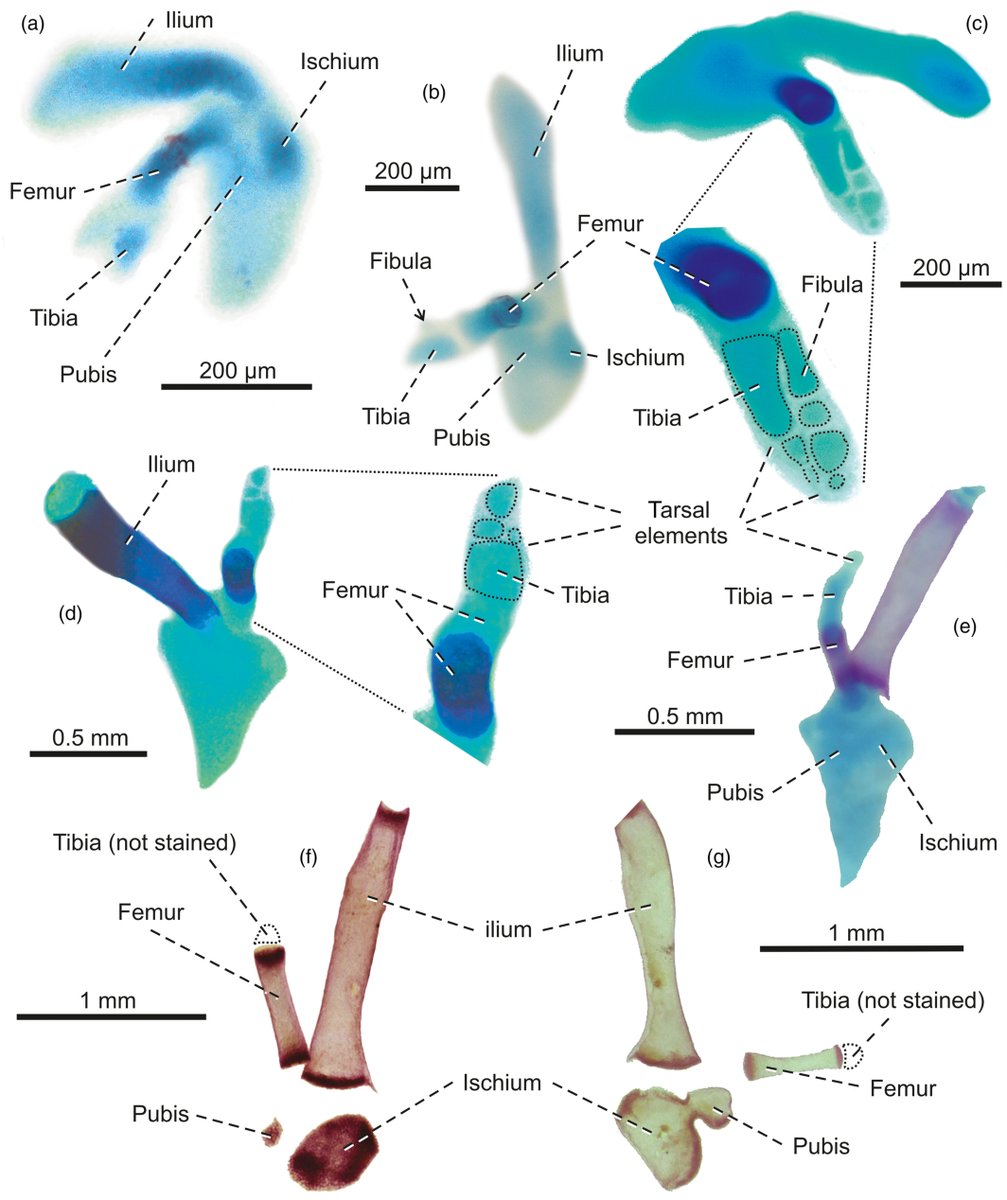
Read about hindlimb limb loss in glass lizards and other related taxa (Anguinae) by Jozef Klembara et al.:
https://t.co/4lhduHaD0m
#anatomy #lizard #lizards #anguidae #hindlimb #development #ontogeny #limbloss #morphology #pseudopus #osteology
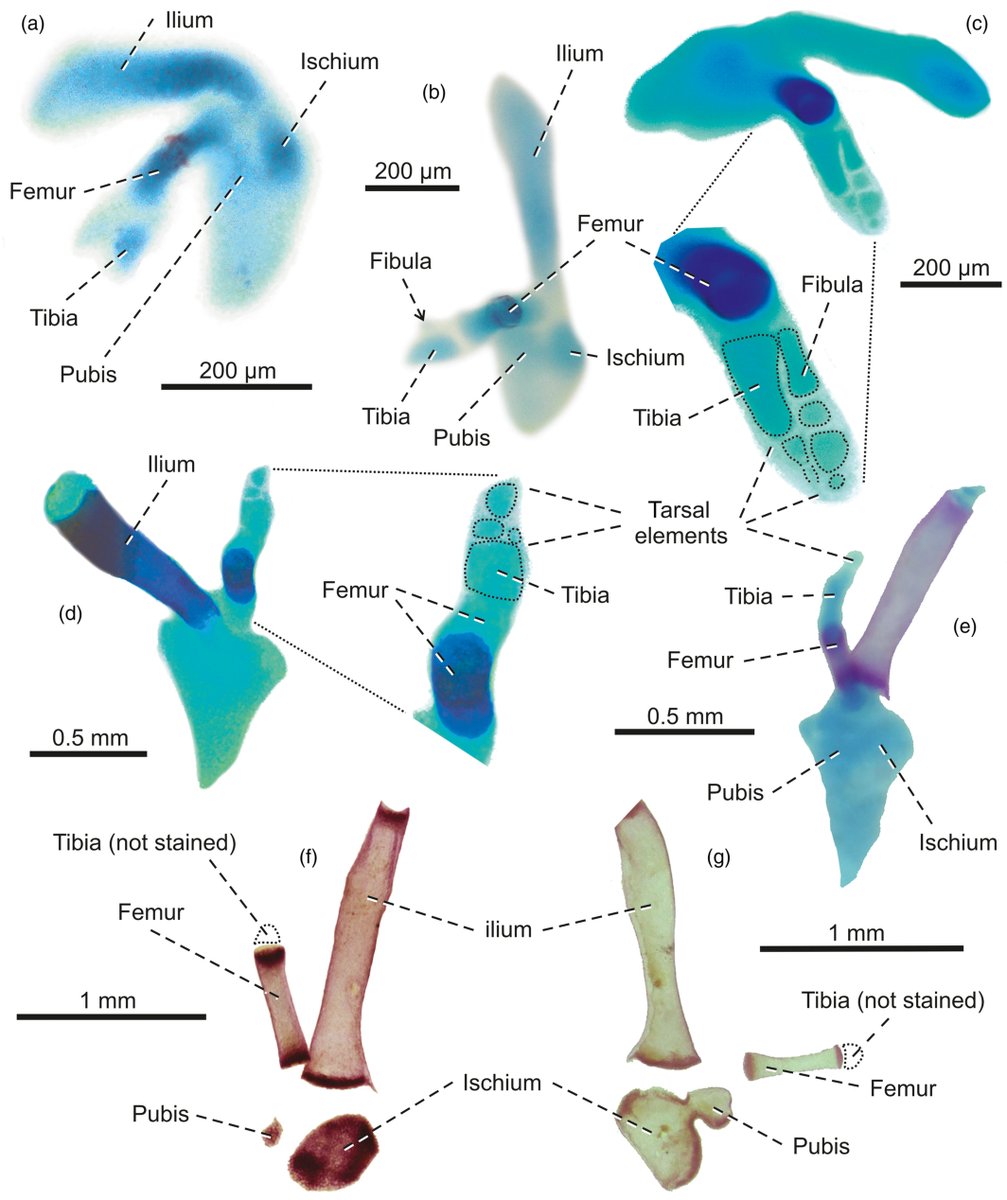
New research on hindlimb limb loss in glass lizards and other related taxa (Anguinae) by Jozef Klembara et al.:
https://t.co/SfDwudNXaO
#anatomy #lizard #lizards #anguidae #hindlimb #development #ontogeny #limbloss #morphology #pseudopus #osteology


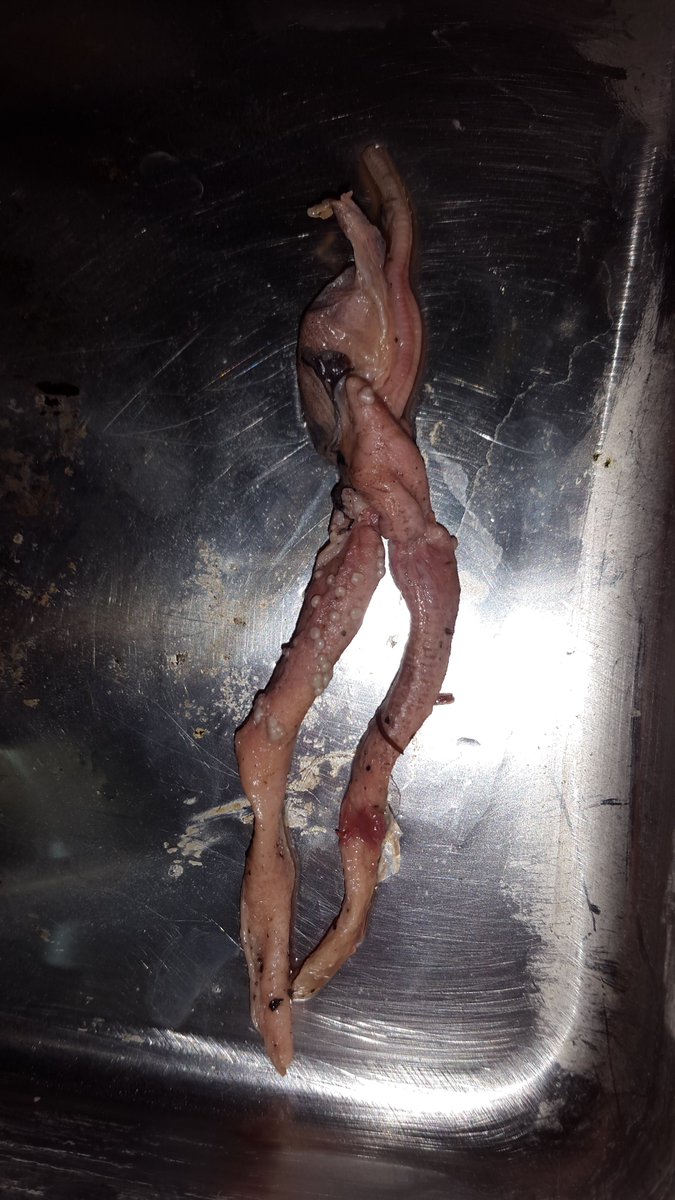
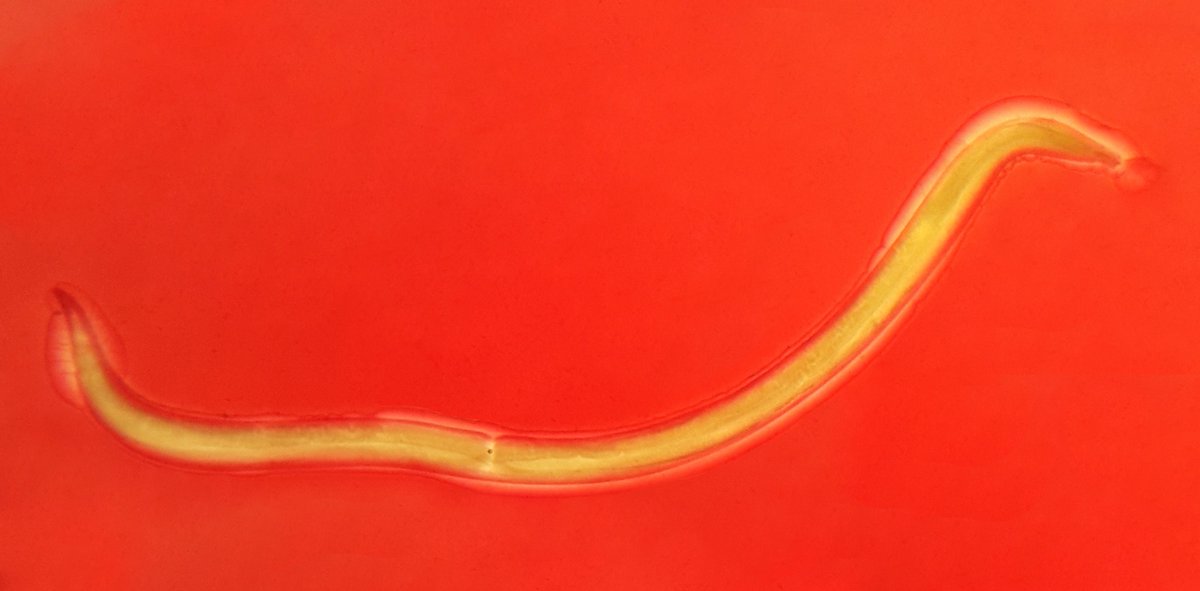
While road influences on wildlife are a truly global concern with a large socio-economic cost, few researches in Iran have been quantified road-kill occurrence on highways. #Abbreviata kazakhstanica in a road kill #Pseudopus apodus in gilan province.


Last Seen Hashtags on Sotwe
Trends for you
Most Popular Users

Elon Musk 
@elonmusk
241.7M followers

Barack Obama
@barackobama
119M followers

Cristiano Ronaldo
@cristiano
114.4M followers

Donald J. Trump
@realdonaldtrump
111.8M followers

Narendra Modi
@narendramodi
107.2M followers

Rihanna
@rihanna
98.7M followers

NASA
@nasa
92.4M followers

Justin Bieber
@justinbieber
91.8M followers

KATY PERRY
@katyperry
90M followers

Taylor Swift
@taylorswift13
83.9M followers

Lady Gaga
@ladygaga
75.4M followers

Virat Kohli
@imvkohli
73.3M followers

Kim Kardashian
@kimkardashian
70.9M followers

YouTube
@youtube
68.8M followers

Neymar Jr
@neymarjr
66.3M followers

Bill Gates
@billgates
65.1M followers

Selena Gomez
@selenagomez
63M followers

The Ellen Show
@theellenshow
62.3M followers

CNN
@cnn
61.8M followers

X
@x
60.7M followers