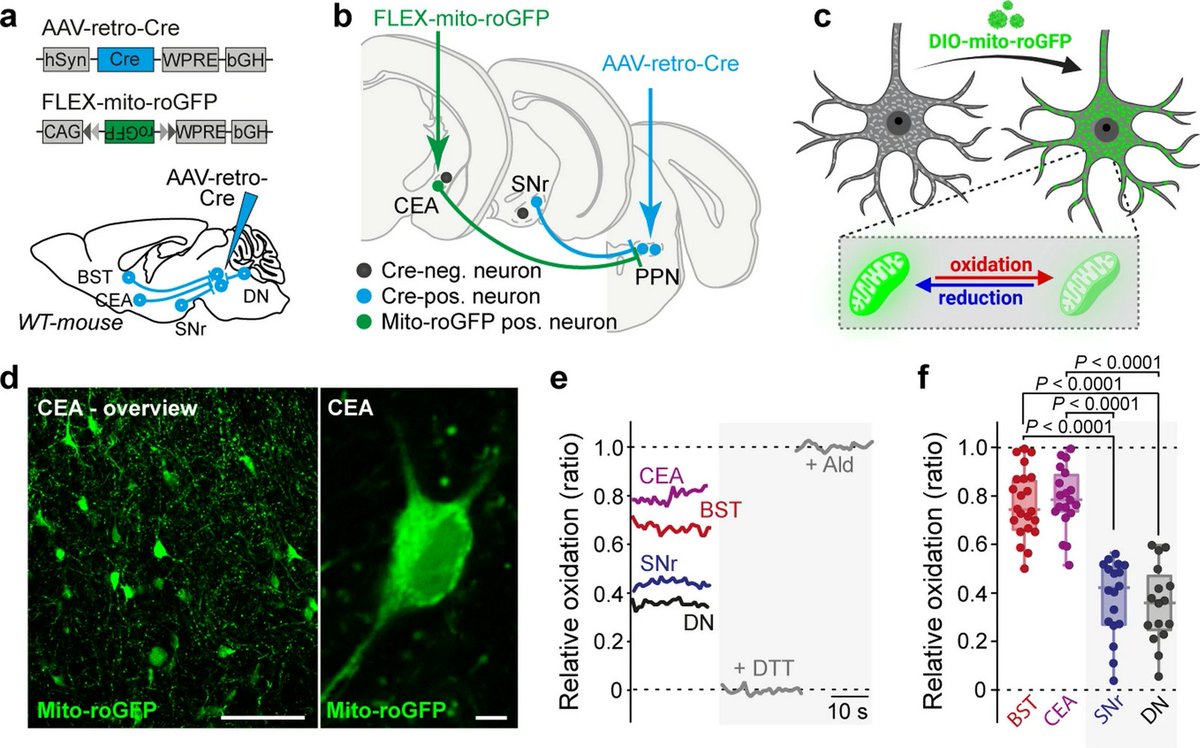
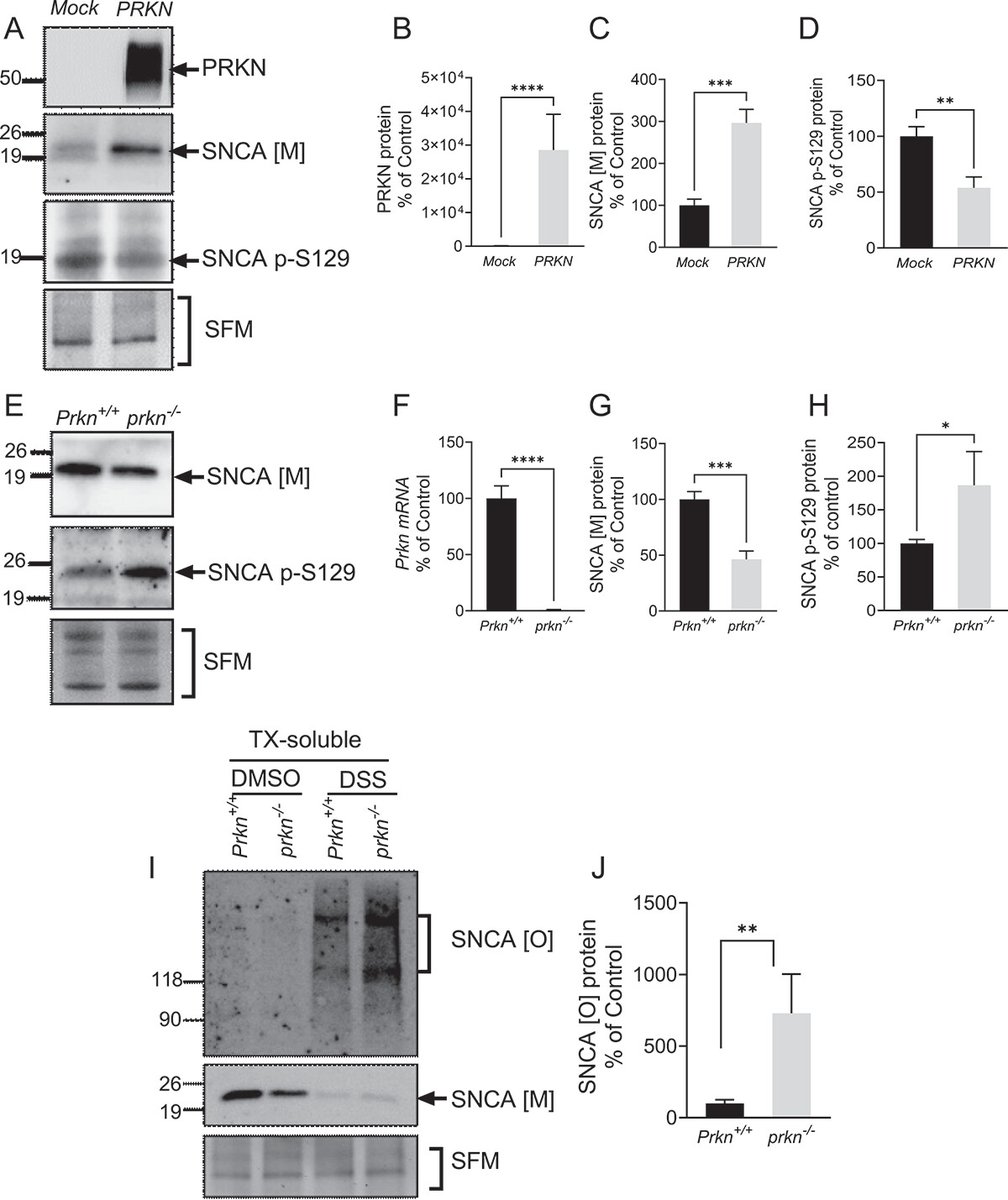
New research reports that "PRKN controls both direct & indirect (GBA1-dependent) transcriptional regulation of SNCA" in cellular, mice models & #Parkinsons-affected brains
https://t.co/pwg6lz8mmo
So happy to share with you that our work on the contribution of c-Abl-RIPK3 axis in mitocondrial dysfunction and mitophagy dysregulation got published!
https://t.co/chjb9M8qyY
Researchers report that TMBIM6 (an anti-apoptotic ER protein) enhances dopaminergic neuron survival by modulating the IRE1a pathway in models of #Parkinsons; TMBIM6 protein levels are elevated in postmortem PD substantia nigra
https://t.co/NaXdN4lOij
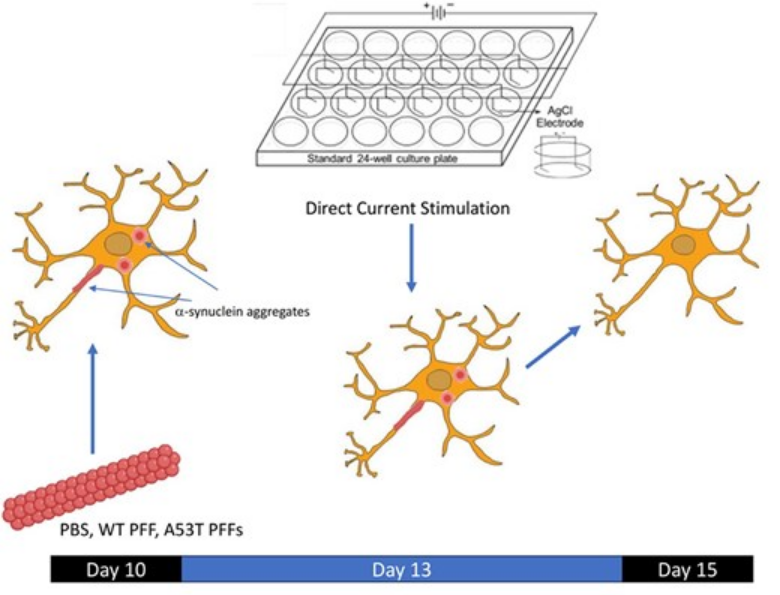
New data finds that direct current stimulation time dependently reduces alpha-synuclein accumulation (phosphorylated & aggregate forms) within neurons & increased neuronal viability; Implications for DBS in #Parkinsons?
https://t.co/yRfZOYhedC
Why does motor coordination keep improving into adulthood? It’s a "cellular handoff"! A new study reveals that star-shaped astrocytes take over GABA regulation in the cerebellum during late adolescence, unlocking the precise, flexible movements of adult agility. https://t.co/ak4NFHsMXq
#Neuroscience #BrainResearch #Astrocytes #MotorSkills #Cerebellum #Biology #HumanDevelopment #ScienceTwitter
I have always been interested in KCC2 and the chloride reversal potential, and this paper shows how it can contribute to in vivo behavioral function. https://t.co/GPZhlHbMzx
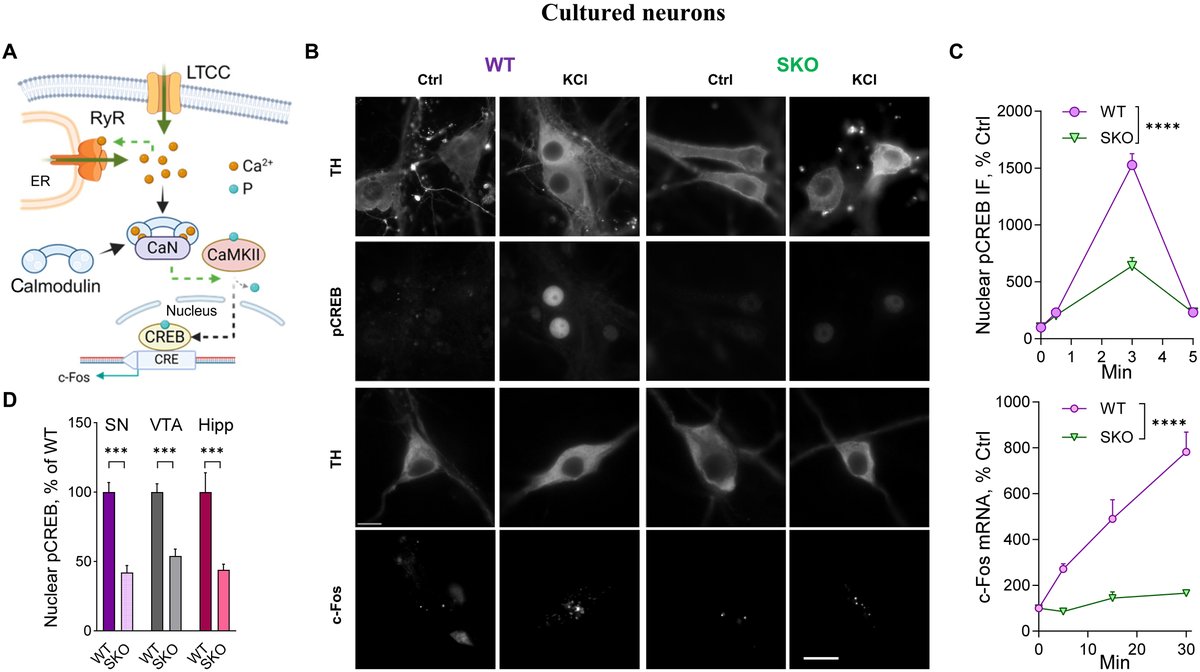
The protein αSyn plays a crucial role in neurotransmission by modulating L-type calcium channel activity in neurons. αSyn deficiency reduces channel activity, compromising dopamine release in the midbrain and synaptic plasticity in the hippocampus. https://t.co/8Gz86FmCVk
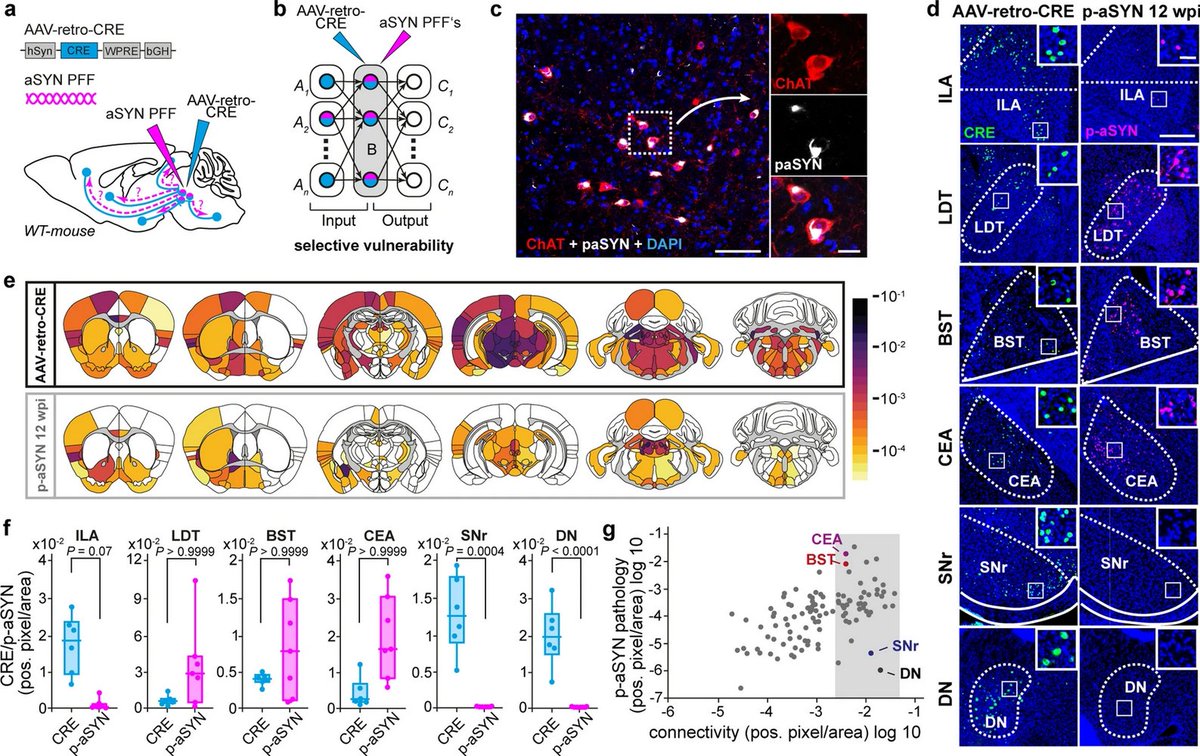
New paper mapping cellular vulnerability to #Parkinsons-associated a-synuclein in mice finds"αSyn path. propagates along anatomical pathways, but cell-autonomous factors determine if a neuron exposed to misfolded αSyn will develop Lewy-like path. or not"
https://t.co/BM1UDbTlQ8
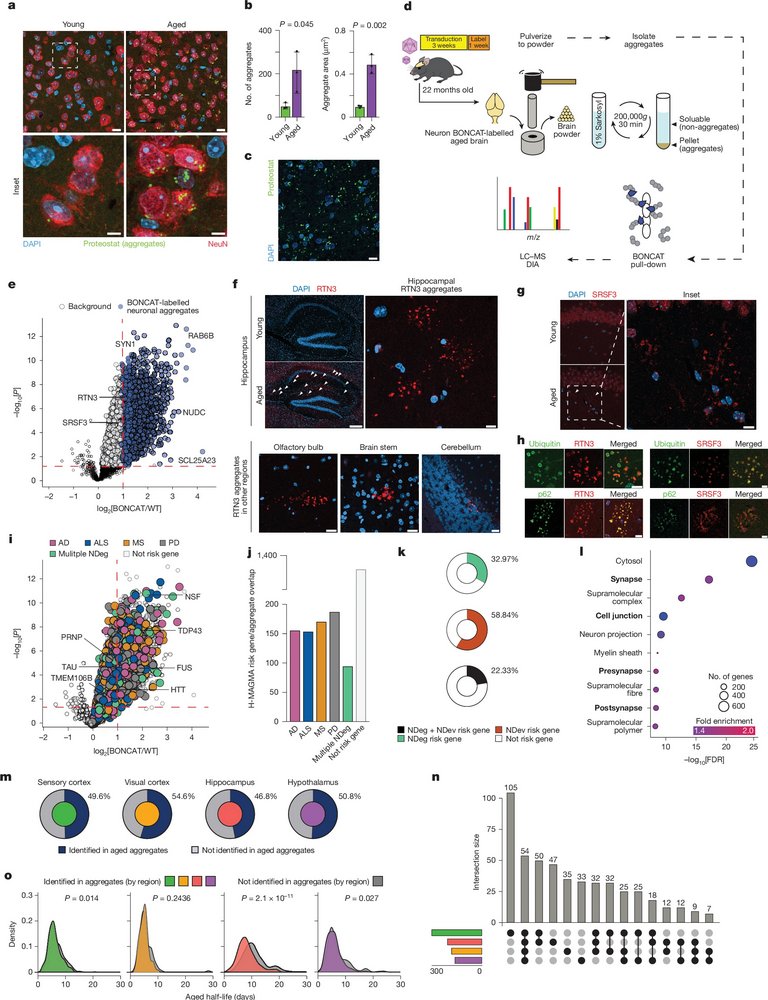
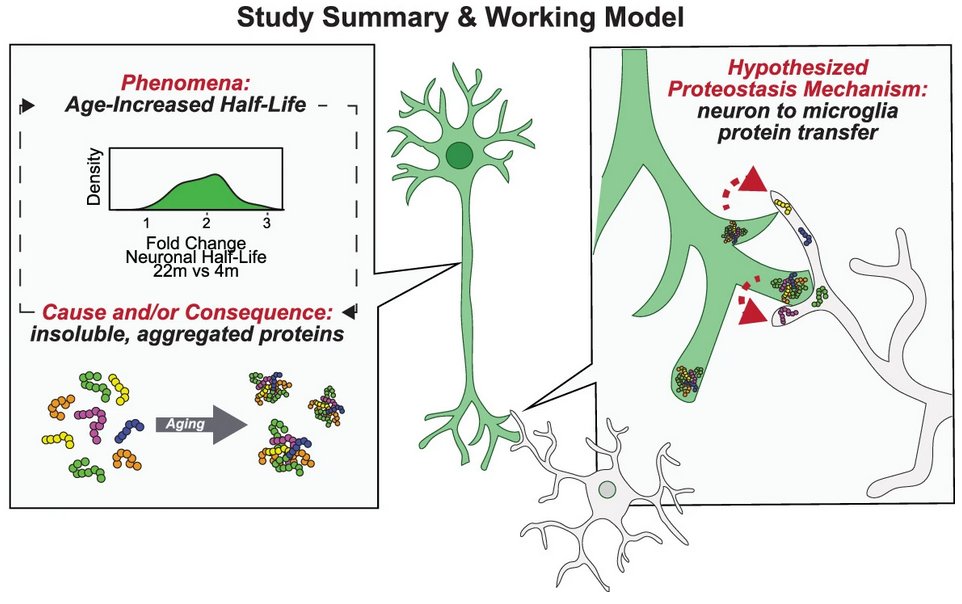
New research from @wysscoray et al explores the influence of ageing on degrading synaptic proteins; Neuronal protein half-life approx. doubles between 4 months & 24 months of age in mice; It also accumulates in aged microglia, 54% reduction in degradation
https://t.co/tUHmxccr0F
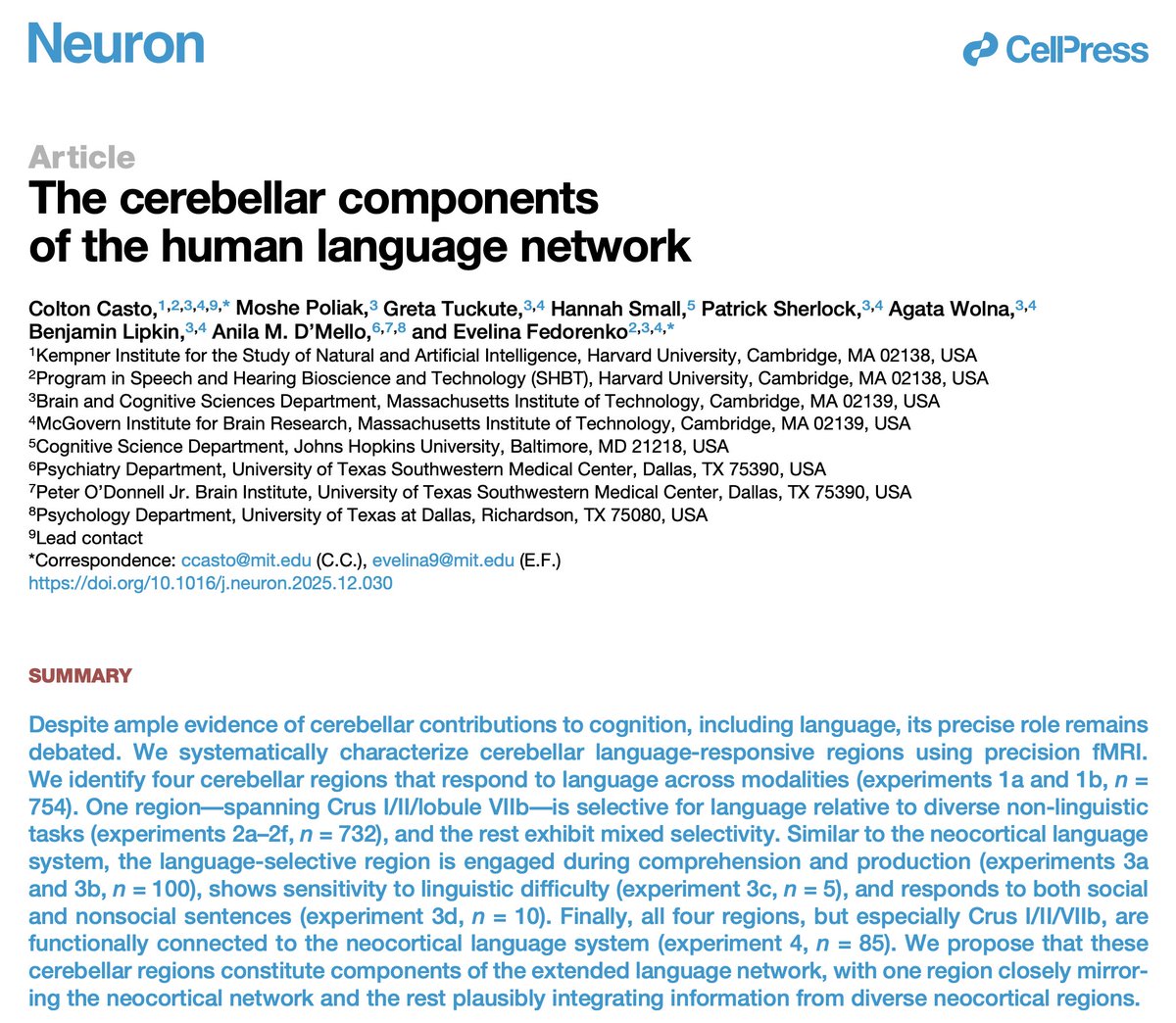
The cerebellum supports high-level language?? Now out in @NeuroCellPress, we systematically examined language-responsive areas of the cerebellum using precision fMRI and identified a *cerebellar satellite* of the neocortical language network!
https://t.co/Q1Ia076kdv
1/n🧵👇
I am excited to share our new paper, where we developed and used a new approach that allows us to dynamically monitor autophagy in the intact mouse brain! https://t.co/AHTspCd5mU
If you're tired of AI and stuff...we published CRISPR-based protocols that you can actually use to delete alpha-synuclein (~100% efficiency) or knock it into endogenous locus (~53% eff) in cultured neurons: https://t.co/zRMfcIAd78
Cytokine-induced reprogramming of human macrophages toward Alzheimer’s disease-relevant molecular and cellular phenotypes in vitro https://t.co/bwl4SjONJD