Public Access TV exists because community organizers like George Stoney fought to make sure that cable companies getting rich off public infrastructure (cable lines were laid using tax money) would have to fund community media. There is no such accomodation for the Internet.
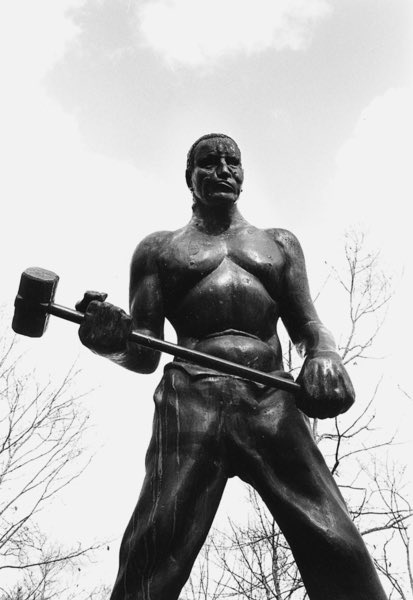
if anyone knows a good expert in American folklore, especially working class figures like Paul Bunyan or John Henry, I need an interviewee for somethin’
Everything falls apart if you just shimmer and do nothing else in this world ✨
“Quilts in Women’s Lives” (1981) is an award winning film by Pat Ferraro presenting the lives, art, work and philosophy of ordinary women in the days when few documentaries came from women filmmakers
Check out this incredible storymap that @havingfung made for the Rosie The Riveter National Park in Richmond. It really looks amazing. @RosieRiveterNPS
https://t.co/ba3YlfSMcH
Getting ready for some fun folklore chatting tonight! I’m gonna be streaming The Sims with @heydomt and @ShirleyKShields and would love to see friends and colleagues there! Lurkers welcome ❤️👀 #TheSims4
Ethics in fieldwork prevents folklorists from doing ethnographic studies of groups with negative politics/values, we don't condone infiltration. But there are other tactics in the field of folklore. Mieder’s paper is a good example of textual analysis #afsam20#folklore
TLDR: Use the conversion on purpleair to make the numbers accurate or look at the table of measurements on baaqmd rather than the map https://t.co/ypRbximqIO
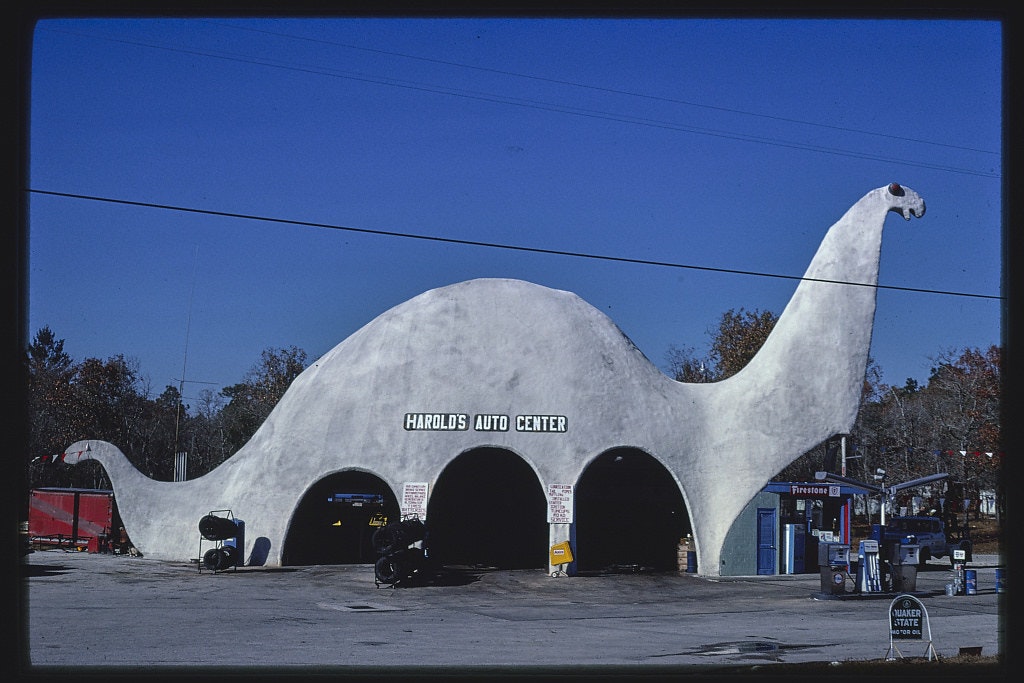
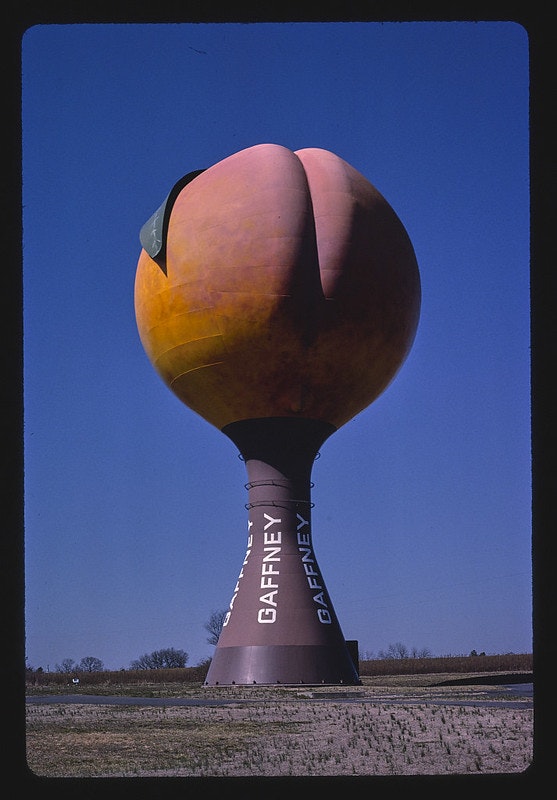
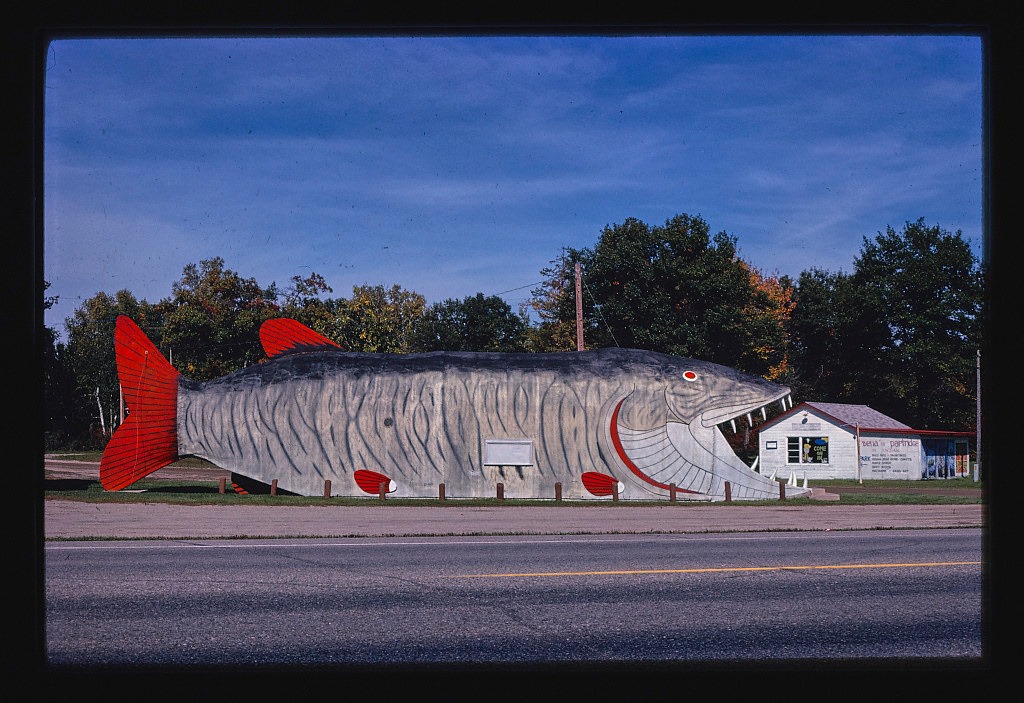
From 1969 to 2008 John Margolies photographed the eccentric roadside architecture and ephemera of the US. @librarycongress bought the lot, a total of 11,710 colour slides, and lifted all copyright restrictions on them. Here's our highlights: https://t.co/uLlG0hLSbn
I don’t know what the answer is, but before sharing traumatic imagery it’s essential to consider who is hosting the content, how it is framed and the impact it may have.
Leigh Raiford wrote about the complex history of photos that depict violence against Black people. At times the same horrific images that were used as tools of oppression were used to advocate for antilynching legislation and civil rights.
https://t.co/6Cll1sfYqE
Black activists’ use of painful imagery shows the power of photography and the importance of context. Raiford’s book is great for anyone working through the moral implications of sharing/not sharing images of violence. (Excerpts below are from Imprisoned in a Luminous Glare)