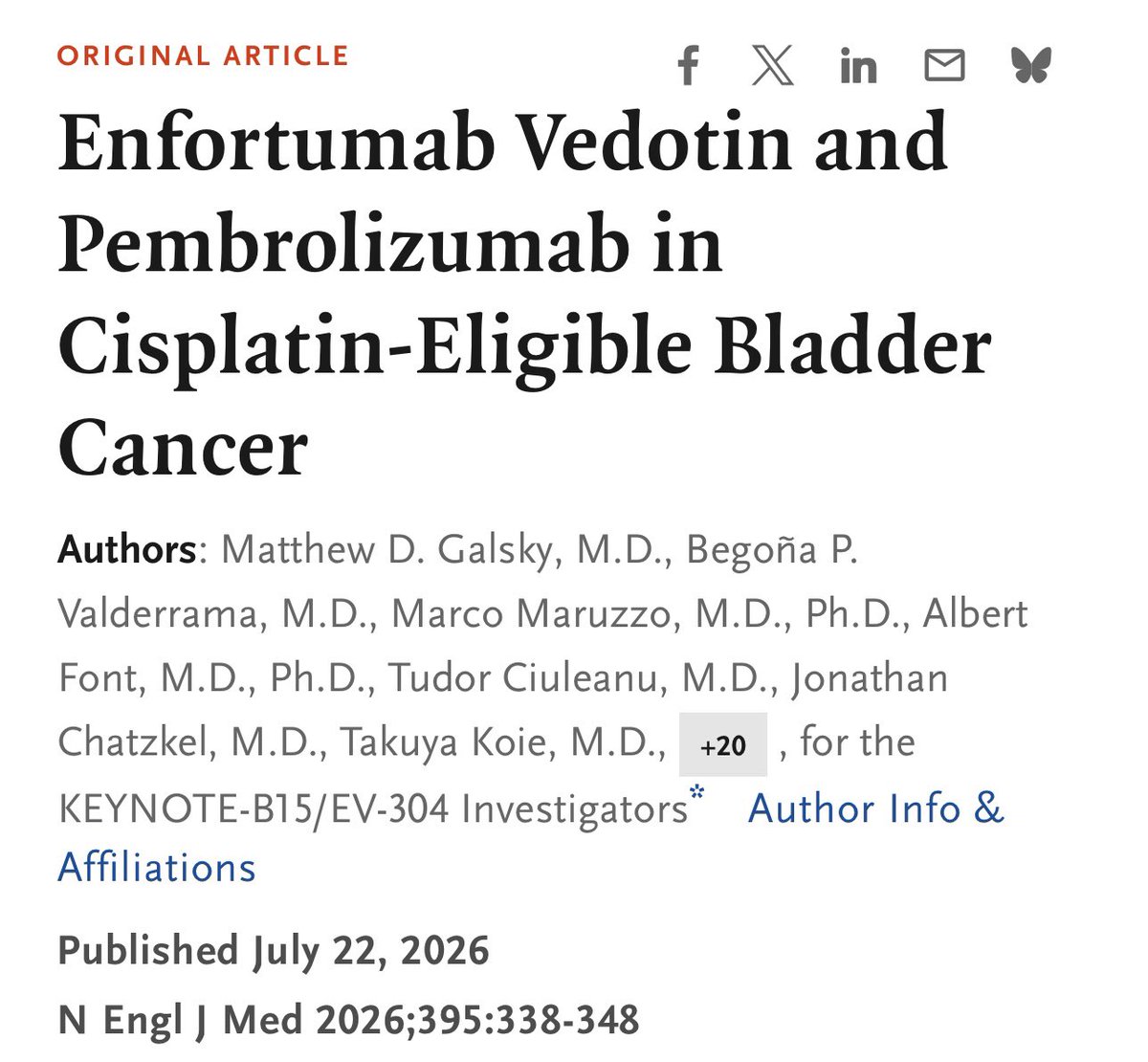
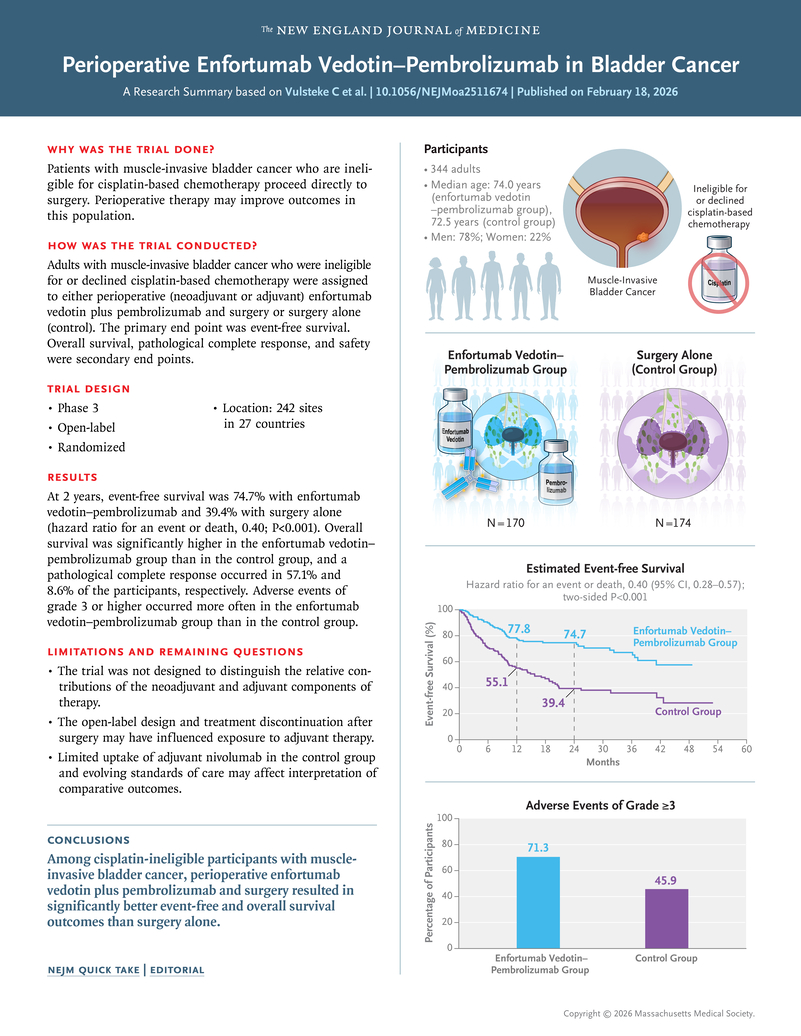
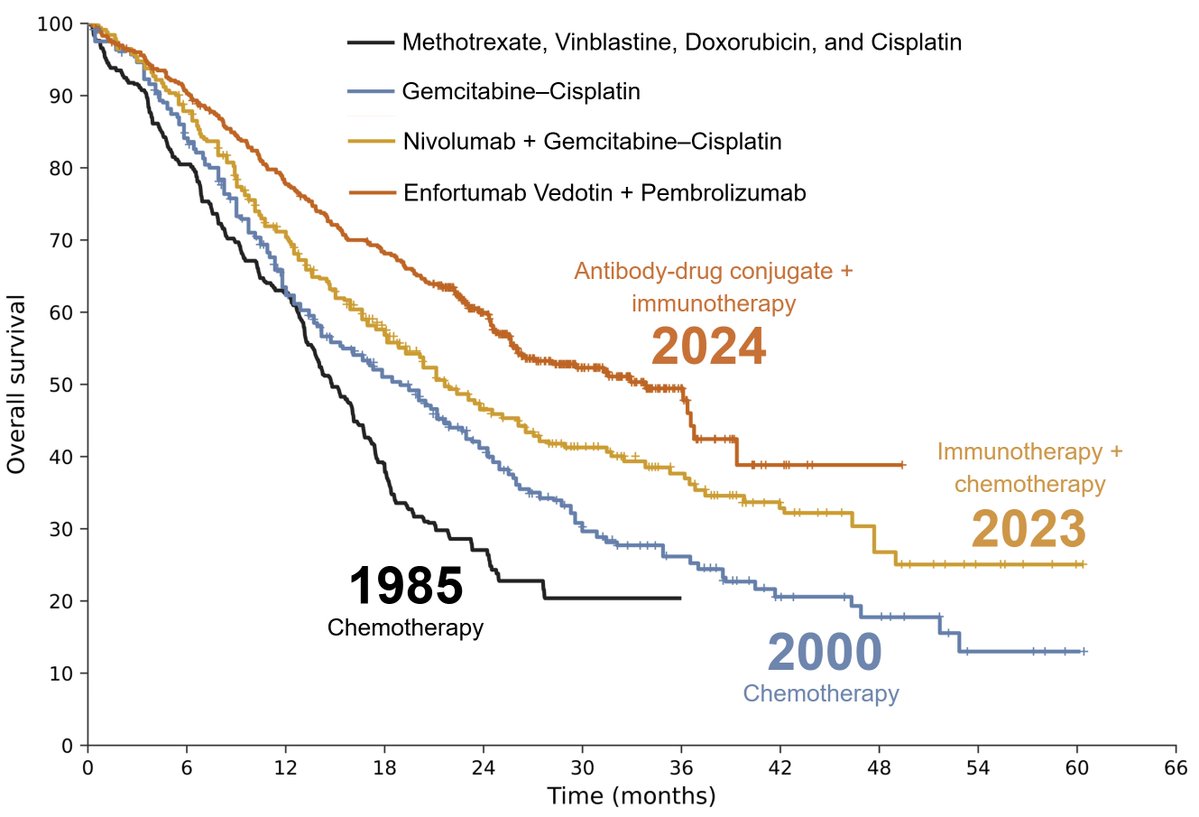
Enfortumab Vedotin & pembrolizumab beating platinum based neoadjuvant chemo (⬆️CR, ⬆️ EFS & ⬆️ OS) in muscle invasive bladder cancer @NEJM@mattgalsky@Uro_Oncologist . Every EV RIII study to date has ⬆️ OS vs SOC. Matt Galsky discontinues the Galsky criteria in MIBC, giving ⬆️ patients ⬆️ outcomes @OncoAlert https://t.co/sgPvwgT9BV
🎙️ 500 episodes. Countless conversations. One incredible community.
Thank you to every guest, listener, and supporter who has helped make #Uromigos a trusted voice in GU oncology. Here's to the next 500.
Listen to Episode 500:
Apple: https://t.co/dRVjZ9Ruwe
Spotify: https://t.co/ACCNEKCKUo
GU Oncology Now: https://t.co/YgfNvOjiAB
#GUOnc #Oncology #Episode500
/4 The genomics point toward where targeted therapy is heading.
Micropapillary, ERBB2/FGFR3 alterations. Sarcomatoid and squamous, high PD-L1, immune checkpoint activity. Plasmacytoid, high Nectin-4 despite chemoresistance. Small cell, DLL3 as an emerging target.
Congratulations @tompowles1@Annals_Oncology
This is a testament to your leadership and the editorial boards elevating the journal to such great heights!
⚡️ INDIBLADE in Nature Medicine: induction ipilimumab + nivolumab followed by chemoradiotherapy in stage II/III MIBC.
Encouraging bladder-intact EFS and OS outcomes. ctDNA clearance after induction immunotherapy emerged as a strong predictor of response.
Bladder preservation with systemic induction — the field is moving fast.
https://t.co/qTFOMua0cu
#BladderCancer
⚡️ On @EUplatinum - ctDNA positivity in high-grade pT1 urothelial bladder cancer predicts significantly shorter OS, independently of clinical risk group, age, or sex.
A new prognostic layer beyond current staging — detected with a urine-based somatic mutation test.
https://t.co/d852GXJvKt
#BladderCancer
The OncoAlert🚨 GU faculty’s TOP 10 abstracts In GU Oncology for #ASCO26 are here — selected by our leads and finalized through a Delphi voting process with our senior GU cancer experts across #ProstateCancer#KidneyCancer#BladderCancer .
A snapshot of what will shape GU oncology at #ASCO26 👇
1️⃣ LBA5007 — TALAPRO-3
Talazoparib + enzalutamide vs placebo + enzalutamide in mCSPC with HRR alterations
2️⃣ LBA1 — PROTEUS
Perioperative apalutamide + ADT vs ADT in high-risk localized/locally advanced prostate cancer (final Phase 3)
3️⃣ 5001 — ENZAMET genomic analysis
Decipher >0.85 to identify benefit from adding docetaxel to ADT + enzalutamide
4️⃣ LBA4511 — KEYNOTE-564 ctDNA
ctDNA dynamics in RCC treated with adjuvant pembrolizumab vs placebo
5️⃣ 4502 — RAMPART
Durvalumab vs active monitoring after resection in RCC (Phase 3 RCT)
6️⃣ 4500 — RADICAL (A031801)
Radium-223 + cabozantinib in RCC with bone metastases
7️⃣ 4507 — EV-302 long-term follow-up
Enfortumab vedotin + pembrolizumab vs chemotherapy in 1L LA/mUC
8️⃣ 4513 — AMBASSADOR (A031501)
HRQoL with adjuvant pembrolizumab vs observation in high-risk MIBC
9️⃣ 4503 — SAKK 06/19
Perioperative intravesical rBCG + chemo-IO strategy in MIBC (primary analysis)
🔟 4510 — KEYNOTE-905
HRQoL with perioperative enfortumab vedotin + pembrolizumab in cisplatin-ineligible MIBC
Leads
@nataliagandur@scocmem@AmandaNizamMD@WeOncologists
Senior Faculty
@montypal@DrDanielHeng@apolo_andrea@DrChoueiri@PGrivasMDPhD@TiansterZhang@neerajaiims@amerseburger@Silke_Gillessen@tompowles1@AndreaNecchi@cdanicas@AOmlin
Pinging
@crisbergerot@HHammersMD@ravikanesvaran@sonpavde@drenriquegrande@scserendipity1@EfstathiouEleni@BraunMDPhD@brian_rini
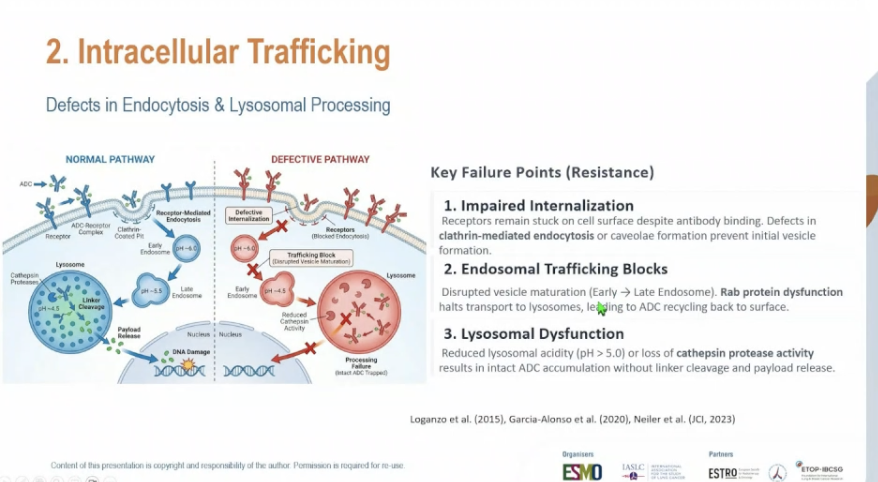
Deprioritization of zelenectide pevedotin (nectin-4/MMAE peptide) has occurred in bladder cancer prior to the randomised phase 3 starting (Duravelo-2: 1st line ZP/pembro vs gem/platinum control). The dose finding phase 2 seemed successful (see below) but regulatory feedback questioned the study design - probably the control arm of platinum chemotherapy. EVP is widely established standard of care making it hard to get combos with similar MOA approved. But Randomised phase 3s with EVP as the control (FORAGER-2: Vepugratinib (FGFR3)) are ongoing. @y_loriot@OncoAlert
⚡️ Advances in localized bladder cancer are reshaping clinical decision-making—from expanding options in BCG-unresponsive NMIBC to the growing role of perioperative immunotherapy and bladder-preserving strategies in MIBC.
Personalization is increasing, but careful patient selection remains key.
#BladderCancer #UroOnc @Nature
https://t.co/tvvtPnOdLC
⚡️Blood and urine ctDNA continue to emerge as promising tools in urothelial bladder cancer, with potential applications in diagnosis, surveillance, prognostic stratification, and treatment monitoring.
Current evidence is strongest in the perioperative MIBC setting, while broader clinical implementation still requires prospective validation.
#BladderCancer
https://t.co/CDFJLjxQZx