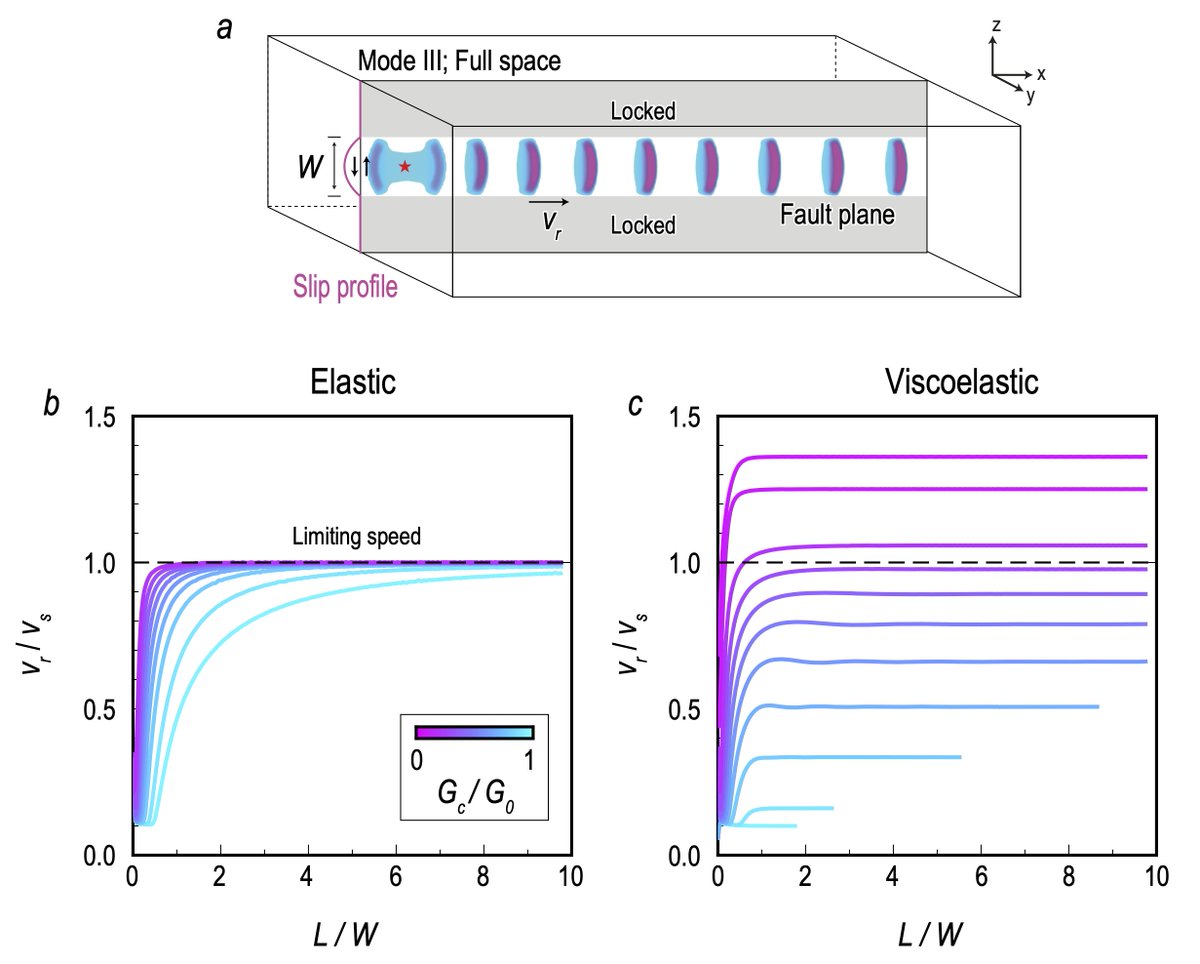
Classical fracture mechanics theory predicts a speed limit that conflicts with recent lab experiments. Here I present a new theory in Kelvin viscoelasticity, revealing continuous terminal speeds from slow slip events to supershear ruptures. My preprint: https://t.co/bQTmjqR2Pz
Published today @ScienceMagazine: Scale-dependent fracture energy as simple explanation for earthquakes observed across all scales with implications for earthquake nucleation & multi-fault rupture cascades with @BeyondTremors@KadekPalgunadi@Prof_QuakeMod
https://t.co/LAHAAJnGBu
How can we assess a fault system's seismic hazard? Our new @NatureComms paper with Faqi Diao, @DocTerremoto, and others shows how combining high-resolution fault coupling with a physics-based model reveals max earthquake potential: https://t.co/EuWrDZfmH5
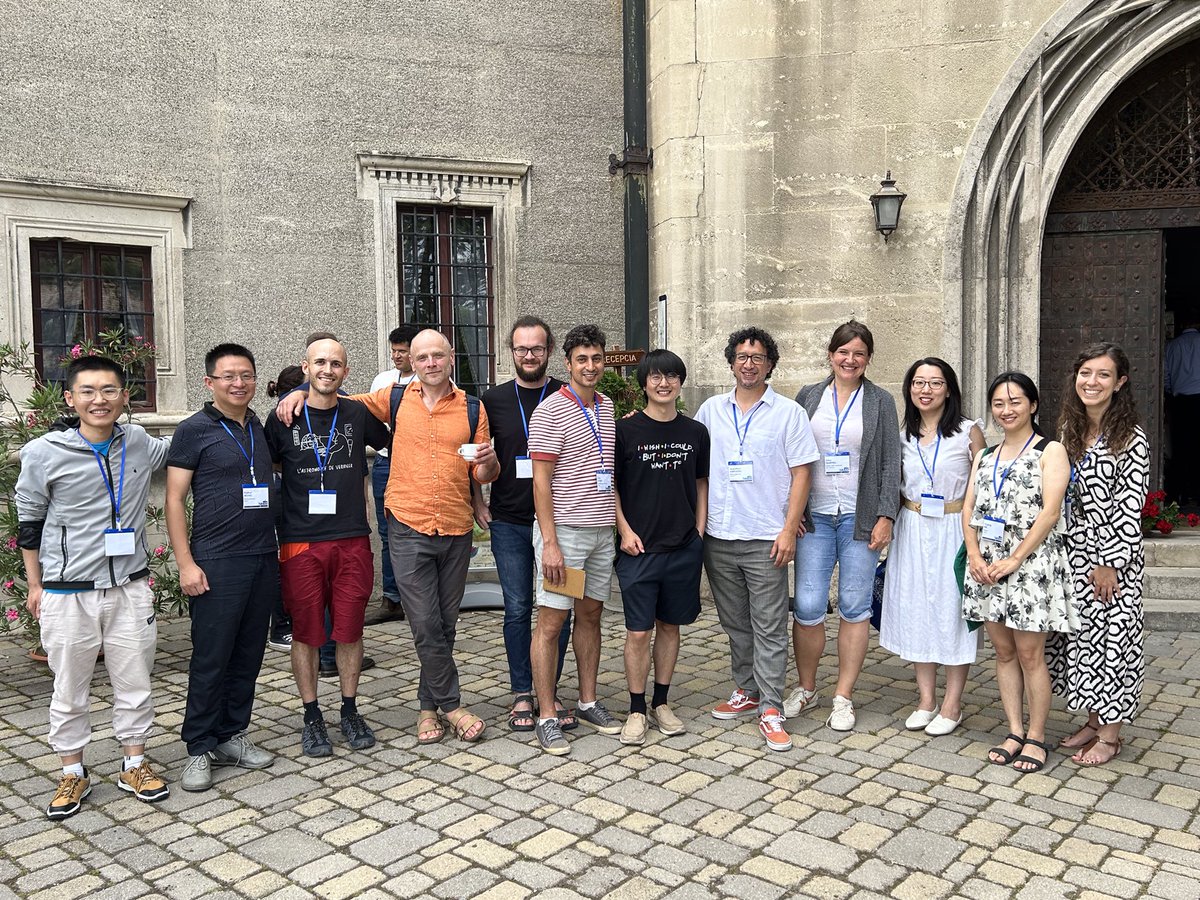
Three generations of the Ampuero family at the NMEM 2024 workshop on Numerical Modeling of Earthquake Motions at Smolenice Castle, Slovakia https://t.co/Rp6DxOaLVz
It was great to see them all advancing earthquake science!
A follow-up analysis by Bletery & Nocquet addresses non-peer-reviewed comments on their Science paper "The precursory phase of large earthquakes" (https://t.co/rHlLO6UOPJ). Reproducible code is provided. The work is undergoing formal peer review. Informal comments are welcome.
We recently started a writing group in the @EQ_Geoazur team. We meet weekly for 2 hours to write together and share tips on scientific writing. In this recorded seminar, I explain my process to write a (collaborative) scientific paper: https://t.co/arayfEzb49
This is the first "regular" paper accepted in Seismica's Special Issue on the 2023 Türkiye/Syria earthquakes. Just a reminder that you can submit your contributions to this SI until February 2024!
See: https://t.co/q49g620prh
I am very honored to receive a @CNRS Silver Medal. Huge thanks to my collaborators, especially current and former students and postdocs who turned ideas into reality. It’s been a long, winding and well-shaken road through earthquake research … and there’s still so much to do!
What is the fundamental relationship between silent earthquakes (slow slip event) and regular ones? A new theory accounting for finite rupture depth gives an insightful answer and can reconcile the current debates. Our @NatureComms paper with @DocTerremoto https://t.co/Yo3wqHrXQx
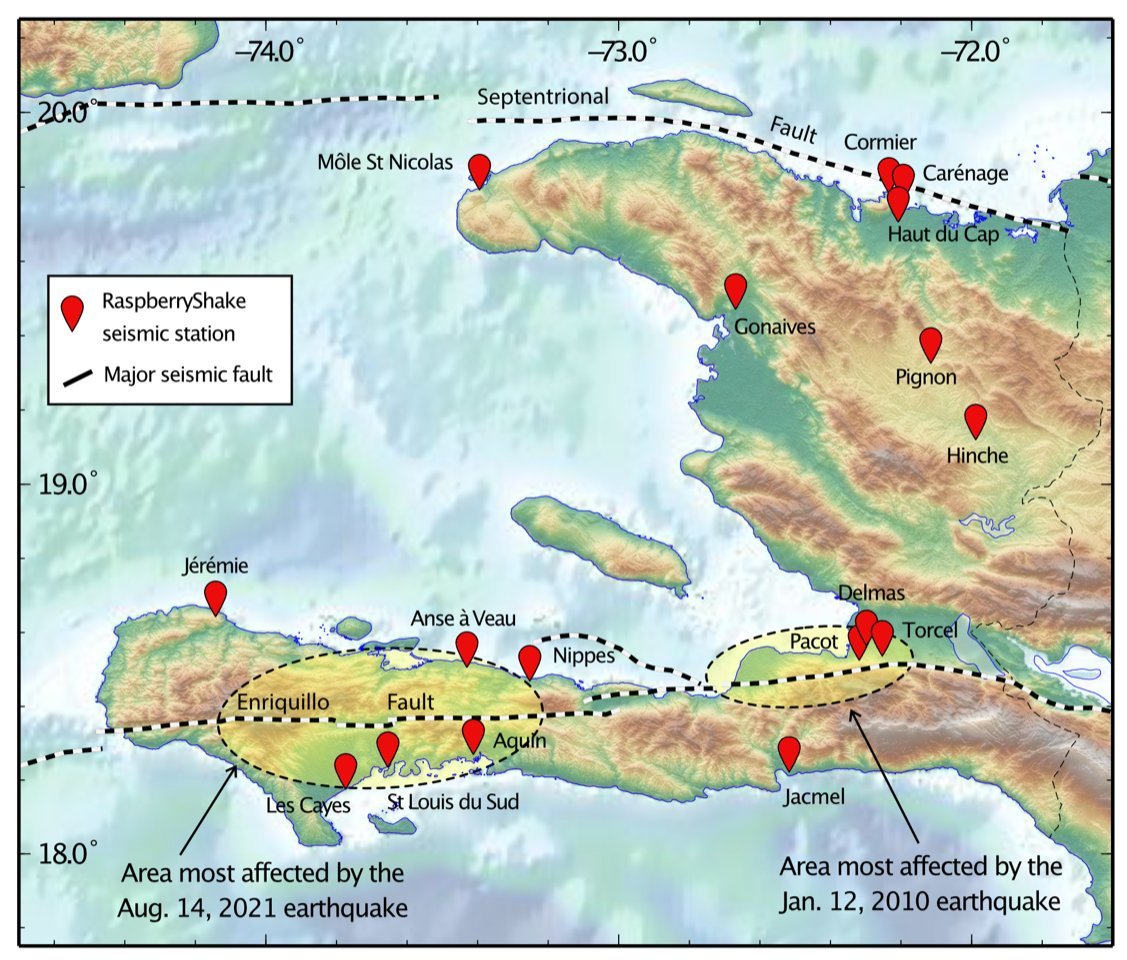
Postdoc opportunity in seismology + machine learning, to develop a Deep Learning algorithm to denoise data from low-cost seismometers and extract information on earthquake processes, with focus on @raspishake sensors in Haiti: https://t.co/qHuzR52V0K
Cats have extraordinary obstacle avoidance abilities
There is also an obstacle memory for the back legs,
It will remember the height of the front foot after lifting the front foot, and then raise the back foot to the same height 1/🧵
https://t.co/oBhW3cvQTZ
Why are supershear earthquakes so rare? We address this question through theory and simulations of earthquake cycles on very long faults. Our new preprint with @DocTerremoto: https://t.co/jjpcvHjatj
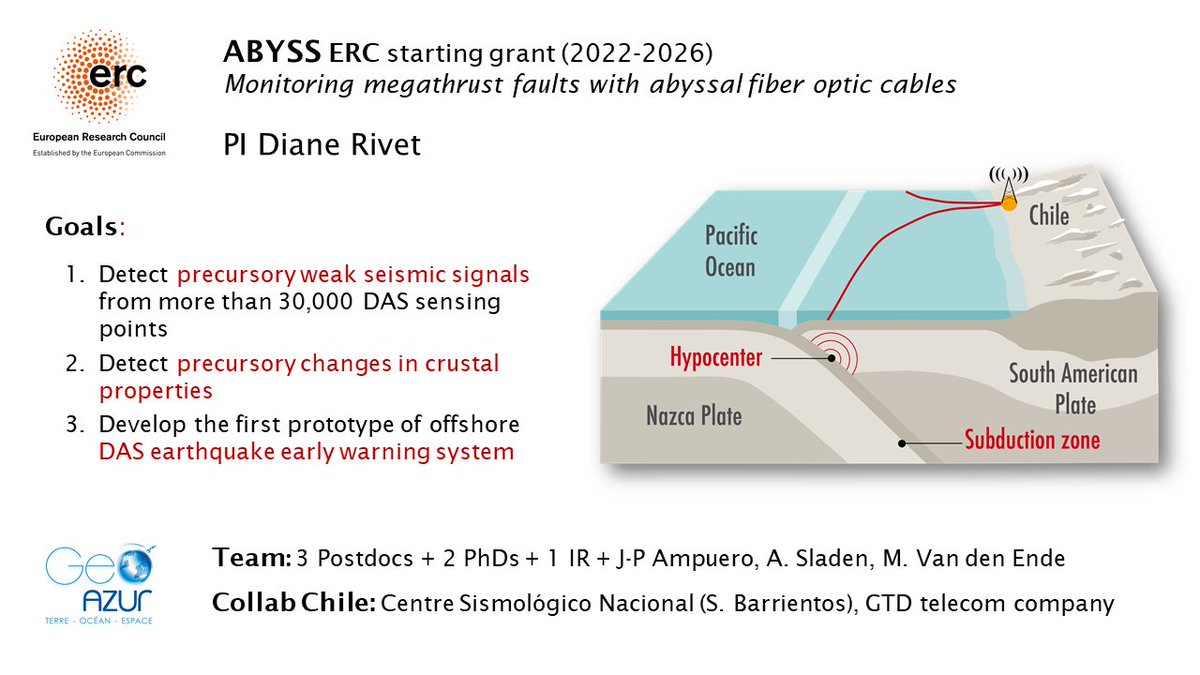
Ready for a PhD in seismology? Join @DianeRivet1's @ERC_Research ABYSS team to image the Chilean margin at high resolution using seafloor DAS data #DistributedAcousticSensing on submarine telecom fiber optic cables.
Apply by June 24 at https://t.co/0UKlSrMbDl
Field experiments in an underground lab probe the hydro-mechanics of a natural fault stimulated by fluid injection: the transient evolution of permeability and friction control slip stability.
New @NatureComms paper by F. Cappa & L. De Barros @EQ_Geoazur https://t.co/uebInMEB4m
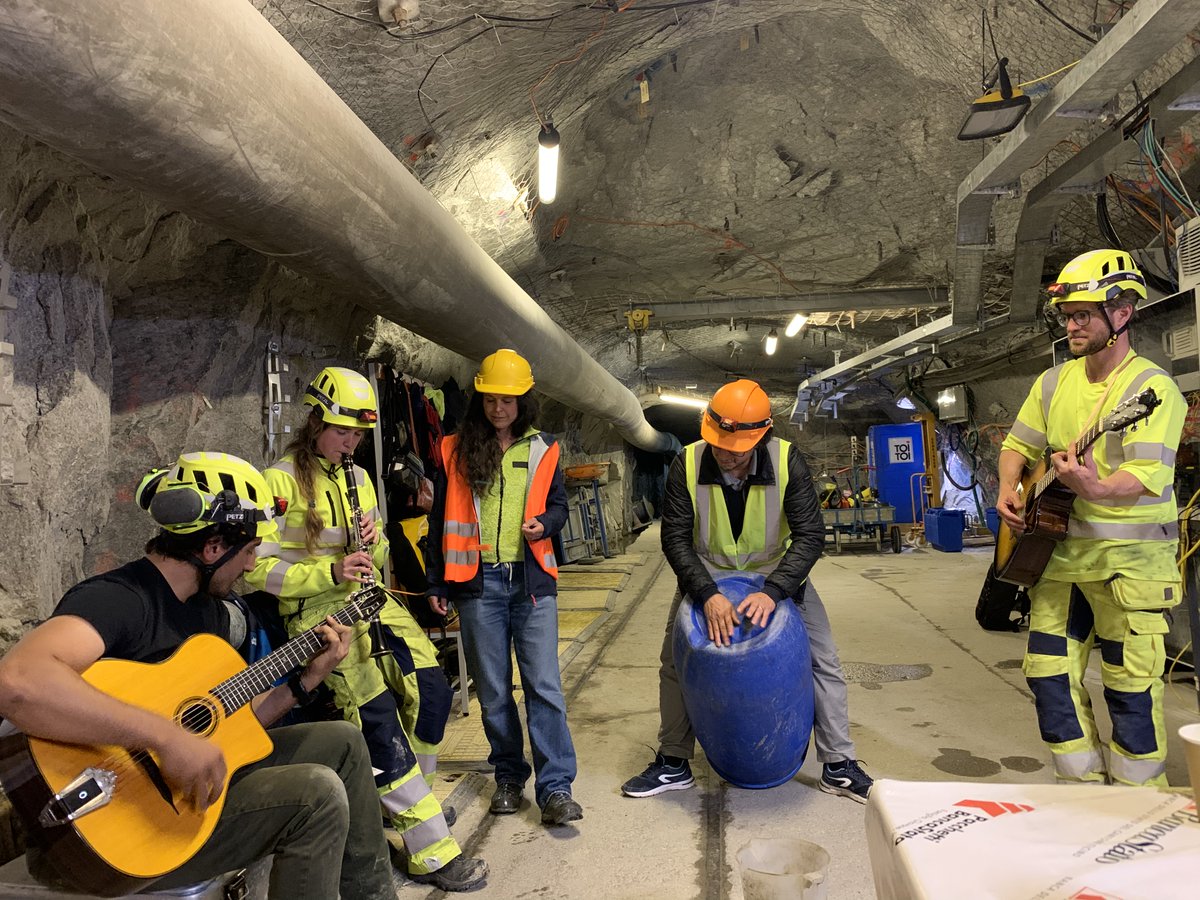
Great atmosphere last week in the Bedretto tunnel where the FEAR project team plans to induce controlled microseismicity to study earthquake processes.
Pic: the improvised FEAR band led by @seismotologist testing broadband acoustic induction!