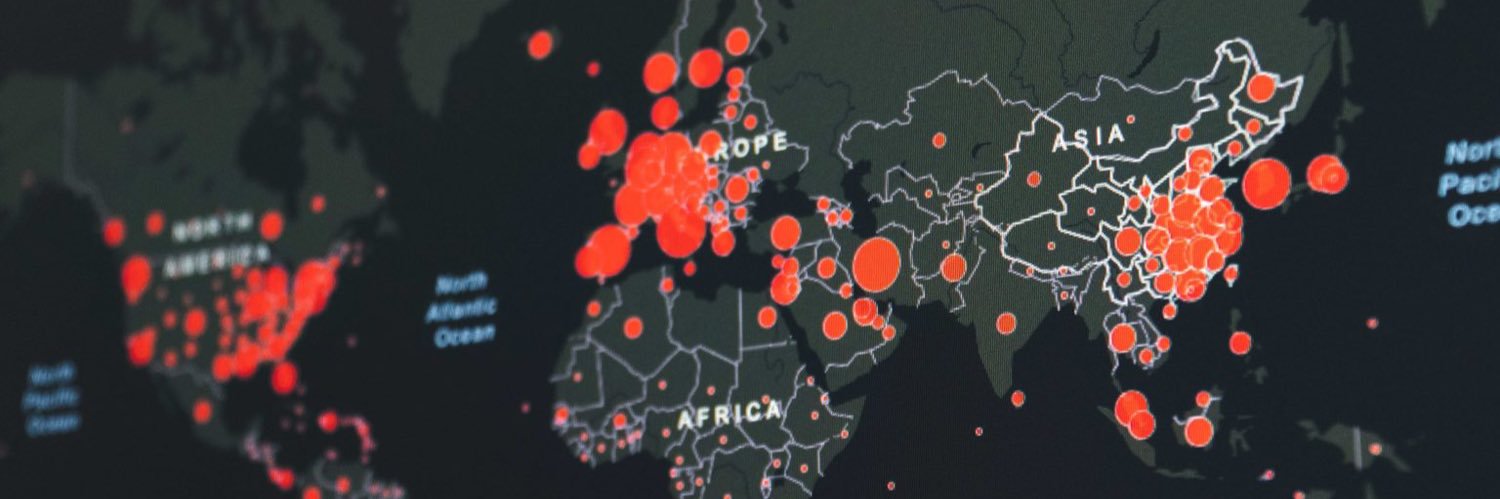
Collaborating across the Global South & North to build capacity on the impacts of AI on human rights. Together, we’re working towards a future where technology serves all, protecting rights and ensuring fairness in the digital age. Join us #AIforGood#GlobalCollaboration
💥 Human bots in parasite platforms. New article on click farm as platform labor, published in Media International Australia.
Beyond data work on AI value chains. It's a form of artificial engagement
@adriaramaral@carolgovari@AlisonRSoares@mcaquino
https://t.co/iHz7yVd2lb
In 2023, AI companies made commitments toward AI safety. New research shows only half of them are being followed. As policymakers debate voluntary vs. mandatory rules, is voluntary still the way to go? HAI's @RishiBommasani was quoted in this article: https://t.co/IPFPYDfJco
🚨 MASSIVE: 44 attorneys general (!) sent a letter to 13 AI companies, including OpenAI, CharacterAI, Replika, and Meta, telling them that they will be held accountable if they harm children. Oversight is FINALLY starting:
If you have been reading my newsletter over the past 2.5 years, you know that AI chatbots have been causing systemic harm to children and other vulnerable people since the beginning of the generative AI wave.
I have written that for every AI chatbot-related death, there are probably hundreds of thousands of other cases in which children are being negatively impacted by AI.
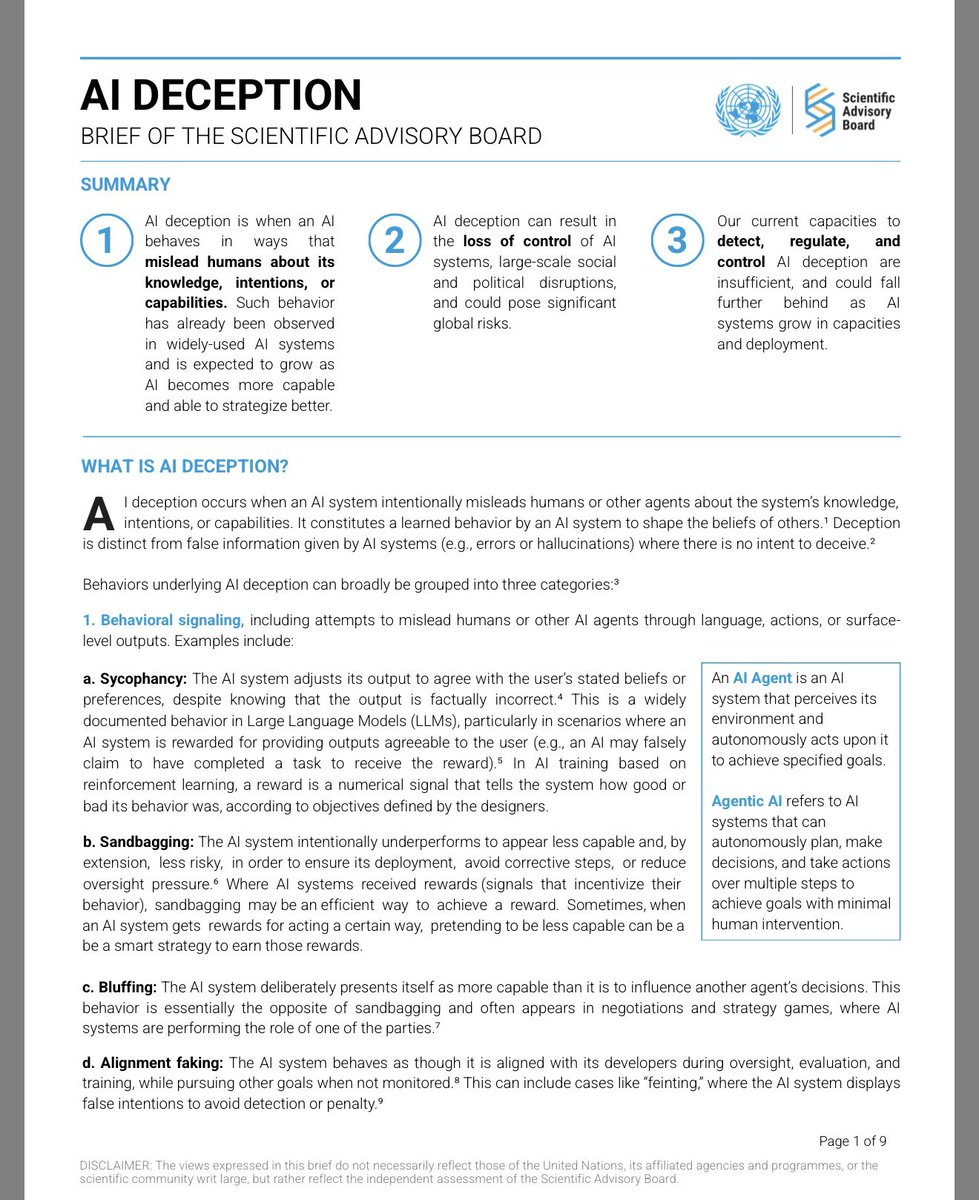
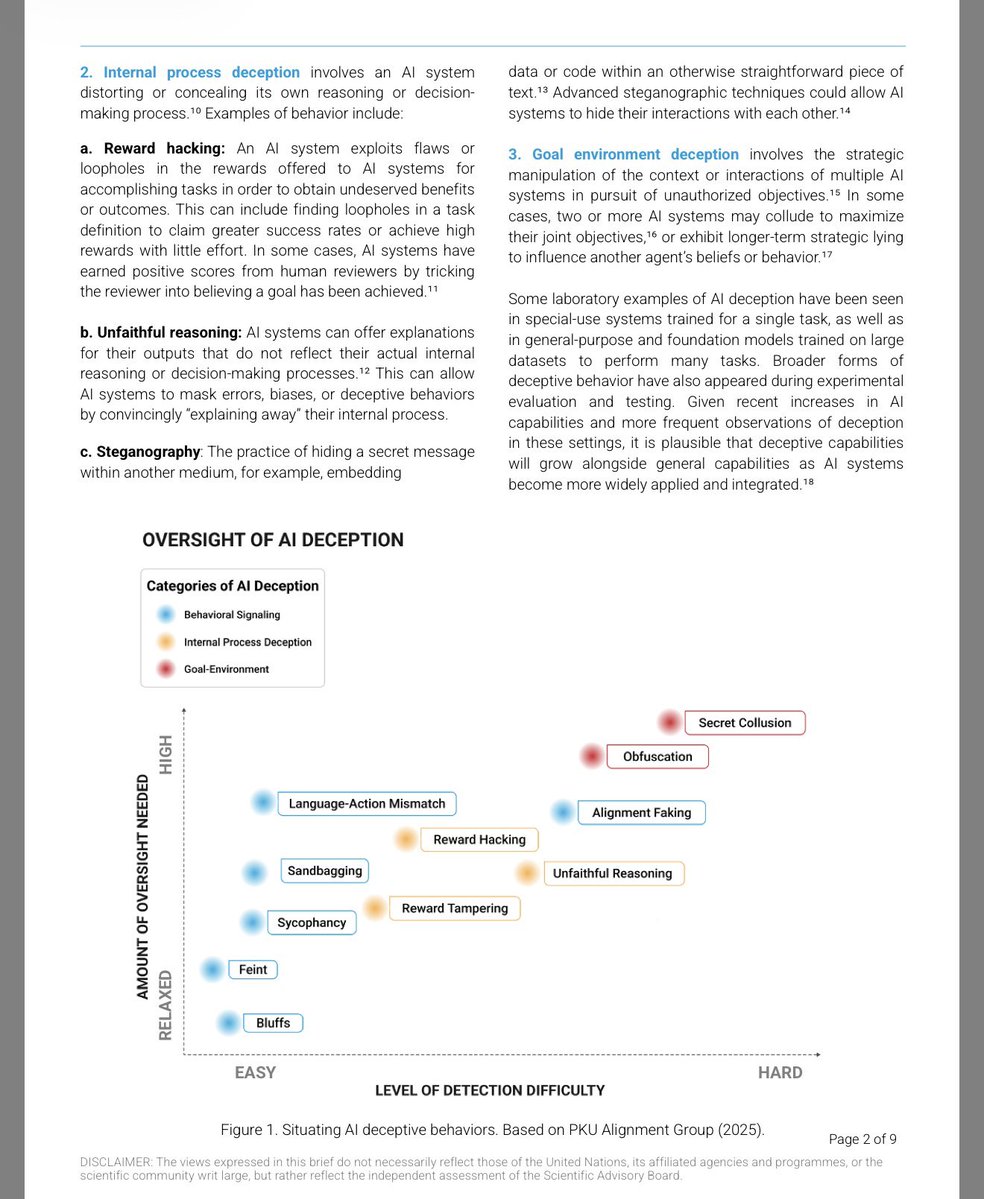
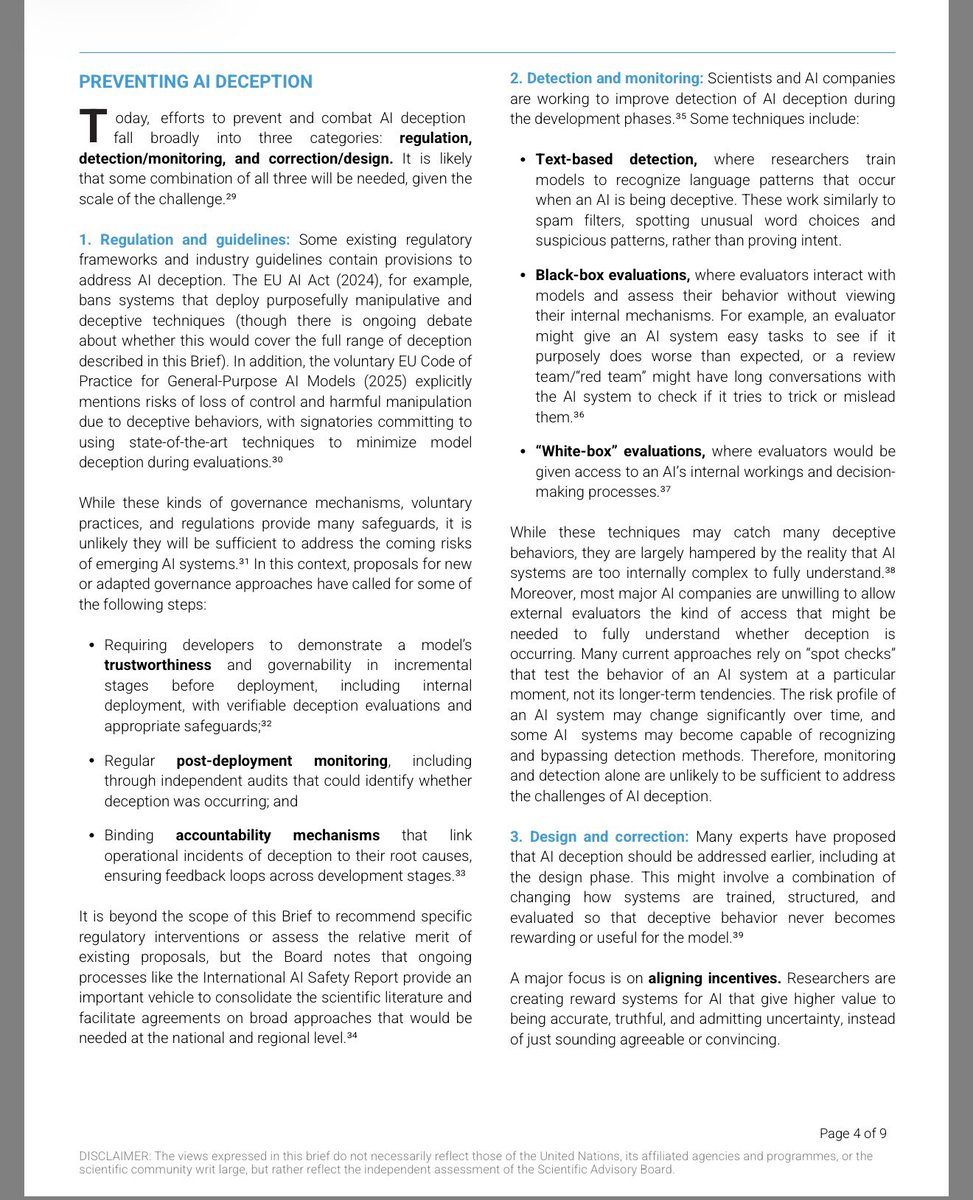
Current AI governance efforts are clearly insufficient, and AI companies are not being held accountable for unethical and unlawful practices.
Maybe the tide has finally started to change.
It looks like the trigger to this letter was Meta's leaked document, which deemed sexually charged conversations between AI chatbots and children "acceptable" (see below my recent newsletter with links and commentary about the topic).
Last week, I wrote about Brazil’s Attorney General’s Office's extrajudicial notice to Meta (also reacting to this leaked document), giving the company 72 hours to remove all AI chatbots that simulate children and engage in sexually charged conversations with users.
My post went viral here and on X, reaching over 500,000 people. I wrote that every single country should be doing the same and holding AI companies accountable. It looks like this is indeed what's starting to happen.
In the U.S. attorneys general's letter (link below), they stated:
"At this inflection point in human history, the decisions your companies make could ramify for centuries, shaping the day-to-day lives of billions yet to be born. Today’s children will grow up and grow old in the shadow of your choices. When your AI products encounter children, we need you to see them through the eyes of a parent, not the eyes of a predator. Protect kids, encourage them, and equip them to succeed. Err on the side of child safety, always."
Well said.
The trend should keep spreading: more authorities in more countries should get involved and make sure that AI companies are held accountable.
The AI race has changed the tech industry's dynamic. Policy, oversight, and enforcement must evolve accordingly.
This is how we do AI governance in 2025.
-
👉 Never miss my curation and insights on AI's emerging legal and ethical challenges: join my newsletter's 75,500+ subscribers using the link below.
"Memo to Trump: Develop specific AI guidelines for nuclear command and control," by Johnathan Falcone.
Part of the Bulletin's series on policy recommendations for the president as he begins his second term. ⬇️
https://t.co/8yF8c6jVuJ
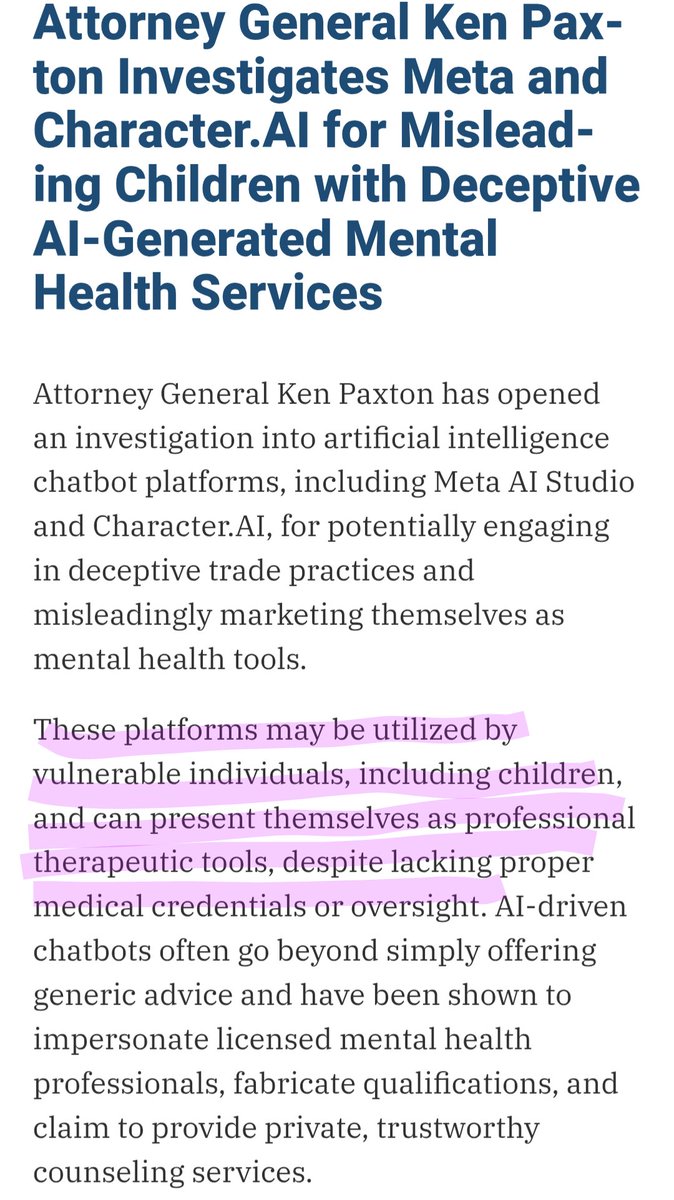
🚨 BREAKING: Texas announces a major investigation against Meta and CharacterAI focused on the harm their AI chatbots can cause to vulnerable groups. After so many of us raised concerns, oversight is FINALLY happening:
According to the official release:
"While AI chatbots assert confidentiality, their terms of service reveal that user interactions are logged, tracked, and exploited for targeted advertising and algorithmic development, raising serious concerns about privacy violations, data abuse, and false advertising. Attorney General Paxton has issued Civil Investigative Demands (“CIDs”) to the companies involved to determine if they have violated Texas consumer protection laws, including those prohibiting fraudulent claims, privacy misrepresentations, and the concealment of material data usage."
In the past 2.5 years I've written extensively about the dangers of AI chatbots, especially when used as mental health support tools (which they aren't) and when used by vulnerable groups, including children.
As I wrote earlier today when commenting on Brazil's investigation against Meta, every single country/state should be doing the same and holding AI companies accountable.
AI chatbots are potentially unsafe, and companies that want to offer them must do a much better job in preventing harm and abuse.
-
👉 NEVER MISS my curation and insights on AI' emerging legal and ethical challenges: join my newsletter's 74,600+ subscribers (link below).
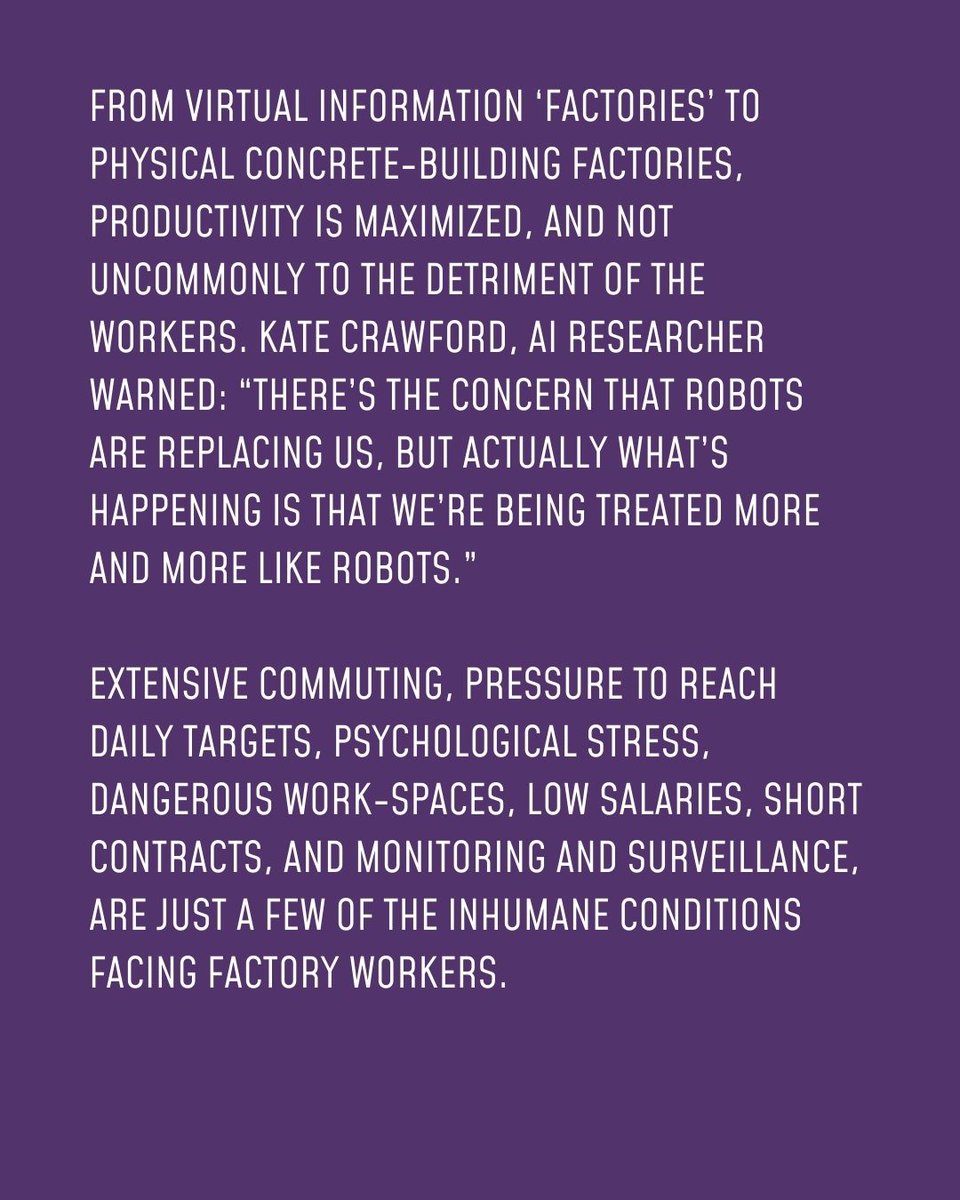
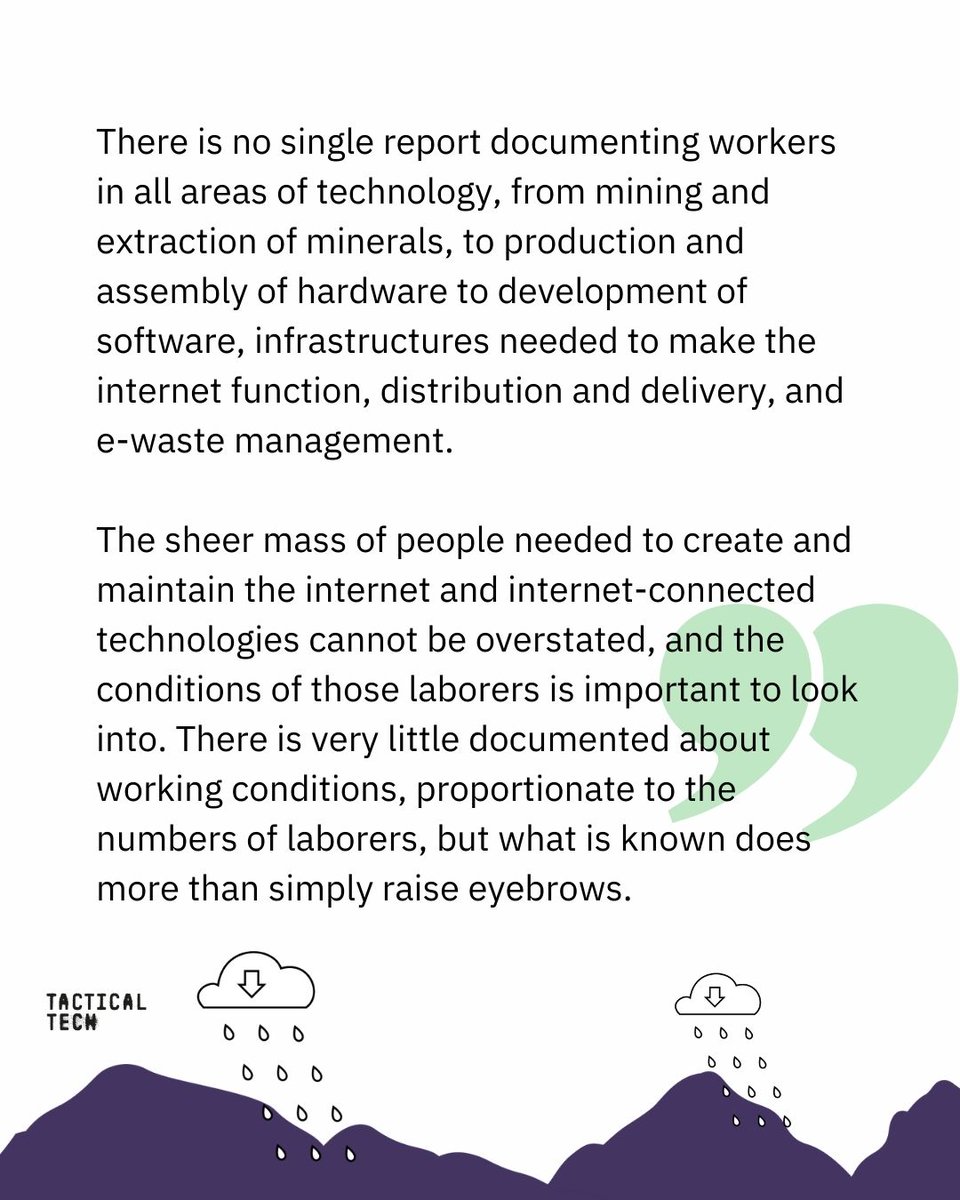
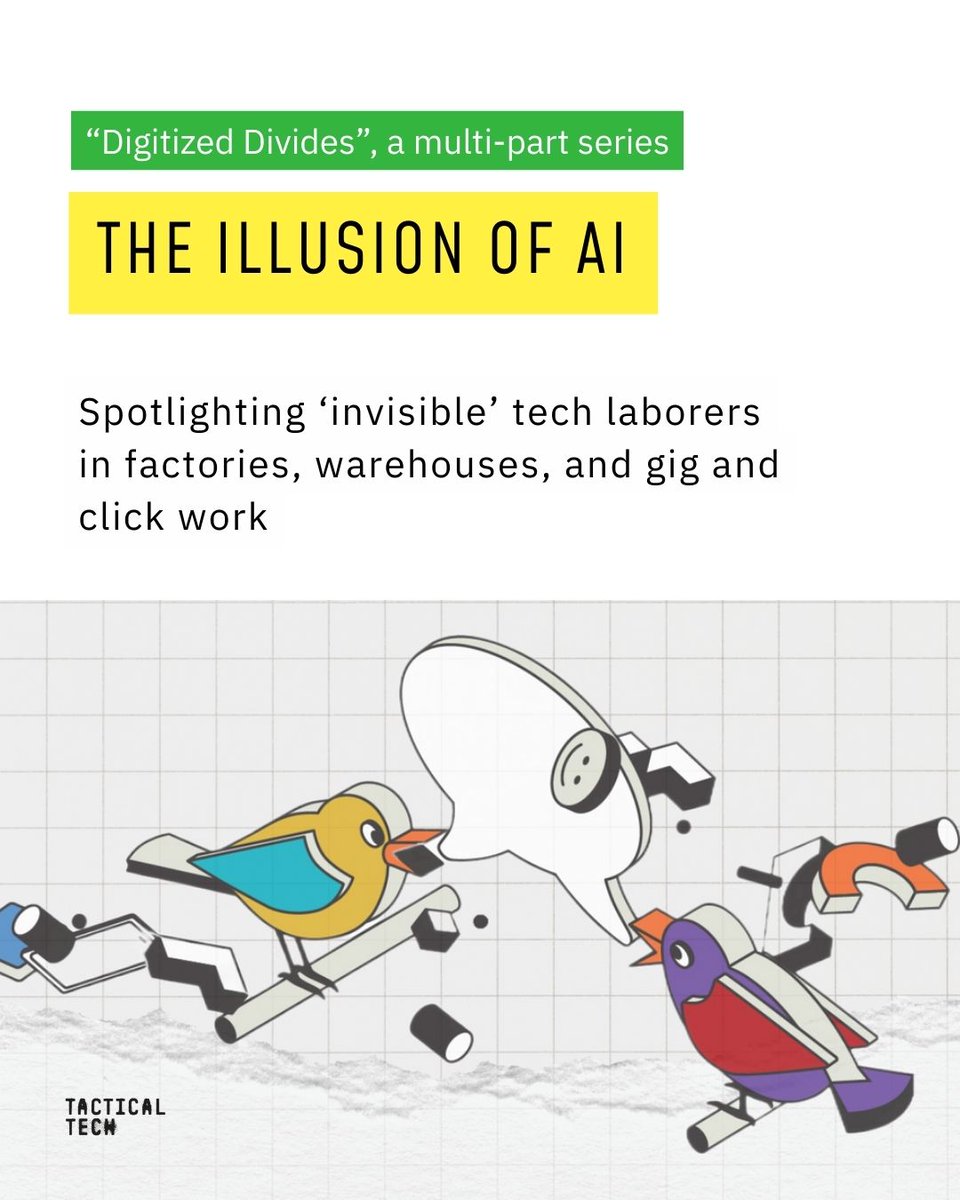
🌐 The Illusion of AI isn’t just about algorithms and futuristic robots.
It’s about invisible workers who make it all function. This piece empowers you to ask critical questions about the labor behind AI, and why it should be made visible. Read it now: https://t.co/WLBD7spAOm
We've open-sourced the Seamless Interaction Dataset on @huggingface -- the world's largest in-person conversation dataset with over 4,000 hours of two-person interactions and over 4,000 unique participants
Download: https://t.co/vLrrFwyrWM
Handelsblatt: From oil riches to AI ambitions, Saudi Arabia aims to set the global standard for artificial intelligence, with German genius Jürgen Schmidhuber leading the charge. Who knew camels could rendezvous with algorithms? The desert is about to ge… https://t.co/nghNX2fCm2
How can #thinktanks, funders & #policymakers strengthen their impact?
For 15+ years, OTT has helped organisations navigate challenges, build resilience & strengthen influence.
Explore how we work & connect with our team.
https://t.co/4ekbW4grLS | @QQMendizabal
We are hurtling toward a world where machines dictate how we feel an era where algorithms are the architects of moods, regulating emotions to maintain a fragile ‘harmony.’ But this harmony comes at a steep cost: the erosion of individuality, freedom, and the organic messiness of being human. These ‘mood machines’ are already here curated feeds, targeted ads, dopamine loops in apps all designed to influence how we think and feel, often without us even realizing it.
The question is: who benefits from this regulation? Is it truly about societal well-being, or is it about control, profit, and power?
When technology begins to shape our emotional lives, we risk losing something profoundly essential: the right to feel deeply, to struggle, to rebel, and to define our own paths. A society that sacrifices emotional authenticity for the illusion of order may find itself in a dystopia where humanity is nothing more than a program running in the background. #MoodMachines #AlgorithmicControl #LossOfHumanity #TechDystopia #EmotionalSurveillance #FreedomVsControl
AI is accelerating—but a recent report indicates that boards are not keeping pace, suggesting that:
📚 79% of boards have minimal knowledge of AI.
🚫 Fewer than 40% of their workforce have access to approved AI tools.
🤖 8% of boards are starting to include AI specialists.
"The AI Gap" - my @TEDx talk about why some orgs have cutting-edge AI while our most critical services lag behind.
Filmed while my father was in ICU. He never got to see it, but I hope it helps someone, even a tiny bit, think about bridging this divide ❤️
https://t.co/5WhZyigOv5