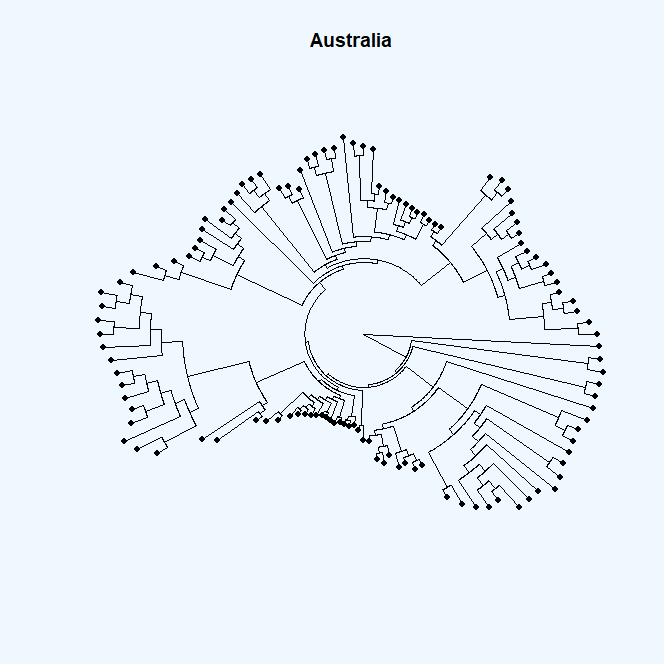
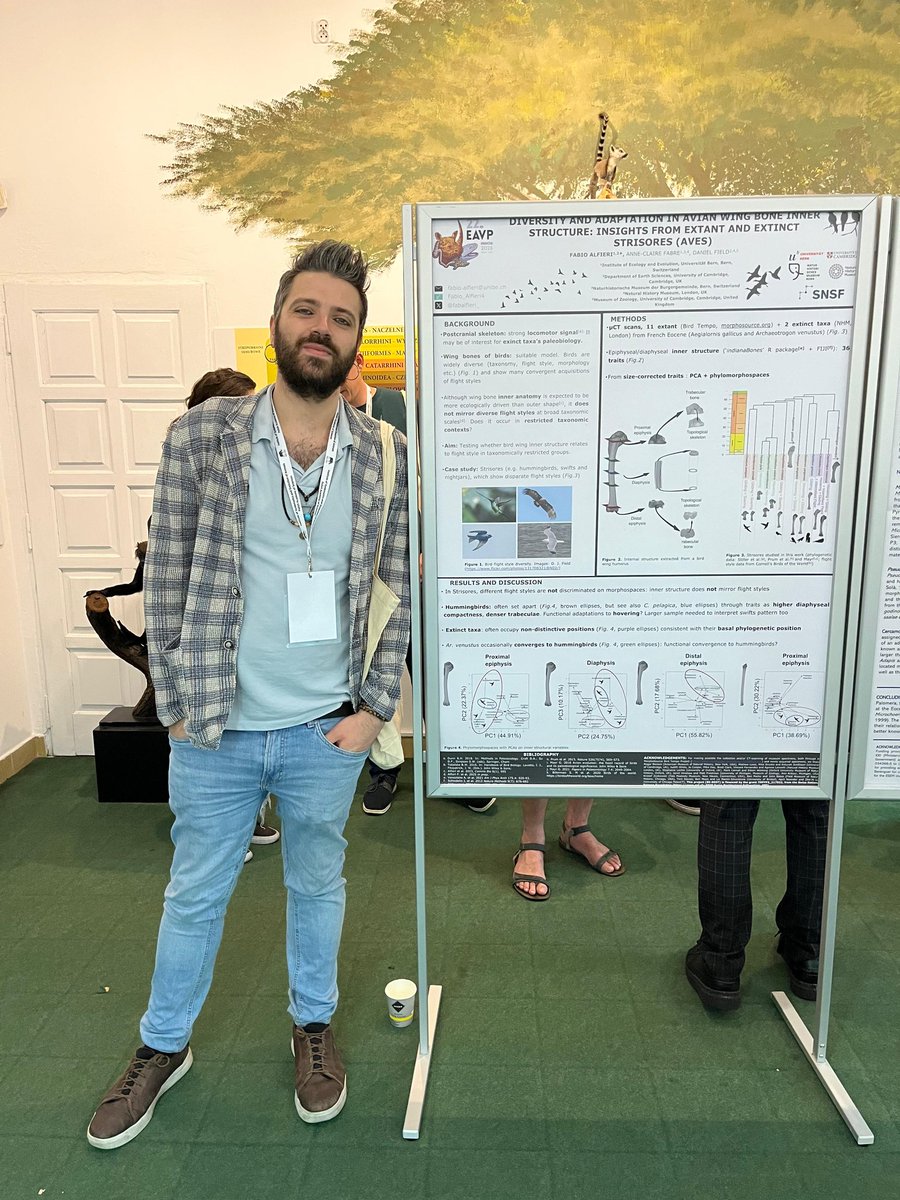
Being close to submit my first postdoc results, I am glad to present further preliminary data on extant and extinct Strisores birds at #EAVP2025 in Krakow @grumpyDrFabre @fieldpalaeo@snsf_ch
It seems like a good opportunity to release {phyloshapeR}, a new R package 📦I developed to create the cover!
It is meant to be used to plot phylogenies using map contours (or any other figures)
Check how to use it here: https://t.co/nefq3wKrj4
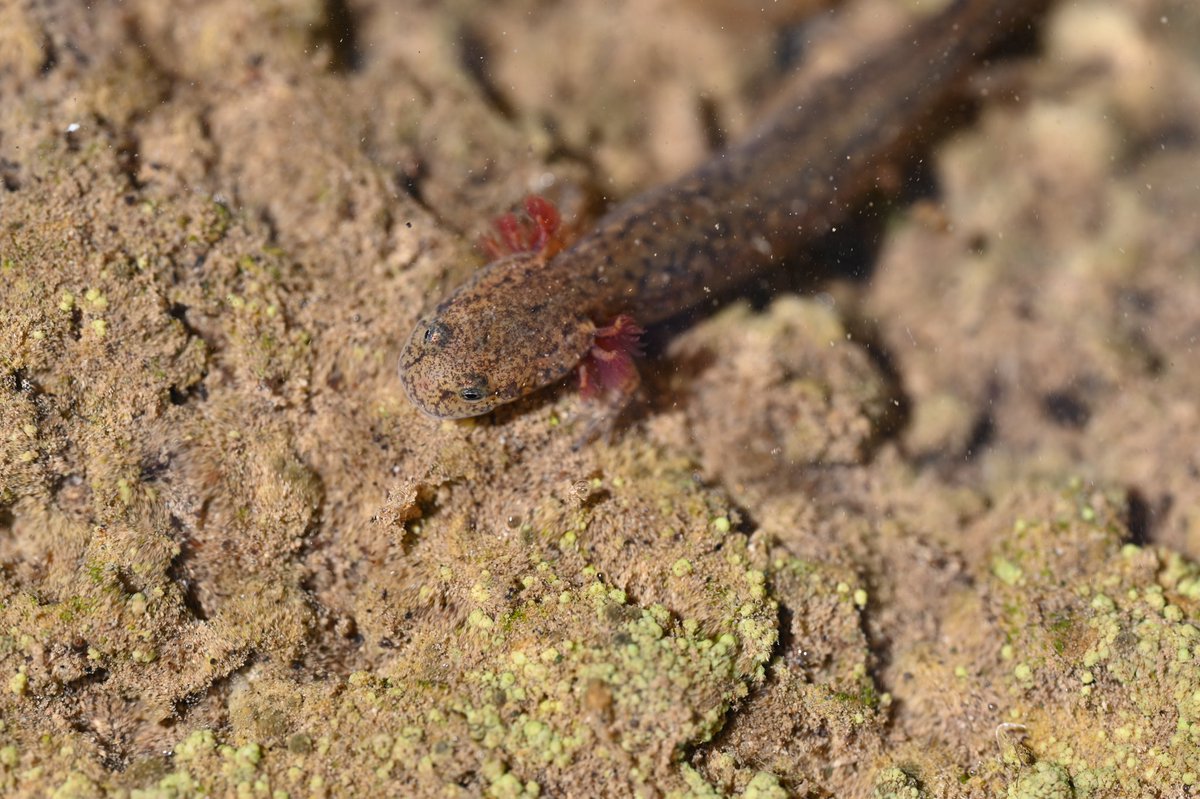
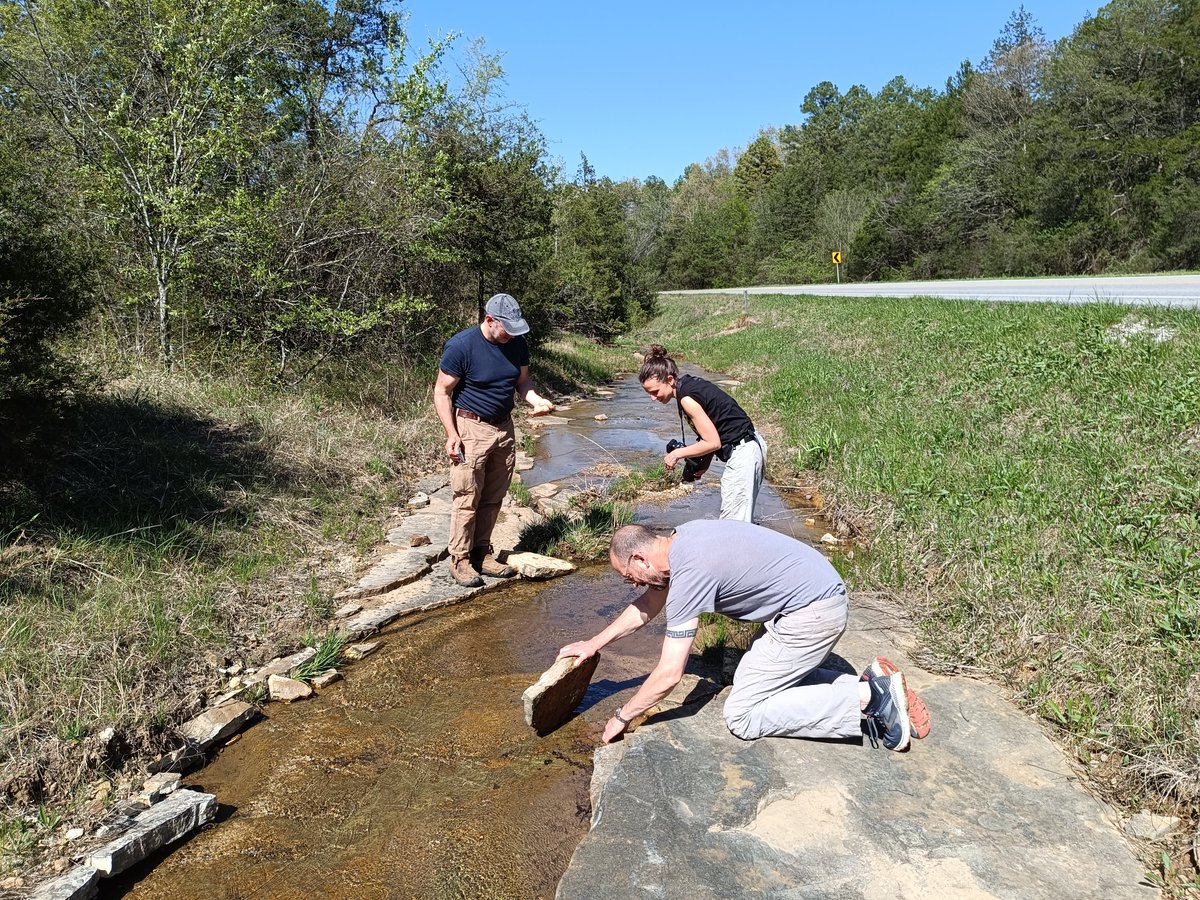
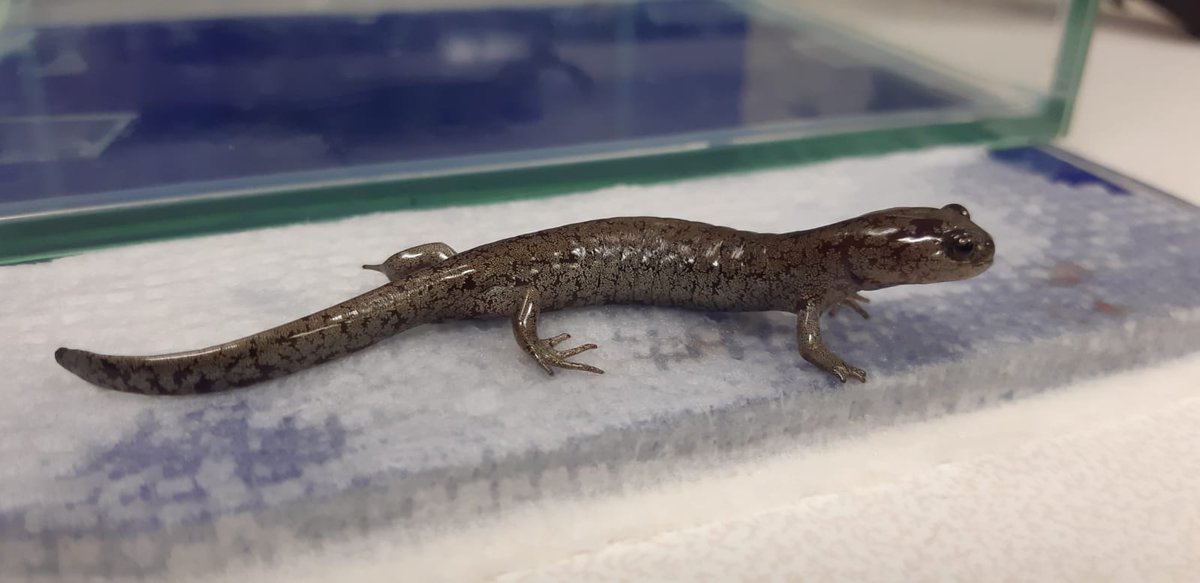
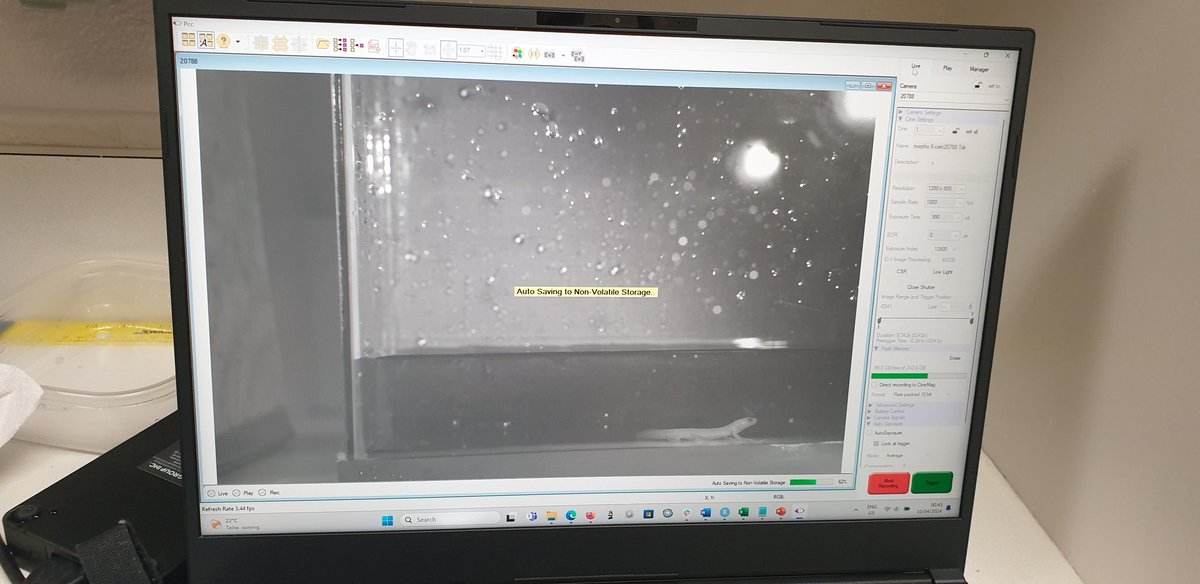
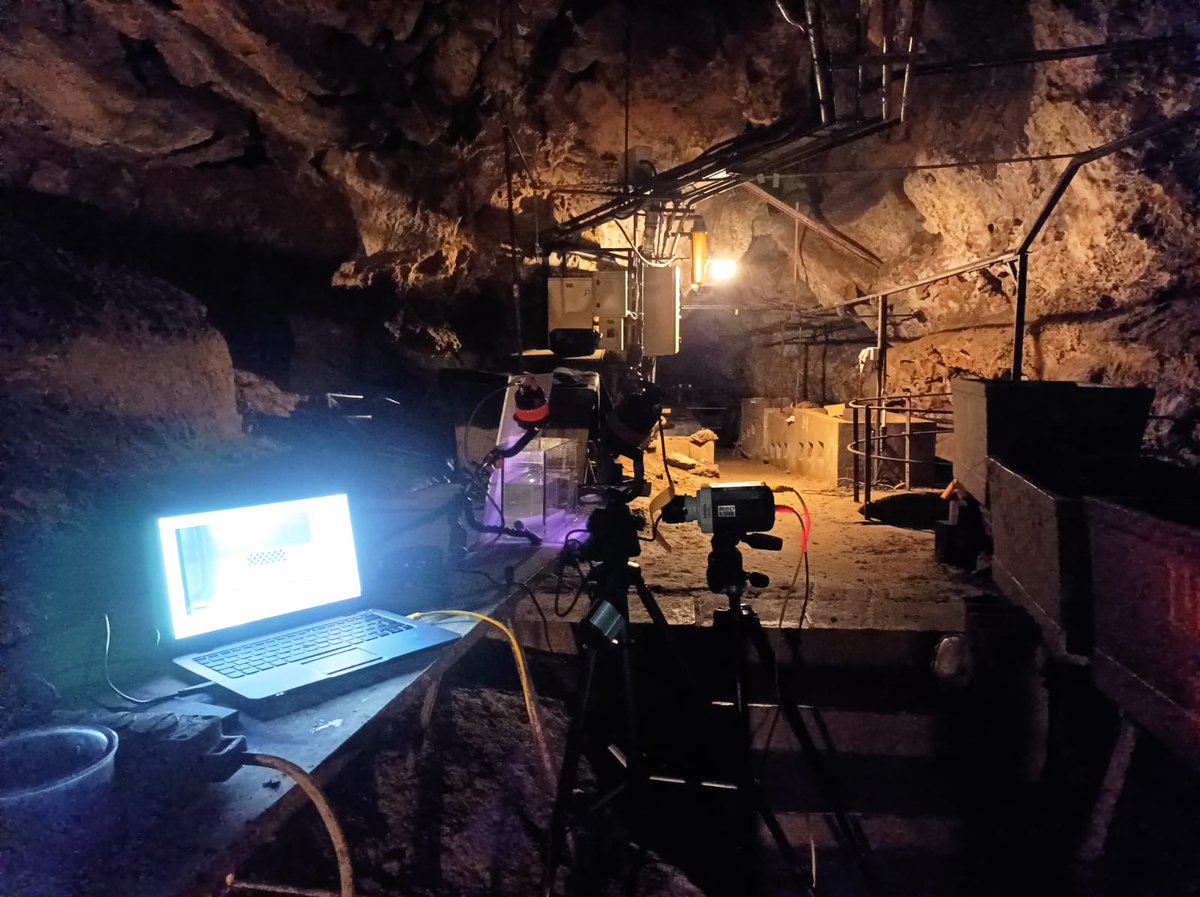
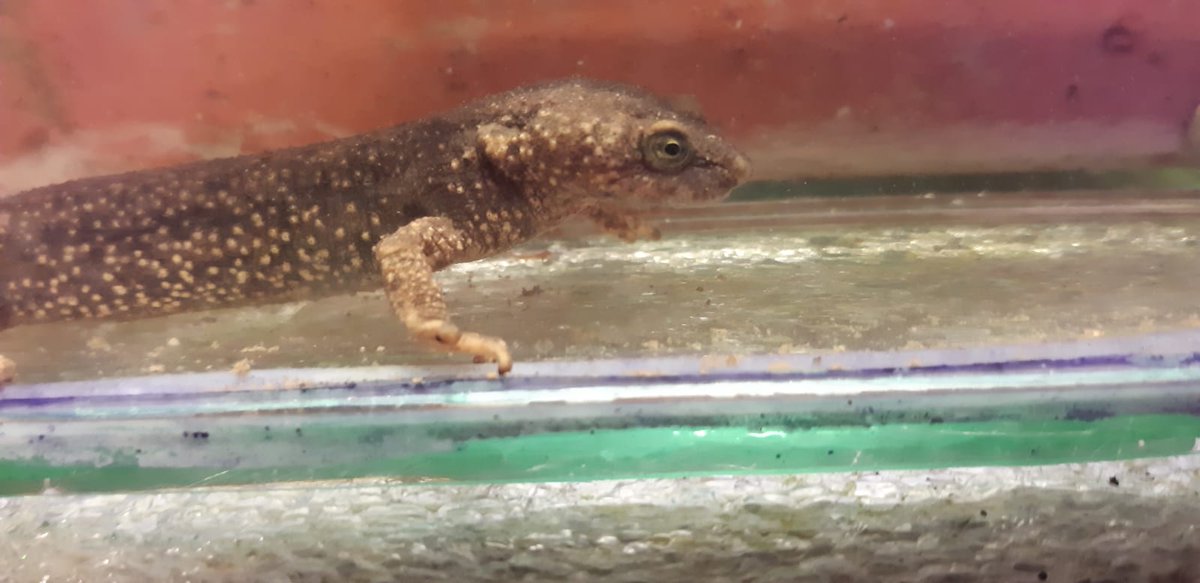
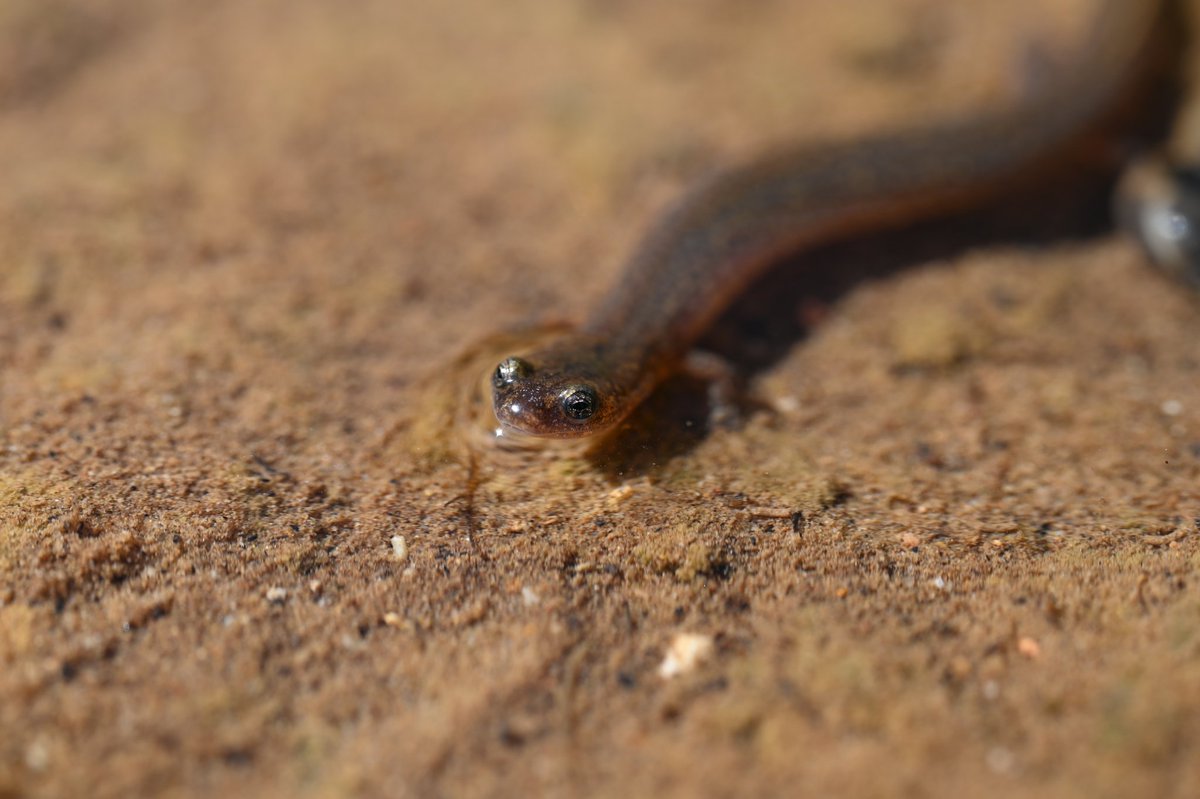
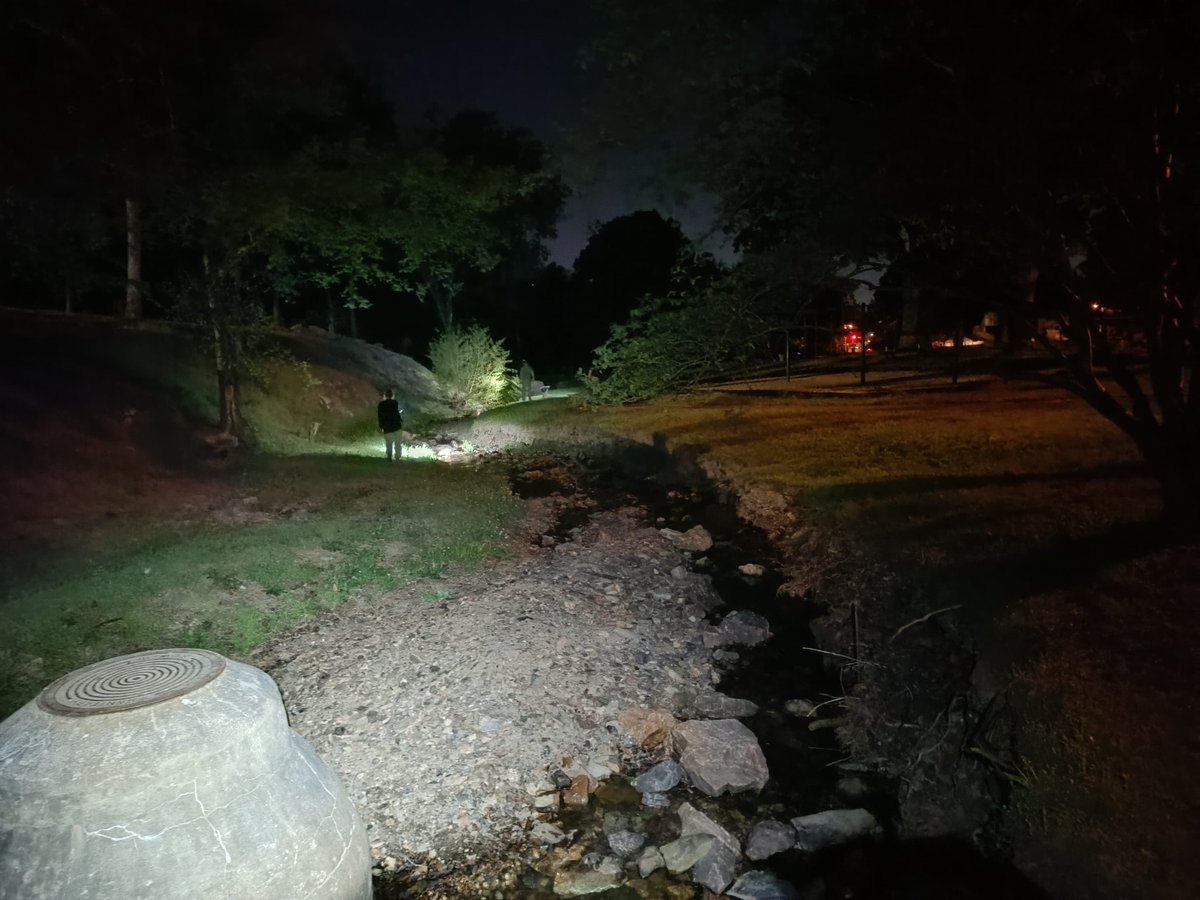
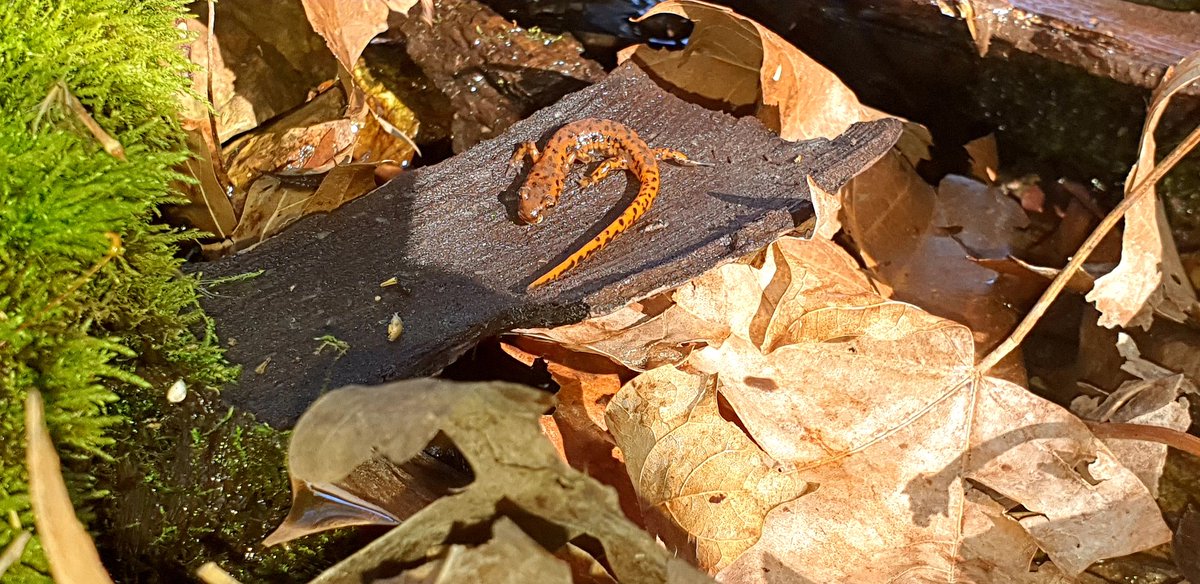
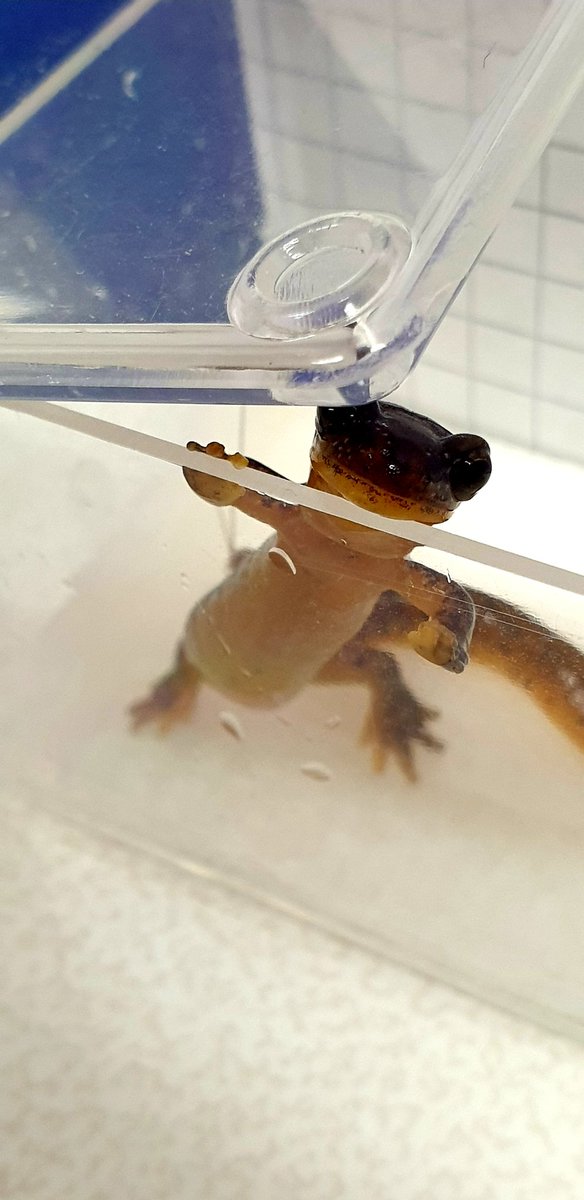
Feeding the beasts day 2 and 3: filming adults of torrent salamanders, smallmouth salamanders, seal salamanders... and many more larval stages!!!! Look at this beauties!
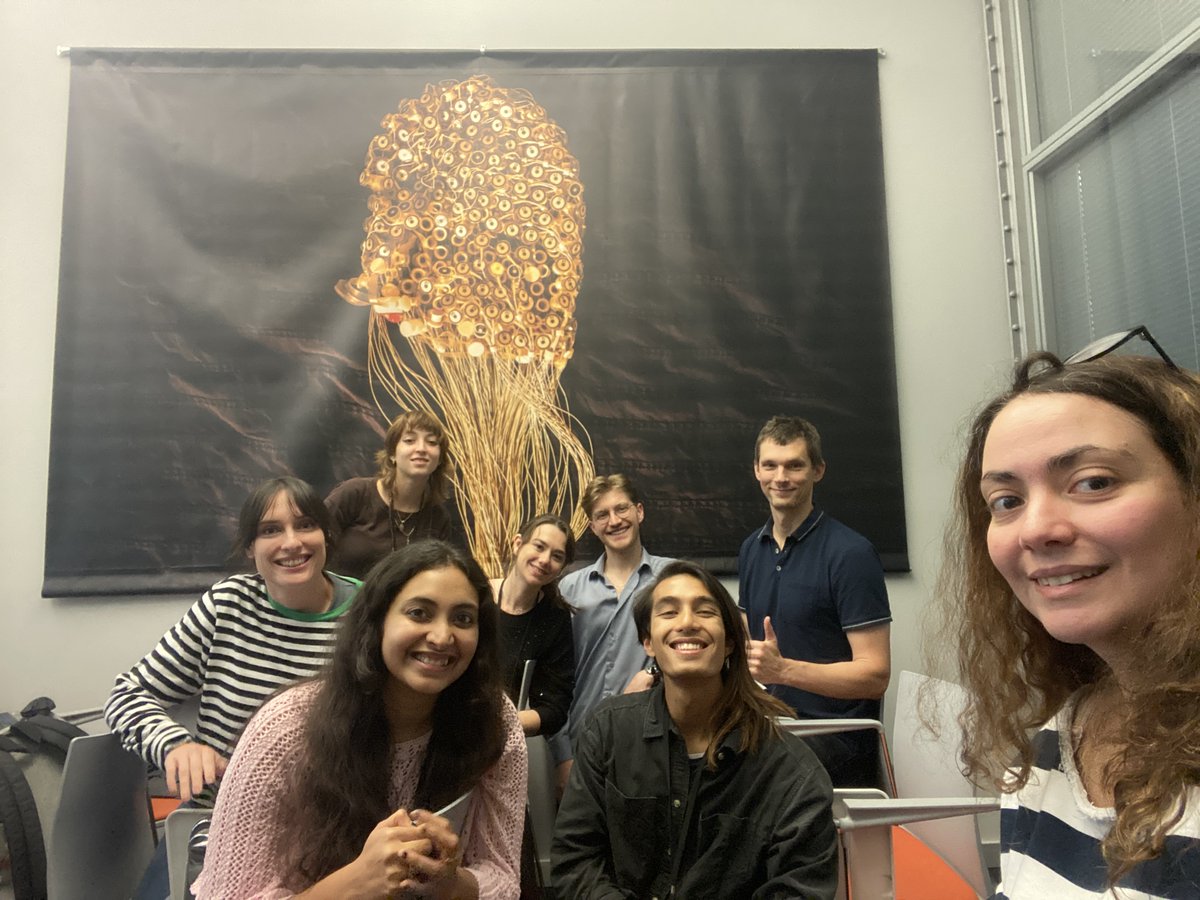
Over a week ago, the whole team took part in Museum Nacht 2024 @NMBern . Take a look at the photos of our stand (credit Nelly Rodriguez) and, most importantly, take our QUIZZ to find out what your salamander spirit is!👉👉👉 https://t.co/cwOalkpJmy
More than 99% of marine larval fishes die within days of hatching. Why? Fluid physics at small scales! Closing the open mouths reverses the flow that brought food in, immediately expelling it!
Hydrodynamic starvation in first-feeding larval fishes, PNAS : https://t.co/z6LeB6SMmm
Phew, what an awesome week! 🌟 Wrapped up the @Cajal_Training course and kicked off countless @DeepLabCut adventures across the globe. 🌍 From tiny mice to majestic elephants, it's been a blast! 🐭🐘 Keep in touch and keep DeepLabCutting!
Scientists Spotted 🪱 Our herpetology team's research on baby caecilians eating their mothers skin to acquire her microbes has wriggled into many news sites like @SmithsonianMag:
https://t.co/kI92RzgLgD
New blog post by @i_tsst on her stay in Moulis while chasing dragons in collaboration with @AnthonyHerrel and Olivier Guillaume SETE @CNRS https://t.co/72rRDTvEFF