The world’s first sub‑1 nanometer node chip is here.
Delivering 70% greater energy efficiency, this breakthrough powers a new era of computing that’s more capable while using less energy.
Dig into this next-gen tech: https://t.co/NkzAahH49S
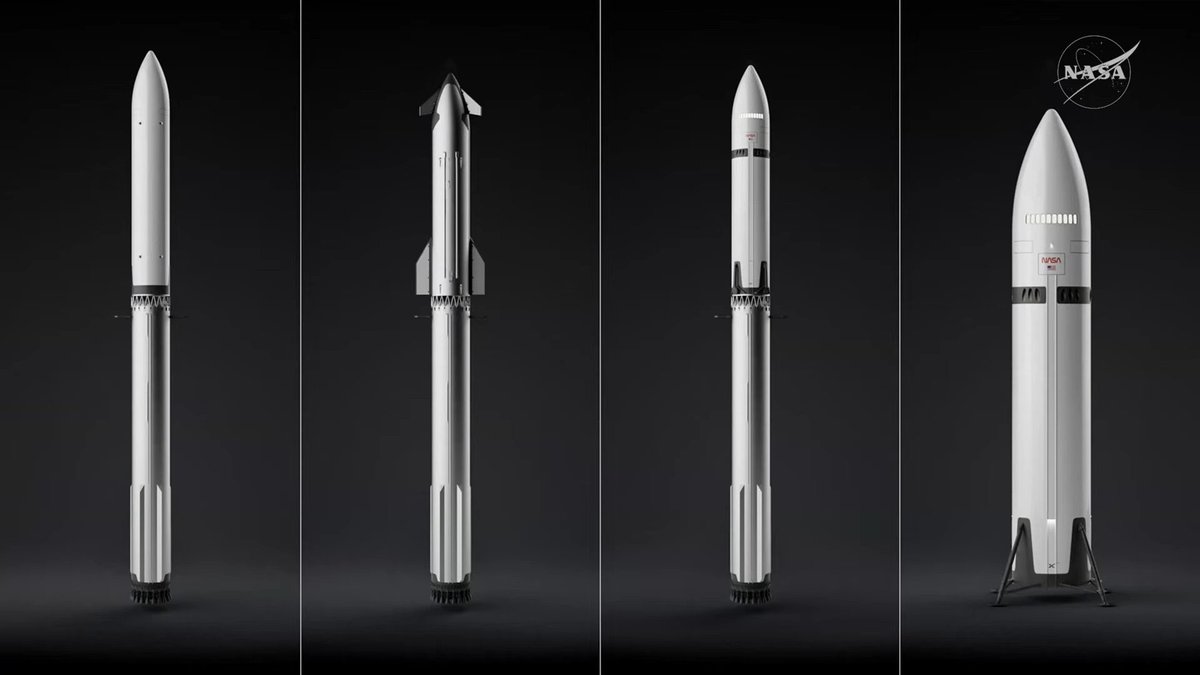
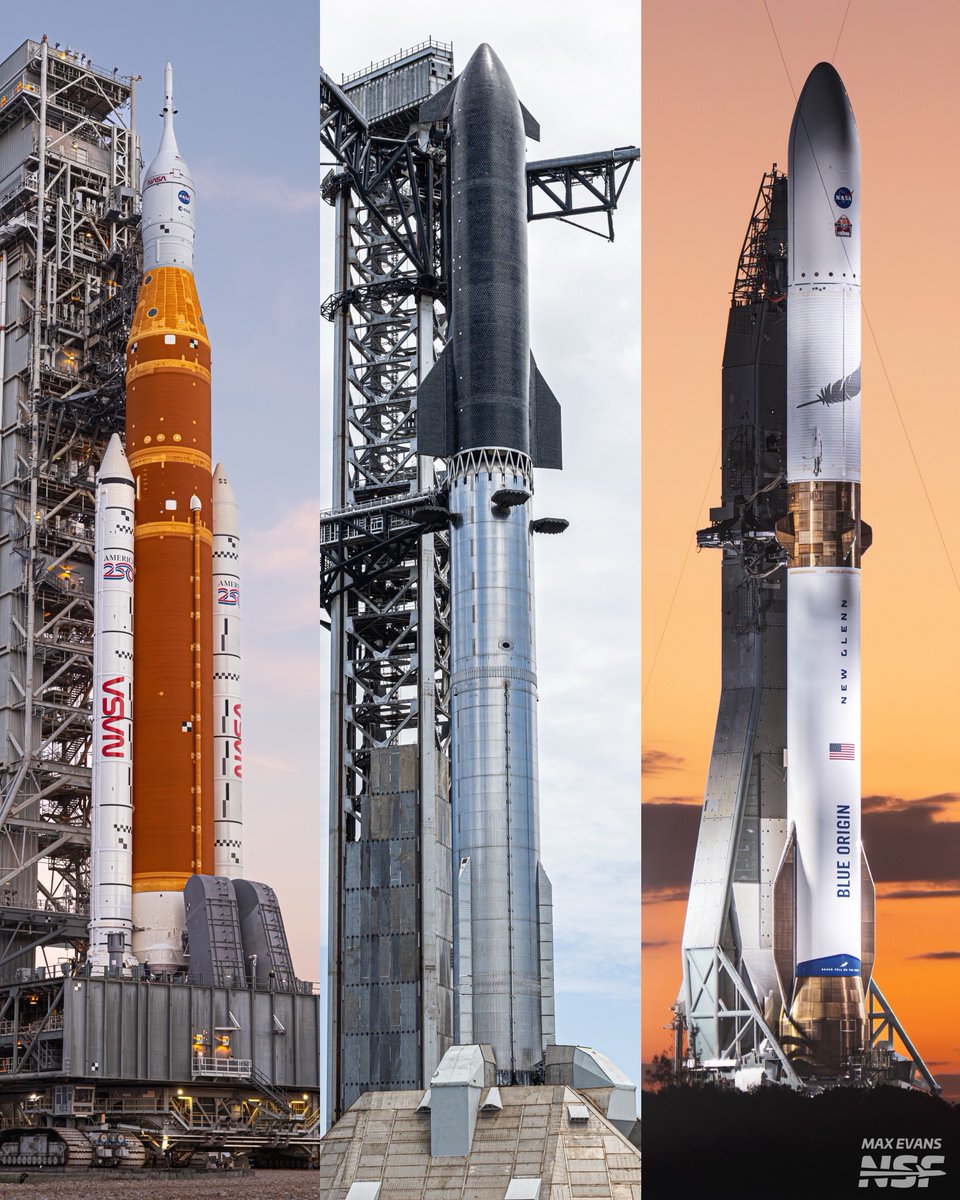
-Starship HLS cabin structure is complete awaiting outfitting with life support
-Fast track Artemis III Starship will use a V3 with a docking port
-Starship HLS will perform the Trans-Lunar Injection with Orion docked to it improving crew safety
Tough day for Starship haters and doubters lmao
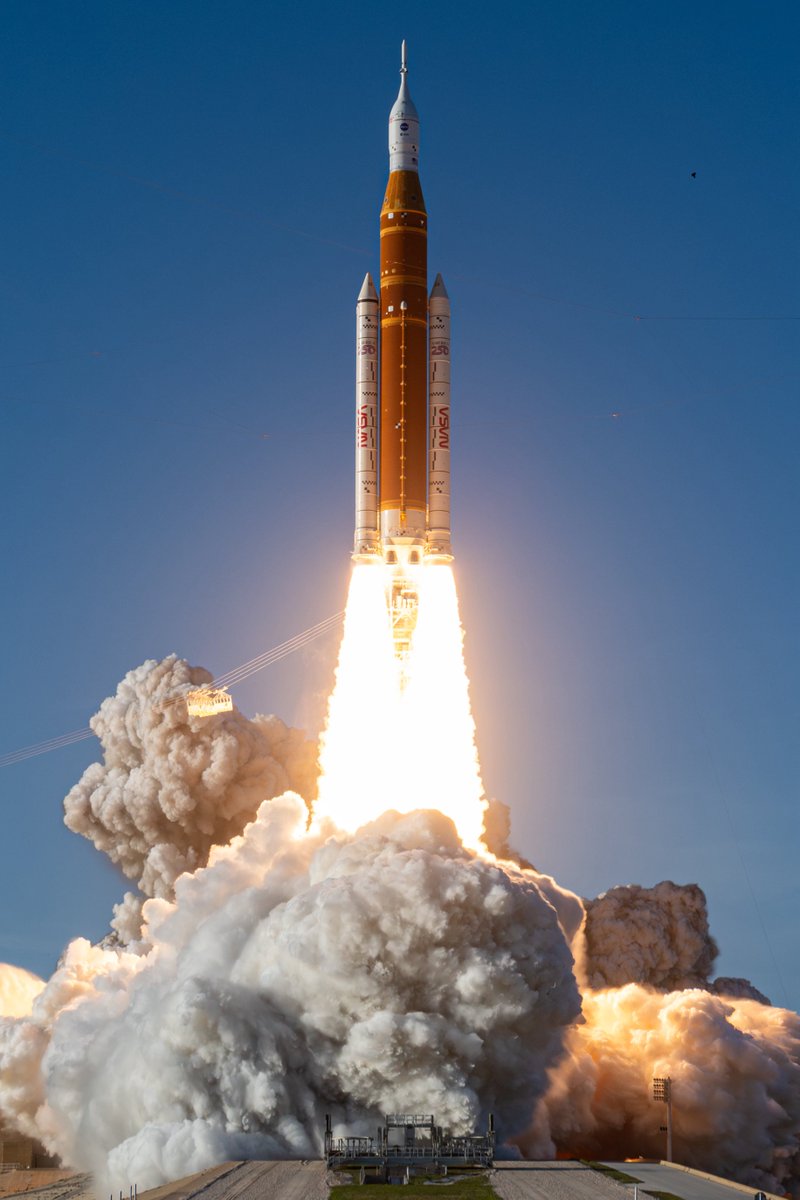
Our astronaut Luca Parmitano is assigned as pilot of NASA’s #ArtemisIII mission.
With Europe powering Orion with the European Service Module, this mission will test the critical operations preparing for humankind's return to the Moon.
A strong step forward for ESA–NASA partnership.
🔗https://t.co/MJpn0ftcpr
📸 NASA
🚨Anthropic just showed a 24-minute workshop on how to actually do prompts for Claude.
Taught by the people who built it.
Free. No registration. No paywall.
I've seen $300 courses that don't cover what they teach in the first 8 minutes.
Watch it and bookmark it now.
Starship is one of the most ambitious engineering programs of our era.
Every flight test closes the gap between theory and operational reality. Spaceflight only becomes routine because teams are willing to fly, learn, and iterate in public. Respect to the @SpaceX team.
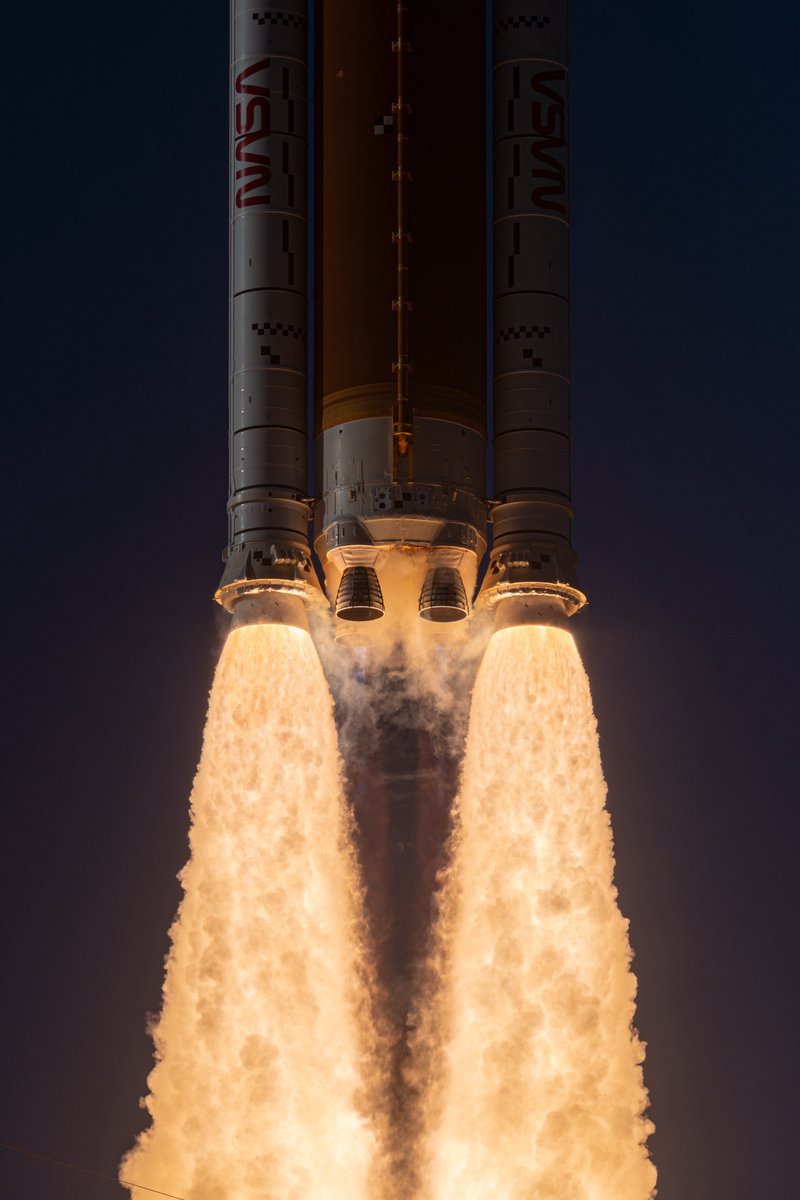
POV: You’re coming home after a journey around the Moon. 🌕
Before reentering Earth’s atmosphere at the end of Artemis II, the Orion spacecraft’s crew module — carrying the astronauts — separated from the service module that provided propulsion and power throughout the mission.
When one galaxy isn’t enough, why not shoot thousands! ;)
I spent some time investigating the massive group of galaxies in and around Caldwell 35 (NGC 4889) in the constellation of Coma Berenices. This area of the night sky is sometimes referred to as the Coma Cluster due to the high concentration of galaxies. With over 1,000 identifiable galaxies, it’s certainly a busy neighbourhood!
Each of the small blobs that you see dotted around the image are huge galaxies in their own right. It’s amazing (and head spinning!) to take in just how many distant suns and ancient worlds are contained within this one image.
Near the centre of the frame lies a giant elliptical galaxy, Caldwell 35 aka NGC 4889. This galaxy has a special place in our night sky as it is home to one of the largest black holes ever discovered. With a mass of 21 million times greater than our Sun, it’s truly a monster.
Caldwell 35 itself is no slouch and at a colossal distant of over 300 MILLION light years away, we’re truly able to gaze into the ancient past of our beautiful and mysterious Universe.
While I’ve traded scale and resolution by opting shoot this as a wide-field view, I wanted to include as many galaxies as I could in one frame. I think its still fairly clear how many galaxies are actually around this deeply concentrated cluster…BUT I would still like to image it a bit ‘tighter’ with more focal length, which I may try again at a later date.
Thanks for looking and clear skies to you all! 🔭📸✨
⏱️ 13h
🎯 The Coma Cluster
🔭 StellaMira 90ED Triplet
📸 ZWO 2600MM Pro
🔭 iOptron CEM40
⭕️ Antlia RGB 36mm
💻 Beelink GK Mini
@CSI_Starbase Could it be the system that injects liquid nitrogen into the gas generator?
(By gas generator I mean the place in the baby raptor where the hot gas produced by the combustion meet the liquid nitrogen)
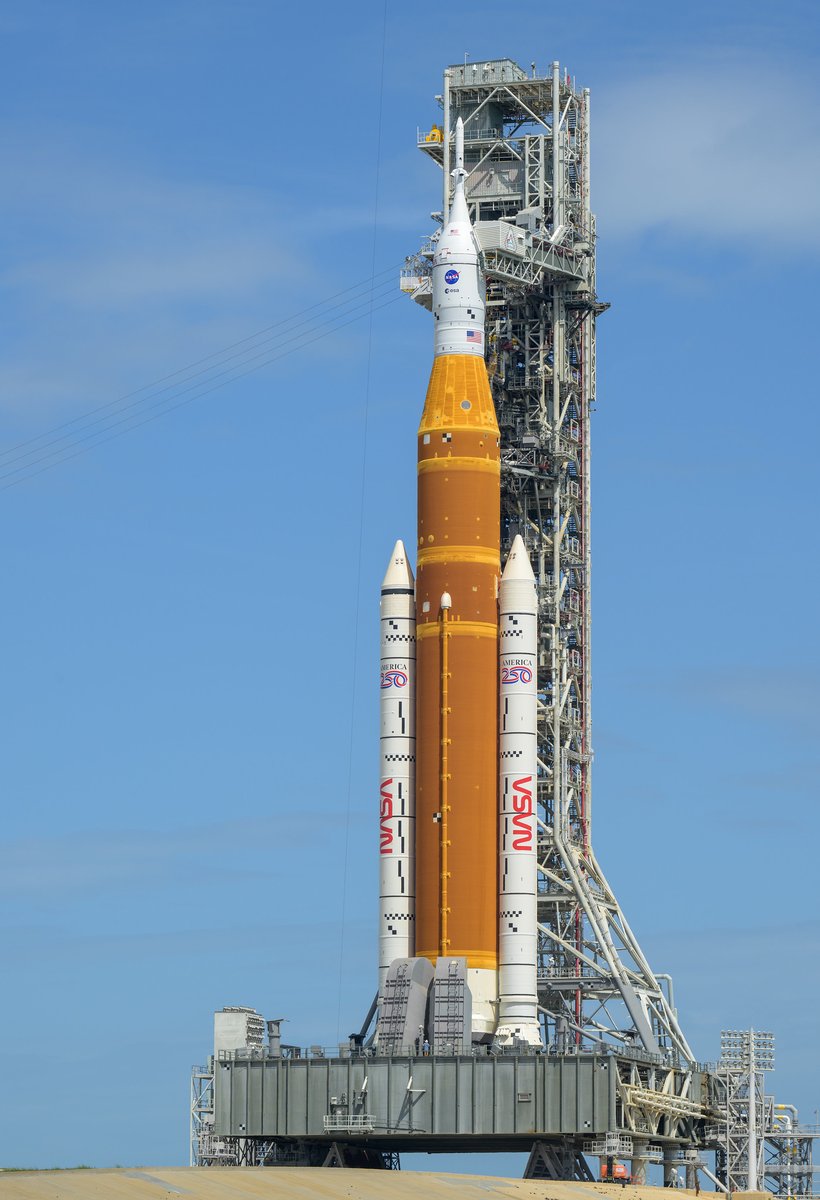
The countdown begins.
Teams at @NASAKennedy have arrived to their stations at the Launch Control Center. We are about 48 hours from the launch of the Artemis II mission around the Moon. https://t.co/PqaR8eyxu4
My latest. The large galaxy in the lower left is M89 (50 million light-years away). In the middle-right is M58 (62 million light-years away). In the upper right are the "Siamese twins" galaxies - they are currently colliding and are 60 million light-years away.