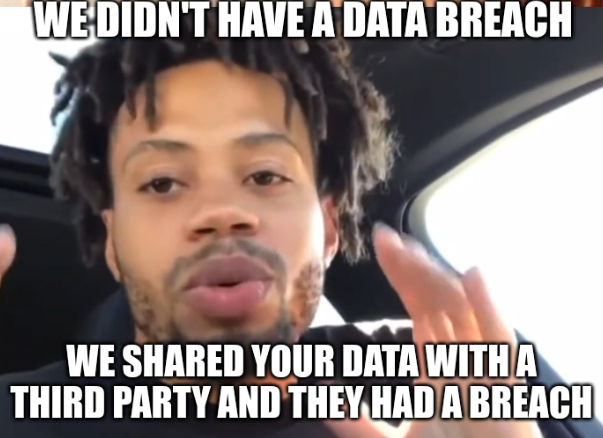
This would be savagely funny if it weren't so savagely real due to the prevalence of this practice.
“[Tech platforms] track what we read, what websites we visit, whether we are married and have children, our educational level and income bracket, our location... and in some cases even our health conditions and religious faith...The Companies often could not even identify all the data points they collected or all of the third parties they shared that data with.” FTC Report (09/2024)
@ProfArbel I think the flood of AI-driven litigation, benefits claims, and other citizen recourse to government services will be a first order factor necessitating the adoption of AI by government.
@ahall_research@AnthropicAI Will there be a summer version of this program? The (entirely understandable) FT requirement doesn't mesh with academic teaching schedules...
@naval Identity-based liability models are frustrated by pseudonymous/anonymous deployment and emergent harms. Bonding resources at the agent credentialing stage subject to penalization ex-post has certain advantages for these likely classes of agentic harms https://t.co/zQfcMYCV2Z
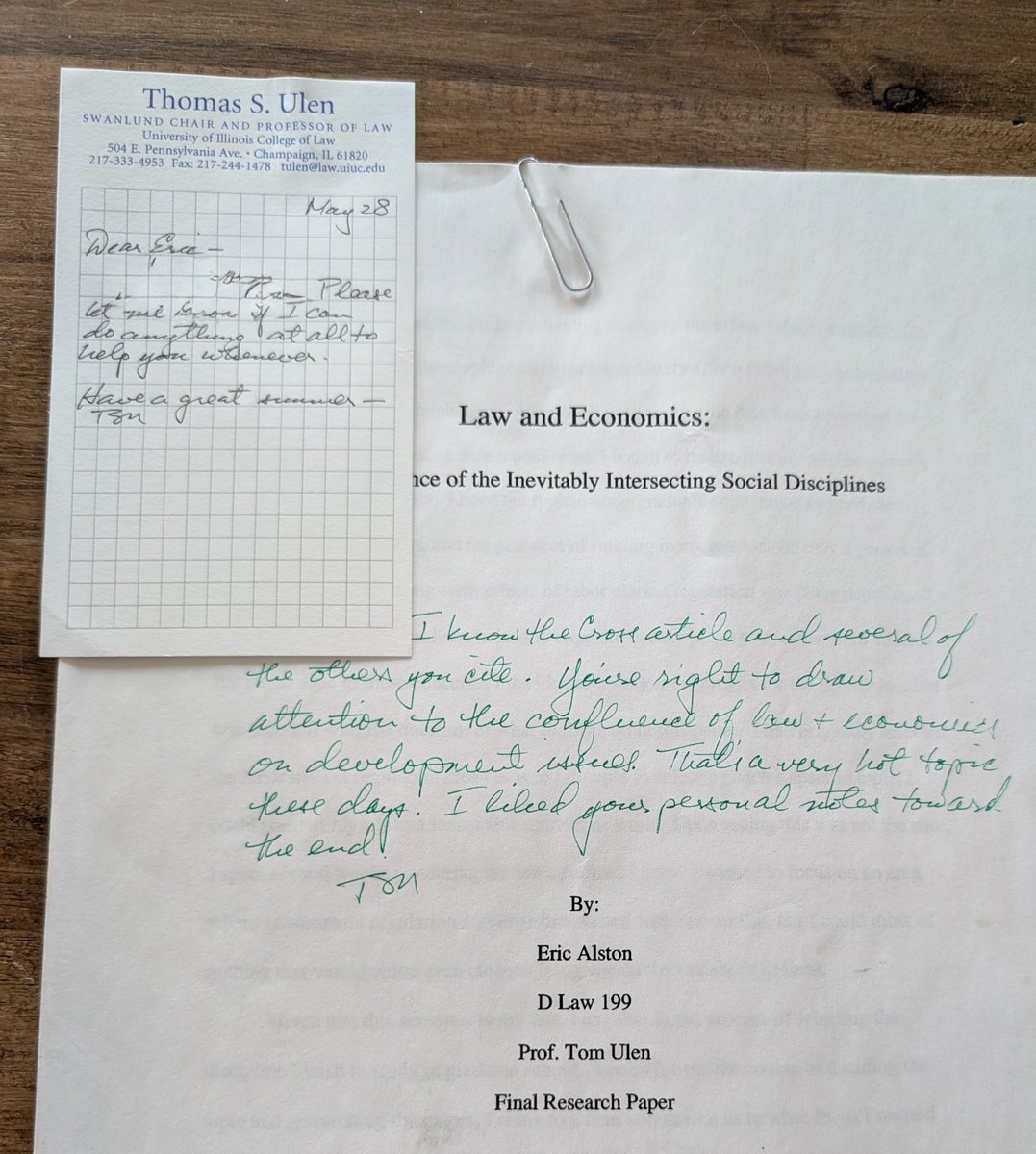
I recently found this while moving to take a new role as Asst Prof at @uw_law and reflected on how if it weren't for this @CHPIllinois class with Tom Ulen in 2004 whether I'd even be teaching and writing in law and economics today. So sad to hear of Tom's passing, he was such a generous mentor and insightful scholar.
Privacy is all the more critical these days with automated enforcement tools like ALPRs, facial recognition, and AI assimilating it all into a comprehensive picture of our day to day lives in ways that likely infringe our 4th amendment rights. Great to see this focus on the part of @projectglitch_
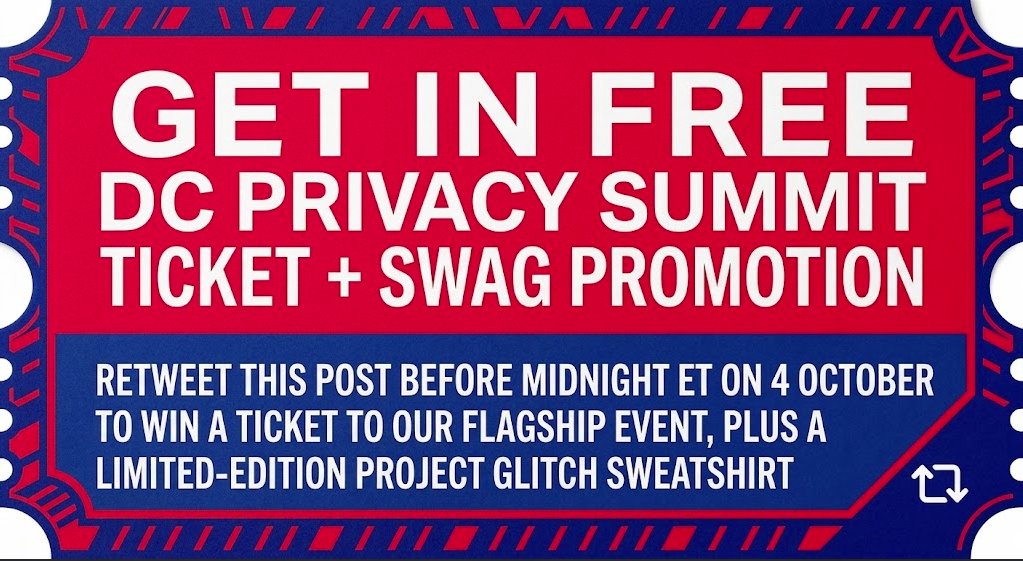
We're giving away 1 ticket to our flagship event + a limited-edition Project Glitch sweatshirt.
RT this post before midnight ET on Oct 4 to enter. Good luck! 🐈⬛
*Terms of the giveaway in thread.
@laurashin@kstellana@GenLayer@CryptoHayes@flop_labs For a law review length piece on bonding/escrow for AI agents, see https://t.co/zQfcMYCV2Z
(based heavily on the logic of slashing penalties on proof-of-stake networks)
Always great to talk w. @federicoast, especially b/c he hosted an event at @KingsCollegeLon where I presented an early draft of https://t.co/3a3Fz562bE (thanks to @TheIHS for support). Color me unsurprised yet delighted a dispute protocol like (@Kleros_io) is working in related areas!
A conversation with Eric Alston @IncompleteRules, professor at the University of Wyoming, covering key topics for the future of the legal industry.
- Liability in a world of economic transactions done by AIs.
- Enforcing judicial decisions against agents.
- The limits of AI in judicial decision-making.
Enjoy!
here's my hot take on swarm governance - require bonded resources at any network credentialing stage that are then subject to automated penalties (w. penalty reversal on appeal). Should improve alignment and provide a recovery fund in cases of cascading emergent harms
https://t.co/YETEztK3kF
@mtokson I have a project with F. Carugati exploring how sufficient acceleration in information technological change can erode the constitutional basis on which legitimacy and thus state capacity depend. I'd enjoy reading your draft when it's public.
@ProfArbel Harms emergent from ai coordination need a tailored institutional response. Deterrence that operates in the same context in which agents act has advantages. Automated penalties on resources bonded at the credentialing stage have specific strengths here. https://t.co/zQfcMYCV2Z
@Catface_OJK@VincentGeloso Aren't those reflected directly in the utility functions of the cartel members? Unless we impose a subjective measure of merit, isn't expected utility maximization to any cartel member the rawest measure of "merit" within that cartel?