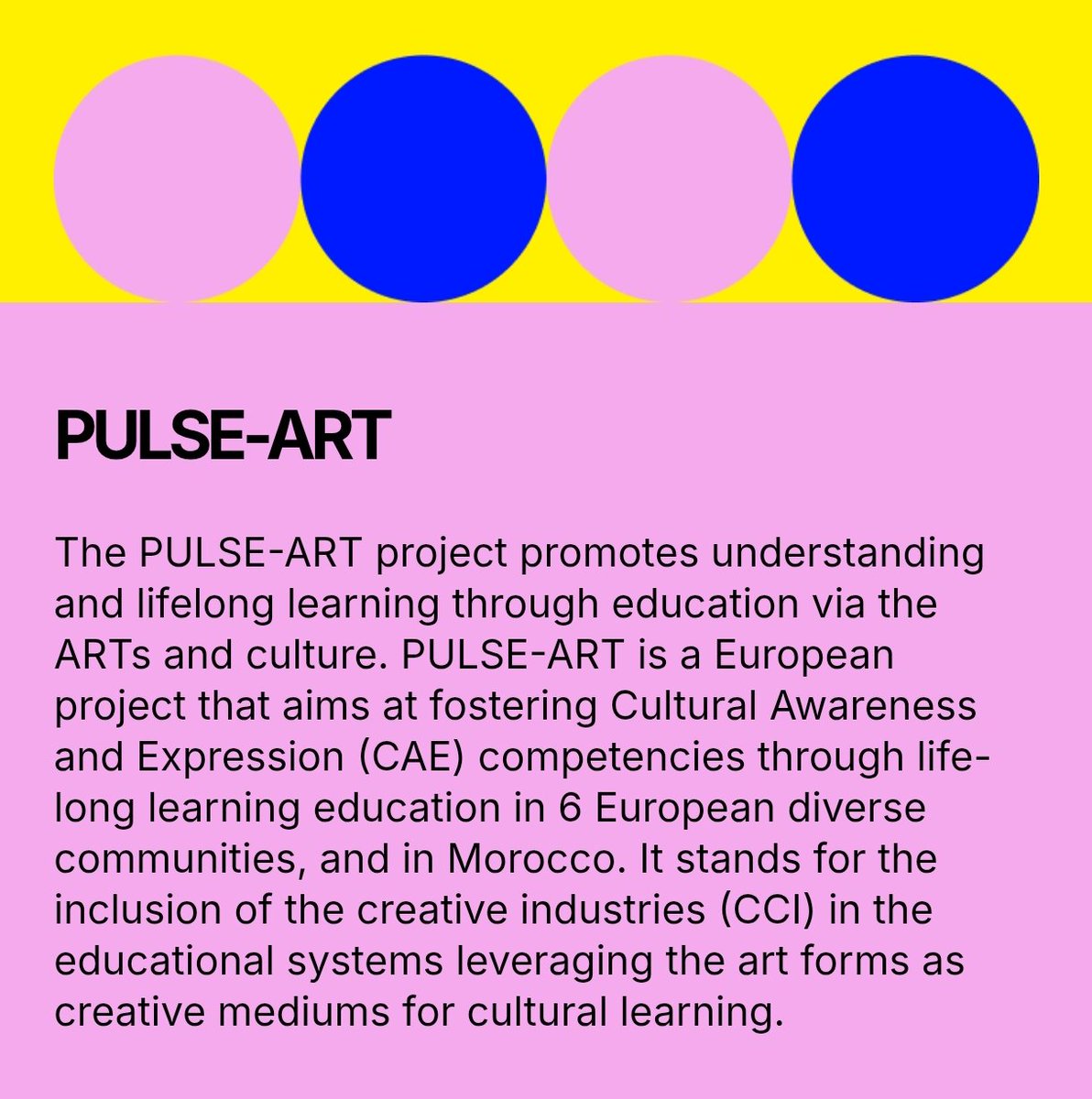
Join the #PULSEARTproject Online Pilot Training on Art-Based Learning. It will be implemented across 7 case studies throughout EU. Format: 6 online sessions, 90 minutes each. Free of charge.
Title: #ScienceintheCity Post Festival: #minAI#GameJam: Create to Escape
When: 14th March (Saturday) 12pm
Where: Online, Zoom link will be sent via email once you book the free ticket
Target audience: 14-16 year
Tickets: https://t.co/cZ9mwjEN9T via @UMmalta
After a year-long writing journey, we are excited to announce that the second edition of our Artificial Intelligence and Games textbook, co-authored with @togelius, is finally available for pre-order through @SpringerNature! Publication date is expected in April 2025.
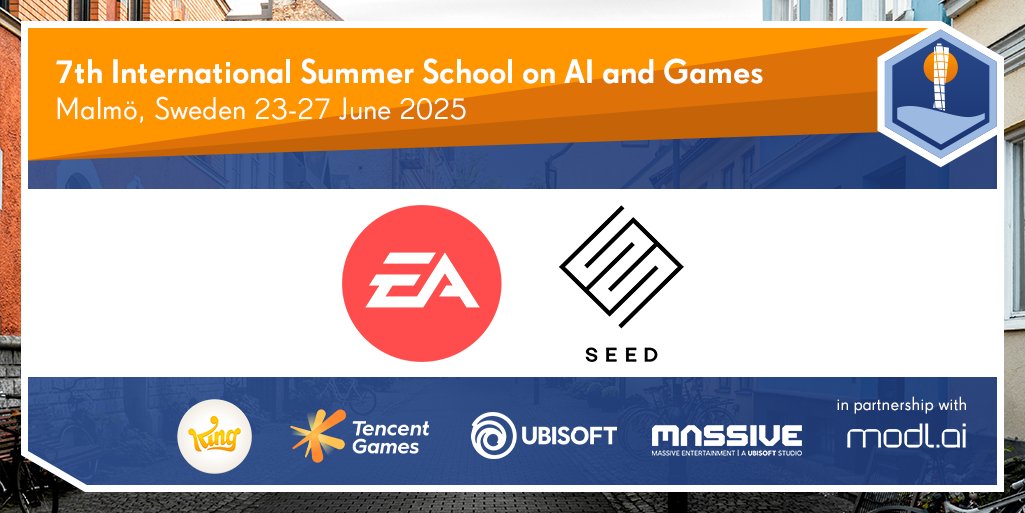
We are excited to partner with @EA & @seed for the #GameAISchool25! SEED is at the forefront of AI, machine learning, and game tech research, driving the future of interactive experiences.
Join us and explore the next era of game AI!
Register today! https://t.co/wGMZOIqhMn
Early bird registration for the @GameAISchool in Malmö, Sweden, is now open! Secure your seat early and join us for a 5-day event covering the latest academic and game industry advancements in AI and games, followed by a game AI jam. We are looking forward to welcoming you all!
Take a leap forward into virtual reality gaming that feels, looks & sounds truly real.
Get the PlayStation VR2 now: https://t.co/DpMG7sx3Ip
#GameStop#PlayStationVR2#VR
I’ve resigned from my role leading the Audio team at Stability AI, because I don’t agree with the company’s opinion that training generative AI models on copyrighted works is ‘fair use’.
First off, I want to say that there are lots of people at Stability who are deeply thoughtful about these issues. I’m proud that we were able to launch a state-of-the-art AI music generation product trained on licensed training data, sharing the revenue from the model with rights-holders. I’m grateful to my many colleagues who worked on this with me and who supported our team, and particularly to Emad for giving us the opportunity to build and ship it. I’m thankful for my time at Stability, and in many ways I think they take a more nuanced view on this topic than some of their competitors.
But, despite this, I wasn’t able to change the prevailing opinion on fair use at the company.
This was made clear when the US Copyright Office recently invited public comments on generative AI and copyright, and Stability was one of many AI companies to respond. Stability’s 23-page submission included this on its opening page:
“We believe that Al development is an acceptable, transformative, and socially-beneficial use of existing content that is protected by fair use”.
For those unfamiliar with ‘fair use’, this claims that training an AI model on copyrighted works doesn’t infringe the copyright in those works, so it can be done without permission, and without payment. This is a position that is fairly standard across many of the large generative AI companies, and other big tech companies building these models — it’s far from a view that is unique to Stability. But it’s a position I disagree with.
I disagree because one of the factors affecting whether the act of copying is fair use, according to Congress, is “the effect of the use upon the potential market for or value of the copyrighted work”. Today’s generative AI models can clearly be used to create works that compete with the copyrighted works they are trained on. So I don’t see how using copyrighted works to train generative AI models of this nature can be considered fair use.
But setting aside the fair use argument for a moment — since ‘fair use’ wasn’t designed with generative AI in mind — training generative AI models in this way is, to me, wrong. Companies worth billions of dollars are, without permission, training generative AI models on creators’ works, which are then being used to create new content that in many cases can compete with the original works. I don’t see how this can be acceptable in a society that has set up the economics of the creative arts such that creators rely on copyright.
To be clear, I’m a supporter of generative AI. It will have many benefits — that’s why I’ve worked on it for 13 years. But I can only support generative AI that doesn’t exploit creators by training models — which may replace them — on their work without permission.
I’m sure I’m not the only person inside these generative AI companies who doesn’t think the claim of ‘fair use’ is fair to creators. I hope others will speak up, either internally or in public, so that companies realise that exploiting creators can’t be the long-term solution in generative AI.
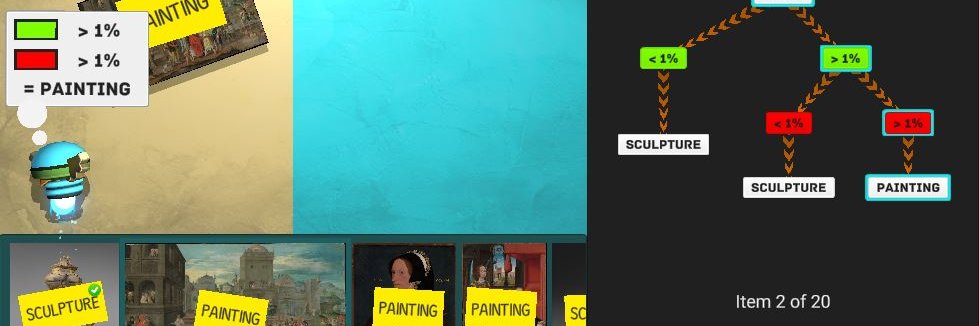
A few words about our citizen science data-game for the AI training and optimising of the Robotic Material Recovery Facility, and introducing players to the impact and good practices of recycling.
RECLAIM game
https://t.co/3sjdu9NR9C
@reclaimboxeu@InDigitalGames
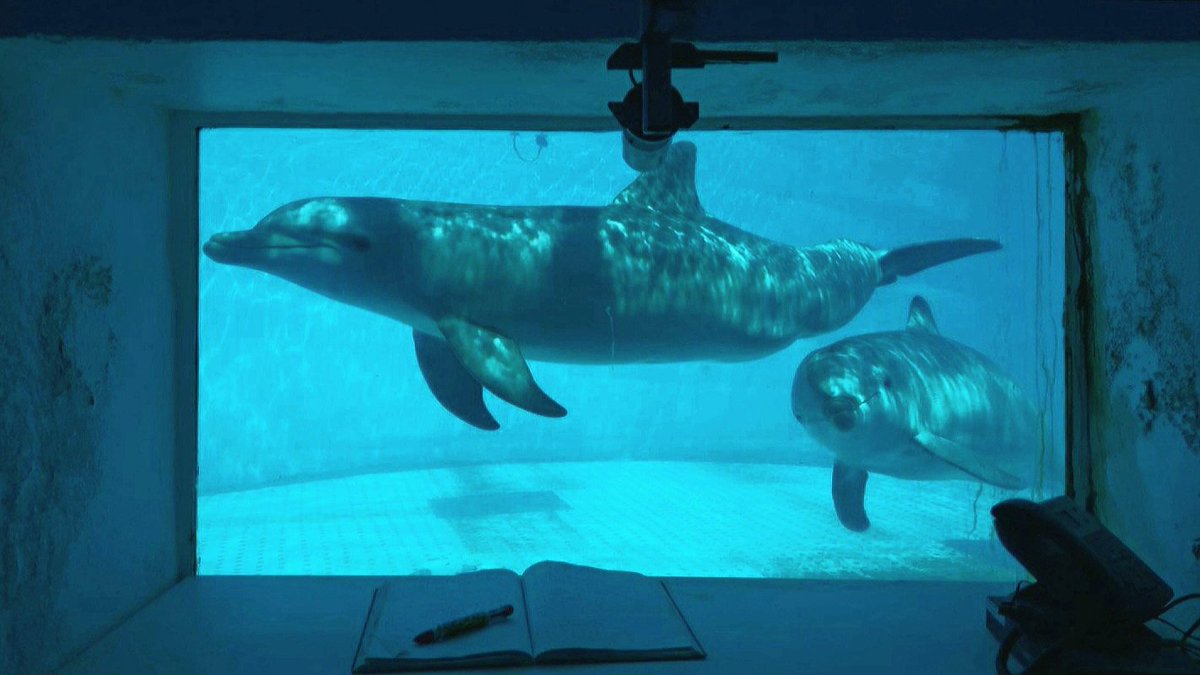
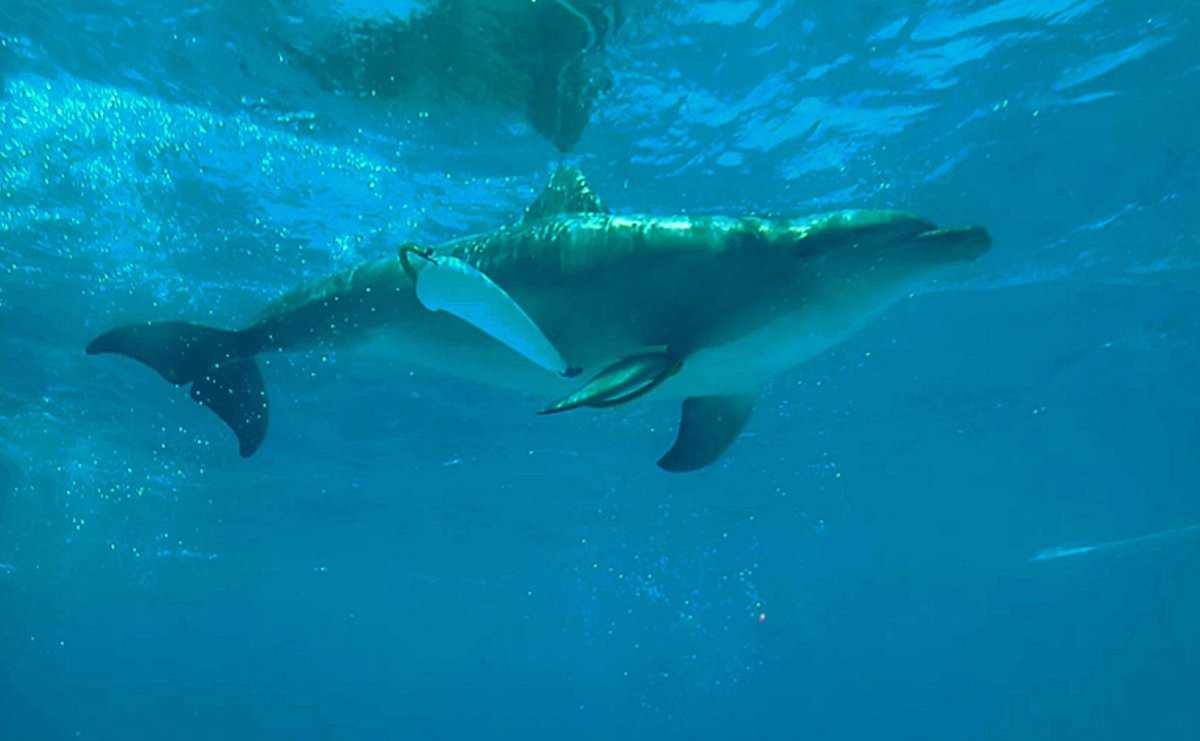
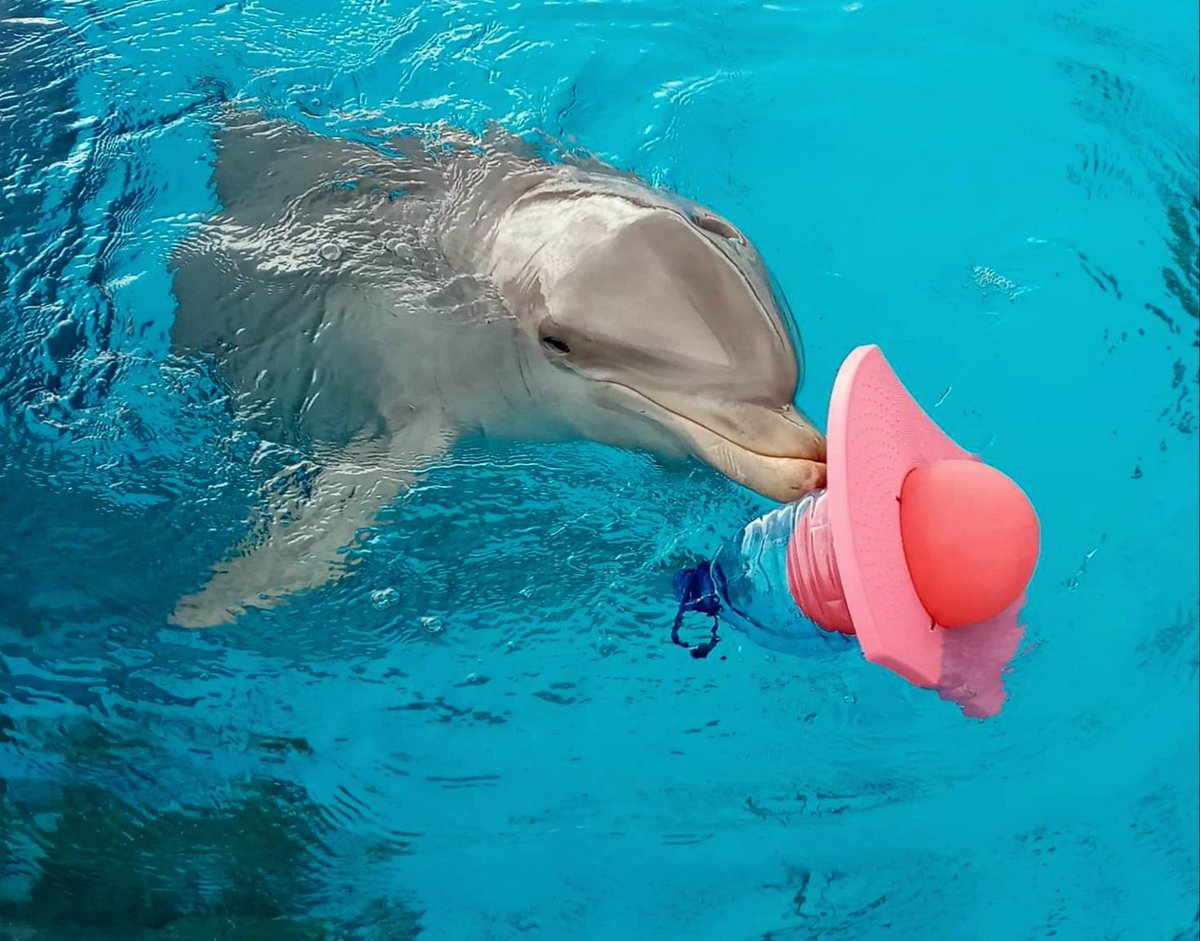
Yoohoo our paper with @Gua_Le_Ni and Guillermo J. Sánchez Contreras "Co-designing Enrichment Toys with Bottlenose Dolphins: Playfulness as a Corrective to Anthropocentrism" got accepted at the Animal-Computer Interaction Conference! 🐬💙 ^^ @animal_computer#ACI2023#dolphins
📣 Are you involved in running #STEAM activities? We want to learn from you!
Help us map and analyze existing STEAM practices in Europe. Join the conversation, and fill out our short survey 👉 https://t.co/mVKNKsfaZE
#Ecsite#EcsiteEUProjects
How can we transfer emotion models trained in lab data (in-vitro) to the real-world (in-vivo)? Imagine those fancy physio sensors you can only use in the lab; in the wild, however, pixels is all you have if you are lucky! We show that privileged information is a great answer!