Happy October! October takes its name from being the 8th month of the Roman calendar (octō=eight). Helmeted deity riding on a genius with the claws of Scorpio, the zodiac sign starting in October, in his hair. 3rd century AD mosaic from Hellin (Spain).
Tomorrow (Thurs) lunchtime I am launching my new book at Waterstones Piccadilly. Signing, chat and there is to be some kind of stunt, but I haven’t been told what that is! Will I get a praetorian guard or a chariot? Details below.
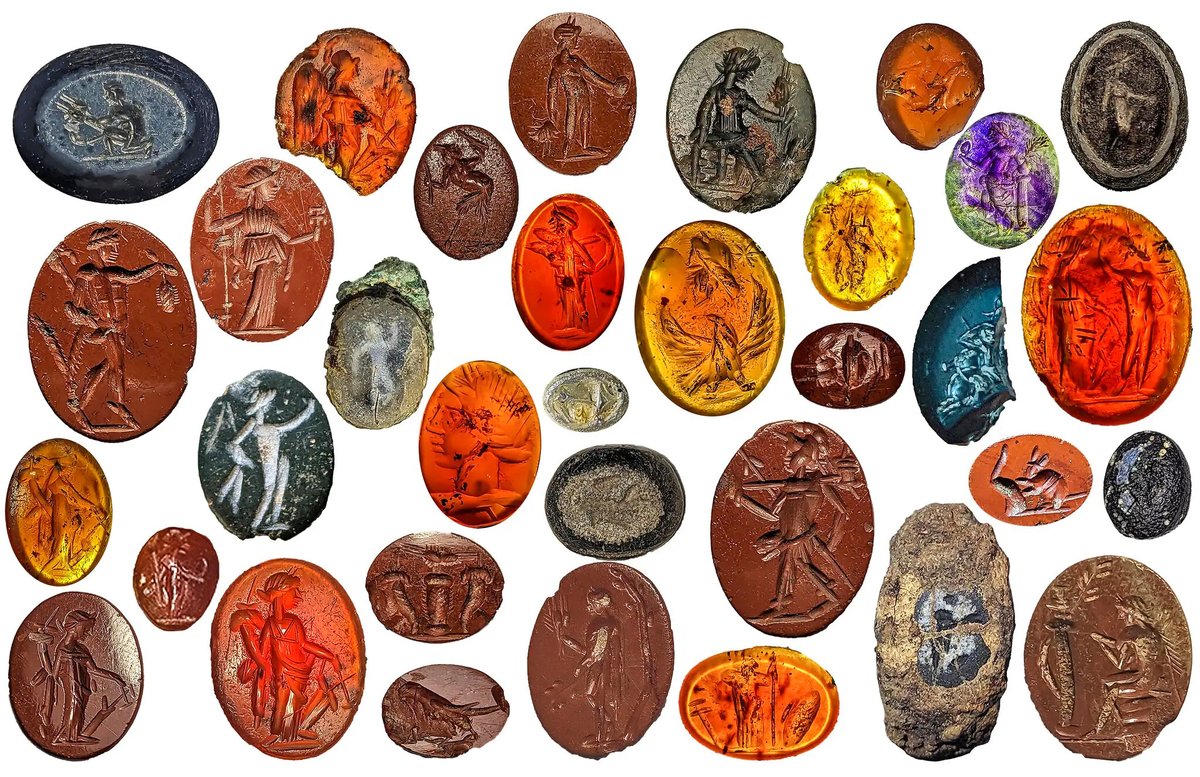
Roman intaglio gems found in the drains of an ancient bathhouse near Hadrian's Wall. The delicately carved gems of amethyst, jasper, and carnelian fell from the rings of Roman bathers in the 2nd–3rd century and were washed into the stone drains. From Carlisle Roman Baths.
realising that I now can log in with my Oxford account on jstor/oxford academic/etc. and get an even wider access to texts is like waking up on Christmas morning
A beautiful ancient Roman still-life painting. This fascinating fresco from Herculaneum's House of the Deer shows a bowl of dried figs and dates with a delicate glass of honey alongside. Look closely and you can see two bronze and silver coins inserted into the dates as gifts!
This likely represents the type of platter enjoyed by Romans on 1st January as part of their New Year's celebrations, when coins and dried fruits were given as presents to loved ones. In his poem On the Roman Calendar, Ovid describes the sweet New Year 'gifts of dates and dried figs...and honey glistening in a snow white jar', given in the hope of 'good omens, that the rest of the year might be as sweet as its start.' (Fasti, 1)
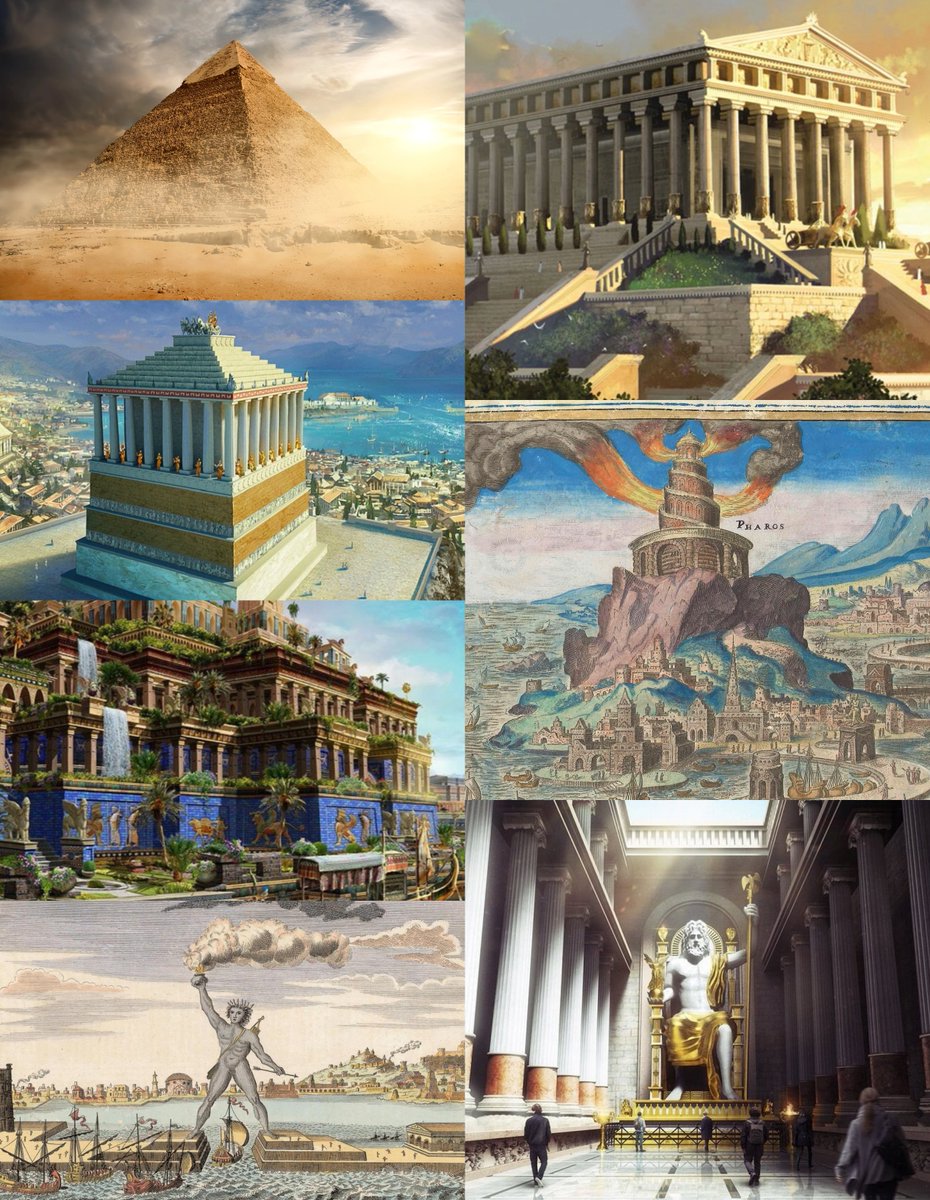
We've all heard of the Seven Wonders of the Ancient World.
But where are they? Who built them and why? Were they even real?
Well, the first thing is that the idea of "Seven Wonders" is itself 2,000 years old...
Did you visit The MERL today with this bunny and accidentally leave without it?
If they're yours, please know they're currently being looked after by our front of house team!