Hey there #MedTwitter!
I’m Ivan Arnaud, postdoc fellow at @UTMDAnderson and IMG from @TecSaludMX 🇲🇽 applying to Internal Medicine #Match2027
I am passionate about #HemOnc research and difficult clinical cases. Into literary fiction and expository nonfiction📚
AAMC ID: 15731886
Hey there #MedTwitter!
I’m Ivan Arnaud, postdoc fellow at @UTMDAnderson and IMG from @TecSaludMX 🇲🇽 applying to Internal Medicine #Match2027
I am passionate about #HemOnc research and difficult clinical cases. Into literary fiction and expository nonfiction📚
AAMC ID: 15731886
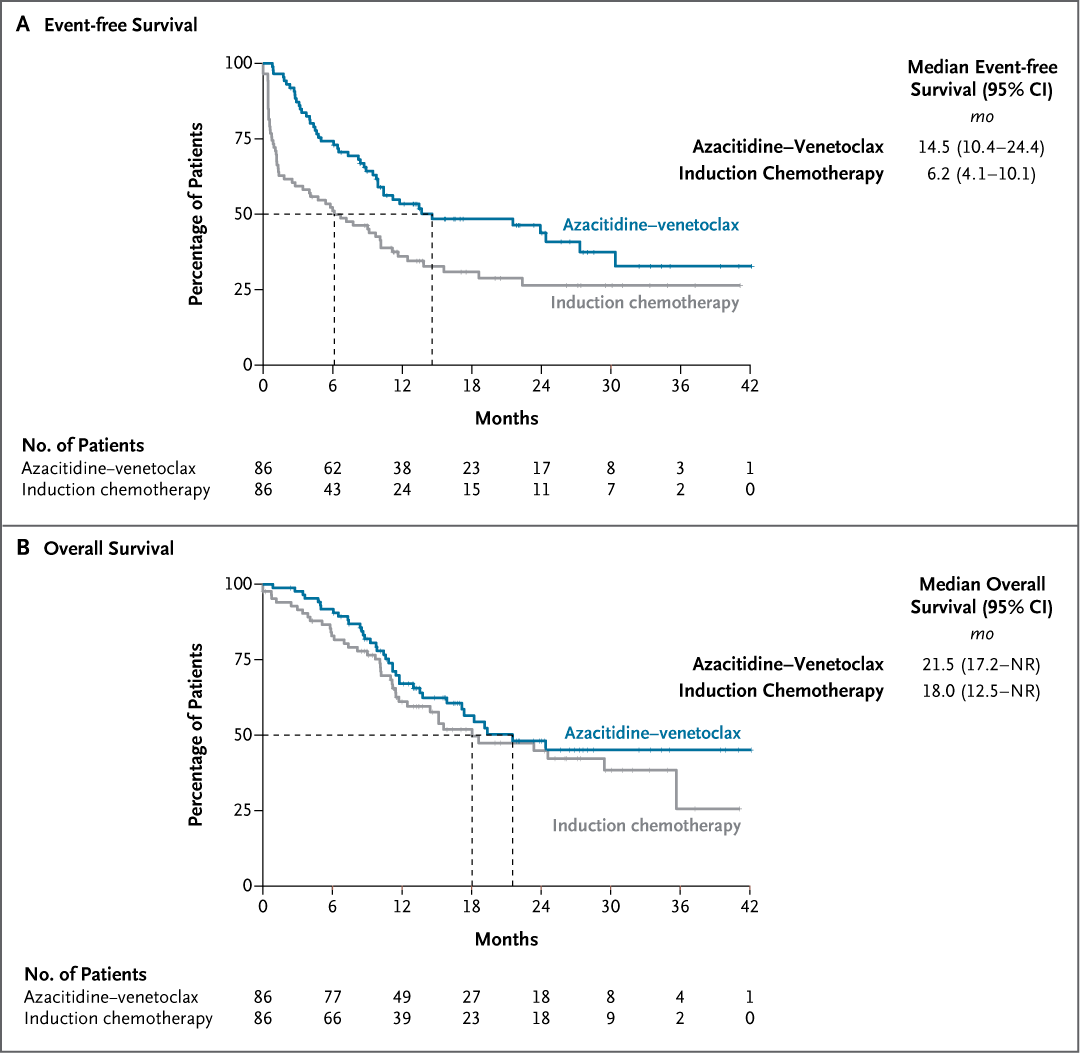
In a randomized phase 2 trial involving adults with AML, azacitidine–venetoclax led to longer event-free survival than induction chemotherapy, with a lower risk of severe infection and hemorrhage. Full PARADIGM trial results: https://t.co/iiDNsw6CUW
Editorial: Hypomethylating Agents plus Venetoclax as Compared with Intensive Chemotherapy in Patients with AML https://t.co/zsAPQjxEDb
Happy to have received the OET Gold Badge for my performance on the OET Medicine exam. Another step completed toward ECFMG certification and the Internal Medicine Match.
#Match2027
https://t.co/7mCpWnZxFc
BREAKING: The most controversial article of the year, claiming that early morning immunotherapy works better than in the afternoon, is now retracted.
After reading the responses provided by the authors to the inconsistencies raised in the web, the @NatureMedicine editors no longer have confidence in the integrity of the results. The only prospective evidence that time-of-day matters for immunotherapy is now gone.
https://t.co/aXUY6aekhl
To me, this means (at least) two things.
First, it confirms that prudence on this topic was and remains critical. For as inexpensive it may be to give a drug earlier or later in the day, it carries a much more relevant cost: the one of scientific integrity. We owe our patients to make decisions based on solid data. We should not give up this practice too easily, particularly in the presence of several concerning red flags.
Second, this retraction should also prompt a broader reflection on the current state of peer review, in which unpaid reviewers struggle to keep up with a steady rise in submitted papers. Journals need to improve the process by implementing a formal, consistent, in-depth review of each paper by paid professionals. A practice that, in this case, may have avoided a retraction arriving after 22 citations and after inclusion of this study in at least one meta-analysis. And possibly, after some physicians had already changed their practice in IO administration.
For a thoughtful recap of this story, I recommend this well-written new piece in @ScienceMagazine by Laura Agudelo. I’m grateful to Laura for including my perspective in the article.
https://t.co/qHM5fMjwQ3