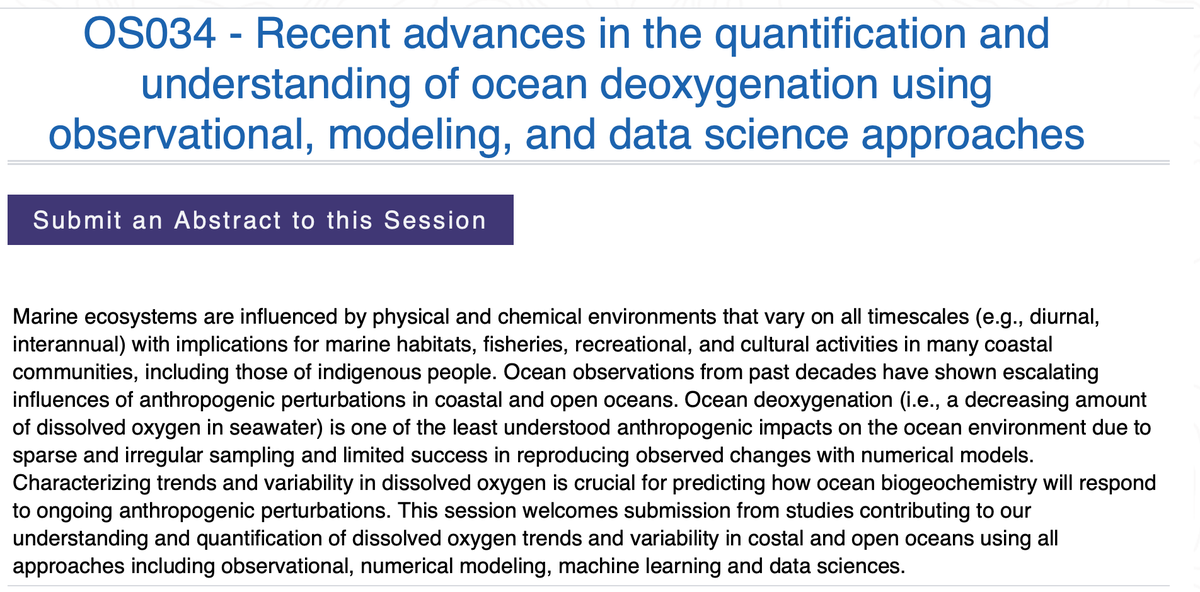
🚨 Interested in mapping ocean biogeochemical data 🌐 or learning about newly available data products??
Please consider submitting an abstract to our session on observation-based data products of ocean biogeochemistry at #OSM24 (OB013)
🗓️ due Sept. 13
https://t.co/uZWXSHXRoO
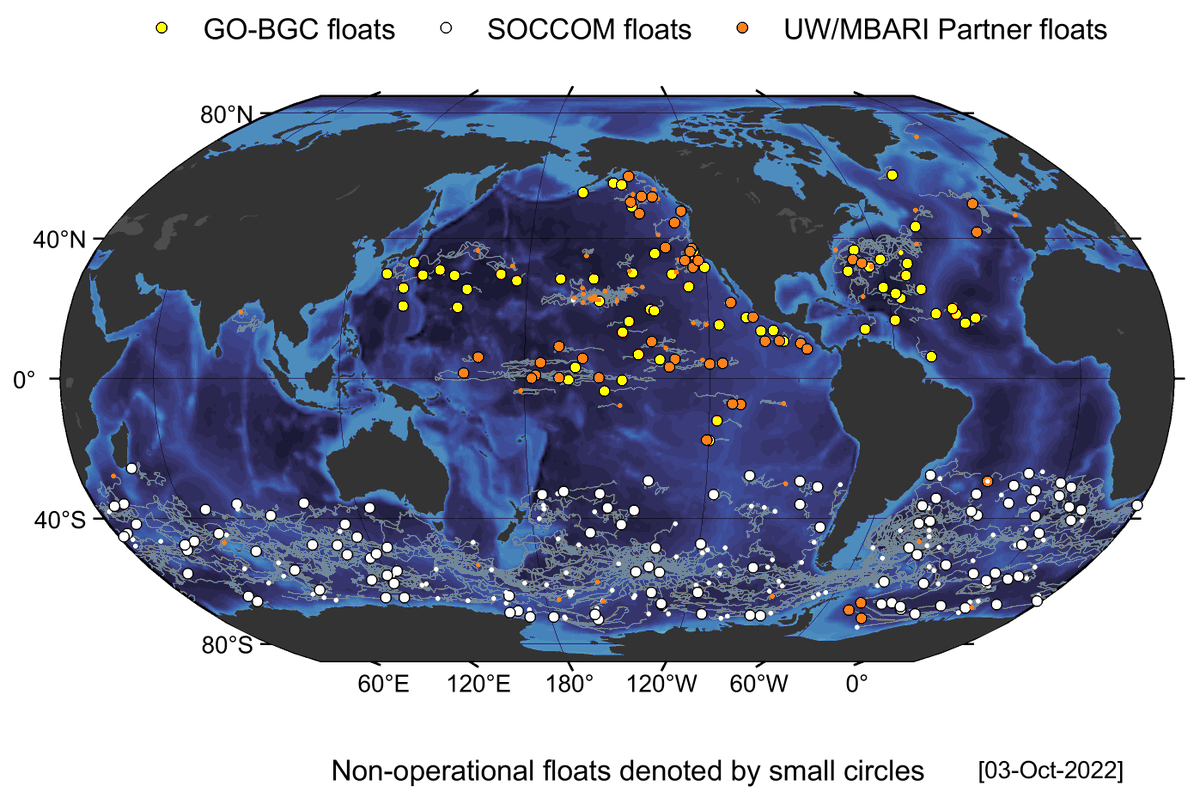
Awestruck by the progress of @GO_BGC shown by today's update from @TakeshitaLab about @bgc_argo float deployment: +54 floats just since Oct. and #IndianOcean deployments coming! And a data user workshop in Boston this summer! Keep eyes here: https://t.co/xrinD7pWqd
The @GO_BGC webinar tomorrow will focus on observing mesoscale processes with @bgc_argo floats. Find more info from @US_OCB and register for the webinar here! https://t.co/nAM1b6tNFH
Still time to register for the 3rd installment of the @bgc_argo webinar series tomorrow, presented by @GO_BGC and @US_OCB! We'll get an update on the GO-BGC array, then hear two talks about the effects of weather and extreme events on ocean biogeochemistry https://t.co/nAM1b6tNFH
🚨New Review!
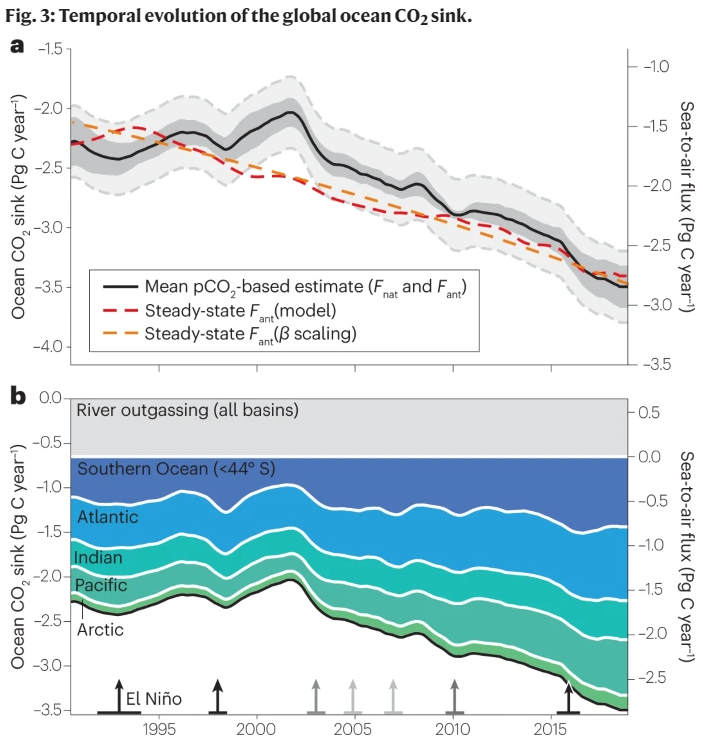
Carbon uptake by the ocean has increased alongside rising atmospheric CO2 concentrations, but with substantial variability
Nicolas Gruber et al examine trends & variability in ocean CO2 uptake from 1990-2019🌊
https://t.co/am8BYW4EbM
Free: https://t.co/JUHrn865Ks
It's official. I will be the next U.S. Senator from Pennsylvania.
We bet on the people of Pennsylvania - and you didn’t let us down
And I won’t let you down. Thank you.
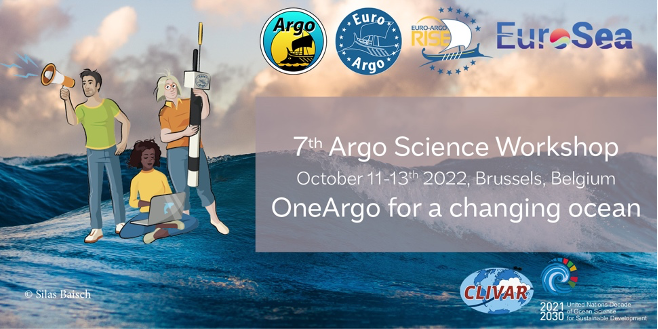
📢🥳The 7th Argo Science Workshop is starting!
Let's go for 3 days of exciting talks and discussions about #Argofloats and applications the new #OneArgo array is opening!
👋Any questions? Visit the #ASW7 dashboard: https://t.co/FWrHQ0nt7Z
#EARISE#EuroSea#H2020#CLIVAR
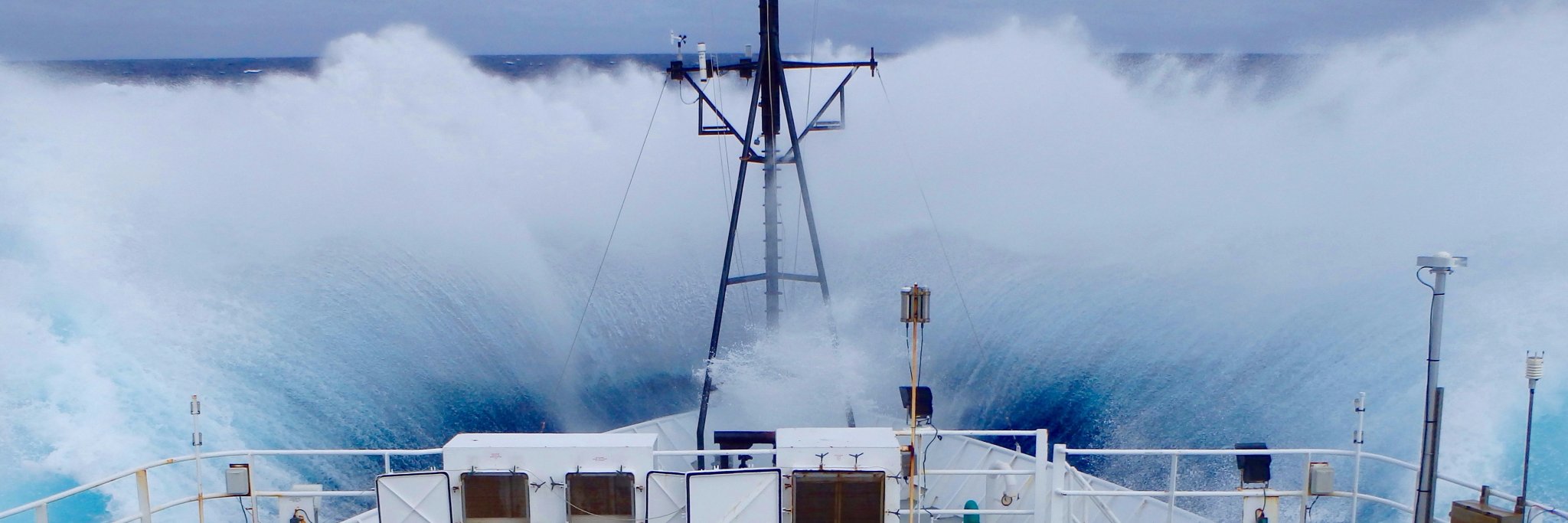
BREAKING NEWS: Saildrone and @NOAA have released the FIRST video from Cat 4 Hurricane Fiona! SD 1078 is battling 50-foot waves and winds measured over 100 mph! #hurricanefiona#saildrone#noaa
https://t.co/8BSCR13tSY
The next @US_OCB webinar is June 29 at 10 - 11 am PDT: Understanding ecological dynamics using BGC-Argo data.
Learn more and register here: https://t.co/PLfsgwpKG7
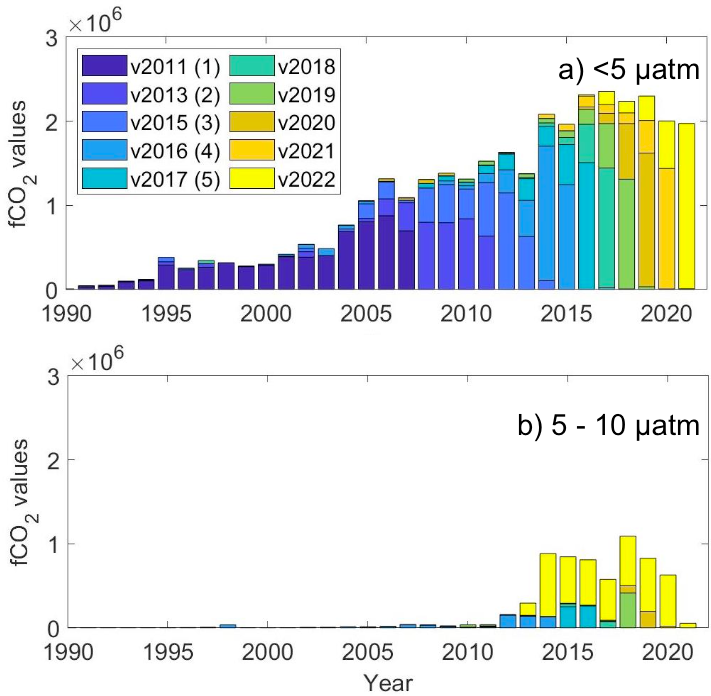
SOCAT v2022 is released today! A combined total of over 40 million surface ocean pCO₂ observations. As always, thanks to all the contributors, QCers and coordinators who keep this effort going.
Details:
https://t.co/D7HUmoKSEE
Data:
https://t.co/7VOx799Z1K
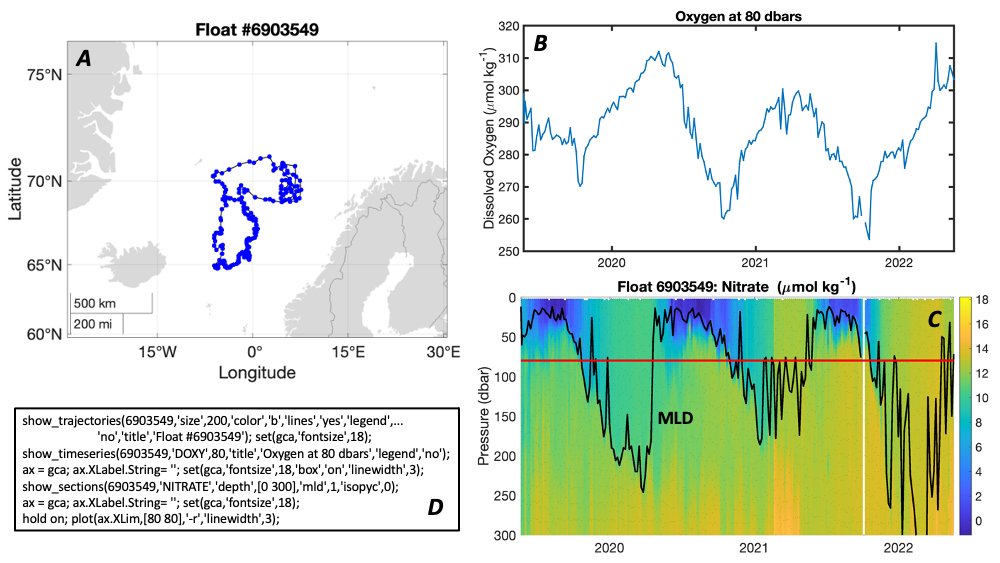
@US_OCB @noaapmel And in case that explanation wasn't exciting enough, here are some example figures that can be created by the OneArgo-Mat toolbox, all with the few lines of code shown in the lower left panel.
New @US_OCB Science Highlight detailing our Matlab and R toolboxes for accessing, visualizing, and otherwise working with Argo data. These toolboxes are the result of a lot of hard work from folks in our group at @noaapmel and elsewhere. Go check 'em out! https://t.co/ekZkBoPmmI
Huge thanks to @aj_fassbender, Brendan Carter, @thesciencepaige, and Adrienne Sutton for their work on this project!
Stay tuned for future work constructing complementary data products for other U.S. Large Marine Ecosystems...
This work highlighted for me the need to invest more in sustained carbon observations in the coastal ocean, where the magnitude and variability of carbon fluxes tend to be far greater than in open-ocean areas. (graphic from the @noaapmel Carbon Program)
RFR-CCS will be useful for validating high-resolution regional models, studying the drivers of spatiotemporal CO₂ flux variability, and quantifying patterns of ocean acidification in the California Current Large Marine Ecosystem.
Using @NOAA mooring data, we find that RFR-CCS successfully captures the seasonal cycle of pCO₂ in the nearshore ocean, performing better than regional extractions from global-scale gridded pCO₂ products.