@TuckerGoodrich@trikomes@OmegaQuant Sorry to disagree w him — the health risk is overstated, but the answer is even after adjusting for flavoring, mean TOTOX is exceeded in 13-63% of sample, but sure if improved, see iFOS, https://t.co/NMfWZHnB05.. also, flavor used to deceive https://t.co/J6pdzwQF6T
Public service announcement: the question of whether or not supplemental fish oil can cause damage has largely been studied — see Ottestad 2012 (also 2013) in an rct of FO, Oxidized FO and Sunflower Oil ABSOLUTELY NO DIFFERENCE in any inflammatory marker! https://t.co/hQ5QfnfjMQ
@Rom6233@paulsaladinomd@PhD_Leigh@Madam_Mito This means it’s not even a question that if you do a trial — fish oil against fish consumption — on major adverse outcomes, it is obvious in most aggregated studies that fish consumption is better, maybe theoretical benefit to fish oil over fish but haven’t seen yet
@Rom6233@paulsaladinomd@PhD_Leigh@Madam_Mito There is limited evidence that fish oil, rancid or not, can cause significant harm, particularly in the short term. Also, most oils now on the market especially those that are USP, iFOS are safe. Don’t be scared of fish oils. Yes, fish is always a superior source obviously
@Madam_Mito@paulsaladinomd Incredible I wish @paulsaladinomd would invite our lab on for a few minutes (way better to have Bill Harris) — the thing is I think he just doesn’t know the data and has never had anyone who publishes on this discuss the data in real time not hard to fact check
What is the clinical evidence to support off-label rapamycin therapy in healthy adults?
👉"This paper has reviewed trials of low-dose mTOR inhibition therapy in human subjects. What emerges is a complex picture that remains insufficient to affirm or negate the longevity and healthspan extending benefits attributed to rapamycin."
@jacobmhands@mike_lustgarten@PhD_Leigh@DrBradleyRosen1 | @AgingJrnl
https://t.co/yZ1q4dQjwn
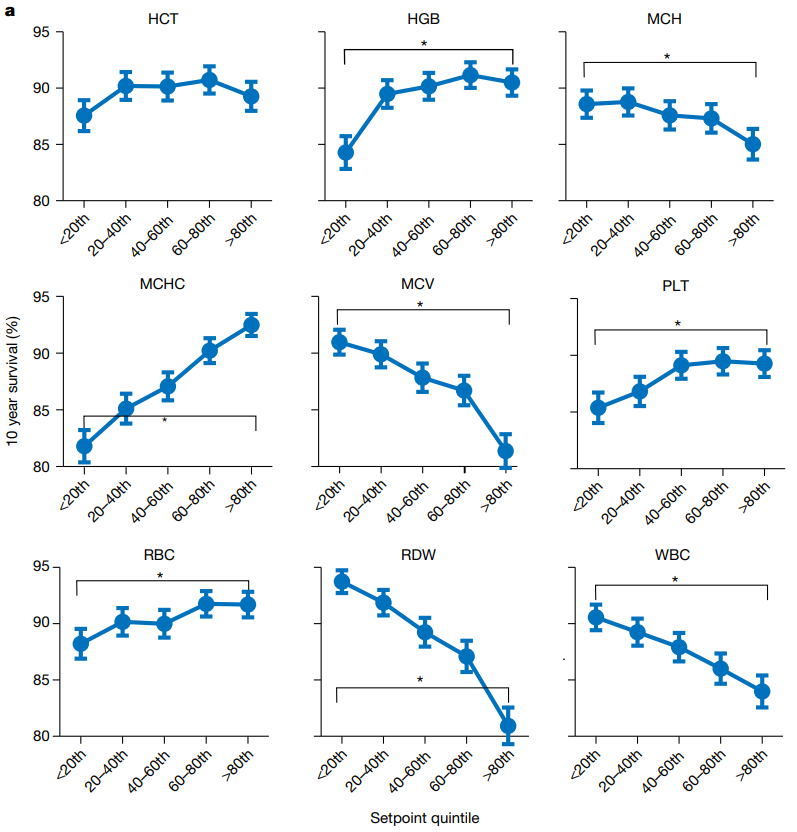
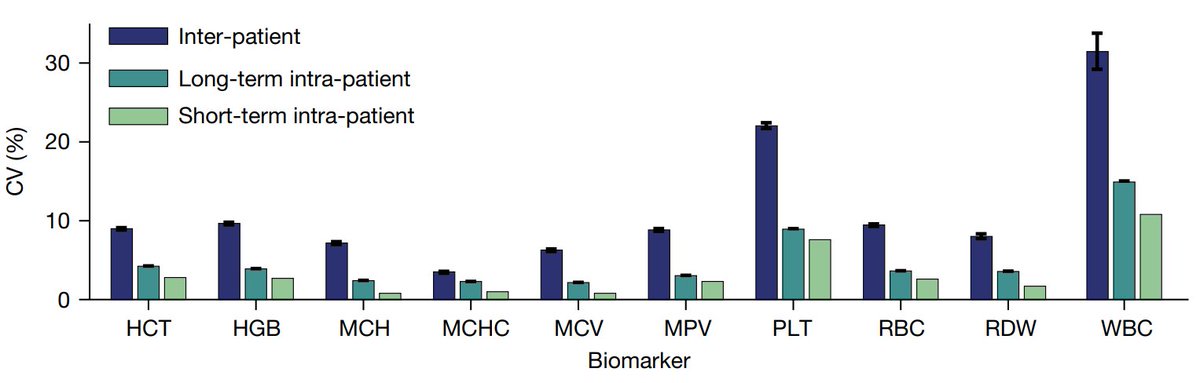
6. We need to personalise blood test ranges
An individual's ranges are much more narrow than the 'normal' reference range
And when the numbers change - even when they're within the reference range - it alters disease risk and survival outcomes
https://t.co/r9f61PNqwV
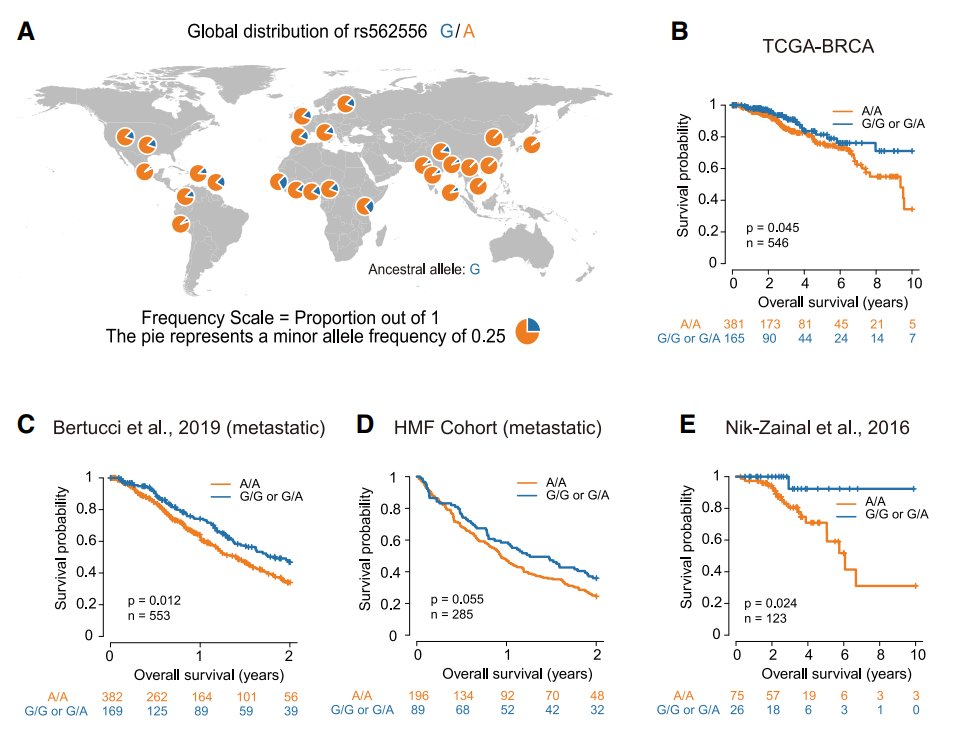
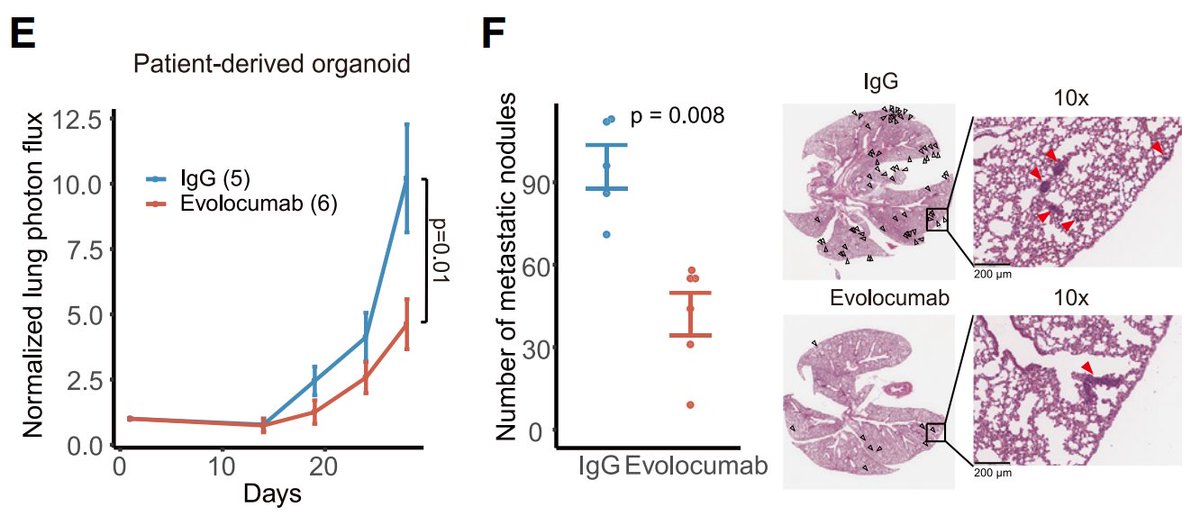
4. A common inherited variant increases cholesterol levels and reduces survival in breast cancer
The PCSK9 variant, A/A (V474I), is present in ~70% of Europeans
In mice, blocking PCSK9 reduced breast cancer metastasis (and cholesterol levels, too)
https://t.co/I1NRlDzgL8
Biggest medical discoveries of the week (🧵)
1/8
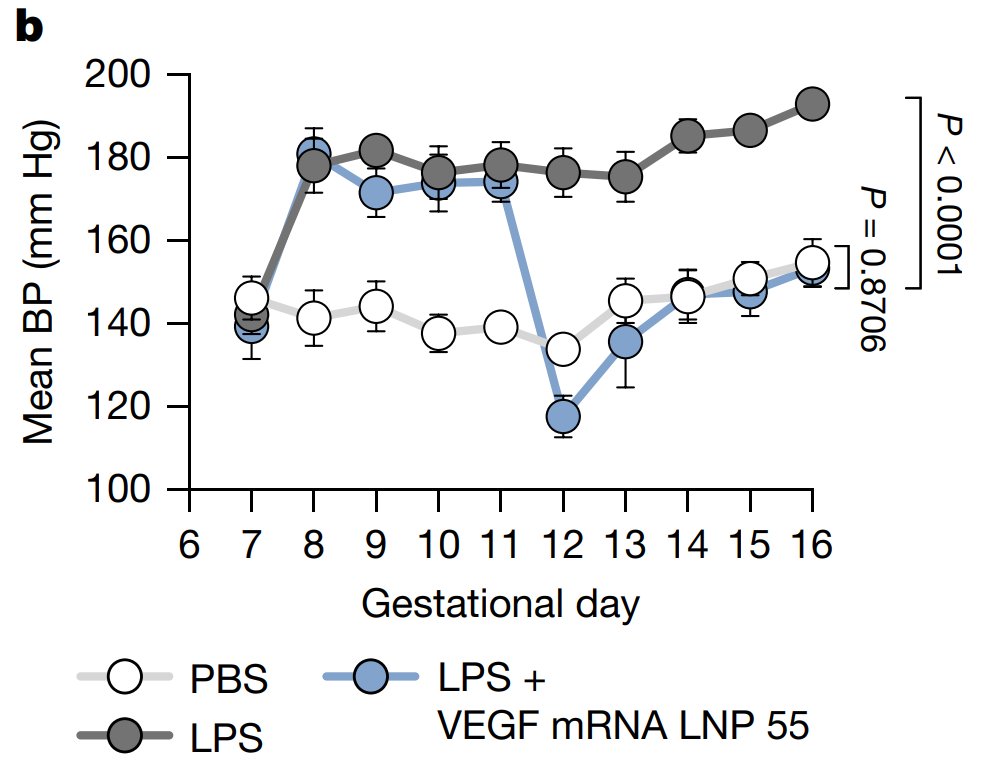
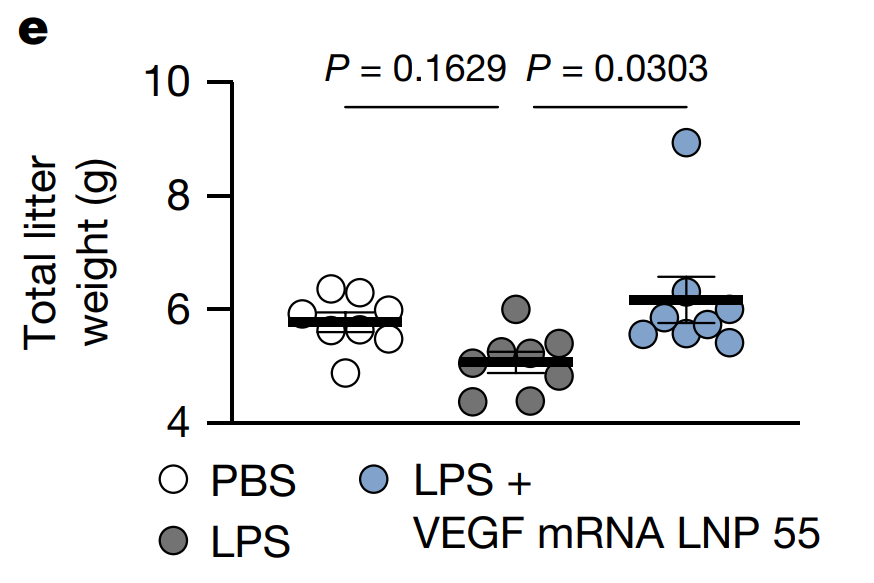
Treating pre-eclampsia by sprouting new blood vessels
Delivering VEGF to the placenta (intravenously, via placenta-tropic mRNA nanoparticles) resolved high blood pressure and birth weight (in mice!)
https://t.co/NUUUprLUbL
Worried about omega-3 supplementation? Listen to this #podcast and read our review on the science behind omega-3 supplements & why studies are conflicting or null: https://t.co/Ci0acDC42d
Also, our study on rancidity in omega-3 supplements: https://t.co/2hxDWuxbp5
@jacobmhands
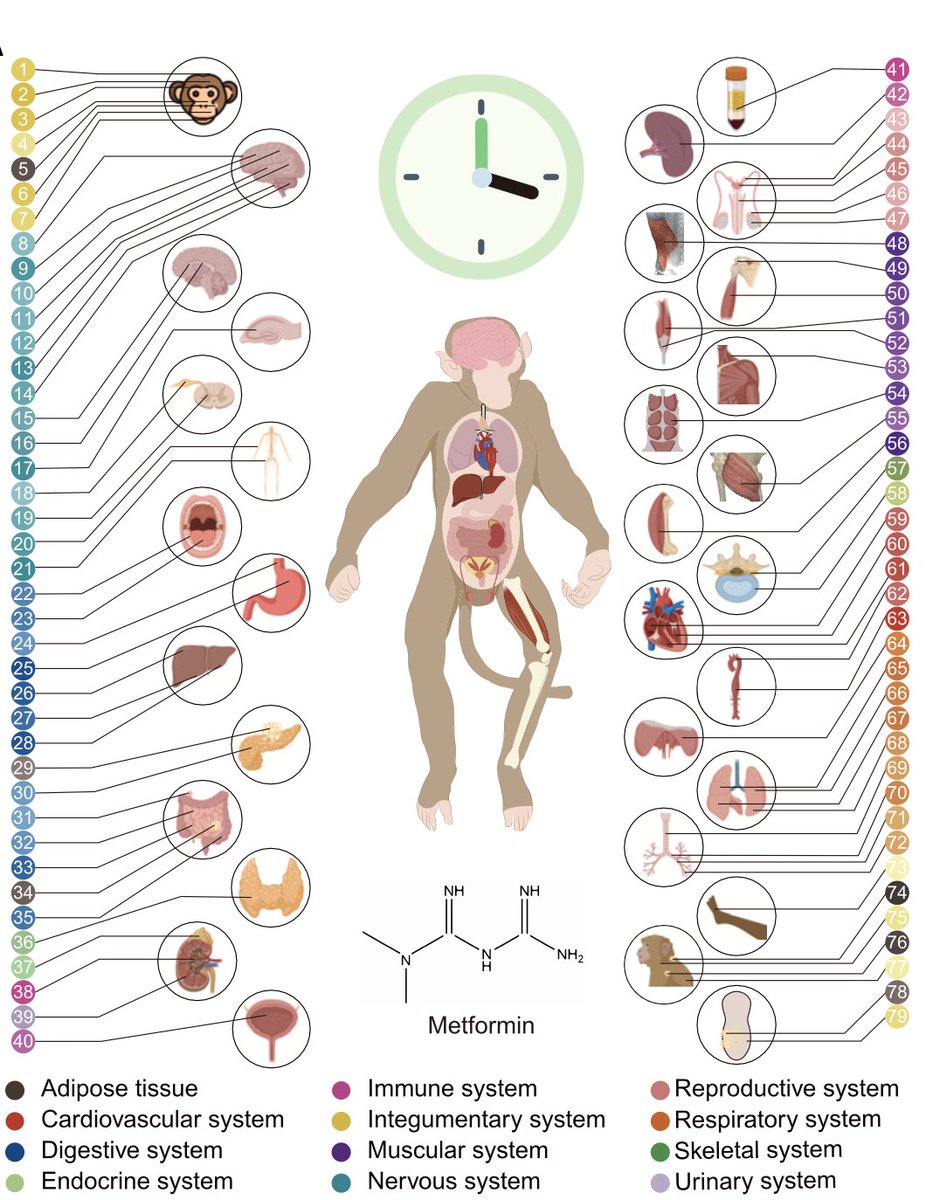
The anti-aging impact of metformin (randomly assigned, with controls) in male monkeys after 40 months of treatment, a pan-omic clock assessment
—~6 year regression of brain aging, with prevention of atrophy and enhanced cognitive ability
—minimal effect on blood sugar
—evidence for multi-organ decelerated aging
https://t.co/ENFZHZOxZS @CellCellPress
@actem_care @lipo_fan@JohnKastelein@OxPL_apoB More large HDLp better cholesterol uptake in peripheral tissues that gets recycled back to the liver less CHD supposedly
Great analysis of HDL-p size and CHD risk with and without DM
Large HDL-p often associated with protection, though smaller HDLp doing most of the efflux — strikes me as strange because large should be doing uptake in periphery — question for @lipo_fan@JohnKastelein@OxPL_apoB
These data advanced our knowledge about the interactions between HDL and diabetes 👇
🔗https://t.co/VSKDyAAzfI
@society_eas@atherosociety @ELS_Cardiology #EASSoMe#CvPrev
@JohnKastelein@lipo_fan@OxPL_apoB Fascinating so basically you would argue that given low large HDLp your concern is not so much CHD but actually CETP related issues? Also, if ApoE mediated shouldn’t ApoE4s have many, many large HDL because binding is too tight and thus not recycled?
Mice with "mitochondrial disease" caused by an OxPhos complex I defect are healthier and live longer if they are intravenously injected with mitochondria
Are circulating mitochondria a source of resilience for the organism?
Important work @BrestoffLab
https://t.co/akOfIyC7BL