@neuromanter thanks for all your help concerning the chats we had about this young athlete with MALS. There is now a positive resolution to the situation and hopefully the athlete will be returning to sport in 2025 🙏
If you want to help your child enjoy sports more, it starts with what you ask immediately after the game.
Those questions are the "consequences" of performance - what your kid will remember most.
If you want sports to be fun, start by asking what they enjoyed and learned/
Had a great conversation with Tom from Spill the Watt’s podcast this morning. If you’d like to take a listen, click the link below 🙏🏻🖤
https://t.co/zpm4lB0PNf
Interesting case: For the last year I have been coaching an extremely talented youth who was suffering from severe abdominal cramps during HIT training & racing.
The athlete had been to several doctors, specialist and exercise physiology labs and gotten a clean bill of health.
@feelthebyrn1@EliasLehtonen We travel quite a bit with the Turku<>Stockholm ferry.
We usually travel with our children, we don't drink and we like to get to bed at a reasonable hour.
We really prefer to use @vikingline_fi their ships are more interesting, family friendly and there is way less debauchery.
This was a really good presentation on preparation for orienteering competitions (with some really nice insights about performance in general) from 14 time orienteering world champion and Finnish National coach Thierry Gueorgiou.
https://t.co/Po6p8bAghg
@jem_arnold@MamaSimmons@SeanSeale@Physiomandan@lorenzomojo@Innerunner Hi Jem,
The individual only experiences cramps at close to max intensity exercise. They stopped racing and doing intense exercise that brings on the cramps. We were told the only option to resolve the issue is surgery but surgeon thought the risk was greater than the benefit.
I have permission to post this. Trying to help a young healthy athlete get to the bottom of a cramping problem that is currently limiting their performance.
- The athlete marked on drawing ⬇️ where cramps are felt.
- cramps starts when the athlete is at 90% HRmax or greater.
@MamaSimmons@jem_arnold@SeanSeale@Physiomandan@lorenzomojo@Innerunner An update. We discovered the reason for the cramps. The athlete has MALS. So at high intensities their median arcuate ligament puts pressure on their celiac artery which sends blood to the upper abdomen and this causes pain.
@neuromanter@KeppleyPeek Yeah, it's a good question. They have started to look for experts and answer that question.
I know the surgeon had discussed both the + and - outcomes of having the surgery. The athlete thought the - outweighed the +
I know this was heart breaking for them.
@KeppleyPeek@neuromanter The thing is that this is a healthy young person who only experiences symptoms when their involved in close to maximal intensity exercise.
The surgeon advised against surgery because they were worried that surgery would most likely worsen this persons quality of life.
@MedBonnevie@IsisCasalduc I think it's the same in the athlete's home country. The surgeon didn't explicitly say they wouldn't do the surgery but they made it abundantly clear that the risk outweighed the benefit.
@KeppleyPeek@neuromanter We were told that the residual unpleasantries could be worst than living with MALs.
I think they have started to reach out to some experts to get more information and one of the questions they had was if they leave it, how does this effect their health in the future.
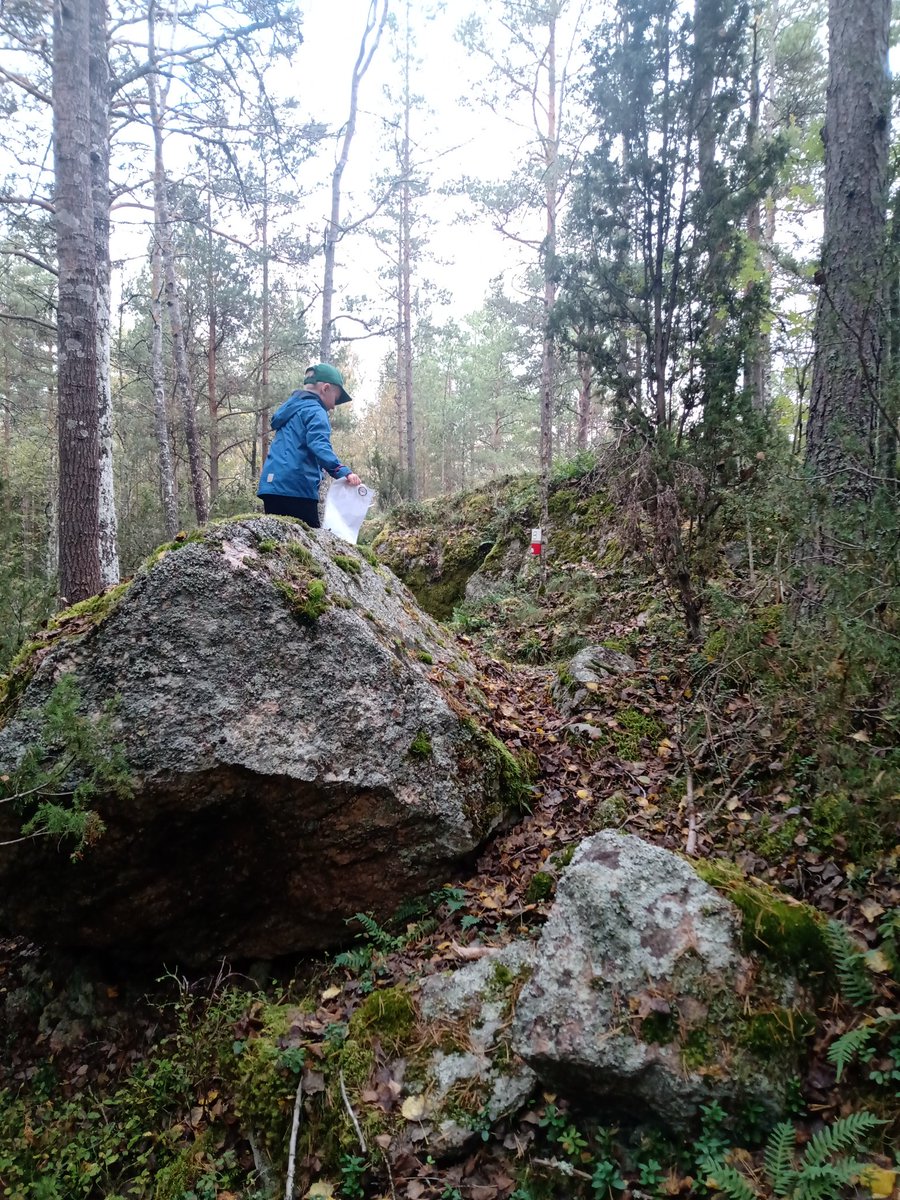
My wife and our friends have been trying to get me into orienteering for the last 16 years with little to no success. I did the local kid's "orienteering school" with my son this summer and ran some easy competitions with him and now we have this fun new hobby. They're annoyed🙄