The vote that would create the United States was deadlocked, and the man who could break the tie was eighty miles away, dying of cancer, on the wrong side of a thunderstorm.
His name was Caesar Rodney. On the first of July 1776, while Congress argued itself toward independence in Philadelphia, he was stuck back in Delaware. He was tamping down Loyalist trouble, in constant pain from the cancer eating at his face and fighting for breath due to his asthma.
Then the letter came. Delaware's two delegates in Congress were split. One for independence, one against. Without a tiebreaker, the colonies would not stand united. And a divided front was exactly what the Crown was counting on.
He did not hesitate. He climbed onto his horse near midnight and rode straight into the storm. Lightning split the sky. The roads turned to sludge. A journey that normally took two days but he made it in eighteen hours. He stopped only to change horses, soaked with every mile.
He reached Independence Hall on the morning of July 2 just as the vote was called, still in his boots and spurs. Caked in mud. Thomas McKean never forgot the sight of him standing in the doorway.
Rodney walked in and cast his vote for independence. It broke Delaware's tie, and with that, not a single colony stood against the break from Britain.
On this day, 250 years ago, a dying man rode all night through a storm so America could be born.
America 250 🇺🇸
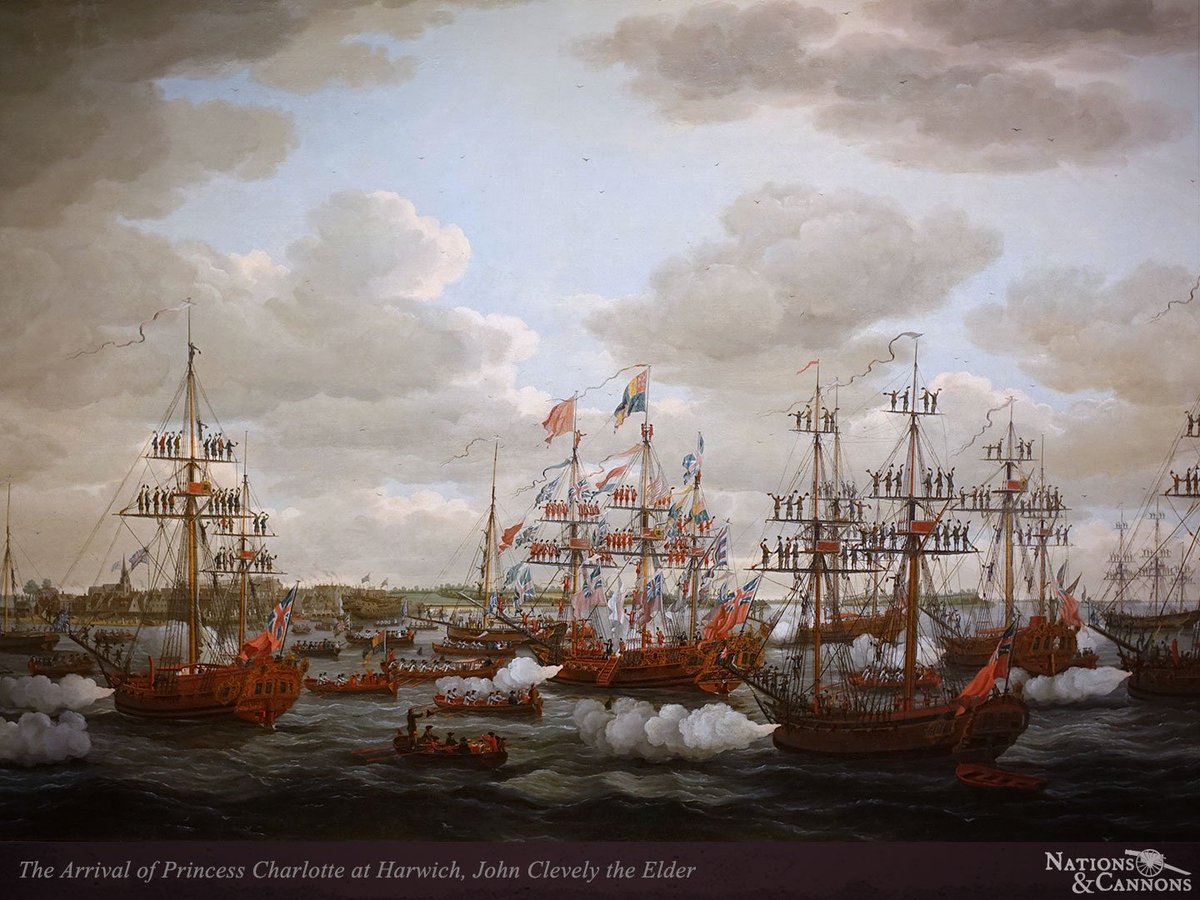
250 years ago today, on June 29, 1776, New Yorkers looked out at the water and saw a nightmare on the horizon. The British fleet had arrived, and so many ships filled the bay that witnesses said the masts looked like "a forest of pine trees" growing out of the sea. The timing could not have been more brutal.
This was the empire's answer to the rebellion, and it was overwhelming. The first wave of around 45 warships and transports dropped anchor off Sandy Hook and Staten Island carrying General William Howe and roughly 10,000 troops. Within days it kept growing. Then his brother Admiral Richard Howe arrived with more. It would eventually swell into one of the largest seaborne invasion forces of the entire 18th century, hundreds of ships and tens of thousands of professional soldiers and German mercenaries, aimed at one city.
Now sit with the timing. While that forest of masts was filling the harbor, delegates down in Philadelphia were in the final days of debating whether to declare independence. They voted for it on July 2 and signed off on the wording on July 4. So at the exact moment America was being born on paper, the most powerful military on earth was already anchored off its coast, getting ready to strangle it in the cradle.
The people of New York understood exactly what they were seeing. Alarm bells rang, panic spread through the streets, and soldiers sprinted to their posts to stare at a force they had almost no hope of matching. Washington's army was outnumbered, outgunned, and about to get badly beaten in the battles for New York that followed.
That's the part that gets lost in the fireworks every Fourth of July. Independence wasn't declared from a position of strength. It was declared with an enemy armada already sitting on the doorstep, knowing full well what was coming. They signed their names anyway.
My favorite line from Atomic Habits has been living in my head rent-free:
“It doesn’t make sense to continue wanting something if you’re not willing to do what it takes to get it. If you don’t want to live the lifestyle, then release yourself from the desire. To crave the result but not the process is to guarantee disappointment.”
رُزبری خیلی خوشبو و خوشگله ولی طعم خاصی نداره. اگه جزو میوههای بومی ایران بود، الان توی ادبیات کلاسیکمون نماد آدمهایی بود با ظاهر و بوی زیبا و فریبنده اما باطنی تُهی.
Confidence doesn't come from believing in yourself. It comes from having done the uncomfortable thing enough times that your nervous system stops flagging it as an emergency. Because nothing is actually hard, it's just unfamiliar.