Got SCN??
If you are growing soybeans in your operation, have you tested for SCN? If not, now would be a great time to do so. SCN is known as the "silent robber" as often times levels that cost 3-5 bu/acre are not noticeable by looking at the crop..
While seed treatments can help protect, SCN resistance source management can be hugely impactful.
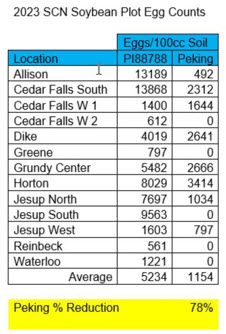
Peking source SCN resistant varieties in your rotation can be a great management tool.
Study from 2023 where we took SCN tests in side by side comparison of PI 88788. These samples were just a few rows apart!!
Visit your with your local Pioneer Sales Rep about SCN and Pioneer Peking varieties.
Soybean Farmers Urged to Check Fields with SDS for Disease Look‑Alike
Red crown rot is now active in at least eight Midwest states. The significance of the disease is building. The Crop Protection Network estimates 7.7 million bushels of soybeans were lost in 2025 versus 121,000 bushels in 2024.
Do # of rows around matter????
It is the kernel counting season for those excited (or concerned) about yields this fall.
While rows around is part of total kernels and the yield equation, some VERY high yielding hybrids often times have 14-16 rows around.
Kernel size/weight is a HUGE factor in the yield equation and many of today's Pioneer hybrids have what we refer to as kernel flex.
Kernel flex allows for larger & heavier kernels during favorable weather & high nutrient availability late into grain fill. This is why the "divide by" factor is so important.
While seeing 24 rows around the other day excited me... keep in mind the world record holding hybrid of 14830 typically has 14-16 rows around.
Check out the 2025 summary of average rows around in EC IA.
So don't be concerned if you are seeing some 14-16 around ears and your neighbor is bragging about 20+... the yield can still be there!!
Contact your local Pioneer Sales Rep with questions and your "divide by" # in your yield estimates.
Hmmm….Not was I was expecting to find this morning. For all the haters, if I had a newspaper I would include it in the picture. @alisonrISU we may want to have a look at this. @corndisease@CropNetwork
No point in letting IL have all the fun. I've never been accused of being optimistic but, I doubt this a problem on only one MN farm.
https://t.co/Ng5RImka2o
Numerous calls on corn earworms in late planted corn. Insecticides have limited effectiveness inside ear husker. Moths are abundant in my garden now (did not confirm sp.). Need to do better on monitoring late migrants.
Corn leaves are turning brown or are already through the chaff spreader. But here's a poster you can print to keep your eyes tuned for corn disease ID next year.
Download at https://t.co/hij9oaY7qO.
#corn#agtwitter
Visited the SWROC western corn rootworm site this AM. Western corn rootworm pressure in continuous corn much higher here than 2024.
It's early, male beetles are just beginning to emerge and no females..
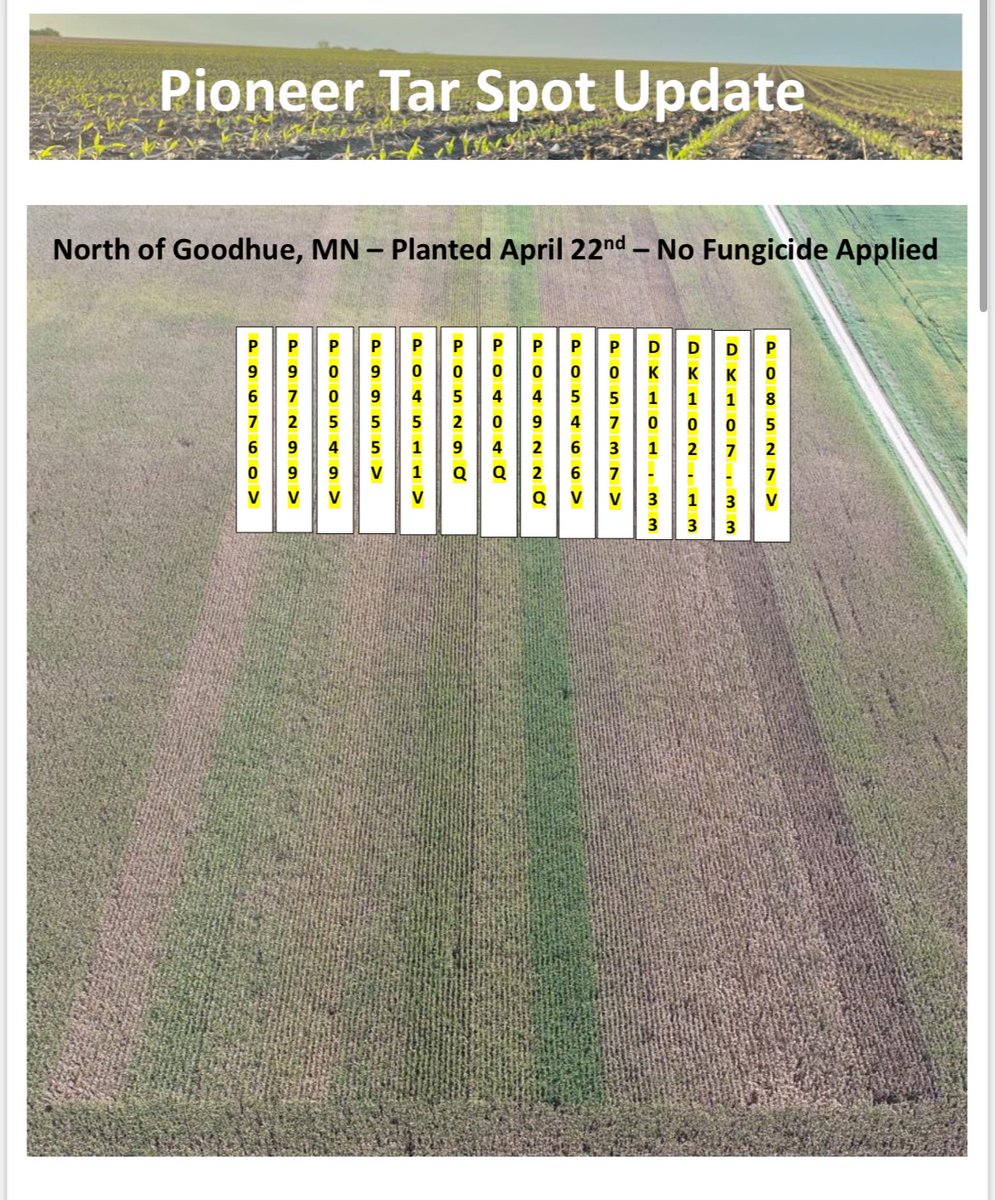
Tar spot playing a BIG role in pre-mature black layer in this PKP plot. Make sure you know your hybrid tolerance when choosing genetics for the 2025 growing season! #Pioneer
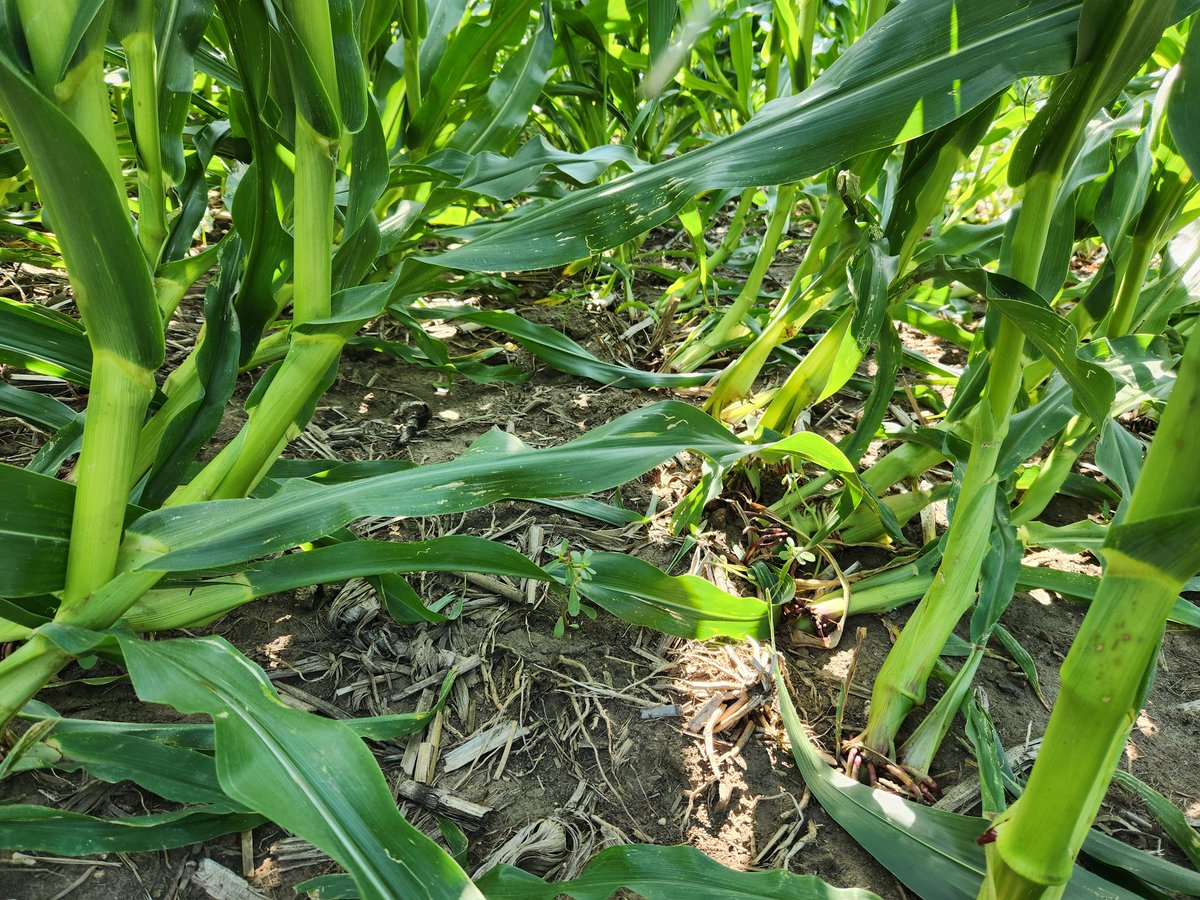
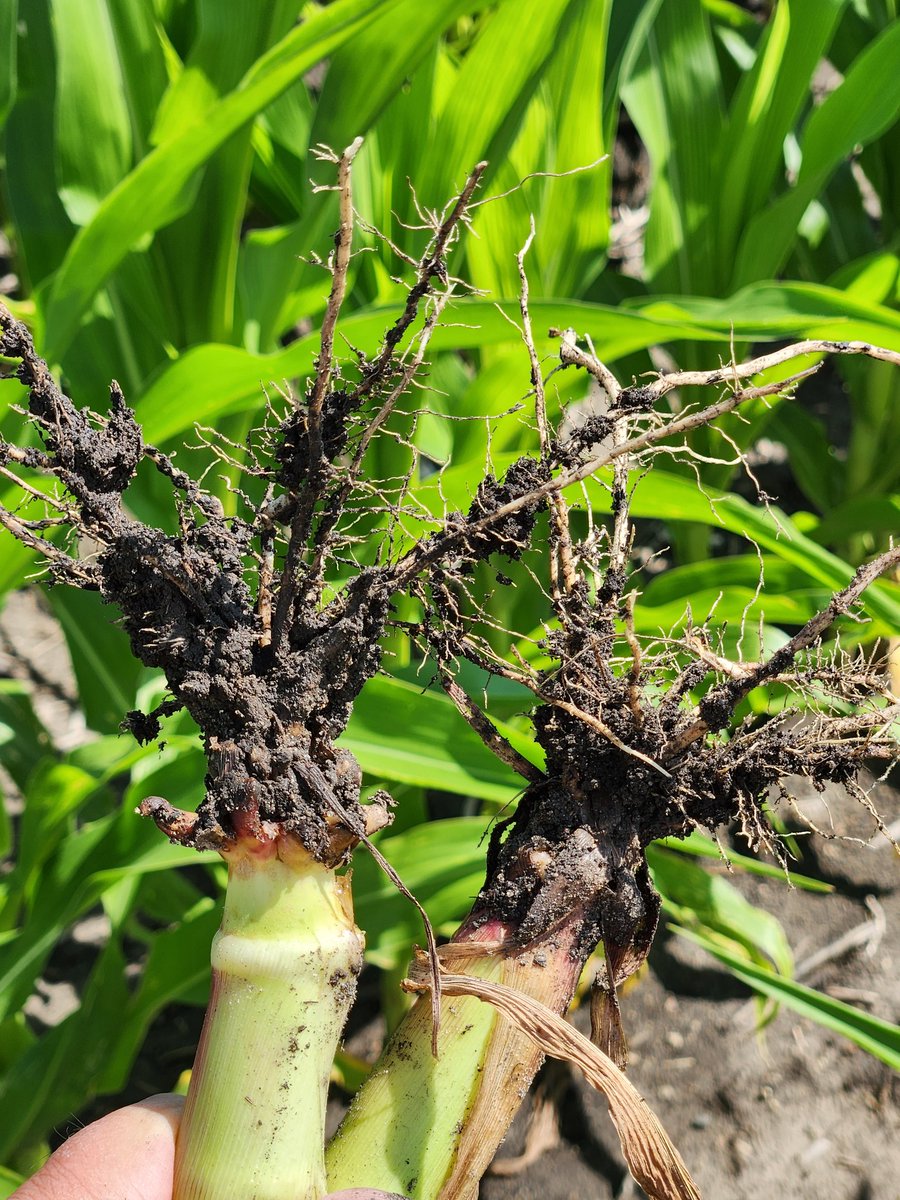
Western corn rootworm damaged roots of yellowed, stunted corn plants. Corn damaged by excessive rain and saturated soils is common in southern MN. Obviously not enough larvae drowned in this field. Male beetles are starting to emerge. Pessimists are seldom disapointed.
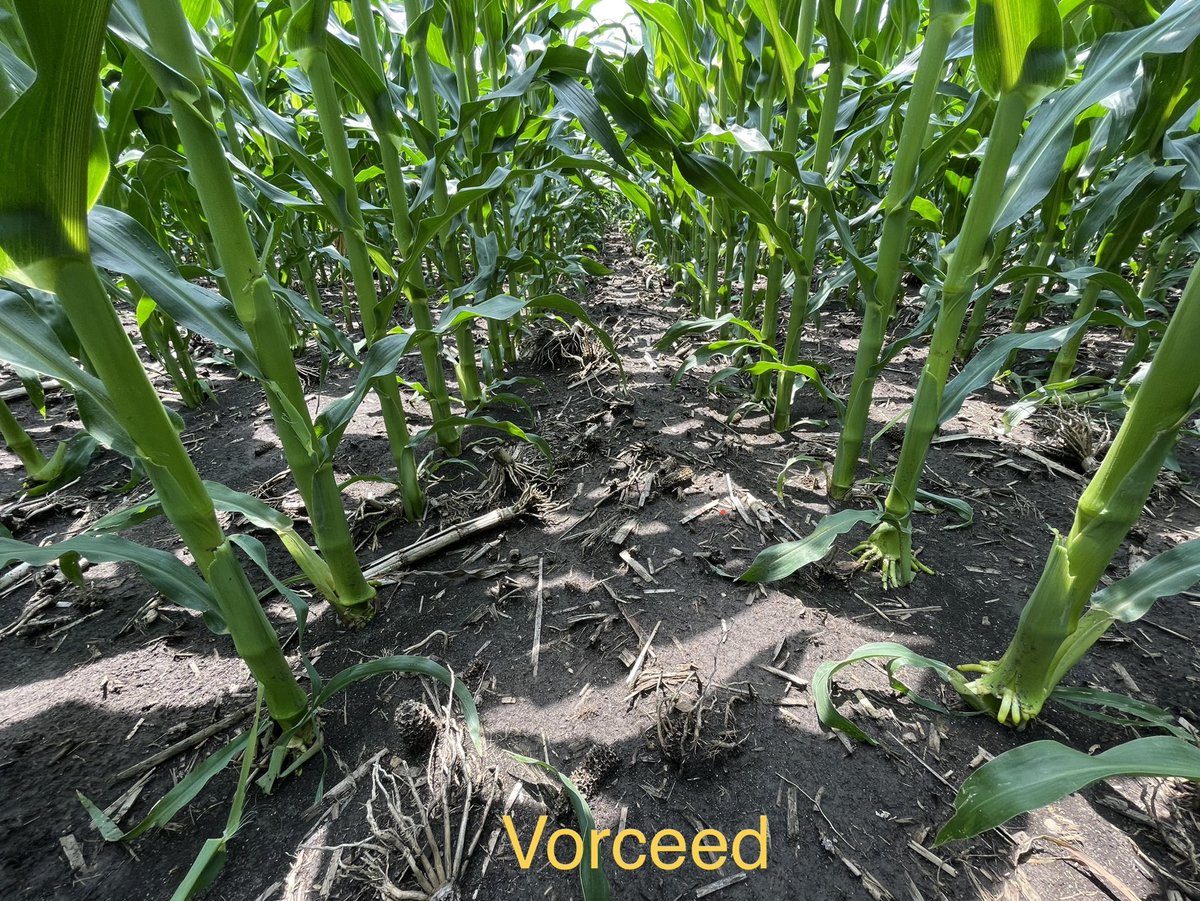
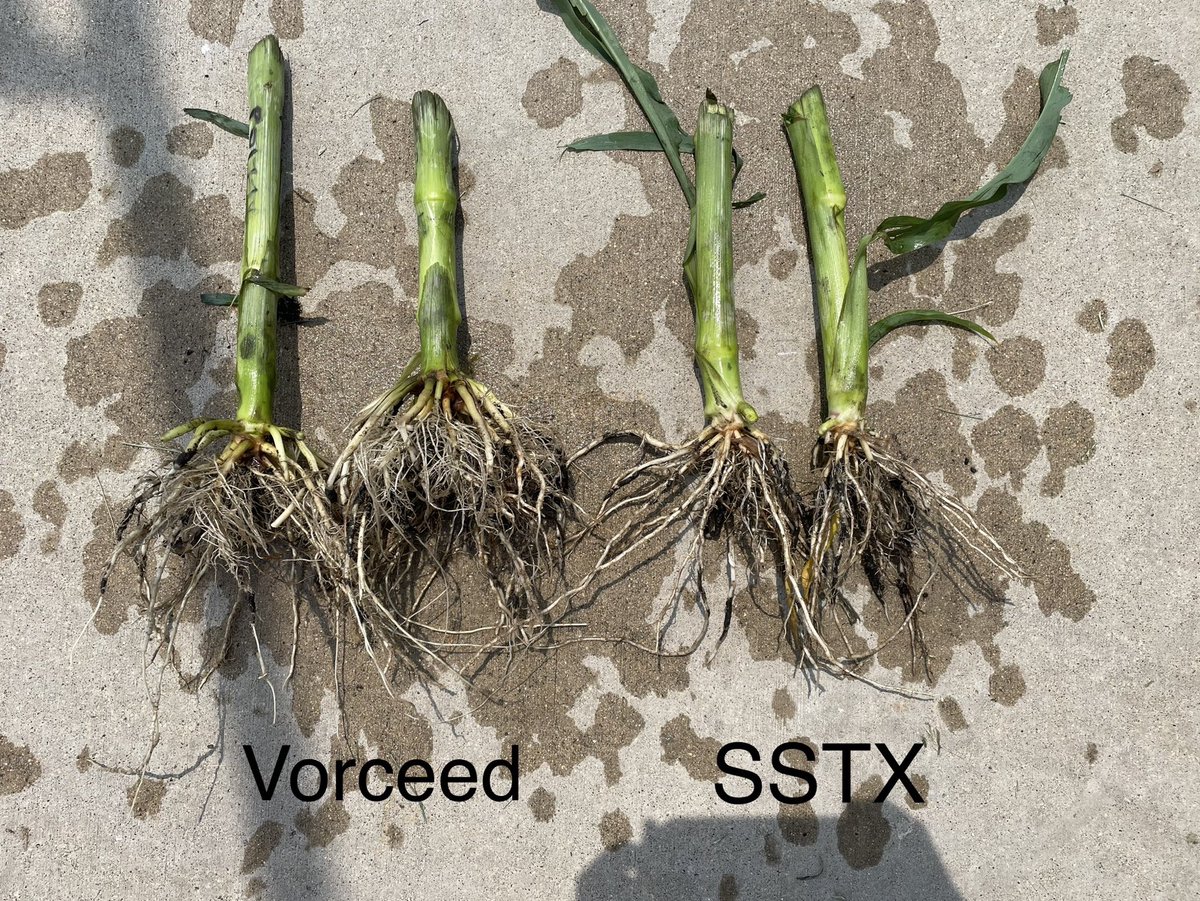
Since others want to share how great their roots are, here is one also. Vorceed with the RNAi technology vs. SSTX from long term COC in NC IA. Regardless, multiple approaches need to be taken to manage rootworms. RNAi is an improvement but not bulletproof.@PioneerSeeds
If you're curious about how the smoke from wildfires impacts crop yields, you can learn more from Pioneer Agronomist Mark Jeschke: https://t.co/KekHJNDj3O