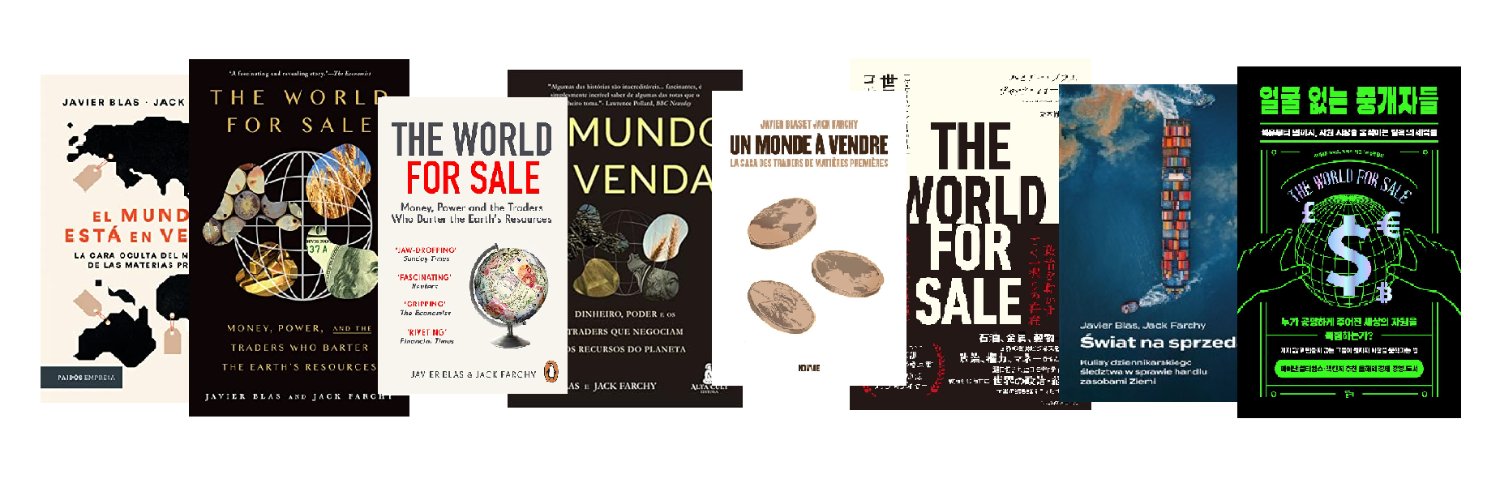
This week, The World for Sale comes out in paperback
It explains how oil and commodity markets work, how they influence geopolitics, and the extraordinary power of a few traders you've probably never heard of
Please take a look https://t.co/NZoL8VdgHs
השאלה המרכזית כעת היא לא האם תהיה הסלמה, אלא האם ניתן יהיה לעצור אותה לאחר התגובה האיראנית. זה תלוי בעיקר בגורם אחד, קרי ביכולתו וברצונו של טראמפ לכפות על ישראל לעצור לאחר התגובה האיראנית. קשה לראות את איראן של היום מבליגה על תקיפות ישראליות בשטחה, במיוחד כאשר מבחינתה מדובר בפגיעה ישירה בריבונותה ובמעמדה האזורי.
מנקודת המבט האיראנית, האירועים הנוכחיים חורגים בהרבה מהעימות הנקודתי. הם נועדו לעצב את המשוואה העתידית בכל הנוגע לפעילות הישראלית בלבנון ובמרחב האזורי בכלל. מבחינת טהראן, אם ישראל תוכל לפעול נגד נכסים איראניים או נגד בעלי בריתה ללא תגובה, הדבר יפגע באופן מהותי בהרתעה האיראנית. לכן גם תגובה ישראלית עוצמתית לא צפויה להביא את איראן לסגת מהקו שהיא מבקשת לקבוע.
טראמפ אינו מעוניין בהסלמה אזורית רחבה, בוודאי לא כאשר מחירי הנפט מגיבים בעליות וכל עימות נוסף עלול לערער את היציבות הכלכלית והביטחונית באזור. עם זאת, יכולת ההשפעה שלו על ישראל גדולה לאין שיעור מיכולתו להשפיע על ההנהגה האיראנית הנוכחית. בעוד שלארצות הברית יש מנופי לחץ משמעותיים מול ירושלים, יכולתה לשנות את תפיסת העולם האסטרטגית של טהראן מוגבלת הרבה יותר.
לכן, אם טראמפ לא יציב גבולות ברורים ולא ידרוש עצירה לאחר התגובה האיראנית, סביר להניח שישראל תמשיך בפעולותיה. במקרה כזה, הסיכוי להידרדרות לסבב הסלמה נוסף ואף ממושך יגדל באופן משמעותי.
101 days.
Israel and Iran are trading fire, with several rounds overnight of attacks. The latest strikes follow an escalation between Israel and Hezbollah. President Trump urged Israel to show restraint.
Oil is up ~4% but remains below $100 a barrel.
Iran fired ballistic missiles at northern Israel on Sunday after Israel carried out a strike in Beirut earlier on the day. Tehran described the attack as a warning.
I'm not surprised the oil market could handle 100 days of the Strait being closed without significant disruption.
I am very surprised the oil market would remain so complacent after 100 days and with zero visibility on reopening.
With the Strait of Hormuz closed, it’s a largely symbolic decision. Still, the core OPEC+ group has agreed to another monthly oil output increase.
https://t.co/3BgECMCkGK
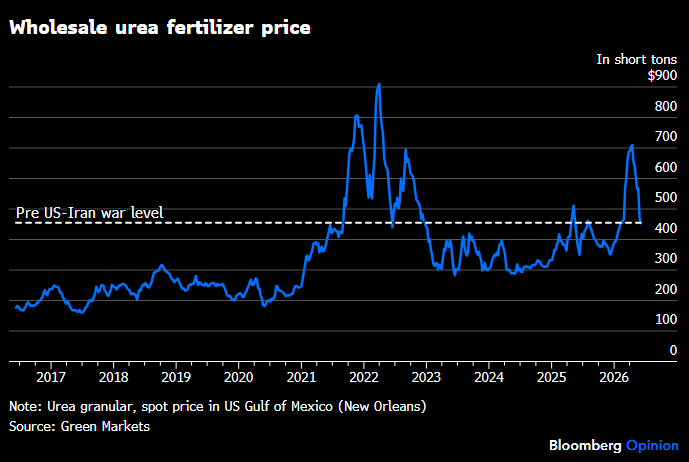
CHART OF THE DAY: The cost of the most important nitrogen fertilizer is back to pre-war levels in the US, benefiting from ample natural gas supply in America. Urea prices are sharply down too in Europe and Latin America, but remain elevated in most of Asia.
Pakistani Interior Minister Mohsin Naqvi has publicly confirmed that he is carrying a special message from Field Marshal Asim Munir and Prime Minister Shehbaz Sharif to Iran’s Supreme Leader Ayatollah Mojtaba Khamenei.
- Naqvi said the message concerns the current situation and expressed hope that ongoing efforts would help bring the crisis to an end.
#Iran #Pakistan
COLUMN: Although the seasonal nat gas refill is going slowly, Europe is probably going to hoard enough of the commodity to avoid a 2022-style spike in gas and electricity prices, and thus avert any inflation scare.
@Opinion
https://t.co/9dS2BsDN67
On the various ways Trump might try to fudge the issue of unfreezing Iranian assets:
"One possibility is a credit line from Qatar, collateralized by the Iranian revenue sitting in the country."
"Another option for the Trump administration would be to provide sanctions waivers for the oil that Iran sells to China." https://t.co/sSOEd8Hqmd
@ira_joseph@ColumbiaUEnergy Absolutely. Very similar. And a key reason JKM/TTF isn't much higher (plus greater flexibility in Asia to switch to coal, and much higher American LNG supply vs 2022).
Why I call the below the most important story in markets / geopolitics?
1) without China importing far less, oil would be way, way above $100
2) Fed would be forced to hike rates, crashing Wall Street
3) President Trump would be against the clock in negotiations with Iran
CHART OF THE DAY: Perhaps the most important story in global markets / geopolitics right now.
China's oil imports plunged to ~6.6m b/d in May, according to @Vortexa data, down ~38% vs 2025 average (or ~4m b/d).
I wrote this @Opinion column in early May: https://t.co/XK71uh81m1
Some potentially very important takeaways from the @CNN interview with Mohsen Rezaei.
-Rezaei frames the release of $12 billion in frozen funds (which other sources indicate is a key sticking point in discussions) as a confidence building move, rather than as compensation.
-he says that Iran is prepared for a resumption of hostilities but indicates the risks of war appear low (he also says that the IRI won the war, which he frames as a first).
-he does not indicate Iran will charge per ship tolls; a "maintenance fee" will be charged to cover the expenses of managing the waterway. How and by whom is unclear--payment by shippers to the IRGC has been framed by the US as a violation of US sanctions.
https://t.co/PJOafumTvC
CHART OF THE DAY: The cost of the most important nitrogen fertilizer is back to pre-war levels in the US, benefiting from ample natural gas supply in America. Urea prices are sharply down too in Europe and Latin America, but remain elevated in most of Asia.
Why I call the below the most important story in markets / geopolitics?
1) without China importing far less, oil would be way, way above $100
2) Fed would be forced to hike rates, crashing Wall Street
3) President Trump would be against the clock in negotiations with Iran
Iran’s economy is floundering and its military is decimated. Through Economic Fury, Treasury will continue to sever Iran’s shadow fleet, shadow banking networks, and access to global trade.
MUST READ: 📑📊📈The US is far less vulnerable to an oil shock now, particularly from an economic activity / employment point of view (from @BostonFed economists). https://t.co/5eBqYIlHx3