🔬New NIH-supported research published in @JamaNetworkOpen suggests that transcutaneous electrical nerve stimulation (TENS) is a safe and effective approach for managing movement-evoked pain in fibromyalgia patients.
TENS is a non-invasive treatment that uses electrical currents to block pain signals.
Read more ➡️ https://t.co/vEhjZwXCB1
We are seeking postdoctoral fellows interested in health psychology, sleep, psychedelic therapy responses, polycrisis resilience, and data science methods for frontiers in the biology of emotional well being.
Development of Bioisosteres of Iboga Alkaloids: A Step-Economical Synthesis to Enhance the Antinociceptive and Anxiolytic Activity with Neuroprotective Effects | ACS Pharmacology & Translational Science https://t.co/RBHdEzPY4u
AB 2489, the California Veterans’ Right to Try Act, is proposed legislation that would direct the state’s Research Advisory Panel to pursue FDA approval for veteran-focused clinical trials studying psychedelic-assisted therapies, including psilocybin and ibogaine.
The bill aims to help remove barriers that have long limited research participation for veterans living with complex conditions like PTSD, traumatic brain injury, depression, and substance use disorders.
VETS is proud to support AB 2489 and advocate for research that better reflects the realities veterans face.
Stay informed. Follow the conversation. Support veteran-focused research. See https://t.co/eGk9sqb71b for more.
🧠 How can personalized brain imaging help advance more targeted treatments for #BipolarDisorder?
Excited to share more about our work with @BD2Discoveries. Our team at @WeillCornell (@immanuel_elbau, Lindsay Victoria, @amykooz), in collaboration with @StanfordMed (Cammie Rolle, @DrCoreyKeller), is using individualized brain imaging to better understand brain circuits involved in mood regulation and to inform more precise stimulation-based interventions.
Grateful to be part of this broader effort to move toward more personalized approaches to bipolar disorder care.
Some good news: New research from Harvard Medical School has found that youth suicides were 11 percent lower than expected -- that's 4372 fewer deaths -- during the period after the rollout of the 988 hotline.
@LiuMichaelMD@vrpatel97@AnupamBJena
https://t.co/zGOleFc3f9
Our paper is out: By analysing health records from millions of real-world patients from the literature, we can now finally answer the questions about the long-term outcomes of ECT. What we found, consistently, across well-designed studies from the UK, Canada, US, Sweden, Denmark, and Taiwan, is that ECT does not increase the risk for dementia, heart attacks or stroke, and is associated with a significant reduction in overall mortality.
https://t.co/lC13i5ANBD
Scientists find that key aspects of ketamine’s antidepressant effects are preserved under anesthesia. This news and more in The Microdose's This Week in Psychedelics.
Read and subscribe: https://t.co/5b4MTrSwjo
Our new viewpoint in @JAMAPsych discussing a new class of biomarkers: “targeting biomarkers”—biological signals that directly guide where, when, and how treatments are delivered.
https://t.co/M36N1sjDF4
@foxmdphd@AFornito@Arshiya_San
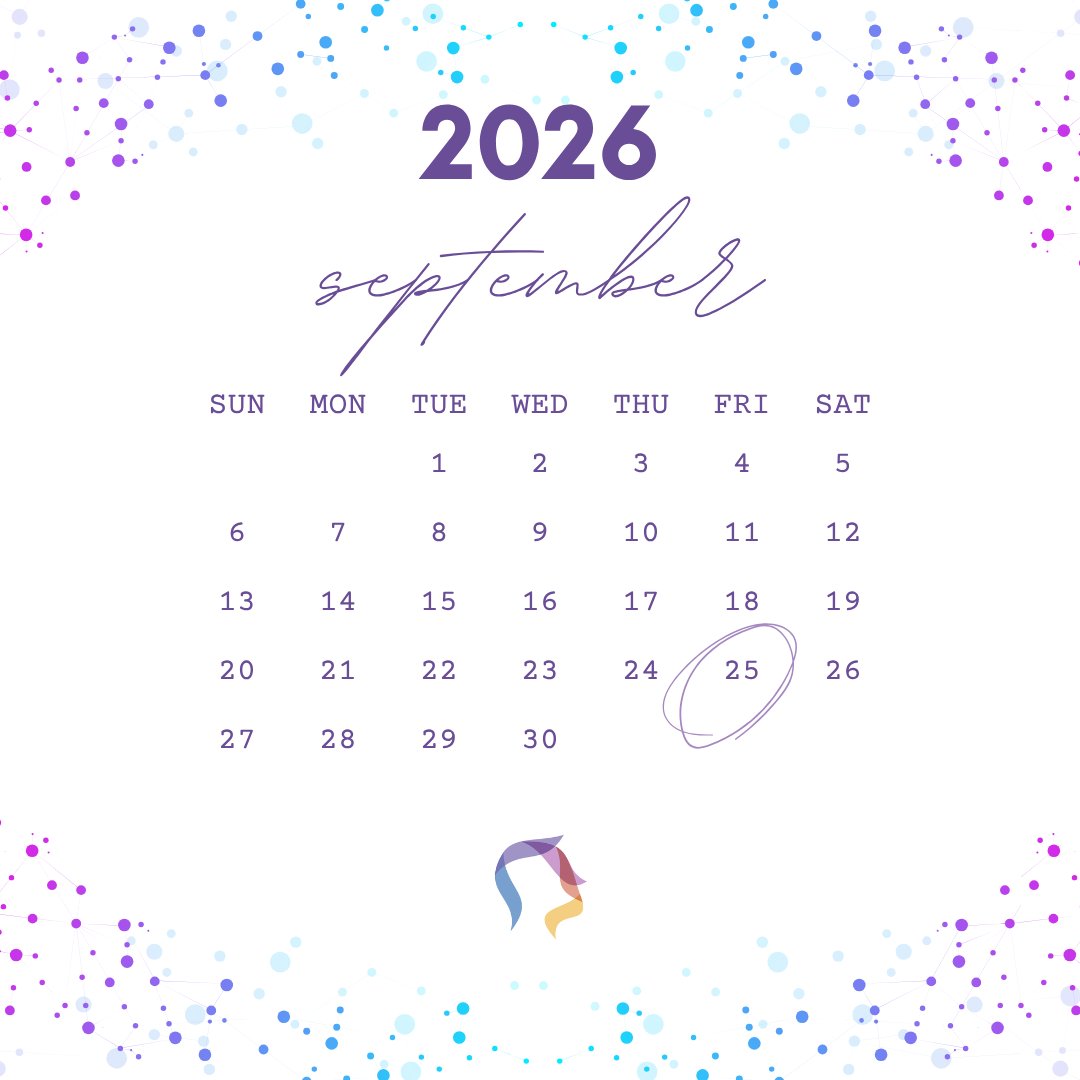
Save the Date 📅
We are pleased to announce the 6th Annual Precision Mental Health Symposium, hosted by the Stanford Center for Precision Mental Health.
🗓 September 25, 2026
📍 Stanford University
Theme: From Circuits to Mindsets: Precision Mental Health in the Real World
This year’s symposium will bring together leaders across academia, healthcare, and industry to explore emerging directions in precision mental health, including advances in neuroscience, biomarkers and therapeutics, rapid-acting interventions, and approaches to real-world implementation, engagement, and scale.
Additional details, including speakers and registration, will be shared soon.
#PrecisionMentalHealth #MentalHealthInnovation #HealthcareLeadership #StanfordMedicine
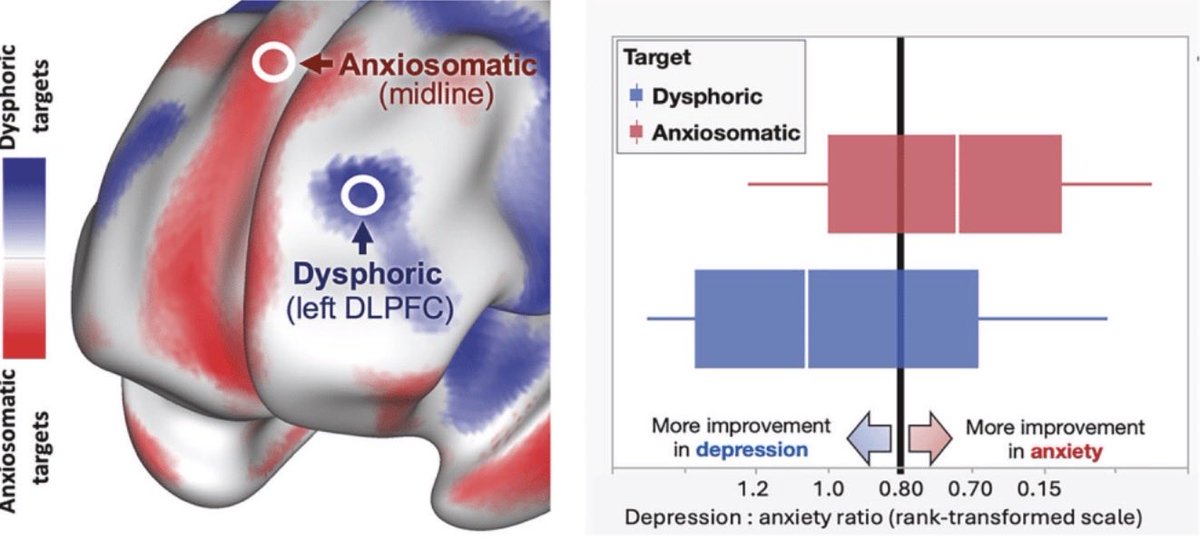
Our latest in @molpsychiatry: In patients with anxiety+depression, targeting a novel “anxiosomatic” circuit in dmPFC outperforms standard dlPFC target for anxiety, and equally effective for depression.
https://t.co/QhETO2V1Es
🚨 NEW: Ibogaine is associated with reorganization of high-beta brain networks in veterans with post-traumatic stress disorder.
link to pre-print: https://t.co/T7VWXj42Z2
🧵 (1/n)
This #RareDiseaseDay we’re highlighting how open data sharing supports diagnosis, research & families living with rare conditions.
Watch to find out how access to rare disease data can help families better understand their children’s rare conditions
@Unique_charity@GeneticAll_UK
it was great to be part of this effort! psychedelics are linked to increased spirituality in vets but no change in religious affiliation (i.e., christians stayed christian). psychedelics also shifted some beliefs, e.g., inclining vets towards perennialism
https://t.co/B0e2LvE1eT
@ThosVarley ... but there is not firm evidence to date. Regarding other psychedelics, hard to say, given the unique receptor profile of ibogaine, but possible. More study needed.
So excited to finally see this published. We found that magnesium-ibogaine therapy was associated with increased cortical thickness, subcortical expansion, and reduced brain age. Initiated and led by the late Nolan Williams.
https://t.co/3G5wZEH5YH
@ThosVarley Thank you for the question, Thomas. The primary reason for administering magnesium with the ibogaine is to counteract the potential cardiac risks of ibogaine, but it. It is biologically plausible that magnesium enhances the neuroplastic effects of ibogaine —
New finding from Lena Kozyr et al "The simple metric of low Min-HR predicted better TMS response across stimulation protocols (10Hz and 1Hz TMS) in TDBRAIN+ and accelerated intermittent theta-burst stimulation in the SAINT-SNT replication samples." https://t.co/OoCUwtq5m1
Low heart-rate as a predictor for TMS response: Sometimes the simpler metric is better than the more complex metrics: No effects of complexity/non-linear HRV measures, but low heart-rate robustly predicts better response to TMS (HF and LF TMS), replicated in SAINT iTBS sample.
Congrats Lena Kozyr and team with this publication!
Complexity or simplicity? A replication analysis of low heart rate as a predictor of TMS response in major depressive disorder: https://t.co/WKn5kiSVK0