Médico, autor do livro Uma Dieta Além da Moda;
apreciador de Brahms, Bach, Kurt Atterberg e coisas ainda mais estranhas;
fã de Carl Sagan desde criancinha
Obrigado a todos que estão ajudando a manter o livro Uma Dieta Além da Moda entre os mais vendidos no Brasil na categoria não-ficção (Lista Nielsen-PublishNews) 😊👍🤝
https://t.co/RIyoFghrQF
Johannes Brahms foi quem eu mais ouvi no Spotify desde 20/04/16. Descubra qual foi o seu artista mais ouvido na Festa do(s) (20) ano(s)! https://t.co/ZLhTyciLuO
Retatrutide, a triple receptor drug for GLP-1, GIP, and glucagon, is the most powerful weight loss drug yet. A significant issue is too much weight loss among the trial participants. New randomized trial results announced today with 28% body weight loss.
gift link https://t.co/82tRkOvQ49
Excellent review paper by Roy Taylor on his journey to verifying the cause of type 2 diabetes. Aptly titled: "Aetiology of type 2 diabetes: an experimental medicine odyssey" (PMID: 40316731).
I wanted to share two quotes from the conclusion, because there still seems to be a tremendous misunderstanding of this disease among both scientific and layperson communities.
"The original destination of this experimental medicine odyssey was to identify the cause of type 2 diabetes and now this can simply be stated. If a person develops type 2 diabetes, they have accumulated more fat than can be tolerated by their own genetic constitution."
"There is a single environmental, modifiable cause. Type 2 diabetes only develops if an individual has eaten more than they require over a long period. However, there are two important stop–go stages, both determined by the lottery of inheritance. Diabetes appears only when fat can no longer be stored safely under the skin... Even if fat spills over into ectopic sites, diabetes will only occur if there is also genetic susceptibility to fat suppression at the level of the beta cell... Even if full genetic susceptibility is present, the writing is clearly on the wall: no positive energy balance, no diabetes."
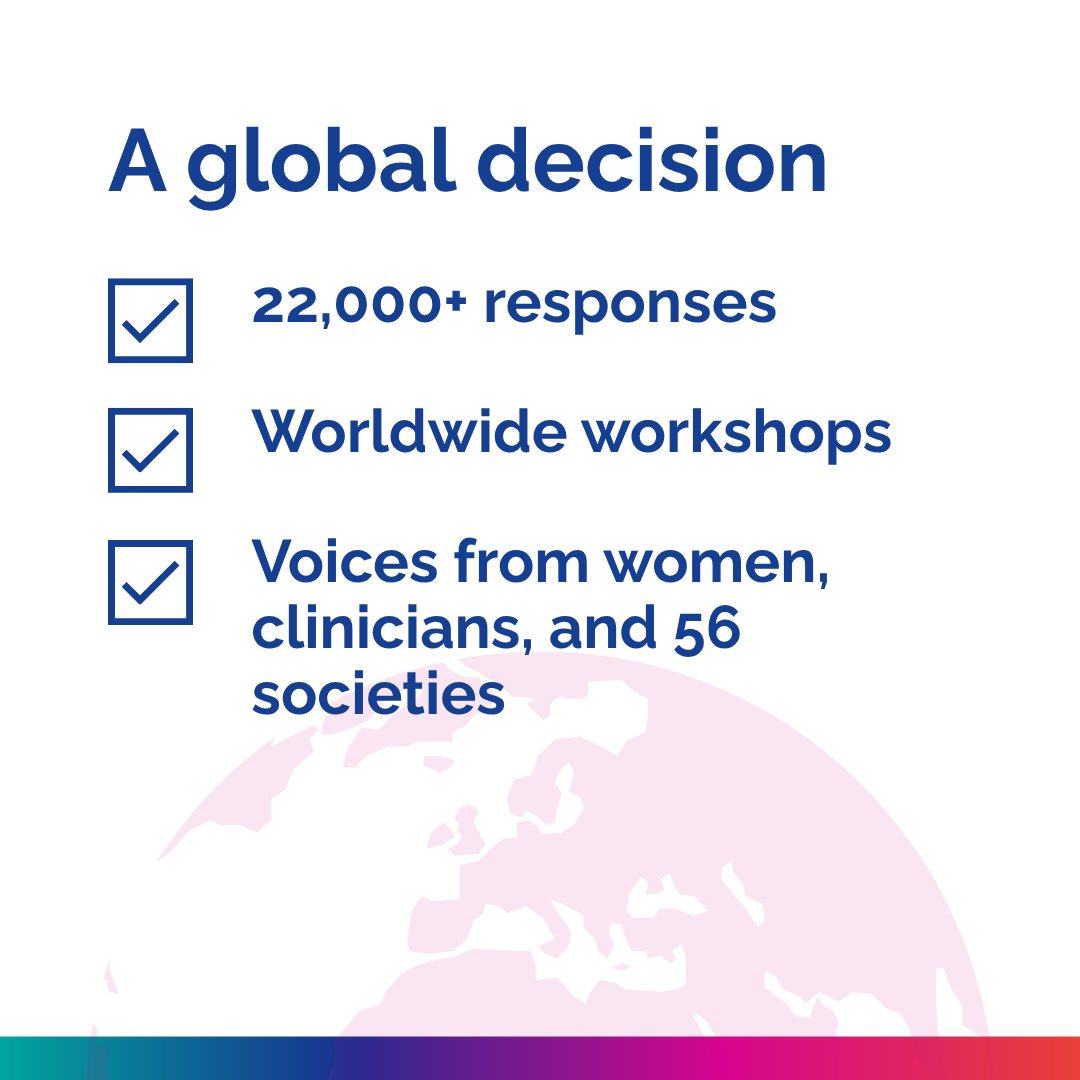
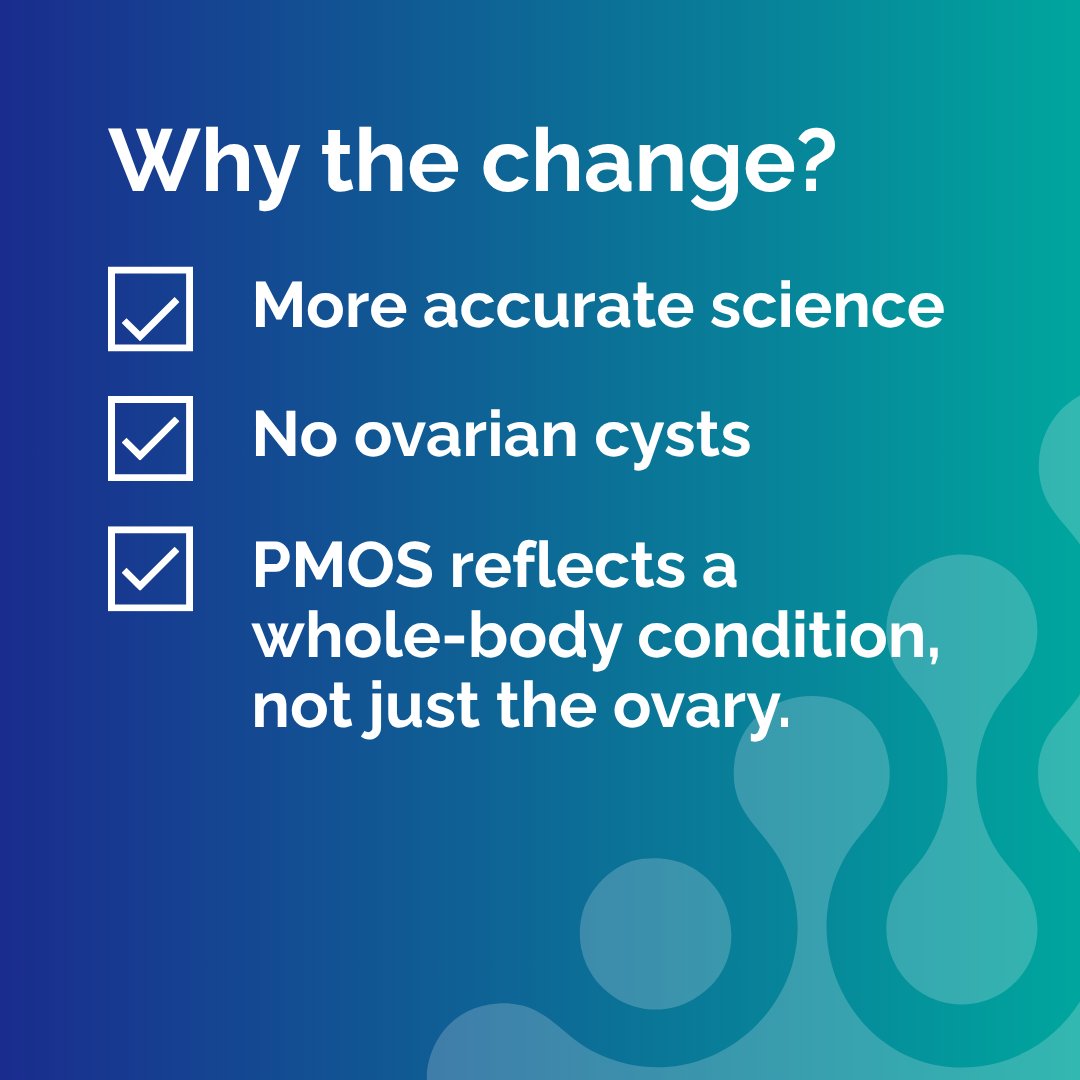
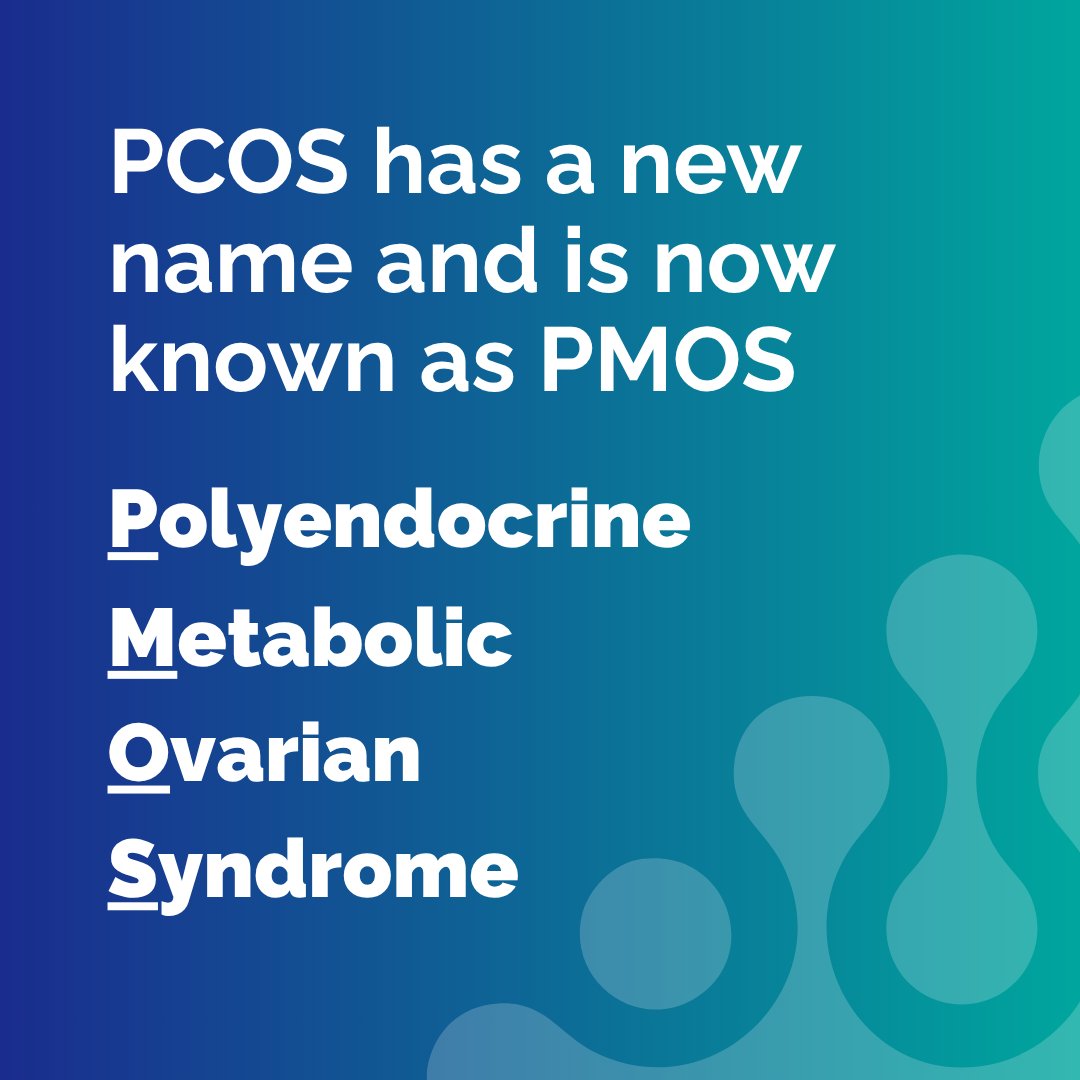
PCOS has a new name: Polyendocrine Metabolic Ovarian Syndrome (PMOS). With 50+ patient and professional groups, we helped develop a name that better reflects a condition affecting 1 in 8 women worldwide. Learn more: https://t.co/CvUuEdOlFb #PMOS#PCOS
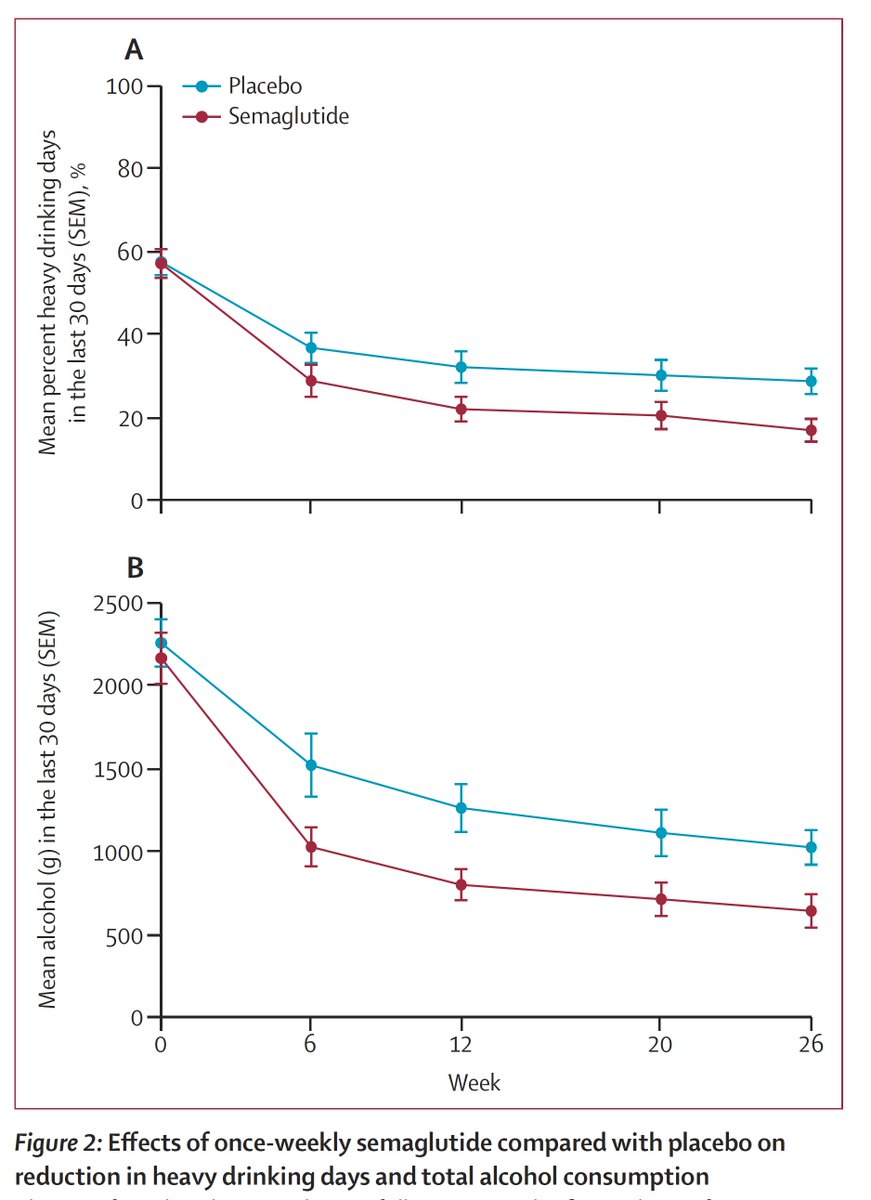
First randomized trial to show Ozempic reduces alcohol consumption in people seeking treatment for alcohol use disorder. Placebo-controlled, double-blind. Participants with BMI >30 kg/m2.
https://t.co/M9Pk2gzKHD @TheLancet
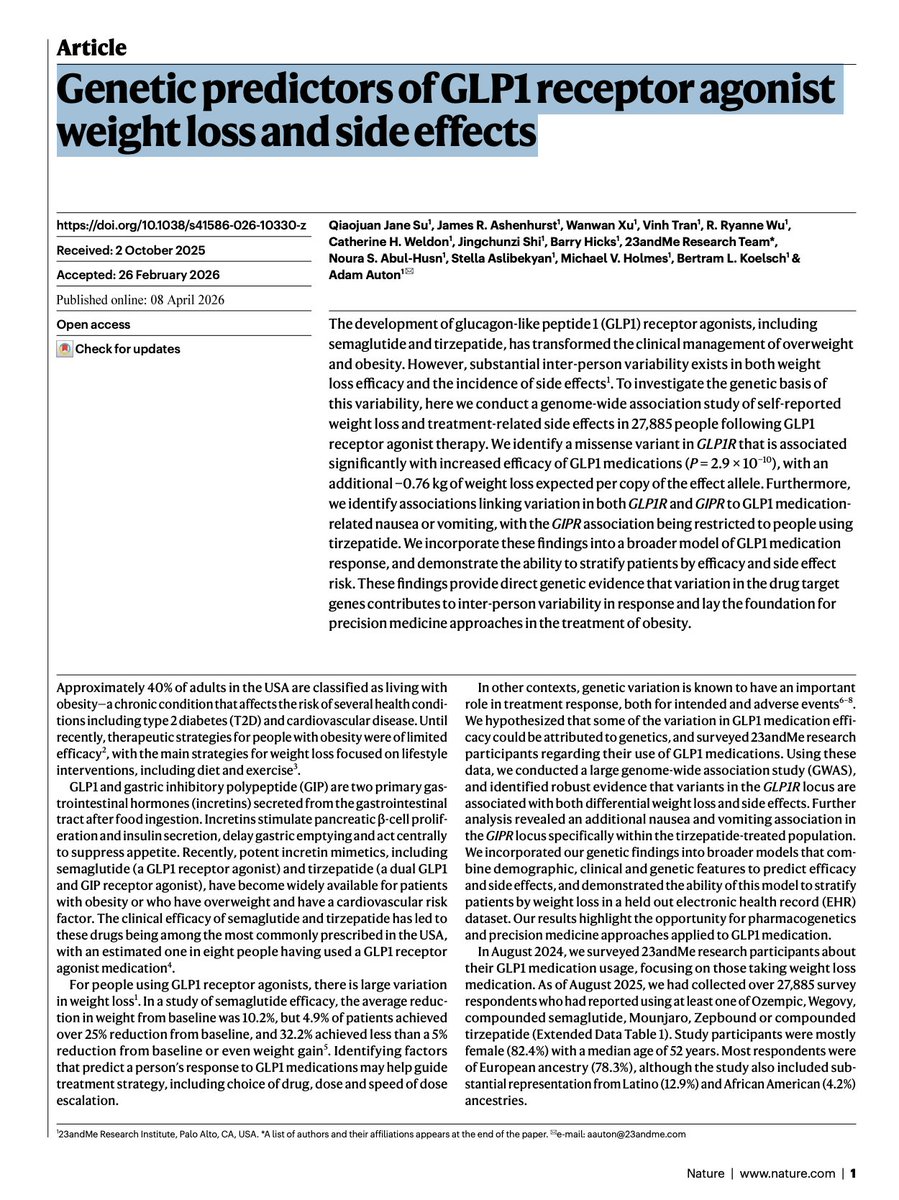
A massive Nature study of 27,885 GLP-1 users just dropped some major news about Ozempic and tirzepatide.
Your DNA determines how much weight you lose and how bad the side effects hit.
1 in 3 people see minimal results, and now we know why: (1/9)
Um novo capítulo no tratamento da obesidade começou.
Após uma série de estudos clínicos bem-sucedidos, o orforglipron foi aprovado pelo FDA e chegará ao mercado como Foundayo, um agonista de GLP-1 oral não peptídico para adultos com obesidade ou sobrepeso com comorbidades.
✅ Ensaios fase 3, randomizados, duplo-cegos, com seguimento de 72 semanas
✅ Redução média de peso ~12% vs ~1% placebo
✅ Melhoras consistentes em PAS, não-HDL, triglicerídeos e circunferência abdominal
✅ Small molecule de uso oral diário, sem restrição alimentar
A ferramenta evolui, mas o raciocínio clínico continua sendo decisivo.
1/3: Systematic review of 36 studies on GLP-1 RA and GLP-1/GIP agonist exposure in pregnancy and lactation. Bottom line: no consistent signal for major congenital malformations with periconceptional/early-pregnancy exposure in adjusted analyses.
https://t.co/c2mnntPNXu
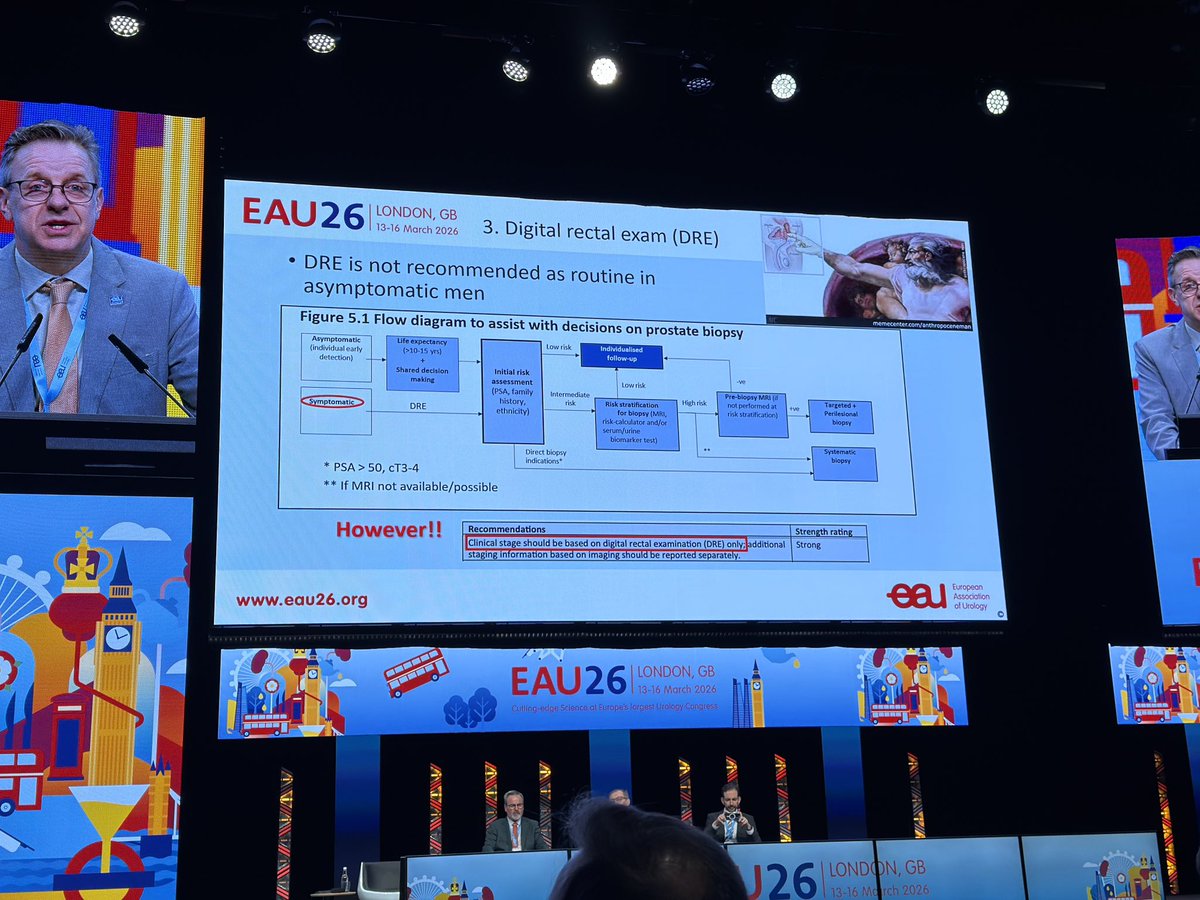
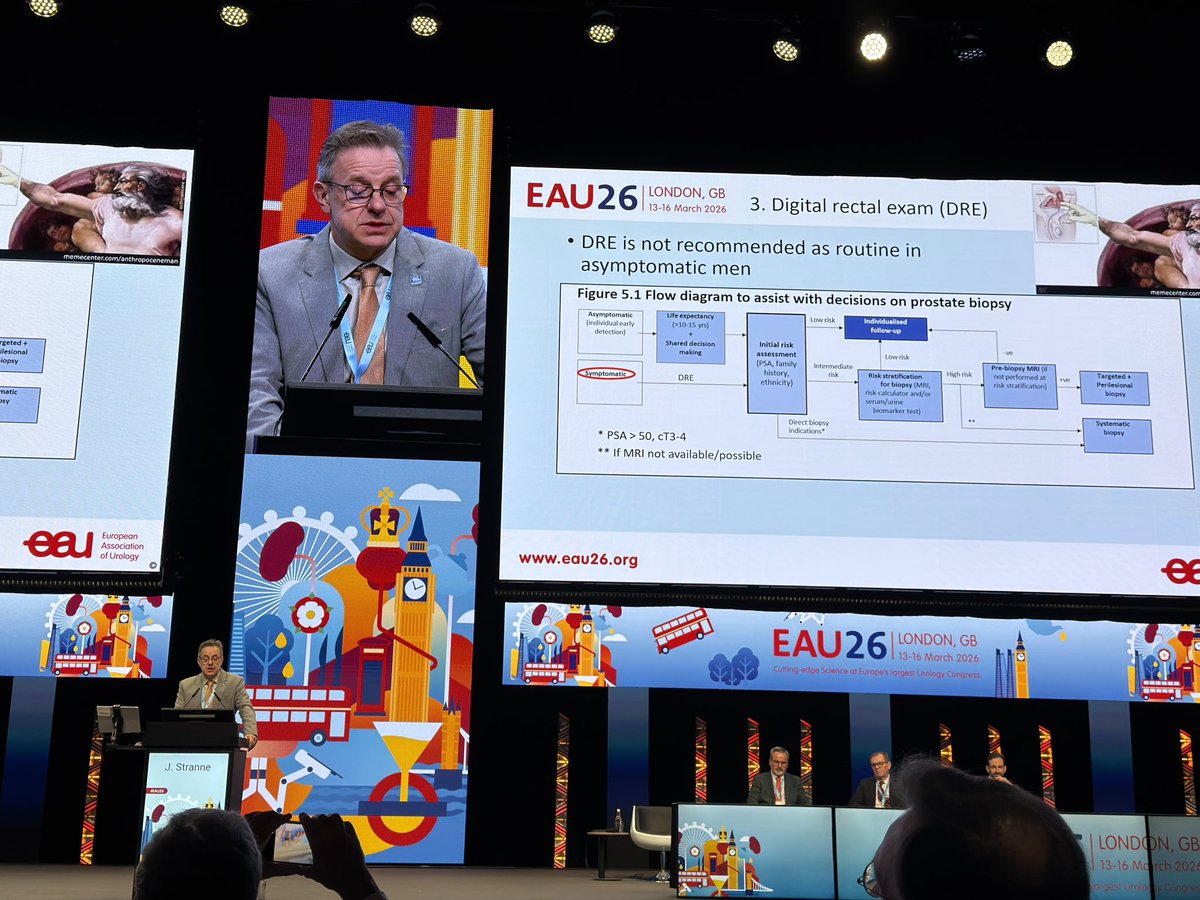
PRostate cancer guidelines 2026 update. Digital rectal exam NOW no more recommended for Asymptomatic men
SO NO MORE FOR Screening
Important for standing and for early diagnosis for SYMPTOMS only @Uroweb
1/
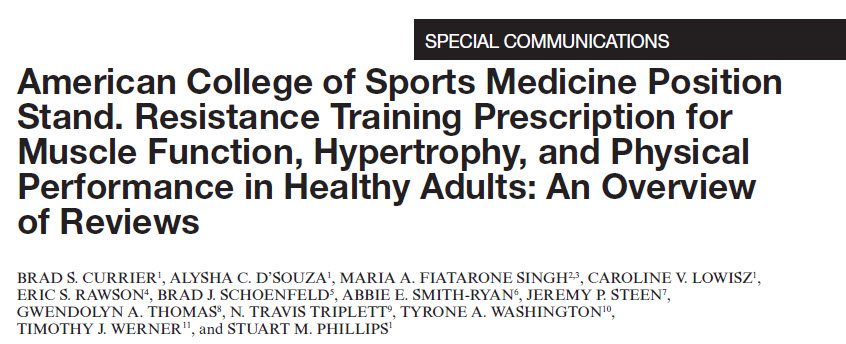
Big update in exercise science: ACSM has revised its resistance training Position Stand for the first time since 2009. That is a 17-year gap, and a lot has changed. 🧵https://t.co/Vk3yQj3Rmp
@MichaelMindrum The authors have modelled weight plateau at 75% of weight regain (approximately 60 weeks)
The problem is that this is total weight, not fat. Since some 30%+ of the weight loss is FFM, this 75% weight regain may well be 100% fat regain
@igoreckert “To consult the statistician after an experiment is finished is often merely to ask him to conduct a post mortem examination. He can perhaps say what the experiment died of.”
R.A. Fisher (1938)
Bom, diante dessa última entrevista, acho razoável afirmar:
Não há nada que indique que a polilaminina recupere a função pós lesão medular até o momento. Não dá pra dizer sequer que é uma substância promissora.