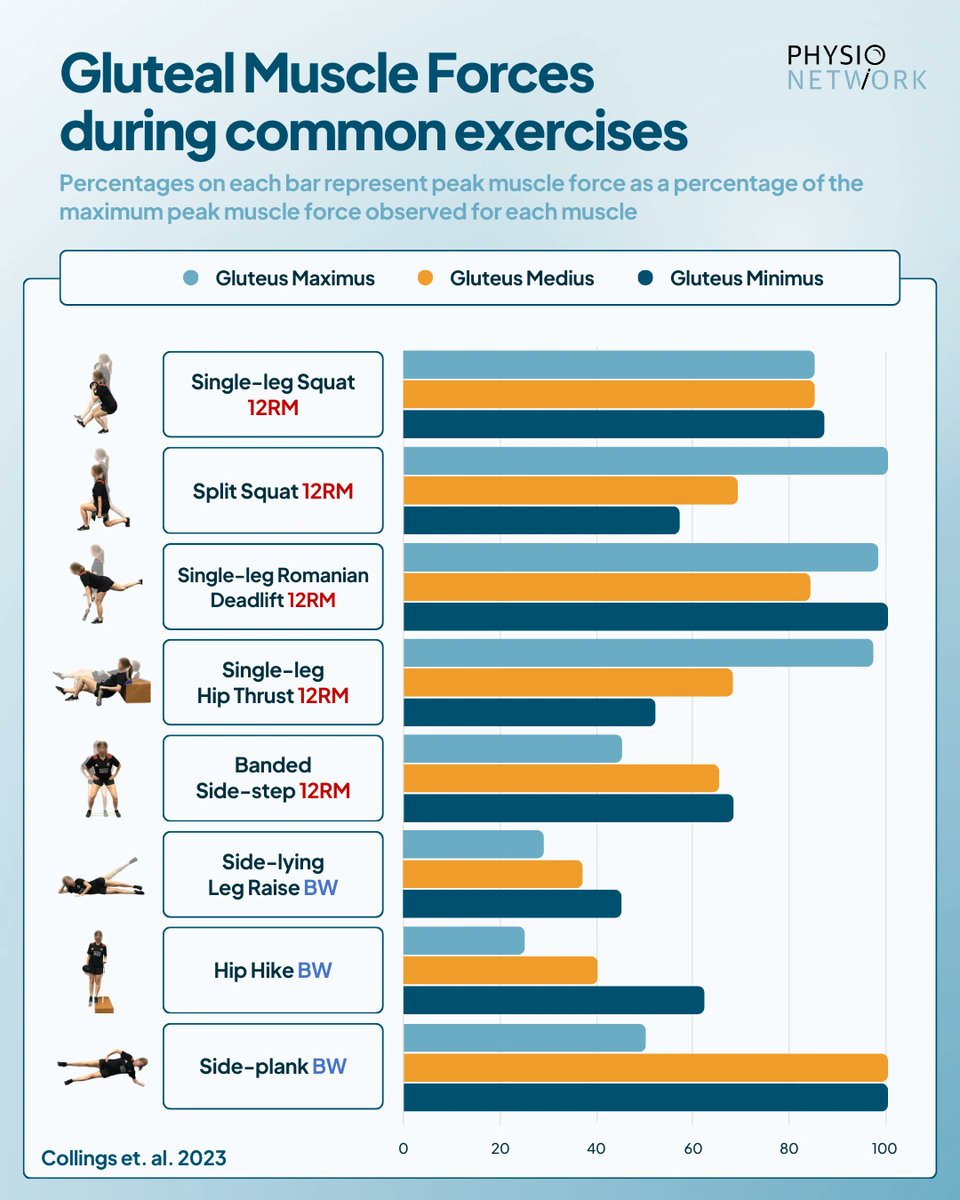
🔥 Which glute exercise packs the biggest punch?
🍑 Collings et al. (2023) set out to determine gluteal muscle forces across different exercises.
📊 The authors ranked the exercises into different tiers based on the estimated muscle forces.
🏆️ The single leg RDL with resistance was the only exercise to be ranked a Tier 1 exercise in all three muscle groups.
🥇 Meanwhile, the body weight side plank was ranked as a Tier 1 exercise for the gluteus minimus and medius.
💡 For rehabilitation purposes, we may want to consider utilizing lower tier exercises and/or reducing load for those that are more load compromised, and higher tier exercises for those that are able to tolerate higher muscle forces.
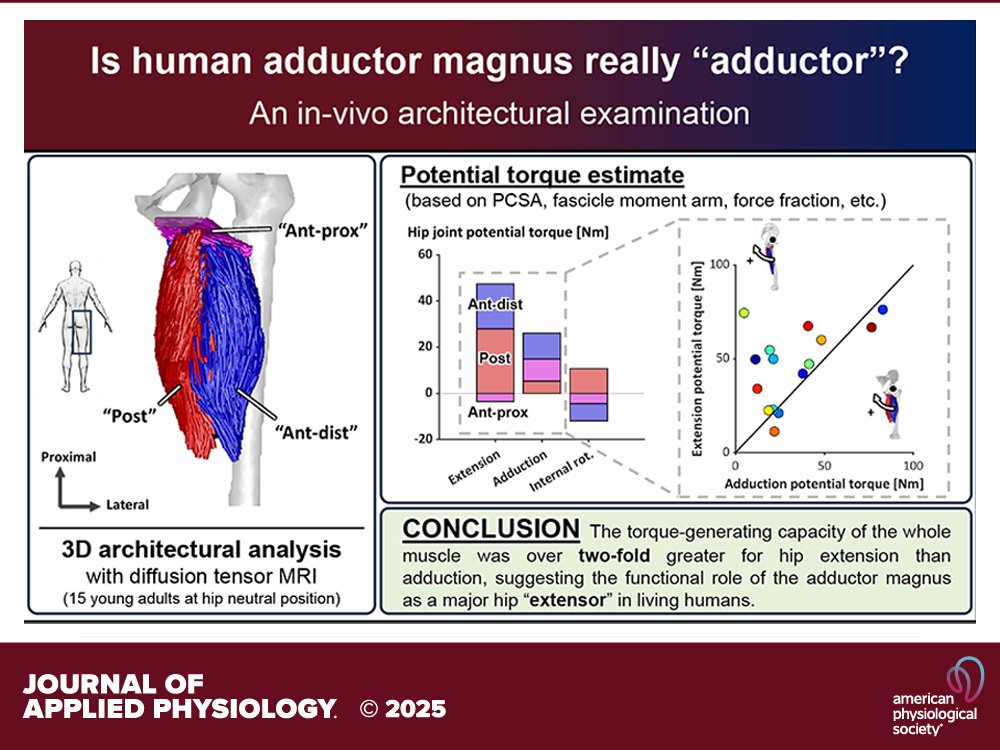
Research Article by K Takahashi et al. (@DoshishaUniv_PR@twakahar) Redefining muscular action: human #adductormagnus is designed to act primarily for #hipextension rather than adduction in living young individuals
https://t.co/MTGzuWEZ0g
Vitamin D supplementation was associated with a 40% lower risk of dementia over a decade, a relatively recent study shows.
After five years, 84% of supplement users were dementia-free compared to just 68% of non-users in a study of over 12,000 people. Vitamin D reduced dementia risk by 33% in adults with mild cognitive impairment or APOE e4, a key genetic risk factor for neurodegenerative diseases.
And while vitamin D reduced dementia risk across the board, some groups benefitted more.
Women, adults with normal cognition, APOE e4 non-carriers, and those without depression saw the greatest brain-protective effects from vitamin D supplementation.
Vitamin D’s brain-protective effects may stem from its unique role as a steroid hormone, structurally akin to estrogen and cortisol. It regulates thousands of genes, many of which govern critical brain processes—an effect consistent with findings from randomized controlled trials showing improvements in cognitive function and IQ scores in older adults.
PMID: 36874594
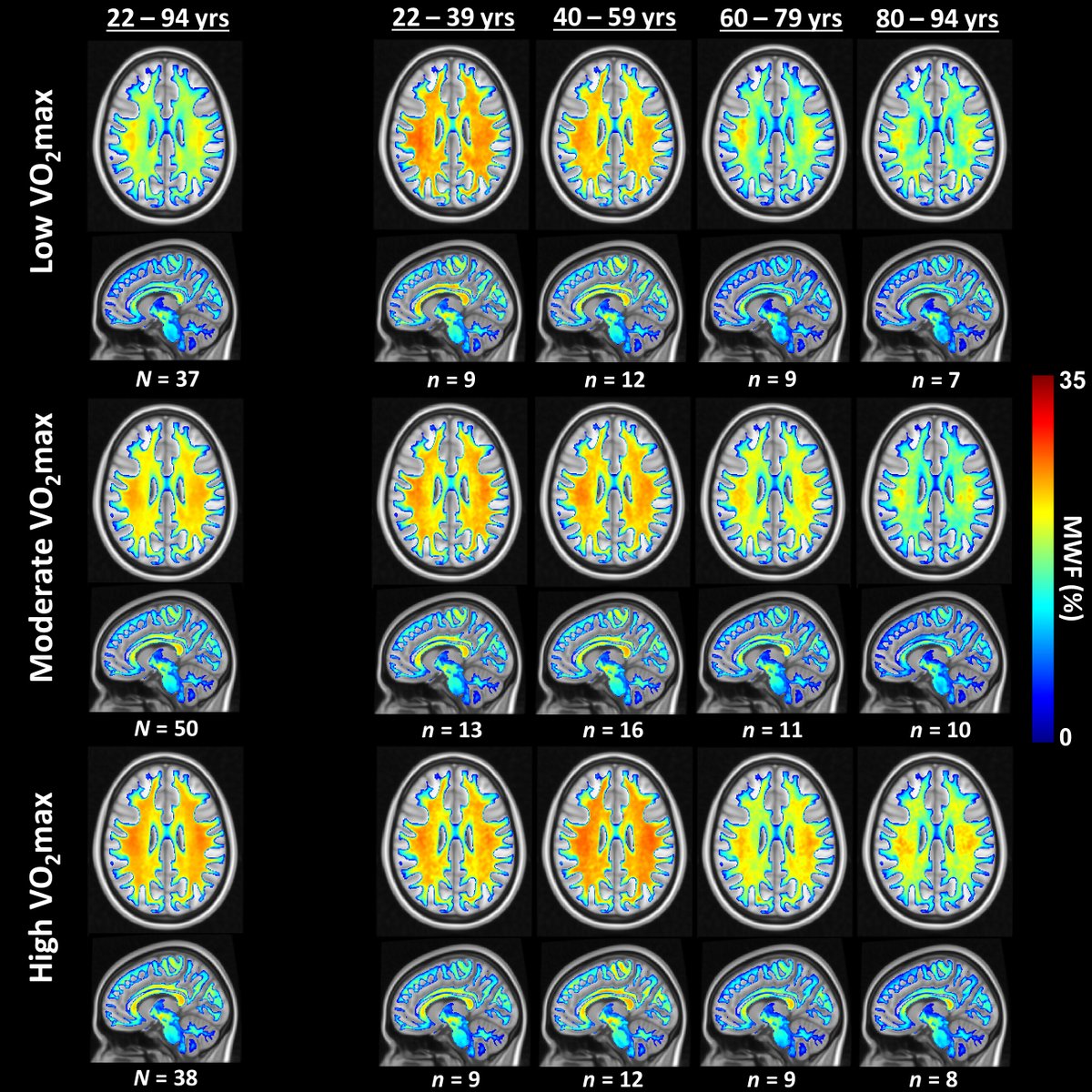
Aerobic exercise protects the brain from the age-related loss of myelin, which is crucial for efficient communication between neurons and maintaining cognitive clarity.
In a new study, higher fitness levels were strongly linked to better myelin integrity in the brain across nearly all of the brain regions studied, with those in poor fitness showing worse myelination.
This relationship was more robust in middle-aged and older adults, emphasizing the critical role of fitness in preserving brain health as we age.
Additionally, people with higher fitness levels, as indicated by a higher VO2 max, experienced slower myelin degradation, with the highest VO2 max linked to a peak in myelination around age 41. In contrast, those with a low VO2 max showed rapid demyelination, with their myelin levels peaking before age 22.
While this study shows an association, not causation, the broader evidence supports the idea that improving fitness can enhance overall brain health.
The best way to improve fitness? Exercise, particularly high-intensity interval training or HIIT. We know it’s good for the body, and accumulating evidence suggests that it’s indispensable for brain health too.
PMID: 39159379
This chart shows the AVERAGE range of healing times for various tissues in the body, including different grades of tissue injury for muscles, tendons, and ligaments. It can serve not only as a guide but a reminder that we can't force our bodies to heal faster than possible.
Is there an upper limit to how much protein our body can use per meal?
In humans, 20–25 grams of protein maximally stimulates muscle protein synthesis. The thinking goes that any “excess” protein consumed will be oxidized and left unused by the body.
But a new study from podcast guest Luc Van Loon challenges that thinking.
Consuming 100 grams of protein in a single meal leads to a dose-dependent increase in circulating amino acids. It also increases plasma, muscle, and whole-body protein synthesis to a greater degree than 25 grams of protein.
This anabolic response was prominent 0–4 hours after consuming 100 grams of protein but increased even further in the 4–12 hour postprandial period.
Our body will use all of the protein we eat, even if it’s more than 20–25 grams — it just takes longer to digest and absorb.
Watch full episode now:
https://t.co/qpJf0c5uoz
New study shows leaning back in the leg extension (40 degrees hip extension) elicits markedly greater growth in the rectus femoris compared to a typical 90-degree hip angle
https://t.co/e70UxmlctQ
💉PRP vs. Placebo for Knee Osteoarthritis: A Systematic Review and Meta-Analysis
An OE Original
Platelet-rich plasma (PRP) is one of the most popular, yet controversial, therapies in orthopaedics.
Some studies suggest it is safe and effective, while others have found no benefit.
We conducted a systematic review and meta-analysis comparing PRP vs. placebo to see what the current evidence says!
🏗️METHODS
We searched the MEDLINE, EMBASE, Cochrane, and OrthoEvidence databases for RCTs including adult patients with knee osteoarthritis comparing:
1⃣ Platelet-rich plasma injection(s)
2⃣ Placebo
We looked at the following outcomes of interest:
-pain
-WOMAC total scores (measures pain, stiffness & function)
-KOOS sub-scores (symptoms; activities of daily living; sports/rec; quality of life)
-IKDC scores (measure of function & symptoms)
-Injection site pain
We assessed the risk of bias of the included studies using the Cochrane Risk of Bias tool, and the GRADE approach to determine the quality of the evidence.
🔍RESULTS
We found 12 RCTs, with a total of 1,834 patients!
Risk of Bias
The included studies generally had a low risk of bias; however, the risk of bias in selective reporting was unclear in 7 trials.
Pain
Pooled pain scores at all time points, up to 12 months post-treatment, were significantly in favour of PRP!
WOMAC Scores
Pooled WOMAC total scores at all time points, up to 12 months post-treatment, were significantly better in the PRP group.
KOOS Scores
Only 2 studies reported KOOS scores: all pooled sub-scores were not significantly different between the two groups, except the sports/recreation sub-score which was significantly better in the PRP group (p=0.05).
IKDC Scores
Pooled IKDC scores were significantly better in the PRP group at 6 and 12 months post-treatment.
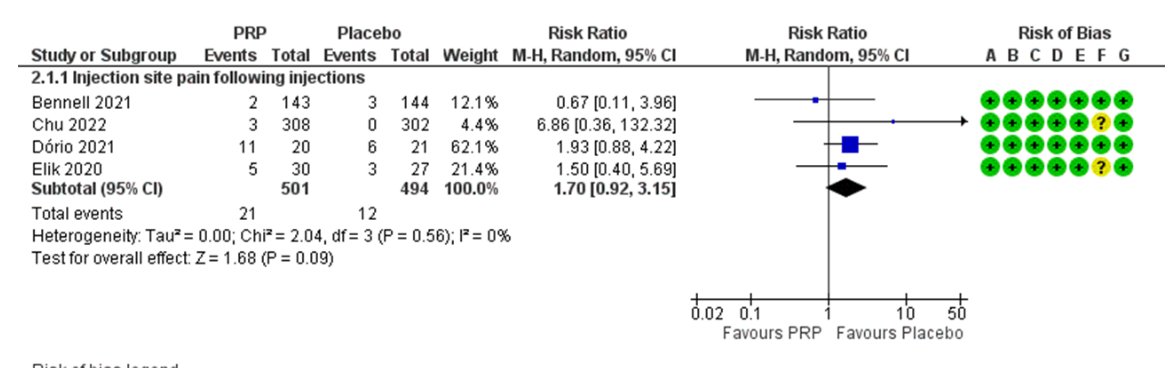
Injection Site Pain
The pooled risk of injection site pain was not significantly different between the PRP and placebo groups (p=0.09).
Subgroup Analyses
No differences were found in our sub-group analyses by number of injections or formulation (leukocyte-rich vs. leukocyte poor).
✅INTERPRETATION
Current evidence suggests that PRP injections are likely to be safe and effective vs. placebo for knee osteoarthritis.
Future high-quality studies, and comparison with other non-surgical interventions are of interest to further elucidate the potential utility of PRP!
Stretch your hip flexors to reduce your anterior pelvic tilt 🫣😮😳🤪
Well it could. But.
⚠️𝐁𝐮𝐭 𝐛𝐲 𝐡𝐨𝐰 𝐦𝐮𝐜𝐡?⚠️
❇️1.2 degrees - WOW - life changing.
•After the stretching protocol there was an reduction of 1.2° in pelvic tilt after hip flexor stretching & no meaningful correlations between the change in pelvic tilt when the sides were considered separately. (Preece et al., 2021)
•These negligible changes are in pain free healthy individuals, so take into consideration all of the guarding, pain inhibition and anatomical variability in pelvic angles.
•Significant differences in sagittal spino-pelvic parameters among races were seen, (Arima et al 2018)
•There is little normative data presented within the literature establishing typical findings within an asymptomatic population from which to make comparisons in pathological populations. (Herrington 2011)
Preece, S. J., Tan, Y. F., Alghamdi, T. D., & Arnall, F. A. (2021). Comparison of pelvic tilt before and after hip flexor stretching in healthy adults. Journal of Manipulative and Physiological Therapeutics, 44(4), 289-294.
To be clear, this is based on observational data from @LaukkanenJari's work out of Finland.
There's a variety of viable mechanisms, including cardiovascular improvements, that might explain why this phenomenon might be occurring. But the usual caveats to observational data apply.
That being said, Dr. Laukkanen and his colleagues have published an enormous literature that continues to grow all of the time:
https://t.co/8UR8gMey4r
This MA showed that a diagnostic cluster, pairing resisted hip ABD & palpation is a good place to start in the Dx of #GTPS . Together, these tests significantly increase or reduce probably of GTPS. The 30secSLS Test is useful in confirming a +ve diagnosis. @JOSPT@ASemciw
Statins, Muscle Weakness, and Signs of Gut Permeability and Inflammation
A recent study in the Journal of Cardiovascular Pharmacology explored the physical performance and various biomarkers in 172 patients diagnosed with chronic heart failure.
Patients taking statins experienced a significant increase in CAF22 (a marker of muscle wasting and sarcopenia), zonulin (a marker of intestinal barrier integrity), and C-reactive protein (a marker of inflammation).
Statin patients also demonstrated reduced hand-grip and gait speed compared to those not taking statins.
"...statin therapy adversely affects the neuromuscular junction and intestinal barrier, which potentially induces systemic inflammation and physical disability in patients..."
https://t.co/EOWmTldyvY
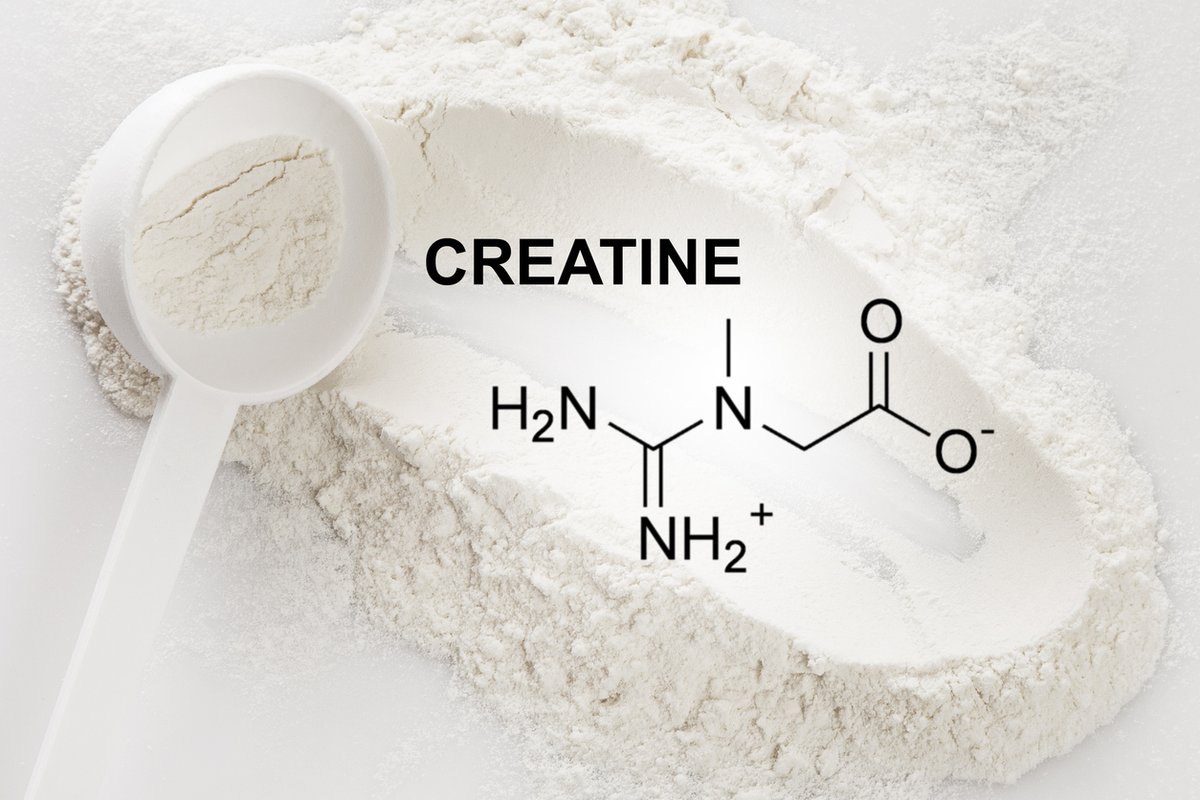
CREATINE 101:
Basic points to know
1. Its not a steroid
2. Its an organic compound, your body makes it naturally from amino acids
3. ANYONE can take it. Male or female, young or old
4. Its the most studied supplement in nutrition science, there are THOUSANDS of studies on it
5. Creatine improve strength, power, power endurance, and can increase lean body mass
6. It can improve neurological health as well, although there is less research on this than the performance benefits
7. Its perfectly safe to take. The only bad reactions are typically when people dont drink enough water. Createine is hydrophilic
8. It does not cause hair loss (DHT theory of hair loss is wrong anyways)
9. It does not cause kidney or liver damage.
10. Creatine monohydrate is the best form, and the cheapest.
5 grams a day, with plenty water. You do not need to load it.