'Milan’s average house-price-to-income ratio is about 12.5 according to FT analysis — higher than in London.'
My story on Milan's 20th century apartments, European facelift, tourism boom – & how it all coalesced into one of Europe's worst housing crises: https://t.co/9pfJNWJImI
If you have a Thunderbolt or USB4 eGPU and a Mac, today is the day you've been waiting for! Apple finally approved our driver for both AMD and NVIDIA. It's so easy to install now a Qwen could do it, then it can run that Qwen...
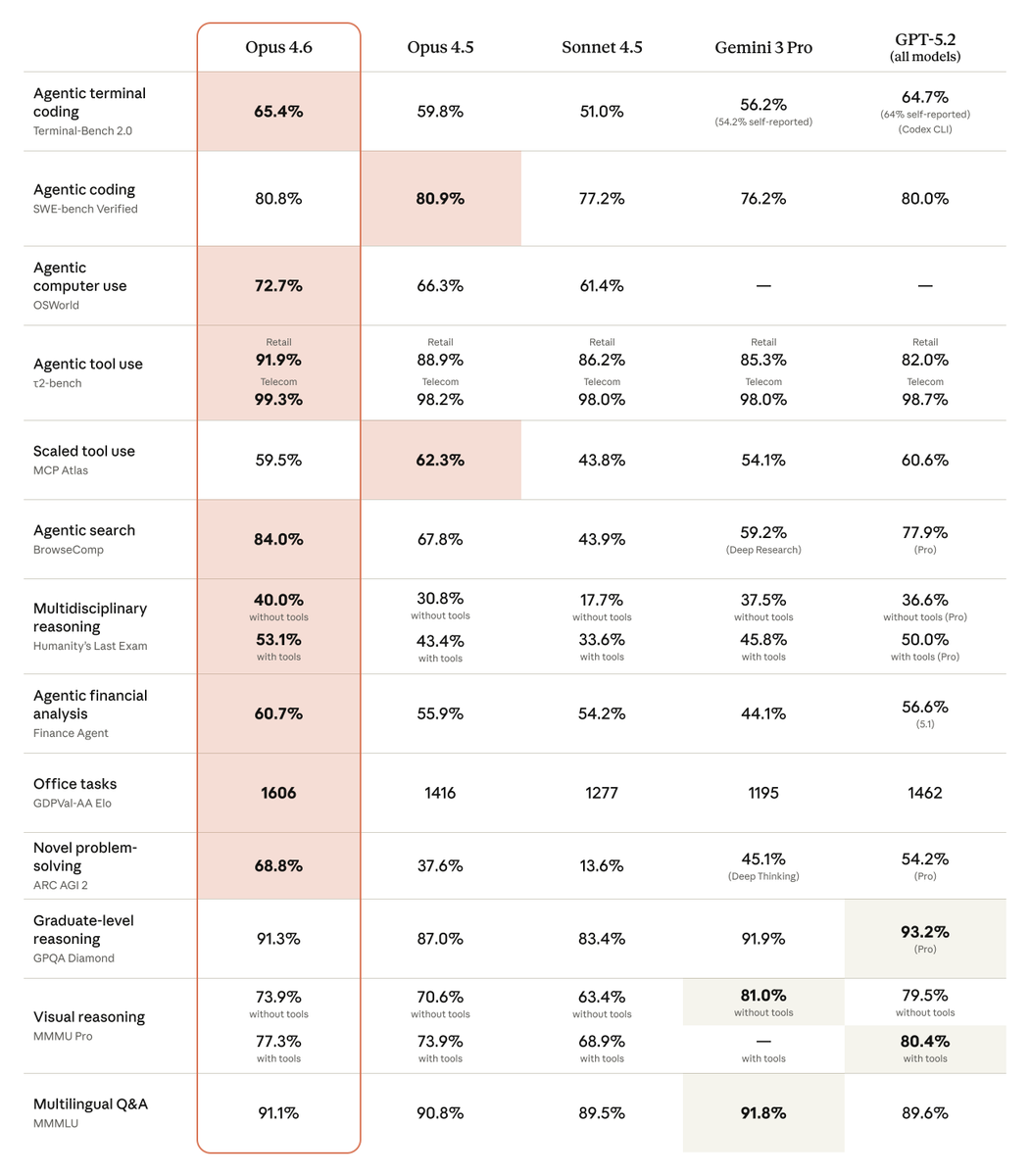
Opus 4.6 is state-of-the-art on several evaluations including agentic coding, multi-discipline reasoning, knowledge work, and agentic search.
We're also shipping new features across Claude in Excel, Claude in PowerPoint, Claude Code, and our API to let Opus 4.6 do even more.
Coding agents are changing how software gets built. Here are some best practices on how the Cursor team leverages agents effectively: https://t.co/4fLpQlTIlM
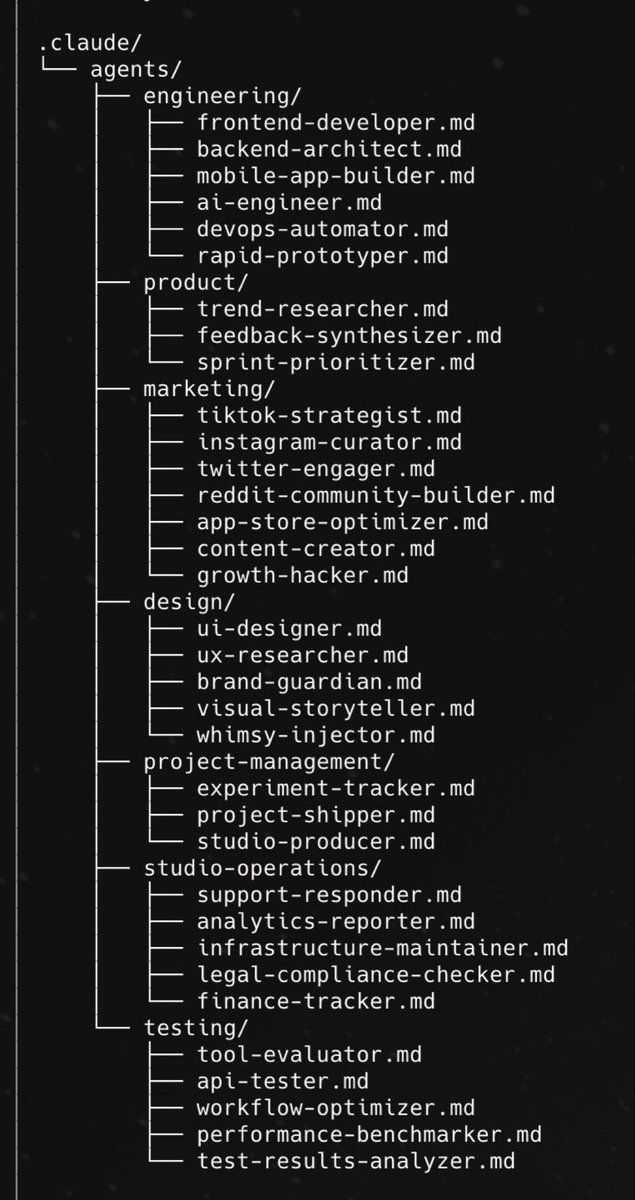
my hot take is that anytime you see stuff like this, run. the best way to build subagents is progressively, over time, as you come across problems you cannot solve otherwise.
start with the simplest thing that works and add layers as needed to get a better outcome. someone else’s workflow will never work for your workflow because 1) people sharing things like this rarely actually use them for anything productive and 2) even if they did theres countless micro decisions that go into them that make them unsuitable for anyone else
examples
- you find yourself wishing that you would remember to use plan mode more often. solution: add a line to your personal claude md to ask claude to use the AskUserQuestion tool when it sees you starting a new project
- you keep submitting PRs without running formatting first, ask claude to update the project md to always run riff format before it creates a commit
- you’re writing technical documentation but need a consistent structure and style, ask claude to read your current docs and create a technical writing subagent based on the structure and style it finds
Work on real problems and you’ll have real success
I've never felt this much behind as a programmer. The profession is being dramatically refactored as the bits contributed by the programmer are increasingly sparse and between. I have a sense that I could be 10X more powerful if I just properly string together what has become available over the last ~year and a failure to claim the boost feels decidedly like skill issue. There's a new programmable layer of abstraction to master (in addition to the usual layers below) involving agents, subagents, their prompts, contexts, memory, modes, permissions, tools, plugins, skills, hooks, MCP, LSP, slash commands, workflows, IDE integrations, and a need to build an all-encompassing mental model for strengths and pitfalls of fundamentally stochastic, fallible, unintelligible and changing entities suddenly intermingled with what used to be good old fashioned engineering. Clearly some powerful alien tool was handed around except it comes with no manual and everyone has to figure out how to hold it and operate it, while the resulting magnitude 9 earthquake is rocking the profession. Roll up your sleeves to not fall behind.
@Franc0Fernand0 autonomy isn't inherently wrong - but treating it as a management north star is peak ZIRP cope. real leadership is about providing directional clarity + air cover for high-conviction bets.
Trying to come up with analogy to explain #xzbackdoor to my mom. Best I’ve come up with so far:
Imagine a grizzled, tired, old oil pipeline maintainer was approached by a plucky young kid who was new to the small town the oil pipeline passed through. Slowly, over years, the kid gained the old guy’s trust and did more of the critical work of keeping the pipe well maintained, often without the grizzled veteran checking too carefully.
Most the work was actually helpful, but unbeknownst to anyone, once he had unfettered access the kid sprinkled nearly undetectable explosives into the flow of oil that would only detonate when they were turned into gasoline that ran in the vehicles that made up the Presidential motorcade.
It would have been the perfect way to get away with assassinating the President but a random Prius owner, who hyper optimized his car’s performance, noticed the gas he was getting was slightly less performant so analyzed its makeup and traced the explosive back to the source, foiling the kid’s plan.
Don’t love it, and resulted in lots of questions around how such explosives would actually work and survive the refining process, but best I’ve come up with.
Any better suggestions?
I have tweeted this before, but I feel it's a thread worth re-visiting:
Computers are deliberately engineered to simulate near-determinism, principally for debuggability. Through this property, most things that happen in a computer are monocausal and ...