@truly_sinclair @adonisframework@tan_stack Sounds nice! I haven’t used inertia but thought it used the existing router for its backend adapters? I’d be curious to see what this looks like though, seems legit
10 years ago, “hustle culture” was too rampant, ignoring real burn-out.
Today, in our post-COVID hangover, many people won’t tolerate the slightest discomfort, and stagnate as a result.
We need more obsession and sacrifice than is “comfortable,” without the pain olympics.
@mjackson Not everyone is. There are hybrid tools like @inertiajs. I think it feels like “everyone” bc of a generational trend. ime the default choice to build an SPA has created more of a technical liability in most cases, esp in a startup
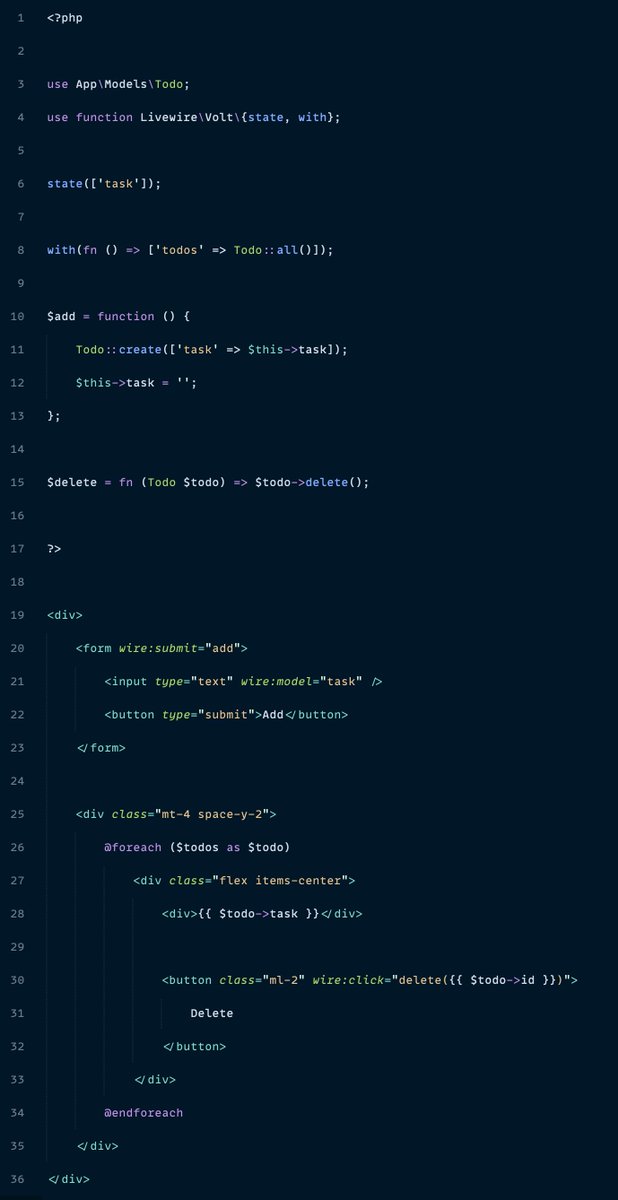
The todo application. 😅
But, seriously, here's the thing...
When Laravel and Rails developers say "full stack", they mean something totally different than when Next or Remix (React Router?) developers say "full stack".
In Laravel and Rails, it means there are built-in, opinionated solutions to things like validation, interacting with a database, authenticating users, scheduling background work, sending an email.
In Next and Remix, it seems to mean that there is simply the bare ability to run code on the server at all and an advertisement for Clerk. 🙃
From my perspective, Next and others are really, really great at the GET part of web development. Get data from some backend, show it on the page quickly. 👌
They are not mature for POST, PUT, and DELETE, especially when things start getting non-trivial.
And, I don't think this is really unique to Next or a single framework. It's something that seems to pervade current JavaScript as a whole - note the current proliferation of "starter kits" that try to bring some sanity to the full-stack story.
I think this has had actual consequences in the JavaScript ecosystem...
Rails and Laravel were built with the express purpose of allowing a single developer to build the next GitHub... or the next AirBnb... or the next Shopify. Prototyped from beginning to end.
That's what I'm passionate about. Empowering a single developer or small team to build something amazing.
I built the 1.0 of Laravel Forge, Envoyer, Vapor, Spark, and the backend of Nova by myself.
$40M in revenue over 10 years from my home office. That's an empowering tool for a solo founder.
I don't see a full-stack story in JavaScript yet that would allow me to realistically sit down and build something like Forge or Vapor from start to finish. Maybe I'm missing it. 🤷♂️
The MVP start-ups I do see fully built on current JS meta frameworks are much thinner. The stereotypical API call to an AI service. Not much meat on the bones.
Laravel / Rails have been building their modern front end story with Hotwire, Livewire, Inertia, and more... Next and others are building their modern back end story.
Smart people on both sides working on these problems, so I'm confident we'll both get to where we want to go. 💪
After six years of development Phoenix LiveView 1.0.0-rc.0 is out! 🚀
The announcement reflects on our path to 1.0, some fun demos, and what's next.
"with Elixir you start shipping features that other platforms can’t even conceive as possible"
https://t.co/Xkk0bUEzrp
I'm joining @zeddotdev in June!
I've been absolutely loving this editor—everything feels *so* fast, Vim mode is built in, and multiplayer editing is now my favorite way to collaborate on code in realtime.
I am SO STOKED to be a part of building the world's best code editor! 😍
@src_rip It seems like the opposite is true. That there is higher competition in smaller ecosystems that people really want to be in, but that’s cool that you don’t experience that!
After enjoying my first api project with Elixir Phoenix, I'm now digging into LiveView for a project and loving it. Such a good stack for web! #myelixirstatus