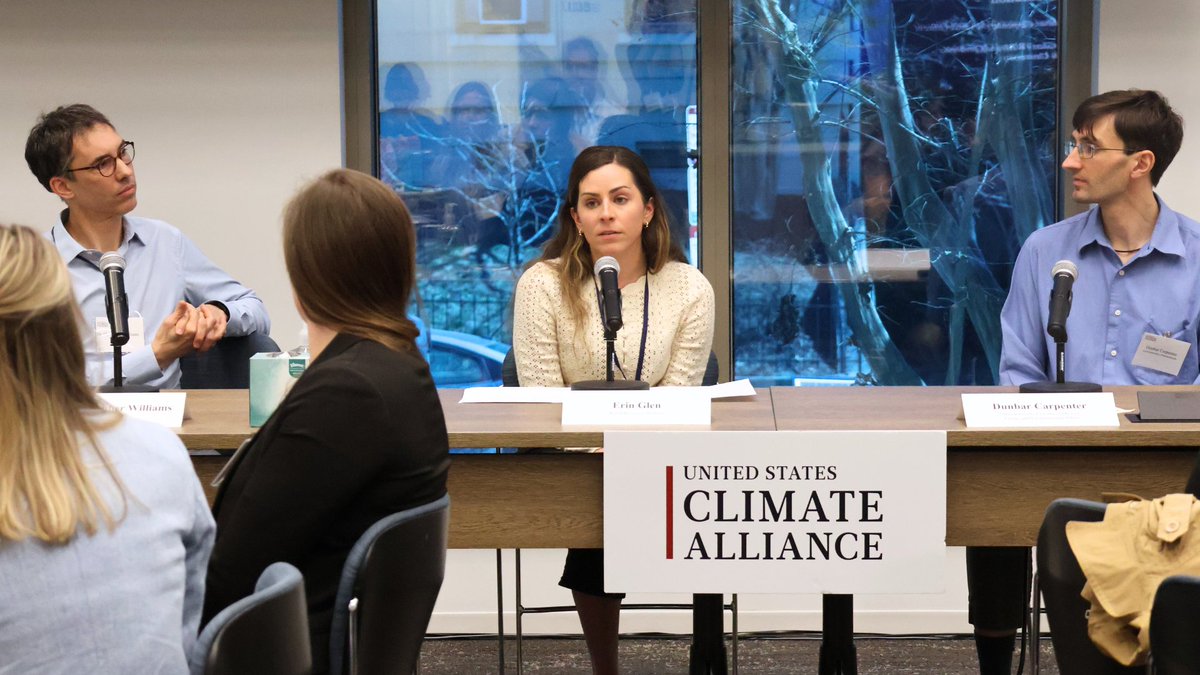
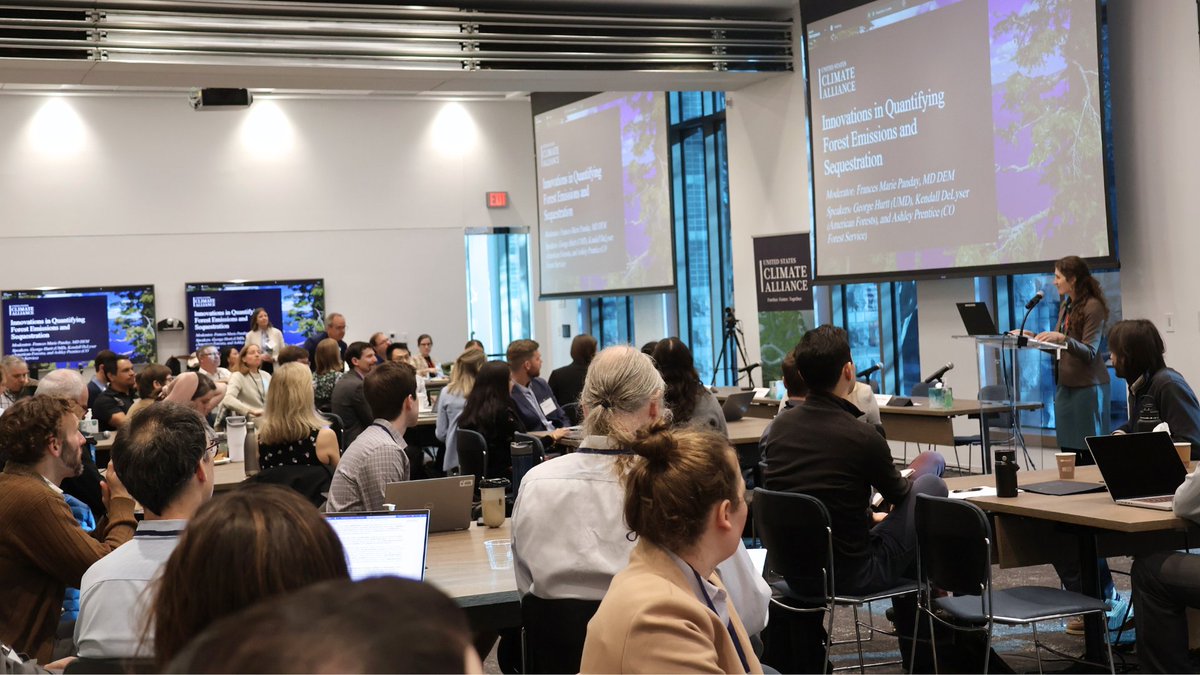
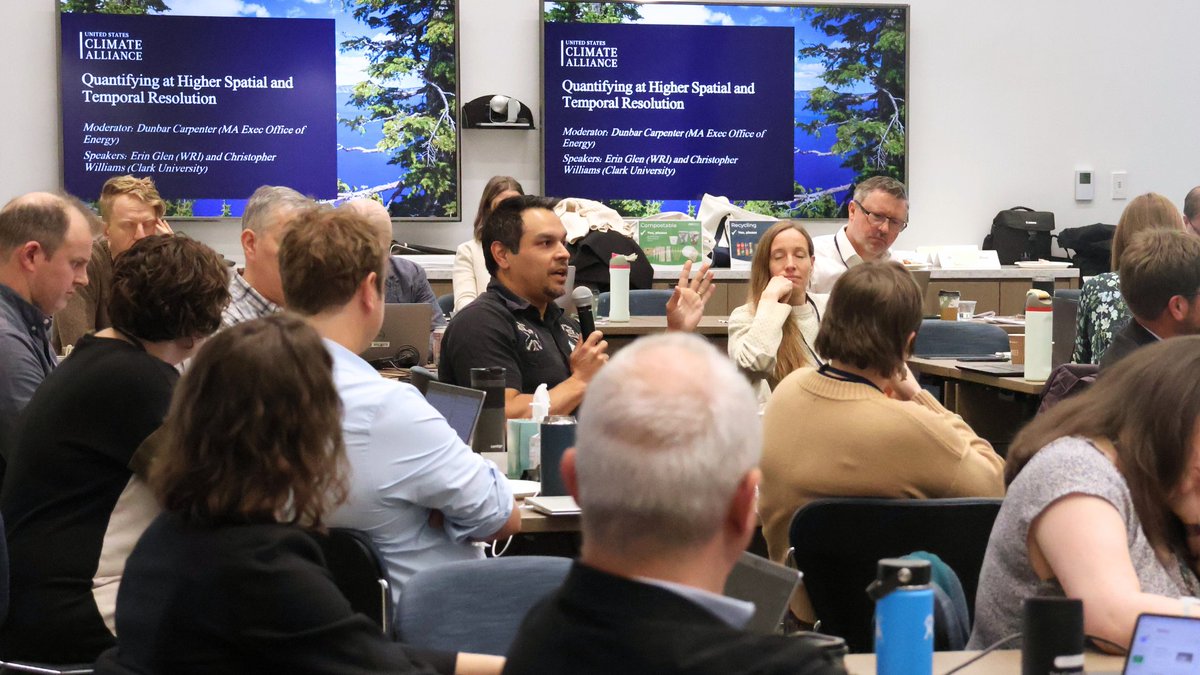
🌳🔢 This week, we convened representatives from 17 states & territories & experts to highlight innovative, cutting-edge approaches to quantifying & modeling GHG emissions & sequestration.
Learn more ➡️ https://t.co/Mbk7Ox84fM
New paper!📢 We found the 3, 30, and 500m phenology data products are generally consistent. More importantly, entropy quantifies the cross-scalar data consistency, which may enable mixed-resolution applications to balance computating and accuracy.
https://t.co/4IlFUD27BI
Our lab has an opening for a Research Assistant to help conduct an NSF-Funded global change experiment at the Harvard Forest investigating plant responses to warming, eCO2, and drought. Please spread the word and apply if interested! https://t.co/jLD49bMurc
Our lab has an opening for a Research Assistant to help conduct an NSF-Funded global change experiment at the Harvard Forest investigating plant responses to warming, eCO2, and drought. Please spread the word and apply if interested! https://t.co/gyHZp4gKfQ
Herbivory is a huge factor dictating plant communities and ecosystem processes, and plant C/nutrient dynamics drive these herbivory patterns. Check out how ectomycorrhizal fungi will mediate herbivory in a high-CO2, nutrient-limited world: https://t.co/03JUNxBDmG
So pleased to share this paper that is now out in Nature Ecology & Evolution synthesizing 16 years of data from our Soil Warming x Nitrogen Addition study @HarvardForest: https://t.co/sMTKlI7VkP @unhresearch@sgrandysoil@SoilBioME
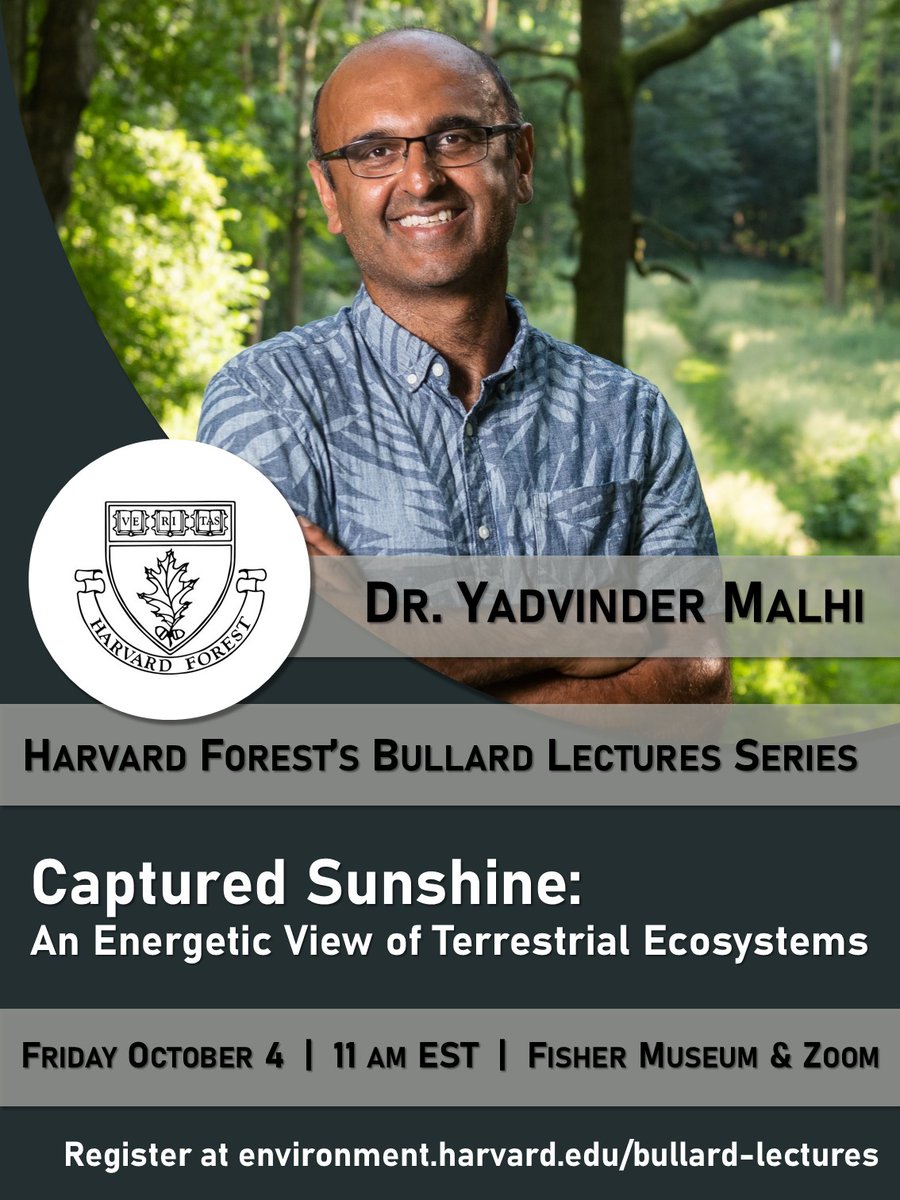
🌍We're thrilled to invite you to this year’s Bullard Lectures, featuring Yadvinder Malhi @ymalhi.
Join us with @HUCEnvironment and @HarvardSalata to hear Dr. Malhi on Oct 3 in Cambridge and on Oct. 4, join us at Harvard Forest (or on Zoom!).
Register: https://t.co/7i2pnFg23K
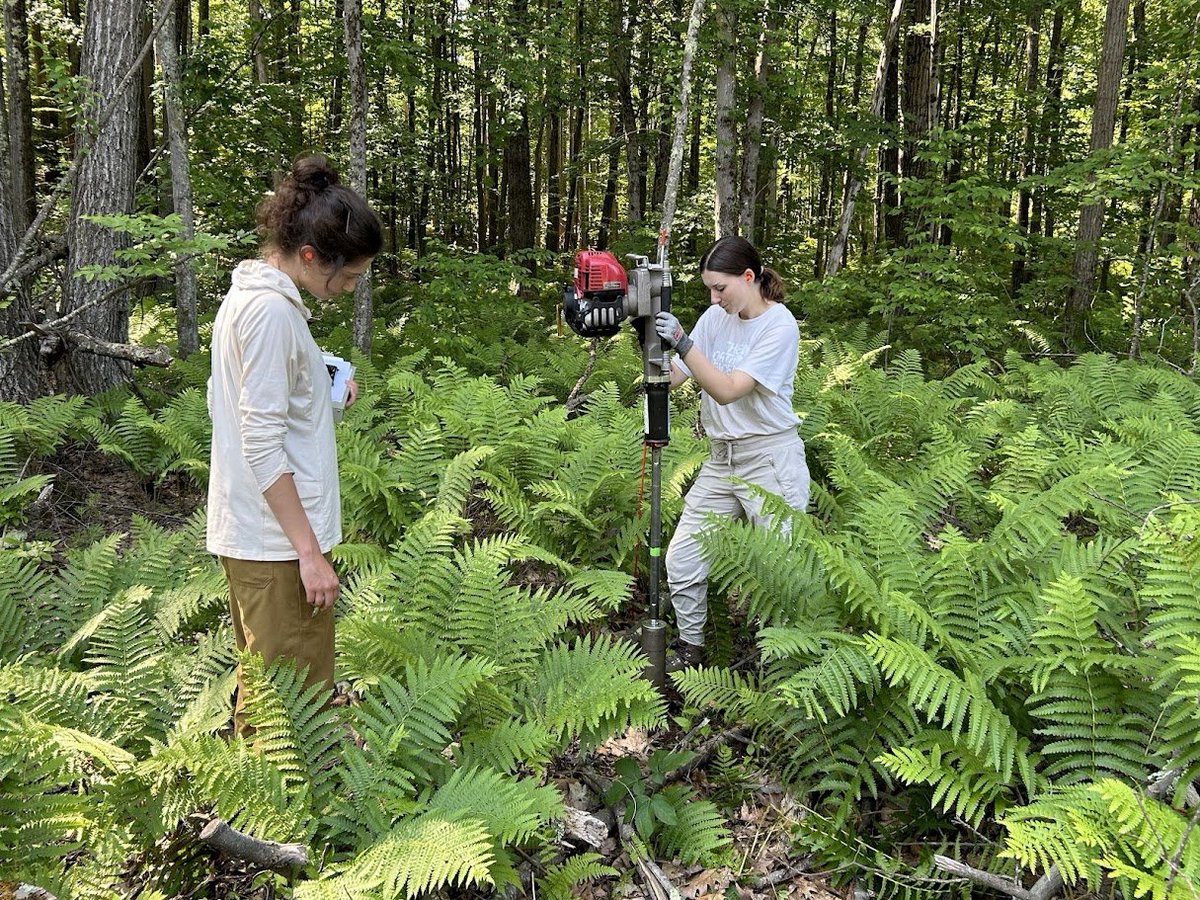
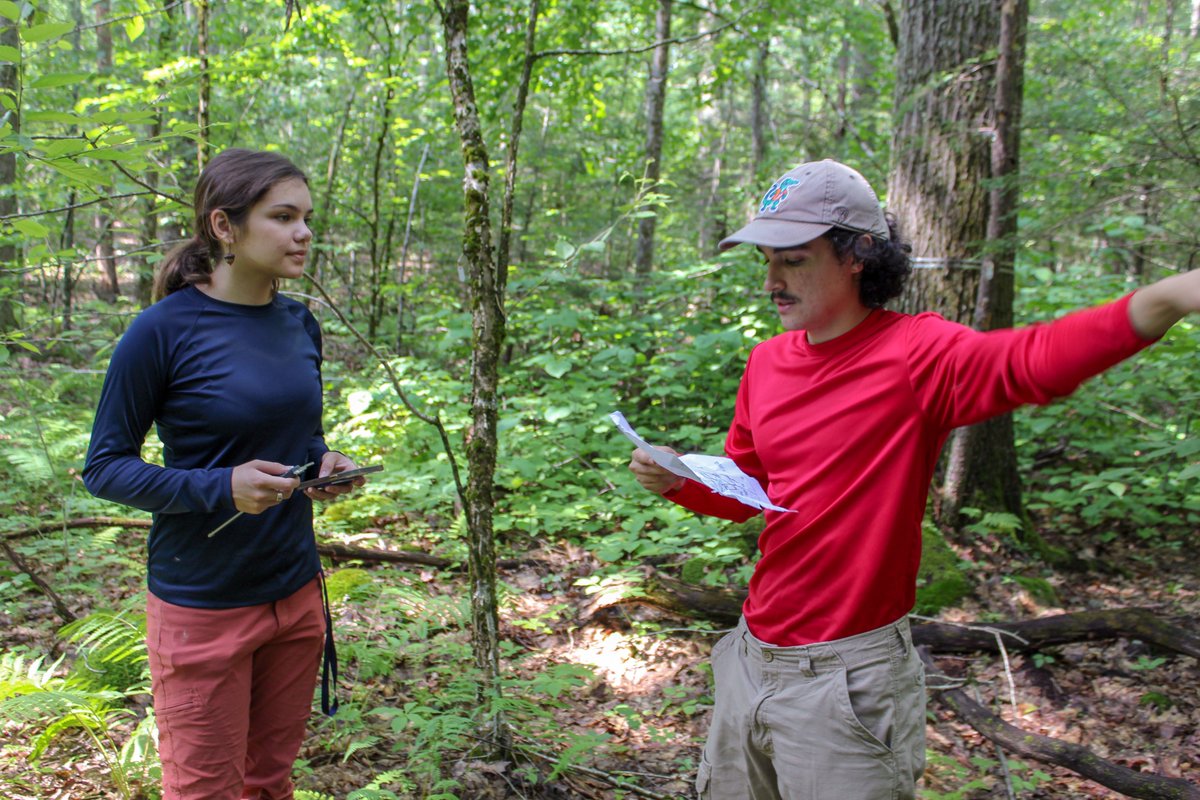
Been fortunate this summer to work with amazing students from @dartmouth & @cscc_edu at @HarvardForest's forest edge drought project to look at the impacts that harvesting and drought has on the forest, with a focus on roots, rhizosphere processes, and microbial carbon
🧵
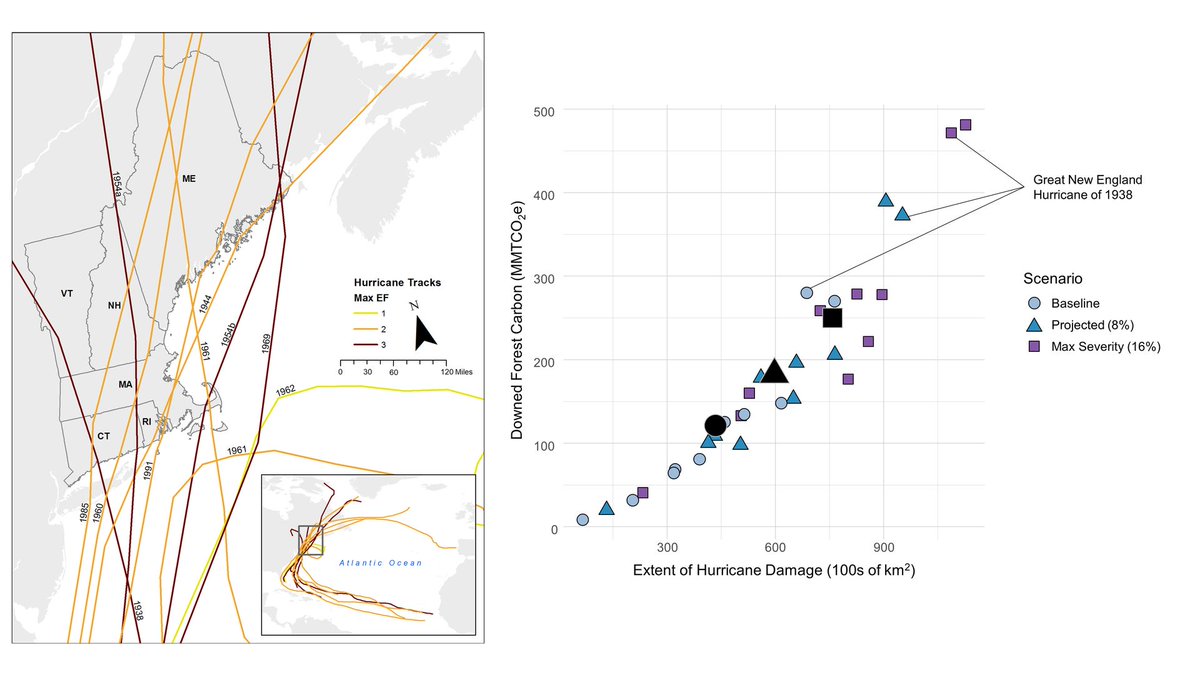
"Hurricanes pose a substantial risk to New England forest carbon stocks"
Our new study in @GlobalChangeBio looking at the potential impacts of hurricanes on New England Forest Carbon
@HarvardForest@dartmouth@jonathanrthomps
https://t.co/0daptsSFIu
📢New research in @GlobalChangeBio by @JosephTumber and colleagues provides significant insight into how forest carbon capture & storage are estimated in New England, especially as policymakers consider nature-based solutions like carbon offsets. 🍃🌩️🌳
Thu, Apr 11 @ 11am ET, join us for a virtual science seminar by @HarvardForest's Dr. Xiaojie Gao: Monitoring plant seasonality from space. #plantscience#phenology#climatechange
Free + open to all.
Register: https://t.co/aFTtgDlKrw
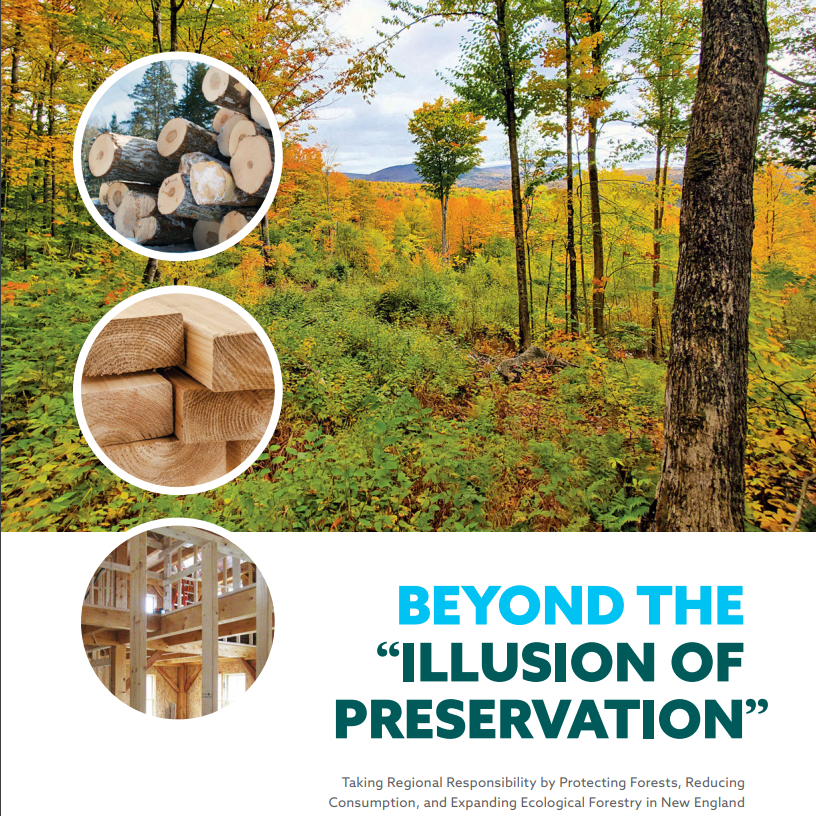
'Beyond the “Illusion of Preservation”' highlights how New England can expand #forest protections & sustainably meet wood product needs. Co-authored by Conservation Science Partners, @uvmvermont, @HarvardForest, @UMassAmherst, & @BrandeisU. https://t.co/zjykbVaWFj @wwfc_conserve
Do you know someone who *loves* trees & wants to spend the summer working outside? 🌳+✏️+📒=😄 (+ 💵) Harvard Forest is seeking summer field technicians to re-census (measure, map, & record) trees in our 85-acre megaplot! 🌱Applicants must enjoy trees. 🌲🌳https://t.co/730bCA7uem
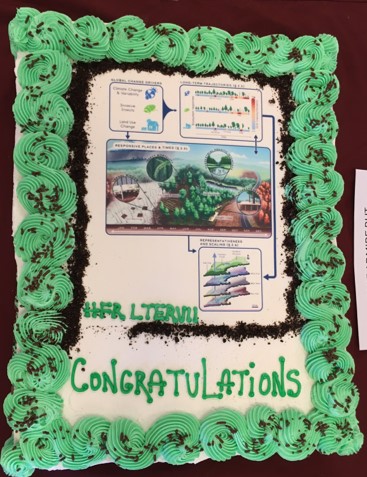
This month we submitted our 7th consecutive 6-yr proposal grant to fund our @USLTER site. It was a huge effort led by @jonathanrthomps@Audrey_BarPlot @lrhutyra @seritafrey with contributions from two dozen co-Is. So of course, today there is cake with conceptual diagram icing.
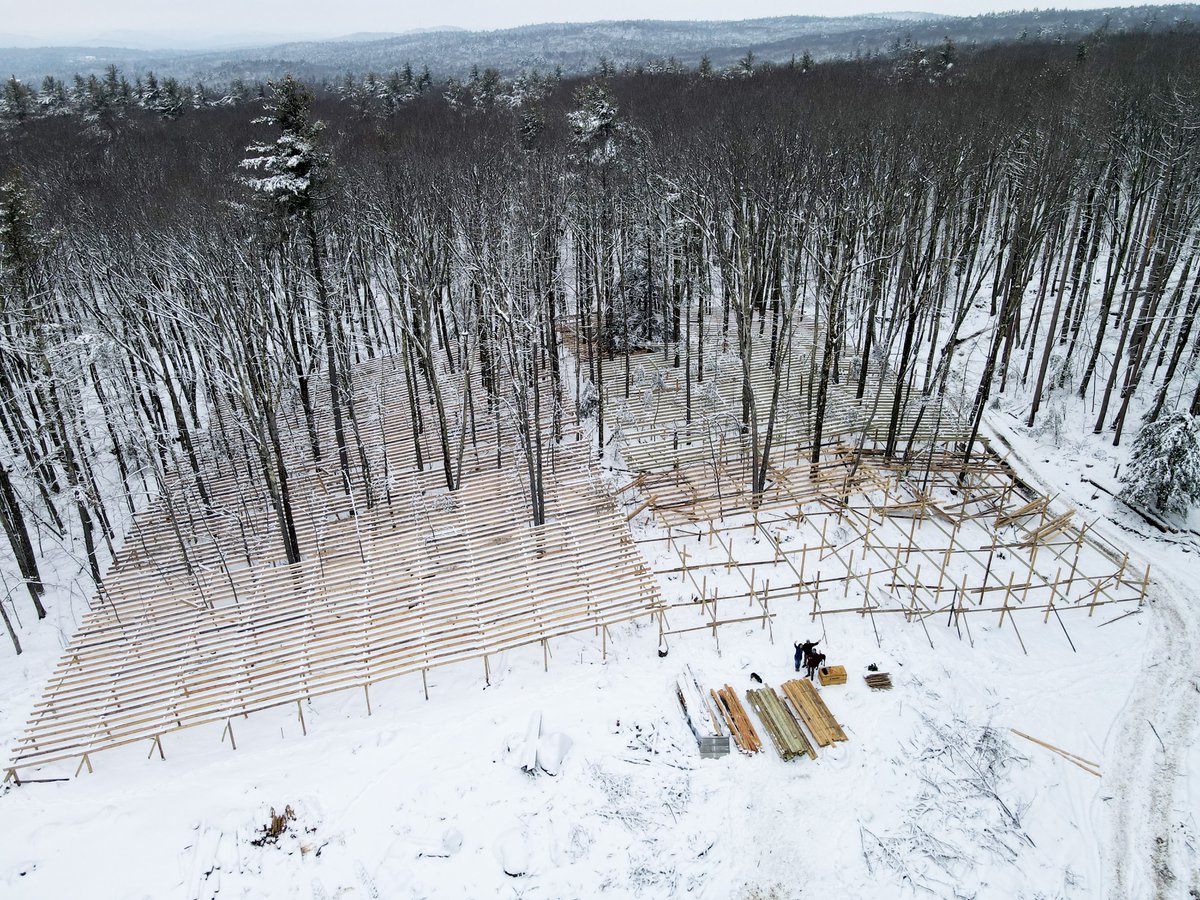
Andy Reinmann of @GC_CUNY is introducing Harvard Forest's newest @USLTER experiment, CLIFF: the Climate Interactions with Forest Fragmentation Experiment. Why? In the northeast US, 25% of our forests are within 100 ft of an edge #HFsymp24 Join us online! https://t.co/WkjnnHtrWc
Great to have this paper out today, which lays the groundwork for many other applications of using LiDAR to measure insect-induced phenotypes. Thanks for the great summary here, @bakerccm!