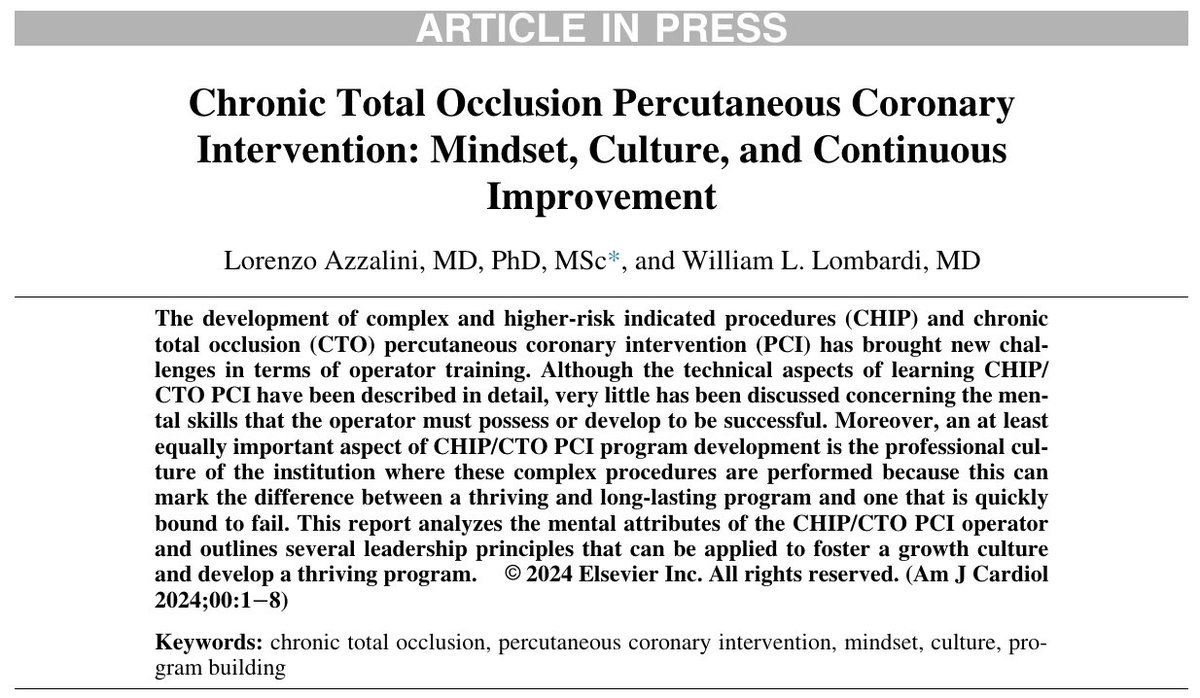
I truly loved writing this piece with @DrBillLombardi, which was just published by @AmJCardio.
I hope you folks enjoy reading it as much as we did putting it together, and especially that it can be useful for your professional and personal growth.
#CTO
https://t.co/PQL8qzVcpJ
Based on the polar opposite responses “Why Calcium score?”.. to “stress test” to “cath” we have checked all possible options.
Despite data & guidelines there are many grey zones in cardiology where there is no clear right answer!
I think we should present the risks & benefits of all options to the patient (yes there is risk of cath but also risk of SCD with unrevascularized LM).
We should empower patients to make the most important decisions of their life when there is true equipoise & lack of consensus among medical community.
That is my interpretation of shared decision making:
https://t.co/K8FxPVxBGk
Everything we have learned so far about the revascularization of non-culprit lesions in patients with acute myocardial infarction and multivessel disease... in 1 minute.
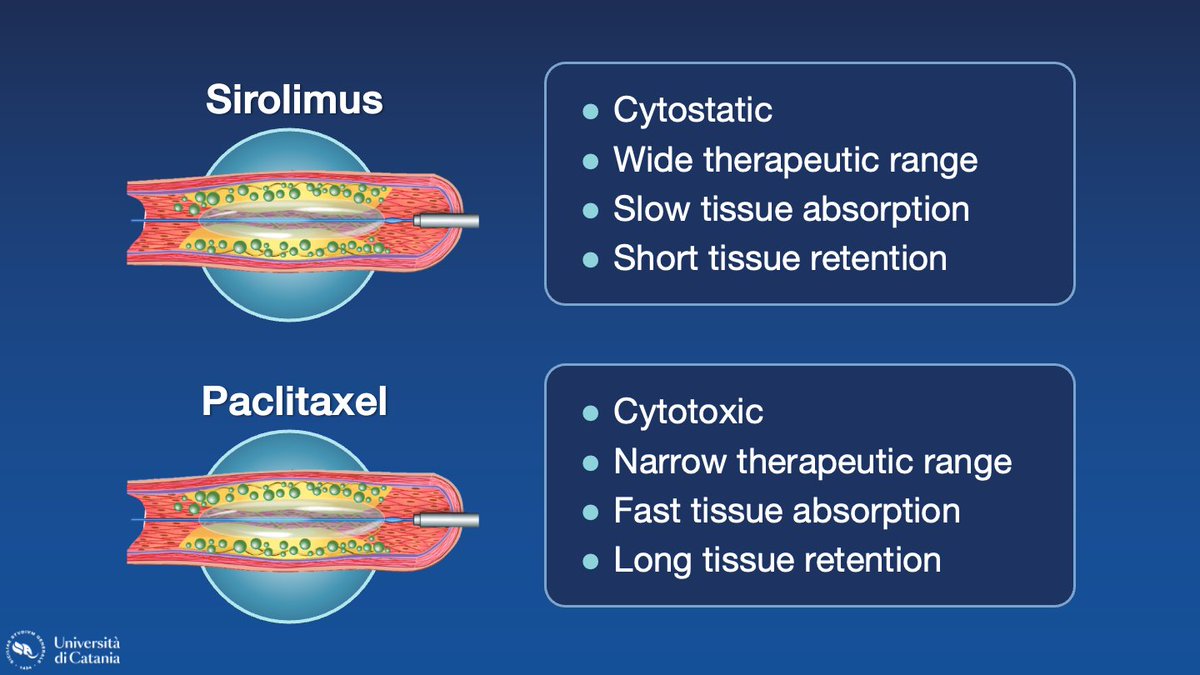
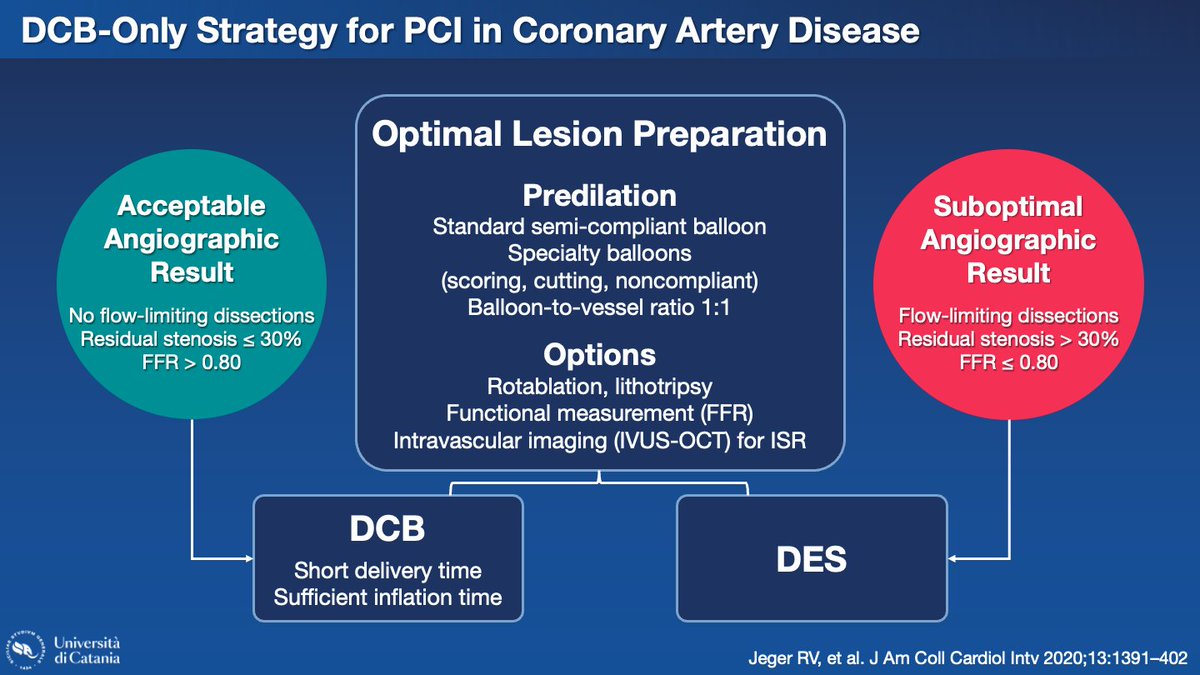
Where are we with drug-coated balloons (DCB) in PCI? Five thoughts.
1) The use of DCB in patients with in-stent restenosis, especially of a bare metal stent, is well established and evidence-based (now also in the US).
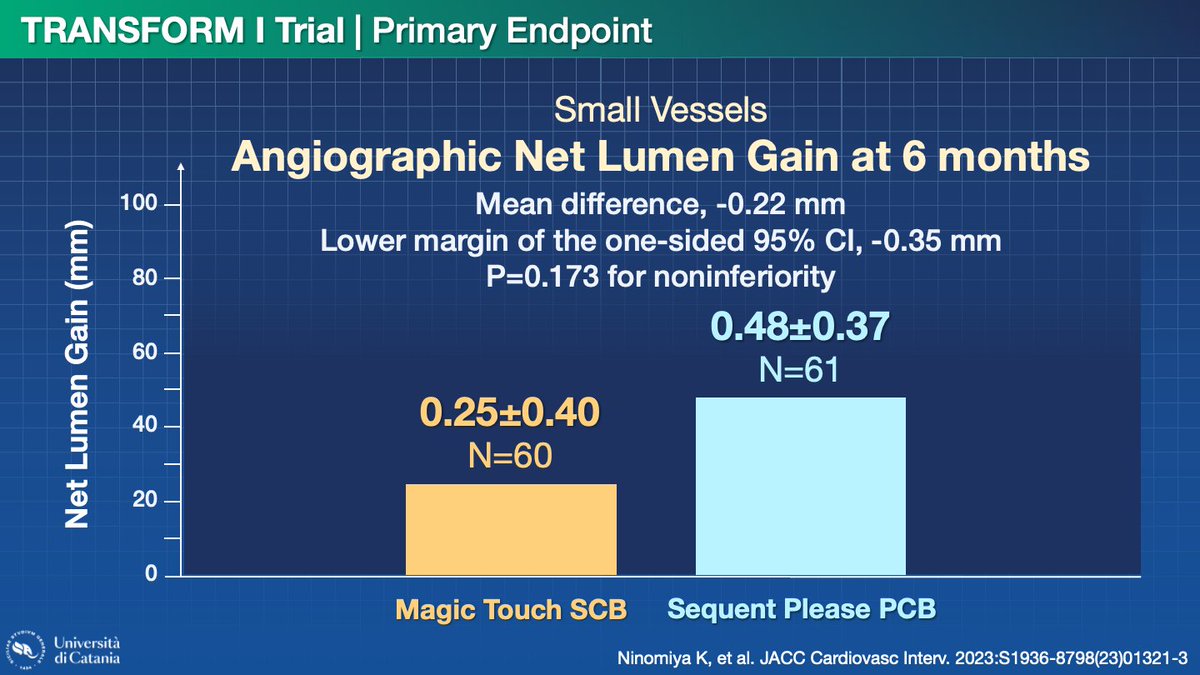
2) Conversely, DCB use in de novo disease lacks compelling clinical trial data. Use in small vessels and diffuse pattern disease is the most promising indication to date. Results of two ambitious trials (SELUTION De Novo AND TRANSFORM II) will define the role of DCBs in de novo disease going forward.
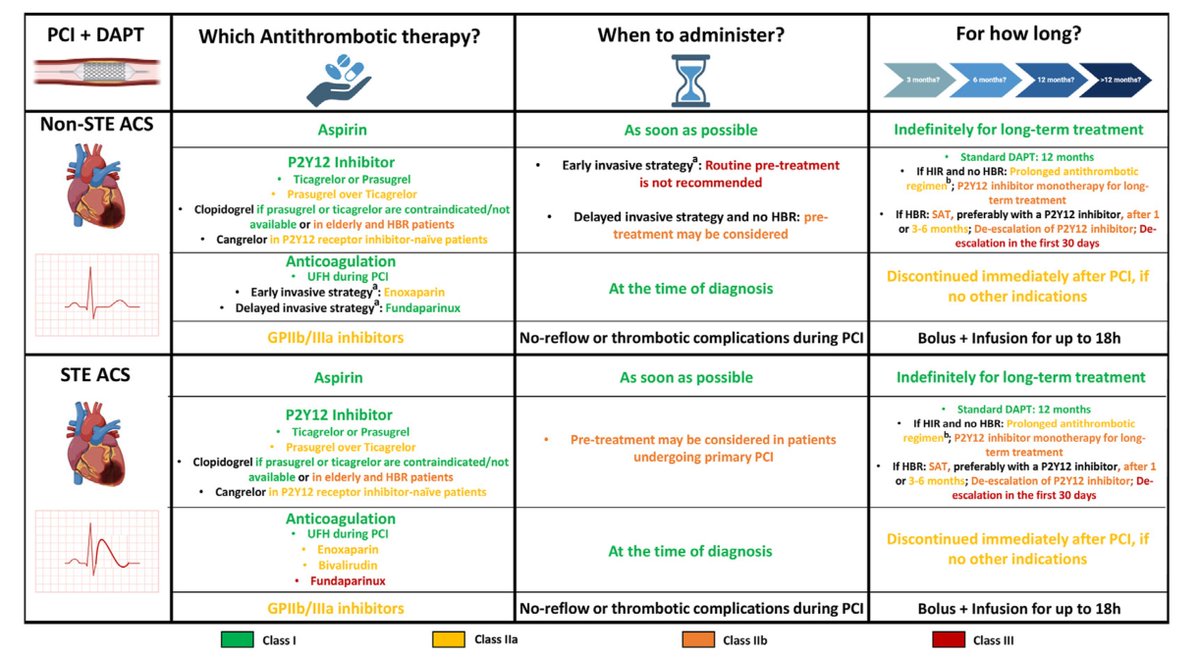
3) Growing experience with short DAPT and DES limits added value of DCB angioplasty in high bleeding risk patients.
4) The good performance of current generation DES in acute coronary syndromes questions the unmet need for this indication.
5) Robust data for DCB use in bifurcation PCI, where the provisional approach is dominant, is lacking.
#EuroPCR 2024 Major LBTs: NOTION-2
This study provides further data concerning the 1-year outcome of younger AS patients with tricuspid valve anatomy treated with #TAVI compared to SAVR. In this population, TAVI and SAVR showed similar rates of the primary endpoint at 1 year, but this interpretation is limited by the small sample size.
It also provides a “word of caution” concerning the use of TAVI in younger AS patients with bicuspid valve anatomy: dedicated trials comparing optimal TAVI with SAVR in younger patients with bicuspid aortic valve stenosis are now required.
Resilience is not about being invulnerable to hardship. It’s about accepting adversity as part of life.
Some struggles are challenges to conquer. Others are weights to carry.
Strength doesn’t come from avoiding setbacks. It comes from refusing to be defined by suffering.
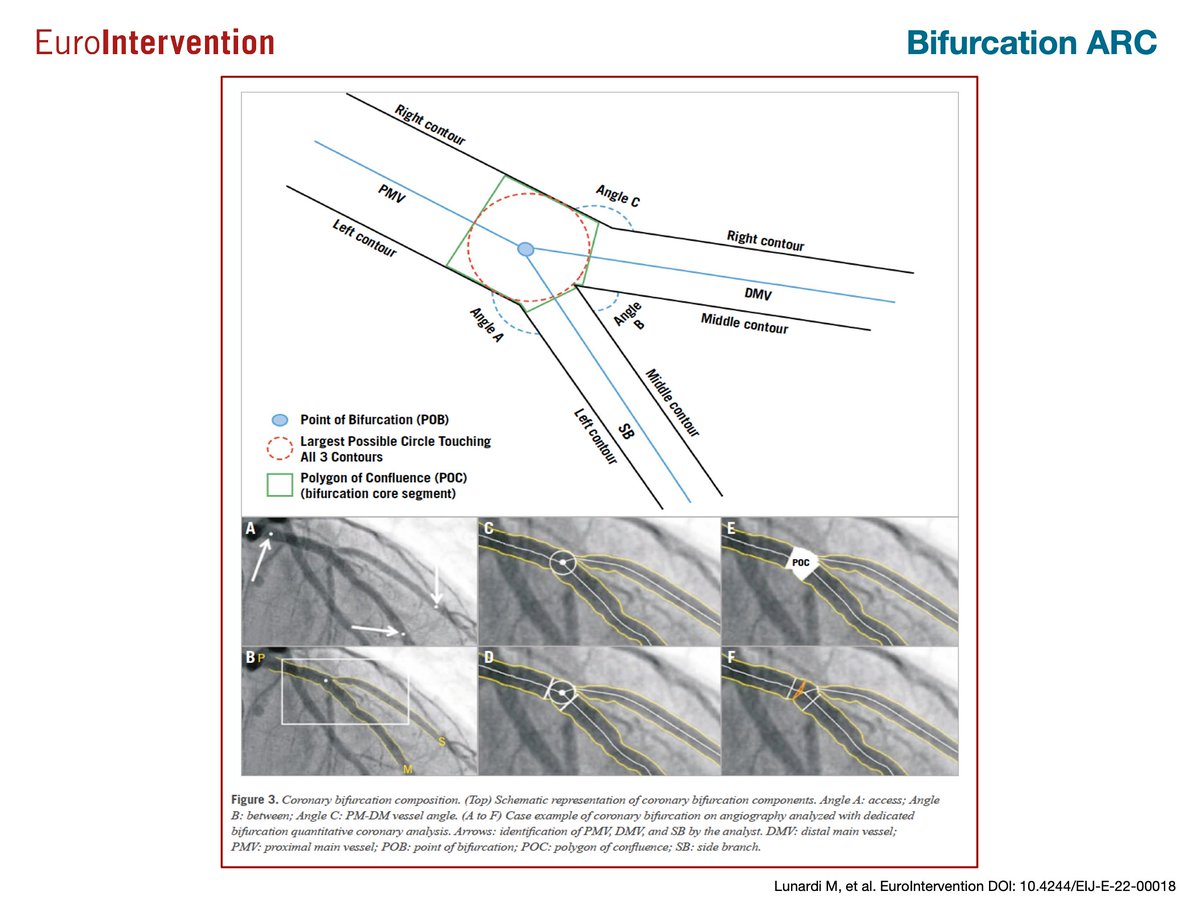
This consensus provides standardized definitions for bifurcation lesions; the criteria to judge the side branch relevance; the procedural, mechanistic, and clinical endpoints for every type of bifurcation study; and the follow-up methods. Considering the complexity of bifurcation lesions and their evaluation, detailed instructions and technical aspects for site and core laboratory analysis of bifurcation lesions are also reported. The recommendations included within this consensus will facilitate pooled analyses and the effective comparison of data in the future, improving the clinical relevance of trials in bifurcation lesions, and the quality of care in this subset of patients. @Mattialunardi;
https://t.co/EyrwVAn7Ui
EIJ DEBATES
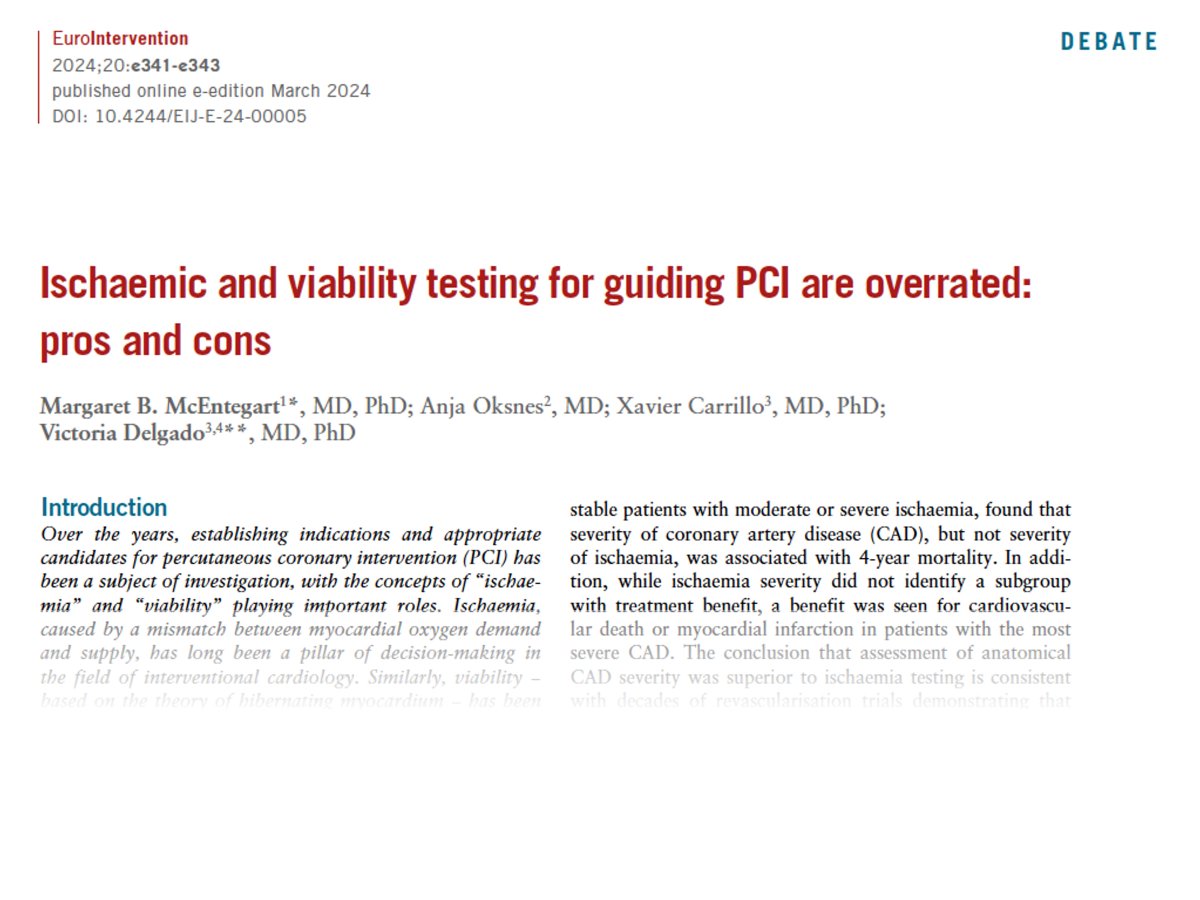
Over the years, the use of "ischaemia" and "viability" has been crucial in deciding who undergoes percutaneous coronary intervention (PCI). Ischaemia, a mismatch in heart muscle oxygen demand and supply, and viability, indicating a temporarily weakened heart muscle, have guided intervention decisions. However, recent studies challenge their effectiveness in directing PCI, leading to uncertainty about their roles and if they're best suited for specific patients or situations. https://t.co/1txkxuJcD6
EIJ DEBATE 🔊
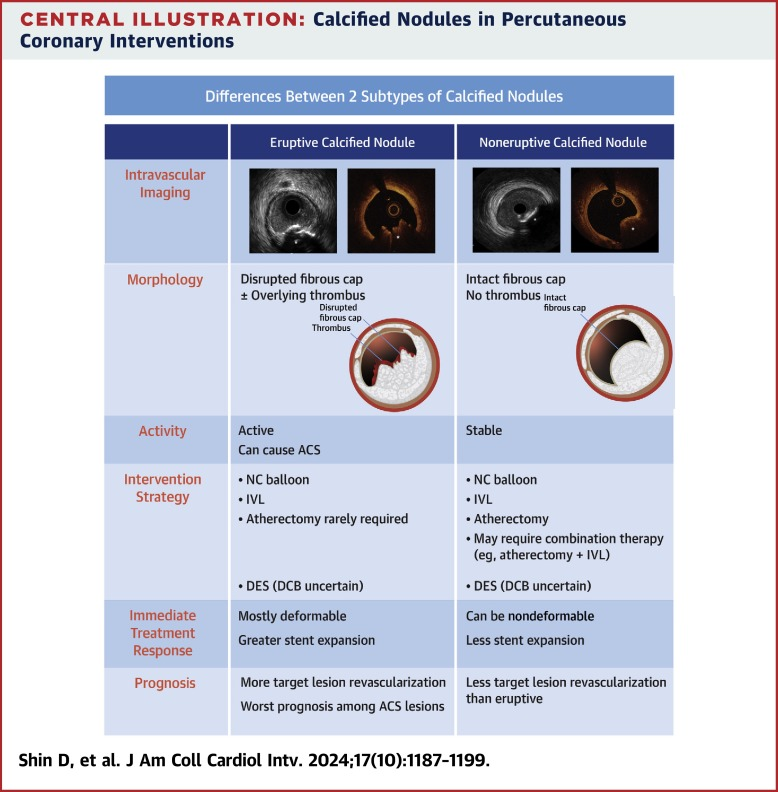
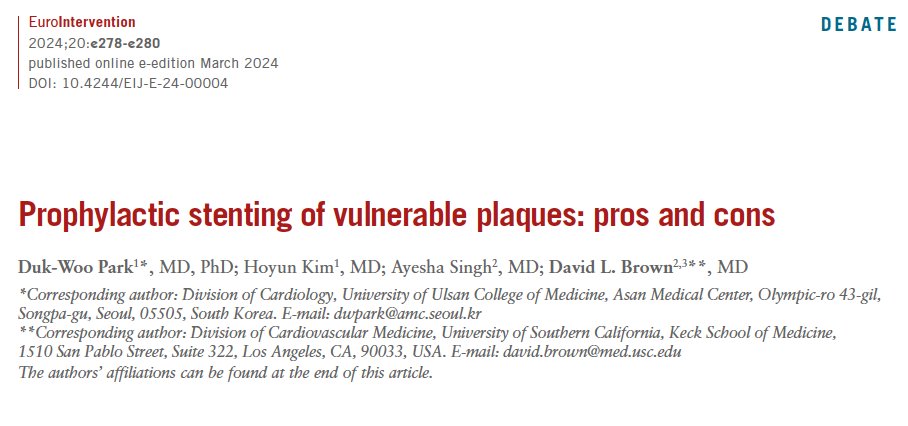
Acute coronary syndromes (ACS) are primarily caused by the rupture or erosion of atherosclerotic plaques. Despite secondary prevention efforts, including pharmacotherapy, patients with myocardial infarction (MI) often experience recurrent events. Recent advances in intravascular imaging technologies have identified certain morphological features of "vulnerable plaques" that are associated with a higher risk of cardiovascular events. There's a hypothesis that stenting these plaques could prevent future ACS events, but stenting also carries risks and lacks solid evidence for its preventive use. Consequently, the best approach to managing vulnerable plaques remains under debate. https://t.co/Gs1WNOonPN
This post hoc analysis of the ISCHEMIA trial, which compared invasive (INV) versus conservative (CON) strategies in chronic coronary artery disease with moderate to severe myocardial ischaemia, sought to determine if outcomes differ by sex. No significant difference was shown, yet women experienced fewer procedural myocardial infarctions. This disparity is partly attributed to the lower rate of CABG surgery, which is associated with higher procedural myocardial infarction rates, among women. Additionally, the use of universal troponin thresholds may underreport myocardial infarctions in women. These observations highlight the need for sex-specific considerations in coronary artery disease treatment. https://t.co/jdxU1ZIbBu