It's not just a phase 🌕
Artemis II astronauts captured these views of the Moon as the Orion spacecraft flew around the far side of the Moon on April 6, 2026.
Hello, Moon. It’s great to be back.
Here’s a taste of what the Artemis II astronauts photographed during their flight around the Moon. Check out more photos from the mission: https://t.co/rzM1P0QbOl
NEW: It's now more lucrative to have a losing sports team than a championship team.
We examined the Boston Red Sox to see how private equity and cost cutting invaded sports.
In this era, teams want to sell good players for profit more than they want to have a good season.
This was where the Jets-Pats series was before Tom Brady started his first game against the Jets in December of 2001. The Jets now trail 55-75-1
#JetUp#Jetshistory
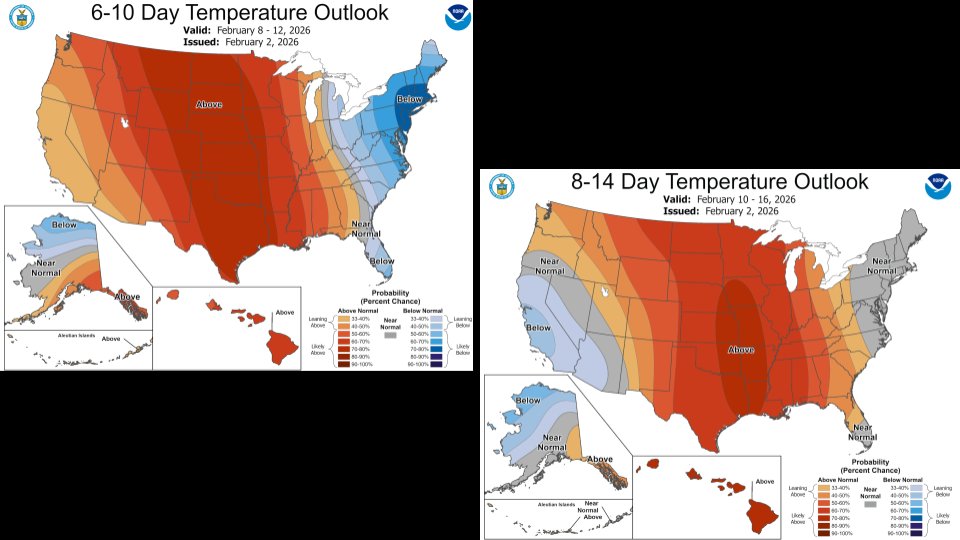
GOOD NEWS, if you're tired of the cold! Looks like a warming trend begins to take shape next week as witnessed by the latest 6-10 and 8-14 Day Temperature Outlooks issued today. Could this be a longwave pattern change aloft commencing, stay tuned! #ilmwx#ncwx#scwx
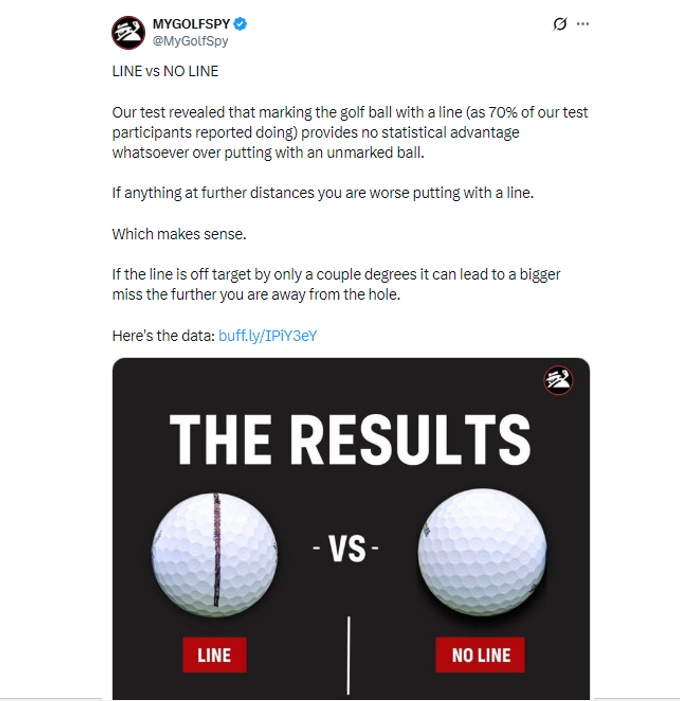
MyGolfSpy "tested" line vs no line when putting and came to a sweeping conclusion.
Love seeing golf assumptions tested. We need more of that.
The conclusion that MyGolfSpy came to however... that using a line on the ball "provides no statistical advantage whatsoever", is significantly more confident than the test justifies.
The conclusion is out over its skis.
A small group can give you a directional hint, not a universal rule for every golfer. And with putting, the details matter a lot. If you roll a bunch of putts in a row, you naturally get sharper just from repetition.
You start reading the break better, your speed gets better, and your stroke settles in. Unless the test carefully alternated "Line" vs "No Line" (and controlled the order), the result can be influenced by warm-up, learning, or fatigue as much as anything else.
Another interesting detail of the test is everyone used the same putter.
That’s great for keeping equipment consistent, but if it wasn’t each player’s own putter, you’ve added a new variable...
How quickly did a player adapt to an unfamiliar putter’s look, balance, and feel? Also, was that new putter fitted to that person?
The new putter can easily swamp tiny differences you’re trying to attribute to the line on the ball, especially over a relatively small number of reps.
There’s also a measurement issue. “Total putts to finish the hole” mixes a bunch of different skills into one number... start line, speed, and the short putt you face after you miss teh first putt.
The line on the ball is *mostly* an aiming tool, but this test can’t tell whether any difference came from aim, pace or read.
And remember, we know nothing about the order in which putts were hit, and players were not using their own putter.
The honest takeaway is simple...
Golf rarely has absolutes. For some golfers, a line improves commitment, it improves start line, and they make more putts.
For others, it slows the routine down or makes them steer the putter and they get worse.
Both can be true.
If you want to test it in a way that actually answers the question...
Hit putts while alternating Line/No Line every other rep, track first-putt makes and leave distance, do it across multiple days... and use your own putter.
Or put this to the test on the course. Play 10 rounds with a line and 10 without. Alternate using the line each round (use line in round 1, no line round 2, line round 3, etc...). Track strokes gained putting.
What matters most in golf is what works for you, not what a single small test claims for everyone.