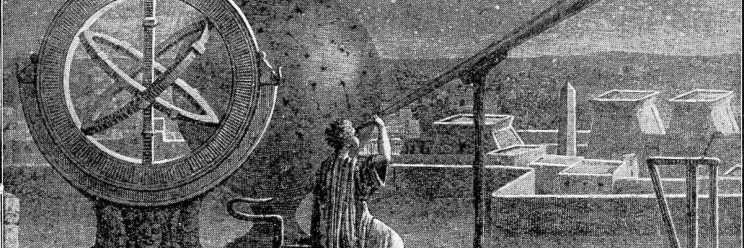
Visto el interés suscitado por el #MecanismodeAnticitera gracias a la última película de Indiana Jones, aquí os dejo el enlace a los siete capítulos que dediqué al Mecanismo en el programa de #UnPuntoAzul de mis amigos de la @magallanesjerez.
https://t.co/lFSwAuXOuo
We just published the results of a joint analysis with MTG and GOES lightning imager detections on the fast fireball on 1st April.
https://t.co/rqBjQzB2Cw
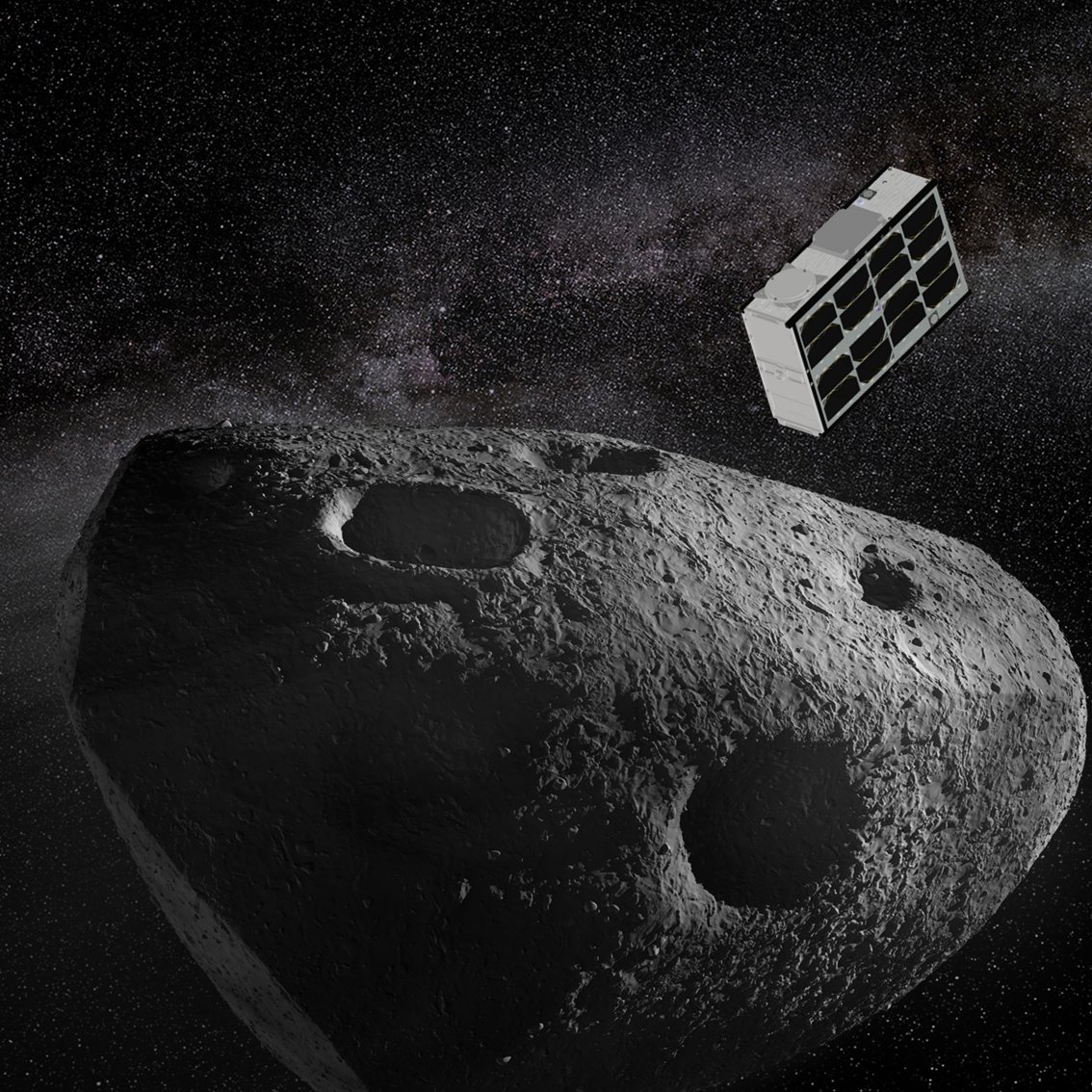
The European Space Agency has contracted Spanish company @emxys for the first CubeSat designed to operate on an asteroid's surface. It will be deployed by ESA's Ramses mission onto asteroid Apophis as it passes close by Earth on Friday 13 April 2029 https://t.co/7KlwC0XvL4
What do we mean when we say NSF–DOE Rubin Observatory will scan the sky?
This visualization shows what a typical week of the 10-year survey looks like.
The survey runs via a smart algorithm called a scheduler that dynamically determines where Rubin points next.
Save the date for #ESOC Open Day on 2 October! 📣
Come visit @esa 's mission control - the place where space missions come alive 🛰️🪐☄️🌍📡✨
Tickets will be available after the summer holidays so stay tuned here for updates.
¡Finalmente! El magnífico telescopio Vera Rubin inicia por fin su barrido de 10 años de los cielos para descubrir todo tipo de eventos transitorios en el cielo... y especialmente ¡descubrir centenares de miles de asteroides!
https://t.co/HjTYJeMMtT
The moment we've all been waiting for is finally here…
On June 29, 2026, NSF–DOE Rubin Observatory officially began the Legacy Survey of Space and Time (LSST)!
🔗: https://t.co/uovjz1hbPW
Humans changed an🪨asteroid - now we find out how!
Especially for Asteroid Day,🎥watch the full story so far of our Hera mission🛰️, on its way thru deep space to probe the first Solar System body transformed by human action💥: https://t.co/nhDHFNU2Wo
🚨🪨🚨Special announcement for Asteroid Day: The UN has designated 2029 to be the International Year of Asteroid Awareness and Planetary Defence. This will be the year the cruise-liner-scale Apophis asteroid flies past Earth, visible to more than 2 billion pairs of eyes. New website launched! https://t.co/bJixIM2KGs
Participando hoy en los eventos del Día del Asteroide en Luxemburgo. Muy agradecido a la fundación del @AsteroidDay por su invitación a participar en las actividades de hoy.
Asteroid (152637) 1997 NC1 flies past Earth on Saturday – great advertising for this weekend’s Asteroid Day festival! After a Friday evening astronomy session, Saturday's event includes astronauts, asteroid experts and engineers. Watch it live here:
https://t.co/tdEXL02iso
The backbone of ESA's Ramses asteroid mission is now standing tall in its Bremen cleanroom. From here on in the mission is being developed in two halves in parallel, to ensure its reaches its spring 2028 launch deadline: https://t.co/vr8Cs8i5h4
🪨Asteroid (152637) 1997 NC1, as monitored by ESA's Planetary Defence team, makes a close approach to Earth this Saturday that could be visible with small telescopes 🔭 https://t.co/npEZkGqHjM
Save the date and join our Open Days 2026.
19 - 20 Sept. - ESA HQ, Paris 🇫🇷
25 Sept. - ESA ESRIN, Frascati 🇮🇹
26 - 27 Sept. - ESA ESTEC, Noordwijk 🇳🇱
2 Oct. - ESA ESOC, Darmstadt 🇩🇪
3 Oct. - ESA ESAC, Villanueva de la Cañada 🇪🇸
10 Oct. - ESA ECSAT, Harwell 🇬🇧
Registration details and programme coming soon 👇
https://t.co/Cz4Ds60U1v
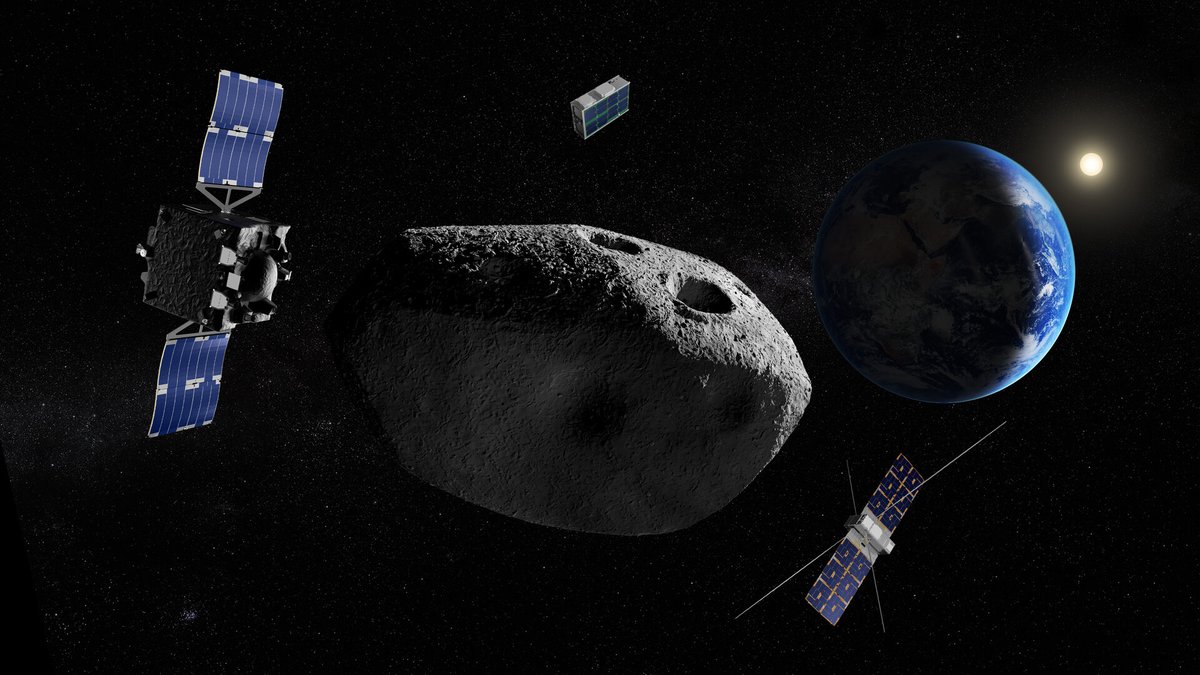
Asteroid Apophis will fly by Earth on Friday 13 April 2029. People have nothing to worry about, but scientists are excited! A workshop in Padua this week discussed ESA's Ramses mission, which will fly with the asteroid to see what Earth's gravity does to it... https://t.co/S224JF0IcB
Planetary defence is inherently international: at yesterday’s @UNOOSA Committee on the Peaceful Uses of Outer Space in Vienna, representatives of @ESA, @ASI_Spazio & @JAXA_en discussed their Ramses mission collaboration, set to rendezvous with asteroid Apophis passing Earth on Friday 13 April 2029
Artemis III will push the boundaries of spacecraft operations in orbit. @ESA astronaut Luca Parmitano’s assignment as pilot reflects the depth of European expertise in human spaceflight and draws on his extensive operational experience in high-pressure situations. At the same time, ESA’s European Service Module (ESM) will once again provide the critical capabilities that power Orion, demonstrating Europe’s enduring role at the very heart of the Artemis programme.
The news out of Houston today is a powerful recognition of ESA’s role in enabling humankind’s return to the Moon – and a key advancement in our partnership with @NASA. Europeans can take pride in being part of this exciting journey. #ArtemisIII @astro_luca
Our astronaut Luca Parmitano is assigned as pilot of NASA’s #ArtemisIII mission.
With Europe powering Orion with the European Service Module, this mission will test the critical operations preparing for humankind's return to the Moon.
A strong step forward for ESA–NASA partnership.
🔗https://t.co/MJpn0ftcpr
📸 NASA