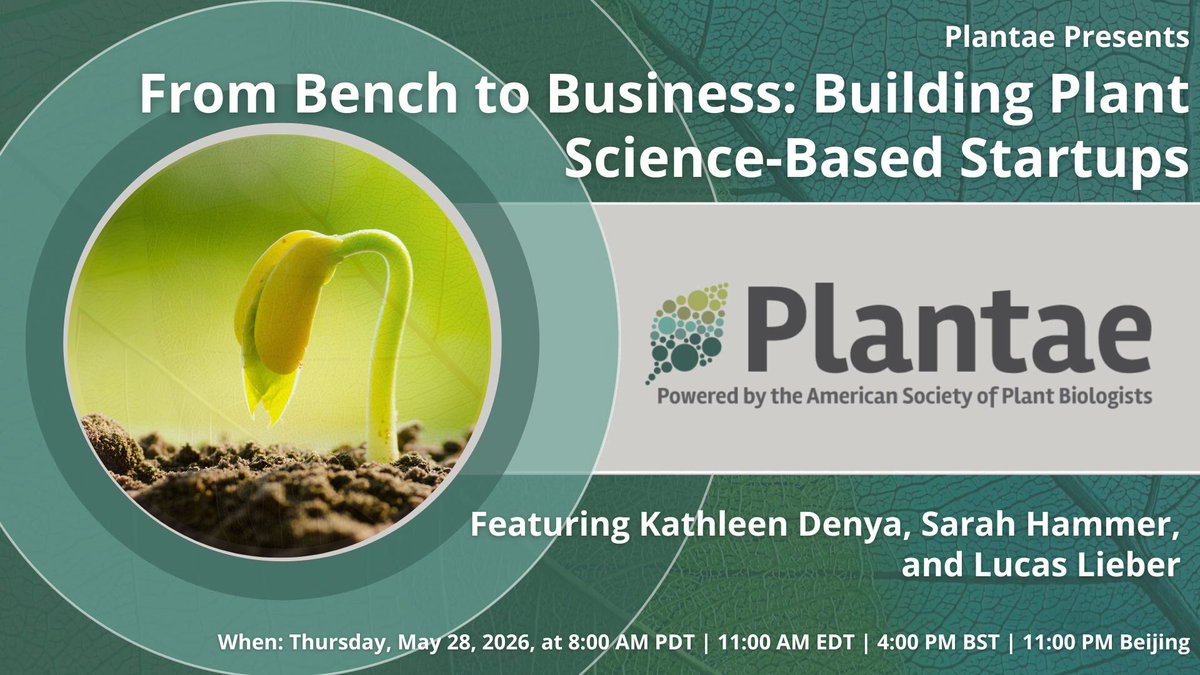
📣 Join us for the upcoming Plantae webinar on May 28, at 11:00 am Eastern, hosted by the 2026 Plantae Fellows.🌱
👉 Free registration at https://t.co/F4cF7aAe0L
#PlantScience
📣 Join us for the upcoming Plantae webinar on May 28, at 11:00 am Eastern, hosted by the 2026 Plantae Fellows.🌱
👉 Free registration at https://t.co/F4cF7aAe0L
#PlantScience
Happy to share the recent collaborative work with @kulich_ivan and Jiri Friml's team @ScienceMagazine@lokeshverma203@UniofNottingham Calcium-triggered apoplastic ROS bursts balance gravity and mechanical signals for soil navigation https://t.co/GlItH5xRSE
Honestly, my experience with professors here in the U.S. has been nothing short of beautiful.
I recently read a recommendation letter one of my professors wrote for me, and I was stunned. The care, the precision, the way he described my work…
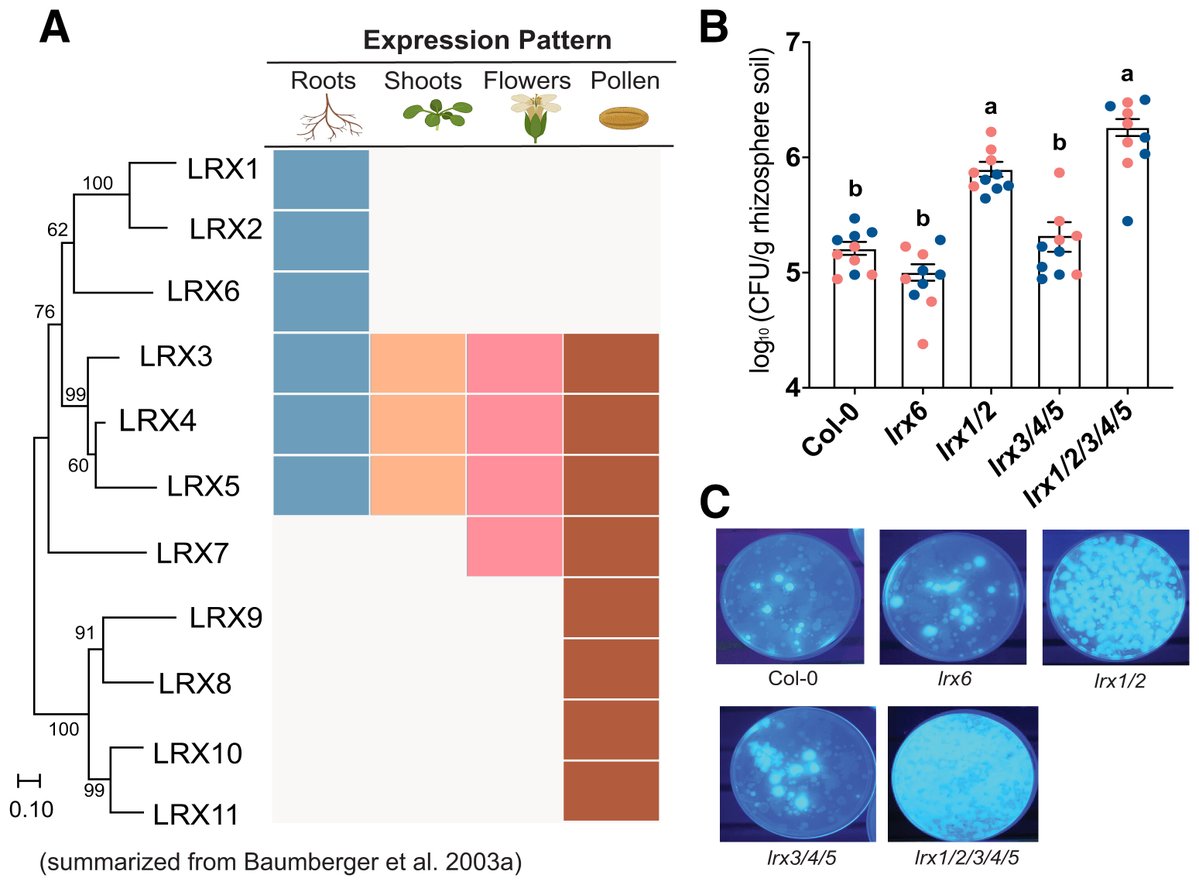
Siyu Song et al. found that FERONIA kinase and LRX1/2 play an integral role in shaping the rhizosphere microbiome. Read the article to learn more: https://t.co/LUPXZhDtIc @SiyuSong3@UBCMicroImmuno
Take a look into the year 2000 time capsule: a milestone in plant science 🌱
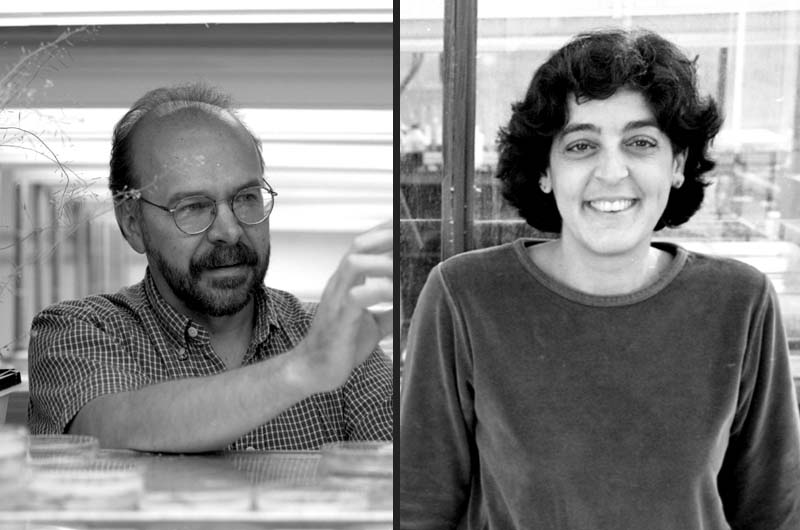
Arabidopsis thaliana—a small flowering mustard—became the first plant to have its entire genome sequenced, transforming the field of plant biology. Salk scientist Joseph Ecker co-led the international Arabidopsis Genome Initiative and sequenced one of the plant’s five chromosomes, while the late Joanne Chory advised the national effort.
That breakthrough laid the foundation for Salk’s Harnessing Plants Initiative, which has now sequenced more than 900 plant genomes. Today, Salk scientists are using this knowledge to develop improved varieties of wheat, rice, corn, and other staple crops—advancing nutrient use, drought tolerance, and disease resistance.
Read more in Salk's newest issue of Inside Salk magazine: https://t.co/Toj8ppwJWH
#PlantScience #Plants #SanDiego #salkinstitute
Plant Science Research Weekly -- Open Sesame! Pectin tweaks plasmodesmata to control root transport (Molecular Plant) (Summary by Aditi Bhat @jumpy_botanist) https://t.co/78K9v8PHQD
#PlantaePSRW
Very happy to share our latest work “Systematic discovery and engineering of synthetic immune receptors in plants” out in @ScienceMagazine!
https://t.co/84IMXDHcJ3
Nearly everything you know about plants was first discovered in a plant you’ve likely never heard of: Arabidopsis thaliana. Arabidopsis has taught us how plants respond to light, which hormones control plant behavior, and why some plants grow long, deep roots while others grow them shallow and wide.
But despite its beloved reputation among plant biologists worldwide, many elements of the Arabidopsis life cycle have remained a mystery.
Salk Institute researchers have now established the first genetic atlas to span the entire Arabidopsis life cycle, from single seed to a mature plant, capturing the gene expression patterns of 400,000 cells. The publicly available resource will help expand research and development in plant biotechnology, agriculture, and environmental sciences.
Read more: https://t.co/yH5eNrfAfi
#Plant #PlantBiology #salkinstitute #Arabidopsis #genetics
In this mini-review, we take a deep-dive into the wonderful world of receptor-like kinases, and how they're evolutionarily poised to sense diverse cues and shape the plant microbiome!
The role of plant receptor-like kinases in sensing extrinsic and host-derived signals and shaping the microbiome.
Mini-review examining how plant RLKs regulate mutualistic symbiosis and immunity and how these paradigms extend to shaping microbiome
https://t.co/Ehudi46O0Y
Introducing the 1,000 Flower Collection 🧬🌹
I’m creating 1,000 genetically designed flowers each crafted with new colors, patterns, and shapes.
Here’s how I’m making it happen… and how you can join me on this journey 🧵(1/7)
@Stomata_Tweets@TexasScience@ut_mbs Loved interacting with both of your students! I also work on RLKs, but study their roles in shaping root microbiome. Interesting work!
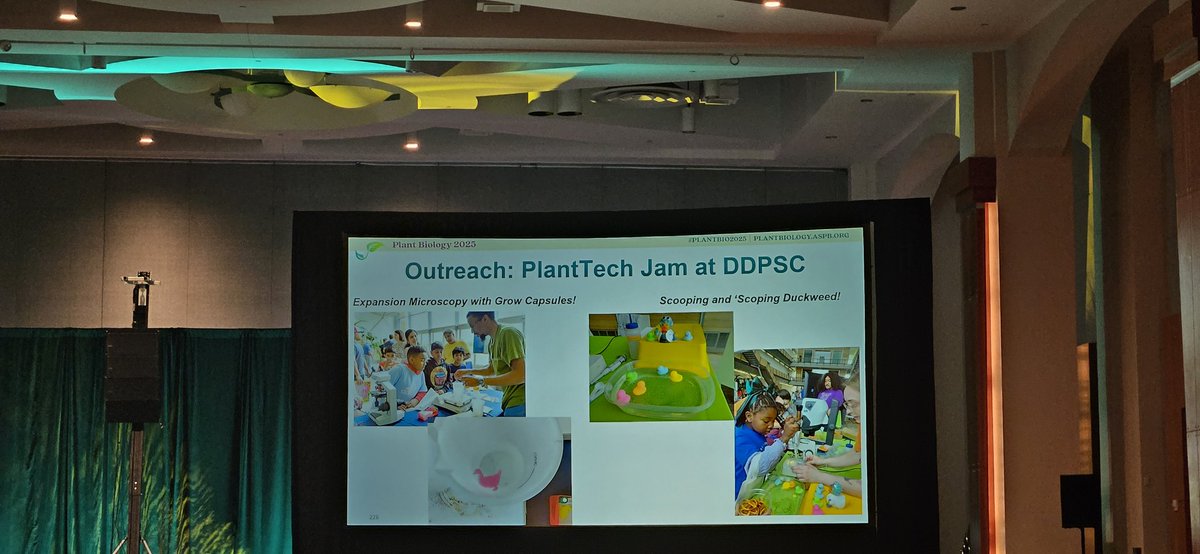
In a fun and engaging manner, @K_Bioguy_Cox shared how we can use expansion microscopy to effectively study stress responses in duckweed! What I really loved was how his lab organizes various outreach activities to make such complex mechanisms easier to young students! #aspb