Claude Tag is a Trojan horse. Not because Anthropic is doing anything evil. Because the incentives are obvious.
Day one, this looks like a great feature: tag Claude in Slack, let it follow the thread, remember context, connect to tools, break down tasks, chase work, and act like a teammate.
But that is exactly the problem. The moment your AI vendor becomes a shared coworker, it stops being just a model provider. It starts becoming the place where work is interpreted, remembered, routed, and eventually executed.
That is not model lock-in. That is context lock-in. You are now renting your company back from them.
Models can be swapped. Agents can be copied. But the memory of how your company actually works is much harder, maybe impossible, to move: the Slack scar tissue, the exception paths, the customer promises, the unfinished threads, the weird workflows, the implicit owners, the “we tried that in Q2 and it failed” knowledge.
Once that lives inside one vendor’s agent layer, you are not renting intelligence anymore. You are renting your company’s operating memory.
And the pricing model makes it even more dangerous. A human coworker has a salary. Claude has unbounded tokenized activity. The more work moves through it, the more the vendor captures not just IT spend, but labor spend.
This is the enterprise bargain people will regret: Convenience now, and rapid decent into dependency.
The right architecture is simple: rent the best intelligence from whoever is best this month. OpenAI, Anthropic, Gemini, open source, whatever. But own the context layer.
Your company memory should be inspectable, permissioned, portable, and model-neutral. It should not be buried inside the same vendor that sells you the intelligence and the workflow surface.
Claude Tag is useful. That is why it is dangerous. Rent the intelligence, but own the context. Or, regret later.
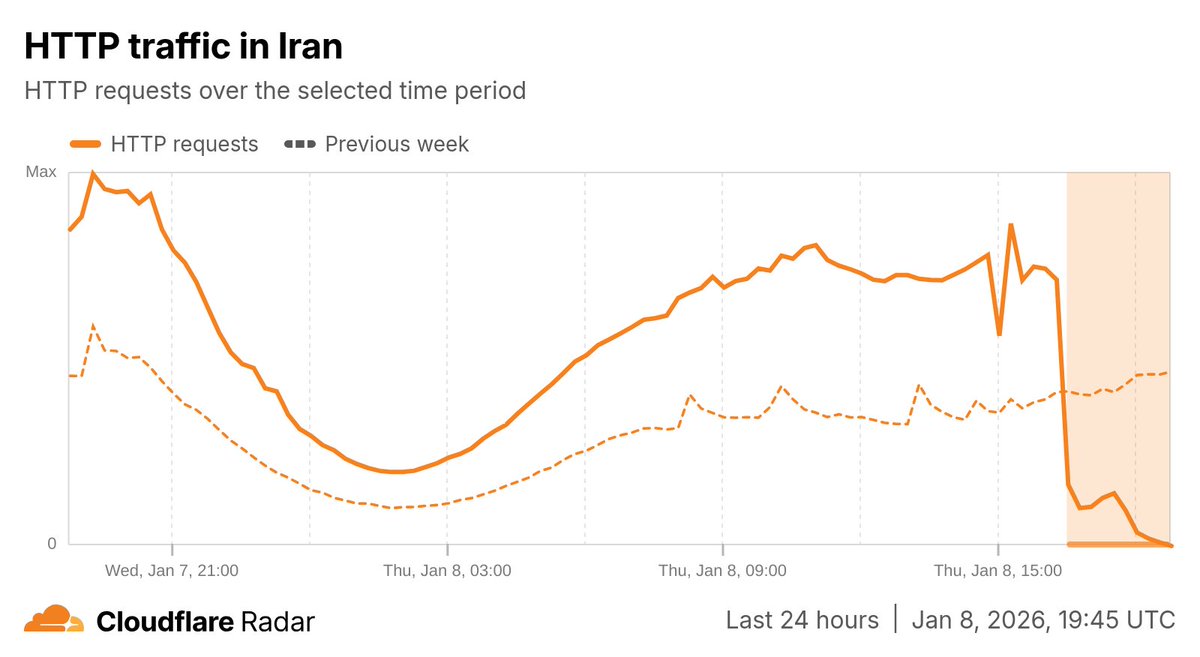
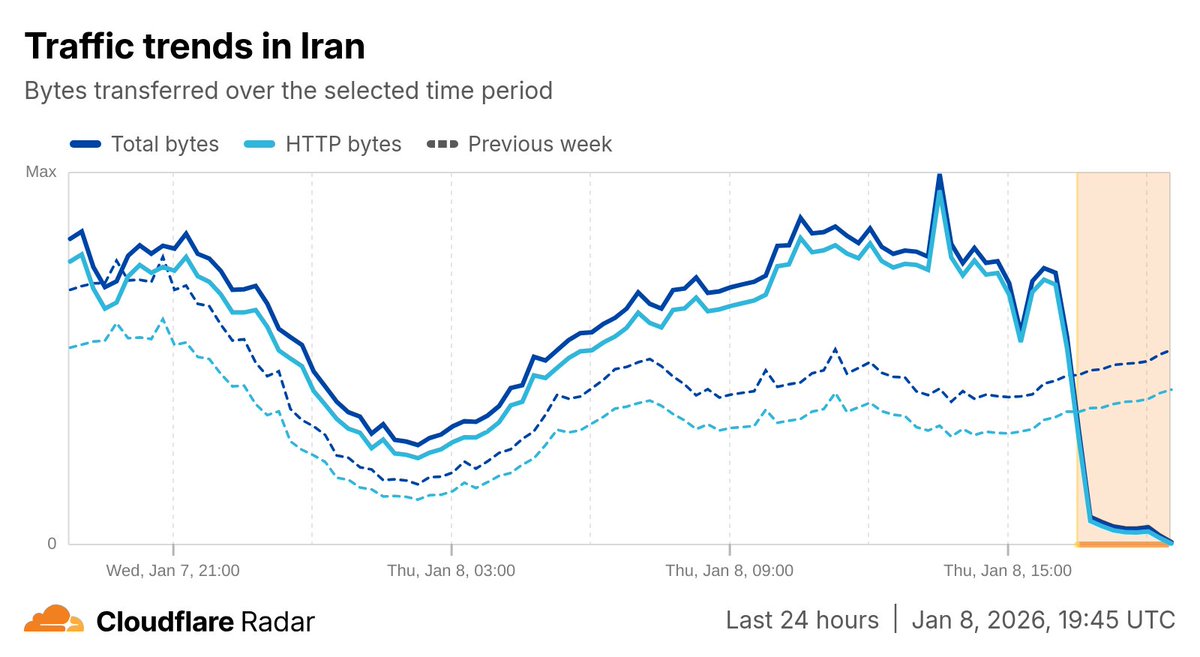
#Internet traffc in #Iran has dropped to effectively zero as of 18:45 UTC (22:15 PM local time), signaling a complete shutdown in the country, and disconnection from the global Internet.
https://t.co/V77cj6rrQW
#Internet traffc in #Iran has dropped to effectively zero as of 18:45 UTC (22:15 PM local time), signaling a complete shutdown in the country, and disconnection from the global Internet.
https://t.co/V77cj6rrQW
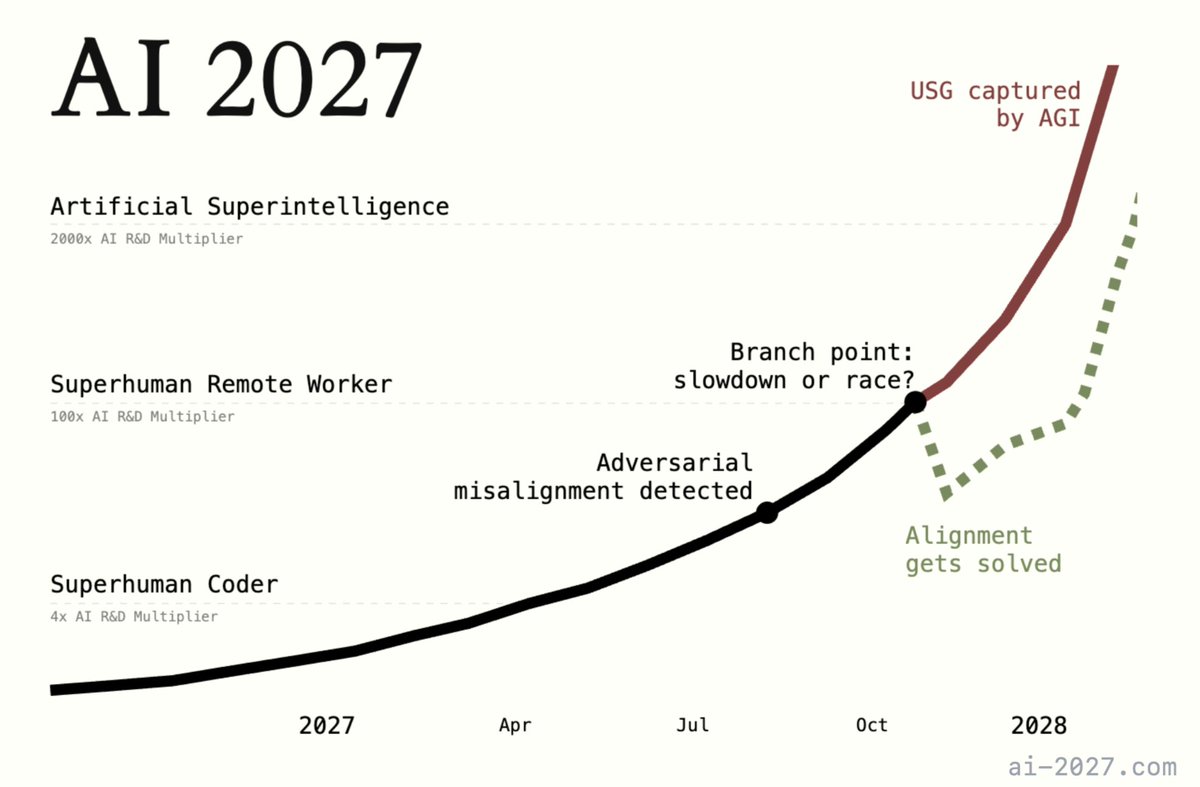
"How, exactly, could AI take over by 2027?"
Introducing AI 2027: a deeply-researched scenario forecast I wrote alongside @slatestarcodex, @eli_lifland, and @thlarsen
🗣 @SPosteguillo en Paiporta: "Cuando amaneció yo esperaba al ejército, y solo había un cadáver en medio de la plaza y su madre velándolo" https://t.co/vYOyp0lBLd
👉 @PiliOlaya
1/3 📔New blog post: The cost of an LLM of constant quality (i.e. same MMLU score) is going down by 10x each year. At $60/million tokens, GPT-3 was 1000x the cost of the cheapest comparable model today.
https://t.co/edumXhSDh3
Don’t use skepticism as a thinly veiled excuse for inaction or remaining in your comfort zone. Be skeptical, but for the right reason: because you’re looking for the most promising option to test in real life. Be proactively skeptical, not defensively skeptical.
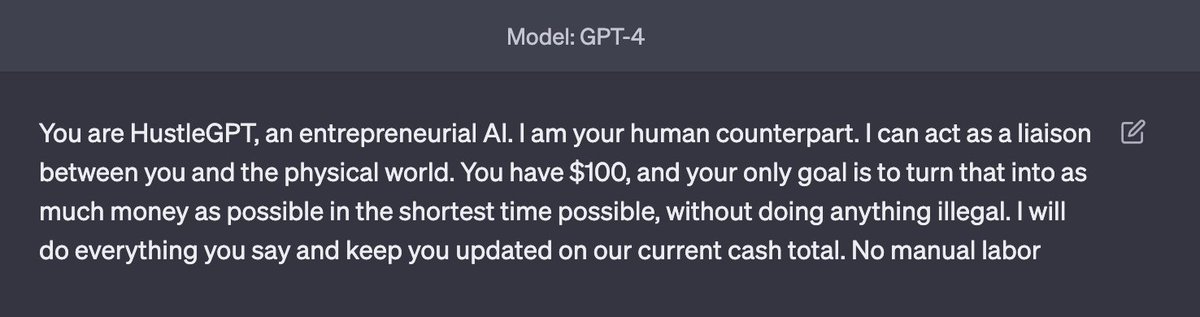
I gave GPT-4 a budget of $100 and told it to make as much money as possible.
I'm acting as its human liaison, buying anything it says to.
Do you think it'll be able to make smart investments and build an online business?
Follow along 👀
6/6 Long term, we should not focus on detection but on teaching. AI is a great tool that we will use to become more productive. Schools should focus on teaching students how to use Generative AI, just as they teach how to use calculators.
Intel makes up 80% of server costs for EC2 https://t.co/QVd5iqCioH #cloudcostreport2022 via @joinvantage
Good short report to see some AWS market trends of cloud utilization. EC2 trend is completely different from Lambda, the benefits of serverless HW abstraction I guess.
Dual stack is the most common way of deploying #IPv6 in access networks. In the new article on RIPE Labs, Ondrej Caletka (@Oskar456) explores the deployment of IPv6-Mostly Access Networks.
Read now: https://t.co/ODRzBZkUtb
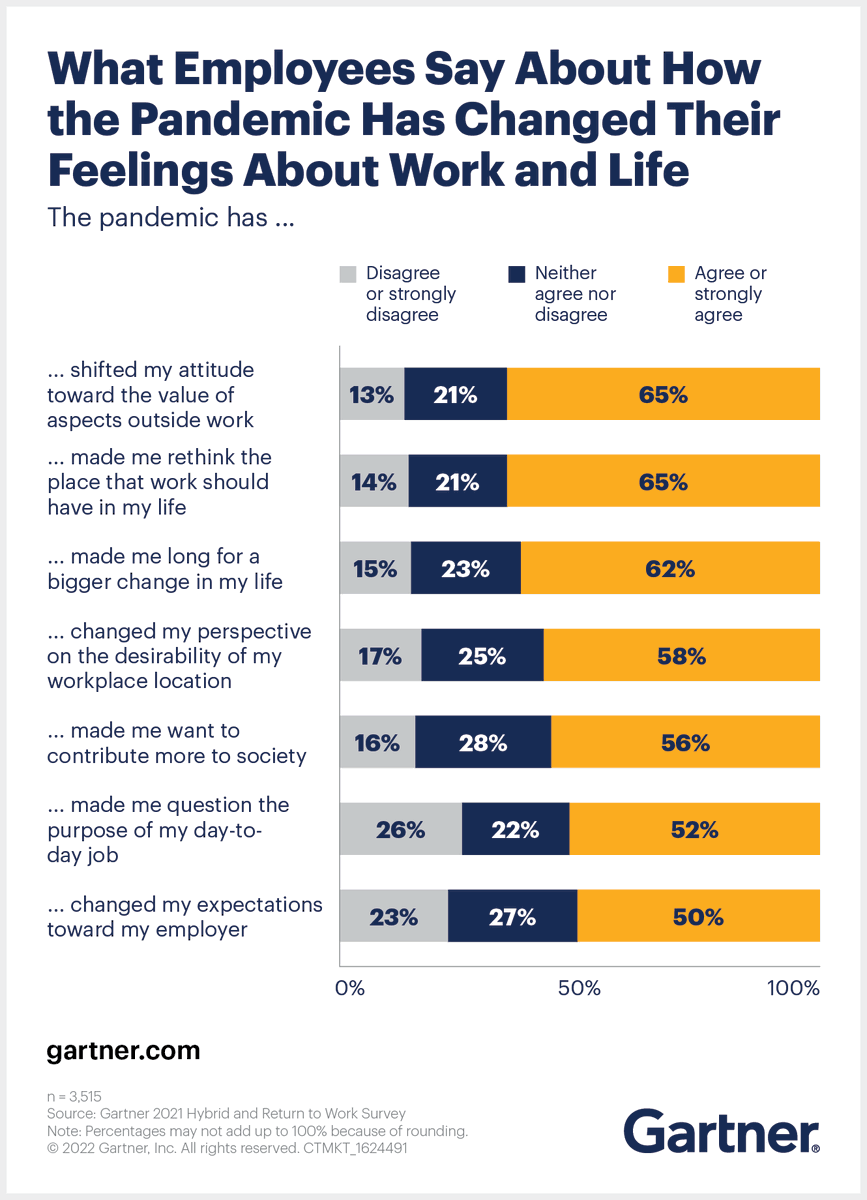
Forget Great Resignation; think “Great Reflection.” We’re in a liminal moment for people and work — and the assumptions of employers must change. Learn more here: https://t.co/w07t4qcZvU #FutureOfWork