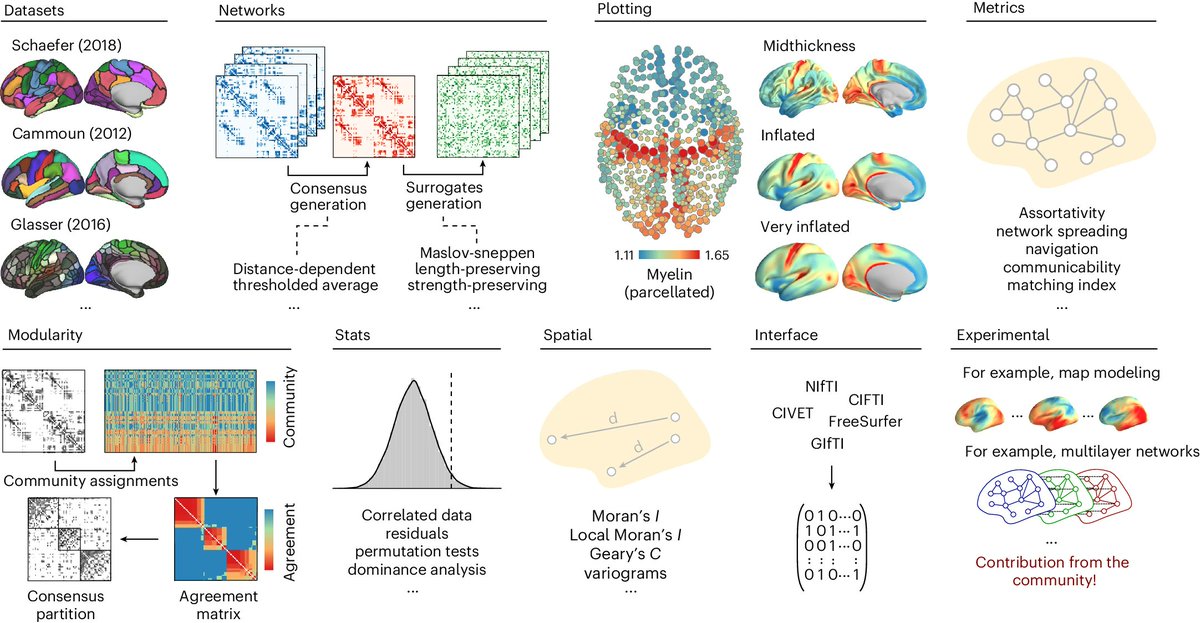
🔥Our opinion piece with @DuncanAstle on “why we might be better off accepting and embracing the fact that the brain’s connectivity profile is in no way optimal” is now out on @TrendsCognSci. There, we discuss implications for Neuro-AI and psychopathology.
https://t.co/ysXhg7gT2A
'Resilience and vulnerability in the midbrain dopamine system during aging'
Review by Gary McMurtrie, Samuel Mabry, Jill Glausier, Emily Rocha & Zachary Freyberg
https://t.co/UUCLrIJhIw
It reminded me of this very annoying concept “causation by absence.” A house burns down, partially also because of all the things that didn’t happen like the fire brigade didn’t make it on time or someone didn’t check the stove.
https://t.co/in0nYxnUx2
Neuroscientists Giulio Tononi, Christof Koch, et al. make a strong case for real free will (not an illusion) if Integrated Information Theory (IIT) is the correct explanation of consciousness:
"If IIT is right, we do have free will in a genuine sense: we have alternatives, reasons, and values, we make decisions, and we—not our neurons or atoms—are the cause of our willed actions and bear responsibility for them."
https://t.co/2UW0jfj9rR
My paper on motor cortex during free flight in bats is online. The dynamics look quite different from the usual picture. Maybe because flight is a hard control problem: hand-like wings, many degrees of freedom, millisecond precision.
https://t.co/NrYejLkuJf
Limitations of pupil diameter as a proxy for modes of locus coeruleus activity: https://t.co/t9GIie6aE1
"baseline-evoked relationships of the pupil are not predictive of those in the LC, and vice versa."
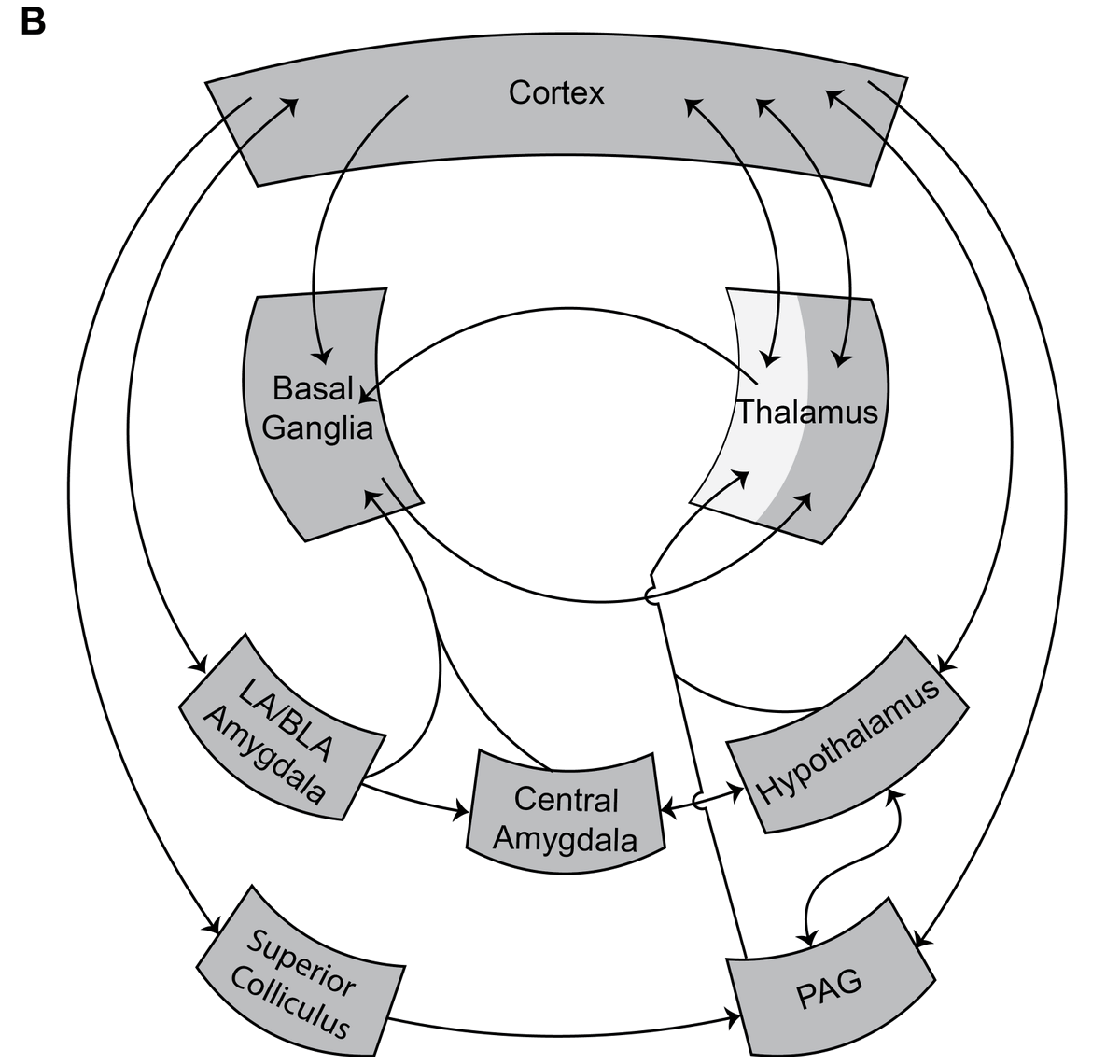
𝗛𝗲𝘁𝗲𝗿𝗮𝗿𝗰𝗵𝘆 𝗶𝗻 𝘁𝗵𝗲 𝗯𝗿𝗮𝗶𝗻
New preprint with Andrea Gambarotto. Neuroscience often treats control as a hierarchy: the structures behind a behavior hold a stable rank. We argue this mistakes a configuration for an architecture. 🧵
https://t.co/wvvqBPCBWU
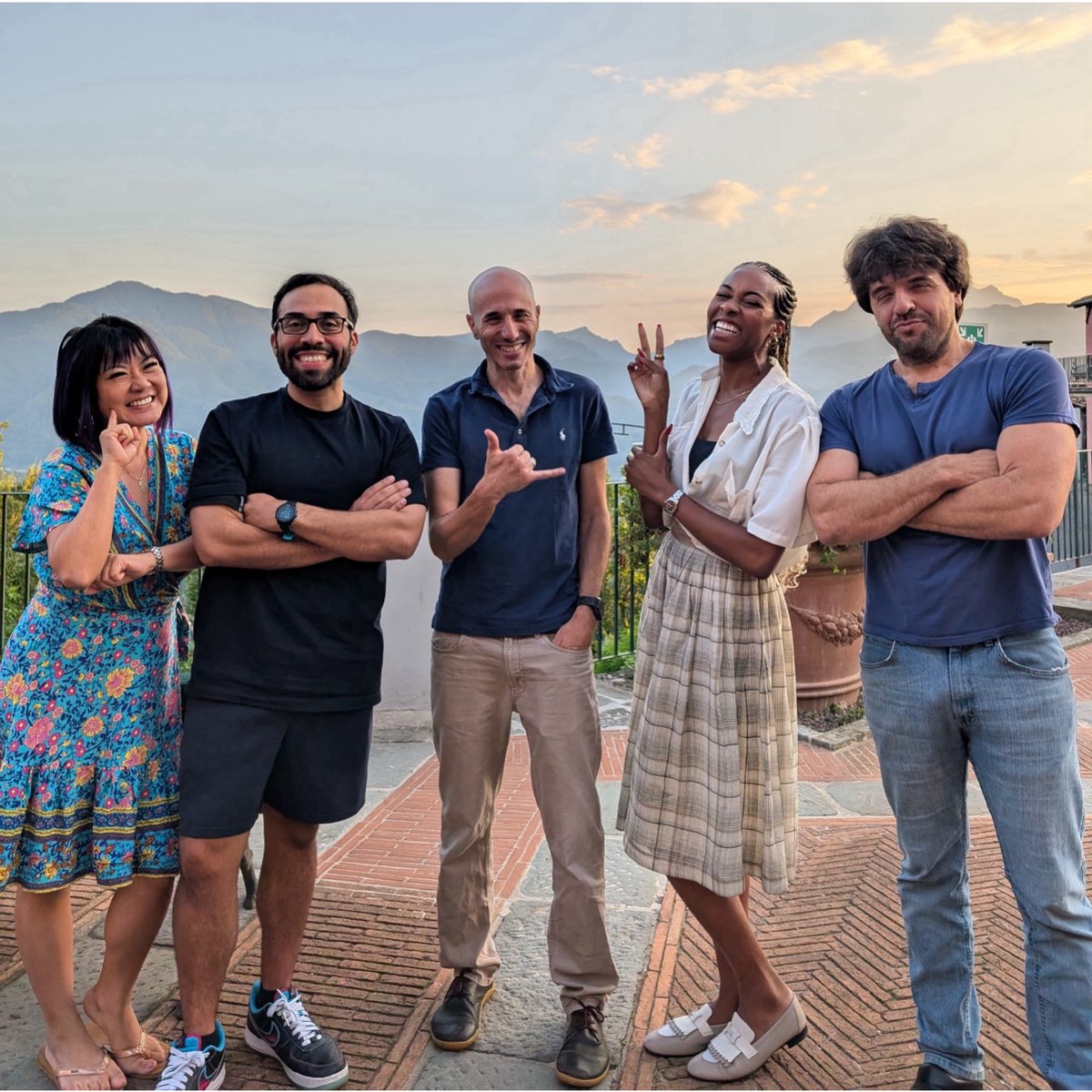
Thanks to everyone sharing in this moment!
I’m so grateful to my trainees & collaborators…
https://t.co/6JdZQHnYJf
(pic: optogenetics conference chairs, Tuscany)
Reading for all those asking:
for technical details: https://t.co/x7kQvPujvq
for everyone: https://t.co/1omhw0hKAV
I had a feeling recently that seems to be corroborated by chats with colleagues, so I decided to share it here.
A lot of systems neuroscientists driven by algorithmic-level questions are going through what looks and feels like a research depression. 🧵
(1/n)
Does biological wiring make a better reservoir?
Our WIVACE 2026 paper benchmarks different C. Elegans connectomes. Randomized baselines often perform better; results depend on the task and configuration.
https://t.co/uXVTzwLPxH
#ALIFE#NeuroAI
1/ 🚨 Just out in @NatureNeuro! 🧠
We profiled >6,000 features of brain dynamics across humans + monkeys, mice, fish and worms 🧑🐒🐒🐁🐟🪱 to find a shared neural endpoint of anaesthesia: spatiotemporal isolation of local activity 🧵
🔗 https://t.co/ek0pIFDPqD
What kinds of dynamical structures have scientists developed models for?
Introducing the 1000×1000 collection: 1000 simulated time series × 1000 samples from 133 dynamical processes, from noise and chaos to hearts, brains and climate.
Have a play? 🐛
https://t.co/Eb7sOQ4IUA
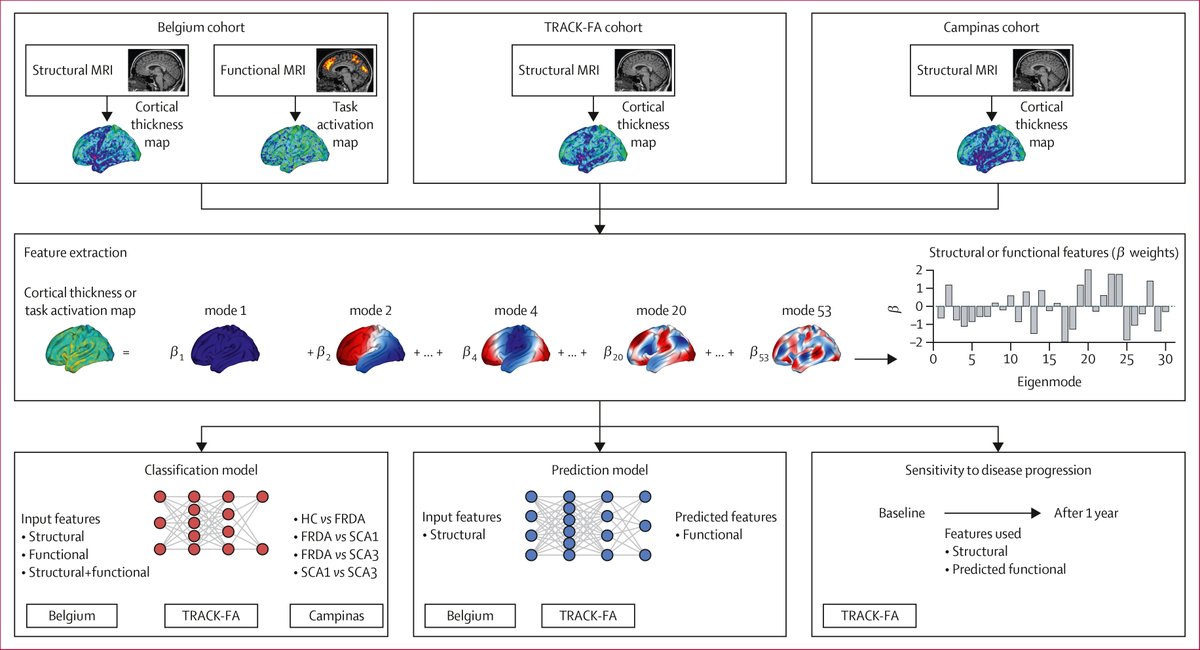
Thankful to be part of this fab collab led by @TrangCao2016, S Saha, & Z Tao showing that geometric eigenmodes facilitate identification of potential biomarkers for hereditary ataxias:
https://t.co/N5jVPTLLbW
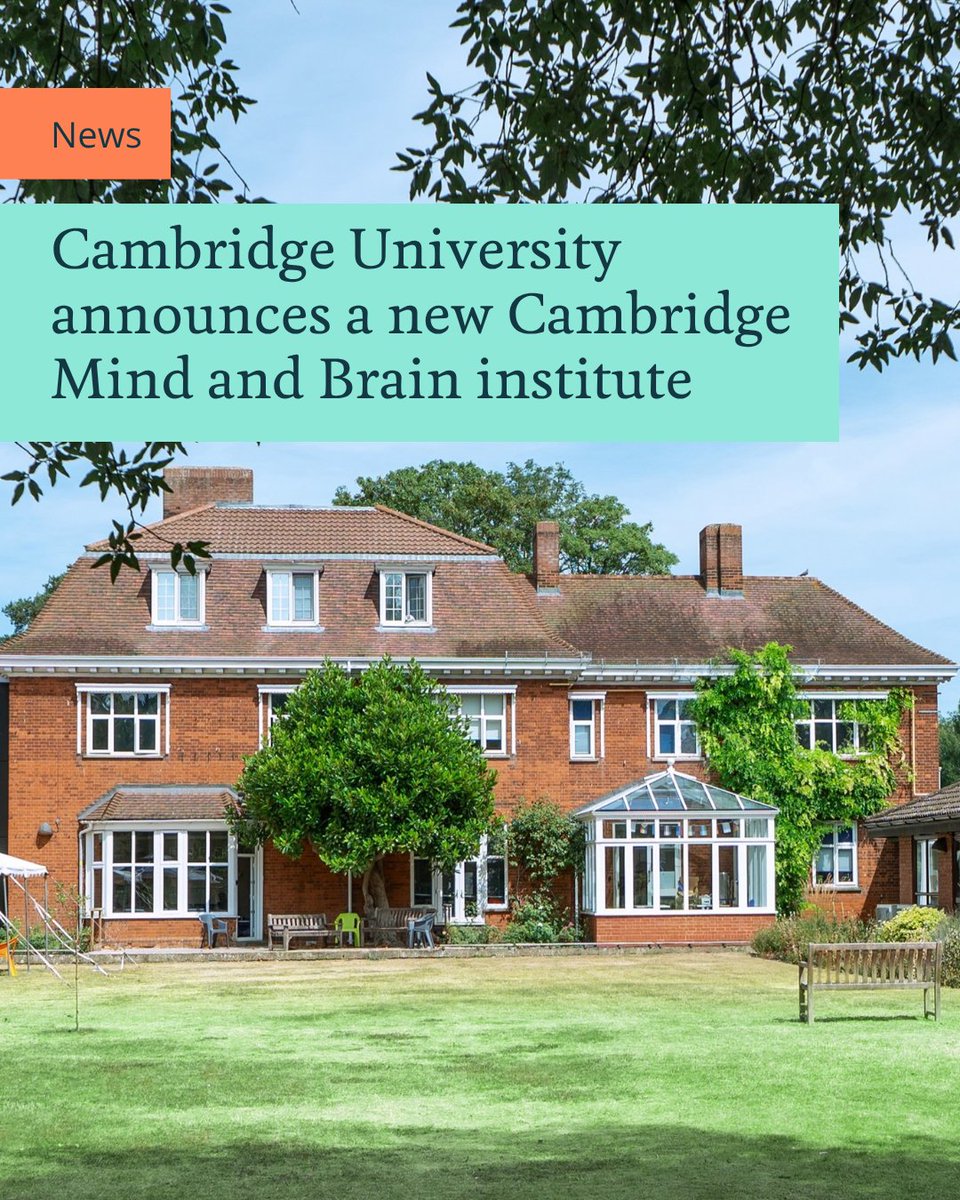
Cambridge University announces a new Cambridge Mind and Brain Institute focused on understanding and improving brain health across our lifespan, from early childhood through to old age.
This autumn, it will welcome its first cohorts of postgraduate students and researchers, providing exceptional training in cutting-edge research topics and techniques.
Find out more 👉 https://t.co/YVAe4g3jOi
Spatial organization of AQP4 water channel expression in the human brain | https://t.co/P1Z2KwIxtA
Aquaporins are a key component of the glymphatic system. How are they distributed + how do they relate to brain function and dysfunction? @ScienceAdvances ⤵️
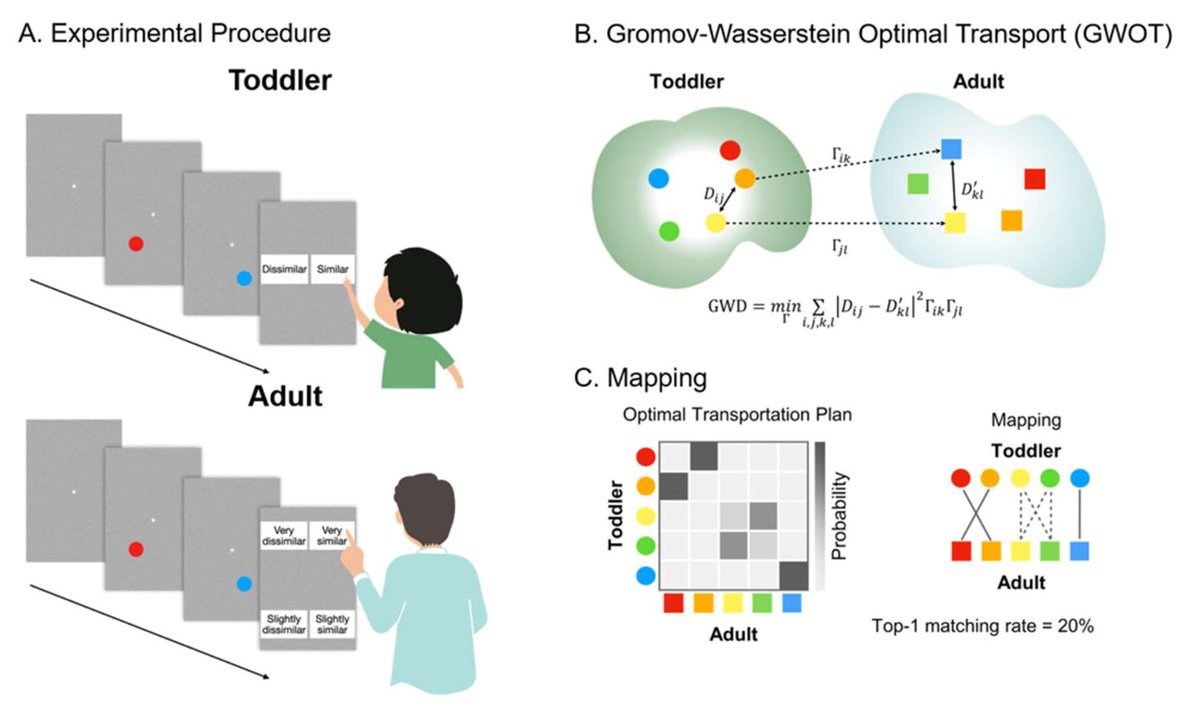
Our new preprint led by @watanaberkyoto@moriguchiy is out! Does children’s “red” correspond to adults’ “red”?
https://t.co/oGfzJePOxw
Our findings suggest largely yes at ages 5–6, but not always at ages 2–3, at least for some colors. We tested which color corresponds to which by finding the best mapping between children’s and adults’ color similarity structures, without using color labels.
Even at ages 2–3, these structures are globally similar to adults’, but subtle local differences—especially around light blue—can disrupt the matching.
Check out the paper for more details!