If you are a CEO of a self insured companies and you want to know what the problem with pricing on medications do this:
Call your PBM and ask for
1. A list of all your pharmacy claims the last month and the net price for each
2. A price list of all net prices
3. Why a drug that is just a pill, is considered a specialty drug
4. Who pays for the rebates you get (hint, it's your sickest employees)
5. Why they reimburse your local pharmacy less than their cost and charge them crazy fees
6. If you can discuss your PBM contract with anyone
7. Why you can't add @costplusdrugs to your network, for when our prices are cheaper than theirs
8. Why you can't call a manufacturer to discuss adherence or wellness programs with the company who created the drug
9. Why they don't provide claims data to the manufacturer to help them improve the safety profile
10. Why they sell positioning on their formulary rather than using it exclusively for clinical value
11. Whether they calls doctors to get them to change scripts to the PBMs white label biosimilar
12. Why your consultant didn't tell you any of this
The level of opacity that the big PBMs create is why the price of brand drugs are outrageous
@charlesornstein@WSJ This is why cost plus pharmacies make so much sense. Fair, transparent pricing without a dozen middlemen all trying to get their piece obscuring actual prices.
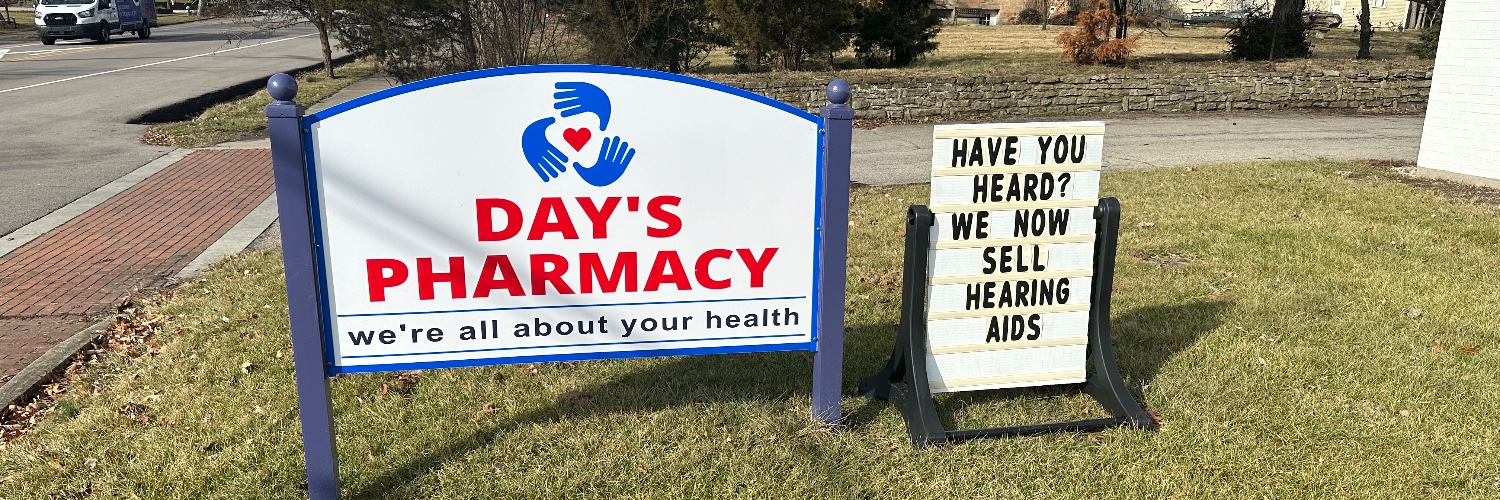
@Local12 Hi @Local12, I own two pharmacies here in Cincinnati, would love to talk about this story and what we’re doing to help patients and our community.
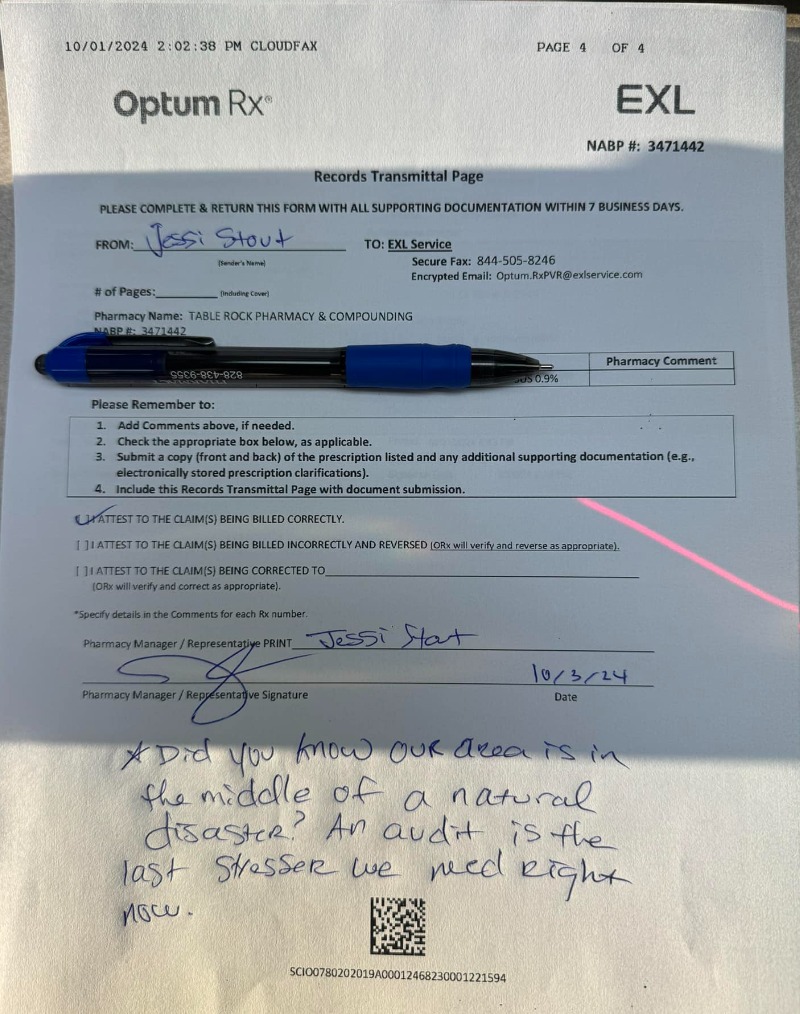
A friend's pharmacy in a western NC town hit by the hurricane is desperately trying to take care of it's community and @optumrx is AUDITING THEM.
Are these the people you support @SenatorBerger? Not the pharmacists of your state taking care of victims?
#TwitteRx#Pharmacy
@Pharmerk8@LisaNMatthews@cvspharmacy I’m a community pharmacy owner, we help many of those patients save money (and time, and they get actual care) by not using their insurance. There is almost always a choice.
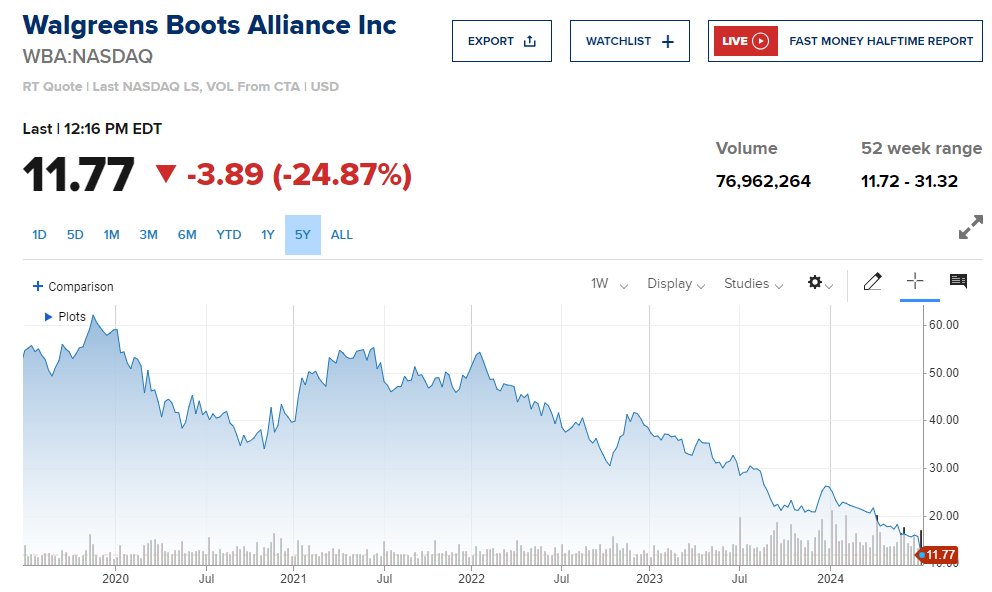
The collapse of #walgreens has been unlike anything I've ever seen in big retail.
It's down 24% today and has now lost 80% of its value in under 5 years.
This is America's largest pharmacy chain .. with over 8,500 stores & more than 300,000 employees.
Simply insane.
.@mcuban: Five Ways that Big #PBMs Hurt U.S. Healthcare
1. Zero transparency.
2. Magic names and specialty pharmacies.
3. Rebate distortions.
4. Allowing rebates to determine formularies.
5. S———ing on independent pharmacies.
https://t.co/wcY3NZHkcJ
@HokiePharmacist@ambarkeluskar@CPESN Pharmacies are paying dues for an opportunity to make money differently for taking care of patients (aka what good pharmacies do every day), no one is getting volunteered or forced to do anything they don’t want to do/that they don’t think is being fairly compensated.
@DrDeepMD I’m calling it healthcare, then using the difference between it and what our current sick care /wealth care system provides to showcase how broken the current model is
@rxman95 Beauty of direct contracting is there aren’t really a lot of choices… each PBM has a process, some are pretty painless, some a little more annoying but the best way is to do it and not sign contracts that aren’t going to work for you!
On the indie pharmacy side, for medicare and self insured employers, when the Indy buys from a distributor, they get say a 10 PCT discount. Then when you walk in with a prescription, that script goes through the pbm so they know what they have to pay back to pharmacy.
The issue is that even after the patient copay , the pbm will reimburse less than the amount the pharmacy has paid out of pocket. So they lose on almost all those scripts. Often quite a bit
The logical response is "why do business with those PBMs or negotiate a better deal"
The problem is that the big 3 PBMs generate almost all the prescriptions that they fill
They know that Indy pharmacy and even medium chains have no leverage. They have no way to negotiate.
So they try to make it. Which they did until the last few years when the big 3 started paying them less per script and changing them more In other fees and audits for ridiculous reasons
One pharmacy I talked to got hit with a huge bill because the big pbm said they violated their deal because A PATIENT DIDNT PICK UP THEIR PRESCRIPTION WITHIN 30 DAYS
Which is why so many are going out of business and why I'm trying to publicize this to self insured employers and states as much as possible
Indy Pharmacies are critical to healthcare. And big manufacturers know this as well. Which is why they hate the big 3
The big 3 not only demonize them, but they are putting out of business the only connection the manufacturers can trust to make sure their prescriptions are handled properly for their patients
Want to hear one more crazy thing. Those big 3 PBMs won't even give claims information to the manufacturers. They either don't get it or have to find external sources
That makes their ability to care for their patients far worse and far more expensive
To all of you in the industry, correct me if I got something wrong