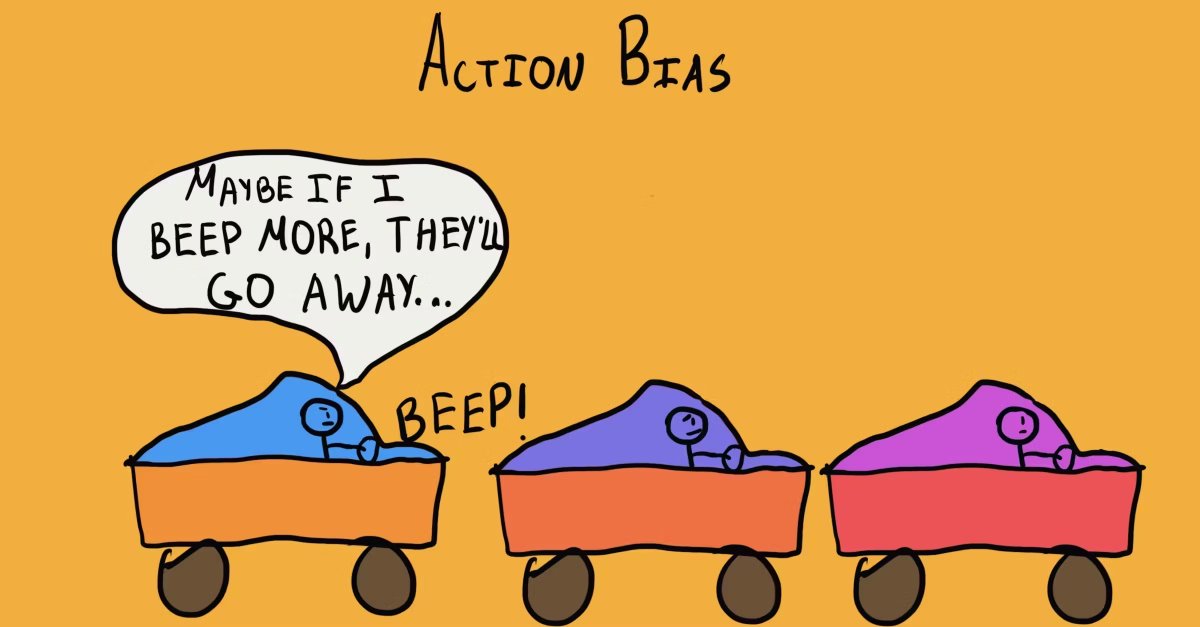
Action bias. Football goalkeepers will jump to the left or right when facing penalties, even though statistically they'd be better off just staying in the middle. Action bias is the tendency to choose action over inaction, even where there's no indication that taking action will help. We tend to (falsely) equate activity with productivity & keeping control. We see action bias frequently in the improvement world. When results don't come quickly, leaders will want more changes, rather than waiting for the improvements to work their way through the system. Deliberately deciding to do nothing is a good practice/skill that improvement leaders need: https://t.co/xXazrA4695. By @TheDecision_Lab
🌍Changing prescribing behaviour: Using Open Prescribing to encourage greener prescribing🌎
🗓️ 8-9pm May 18th
🗣️ Brian Mackenna
Director NHS Service Analytics @BennettOxford
Pharmacist Adviser @NHSEngland
🪑 @Nuala_McG, Greener PCPA Lead
https://t.co/q5VLm7Obvo
#PCPAevents
Pharmacies in England are going to start prescribing medication for some common health conditions including earaches, sore throats and shingles.
The government has announced plans to hand more powers to pharmacists to ease pressure on GPs.
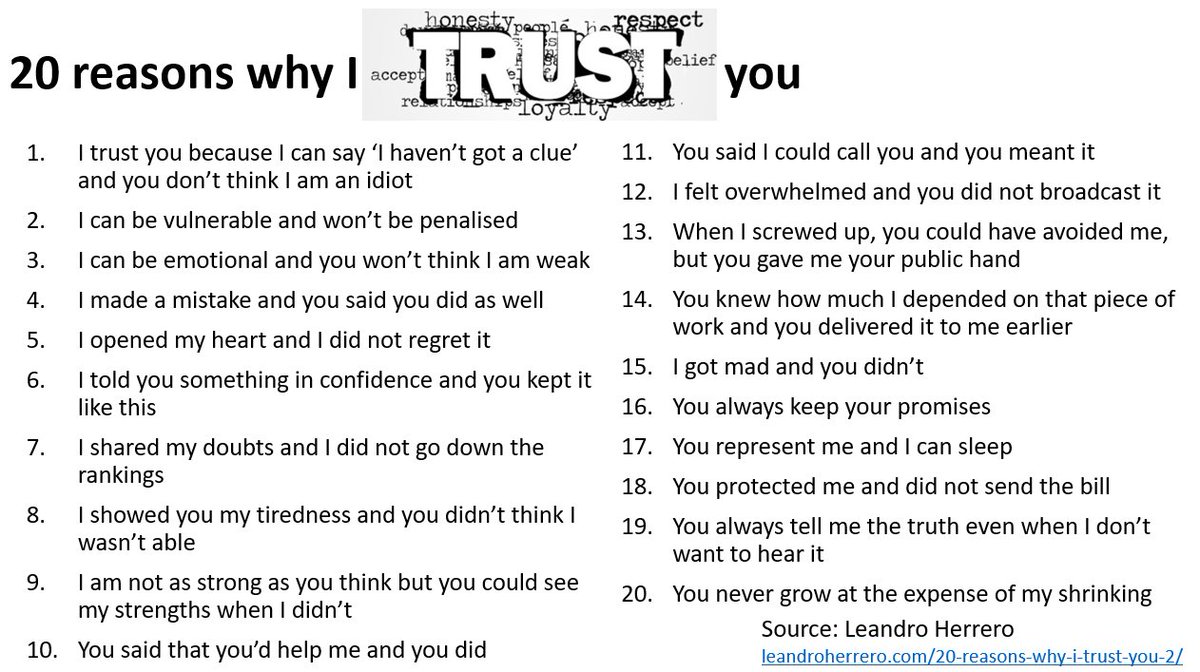
Trust makes a very big difference to team productivity & performance. Without trust, people withhold their talents, creativity, energy & passion. As leaders, we build trust through our every word & deed. 20 reasons why people trust us by @LeandroEHerrero: https://t.co/KhvvHjW2pL
There's a myth that fear motivates people to take action & enables change to happen in organisations. A myth is a commonly held belief that's untrue. When people are fearful, they don't learn, or innovate, or take the risks needed to improve outcomes. Fear creates a toxic culture
"Emotional labour": the process whereby leaders manage their feelings/emotions to fulfill the expectations of their role. We must acknowledge & give support for the emotional burden that comes with a leadership role says @DinaDSmith: https://t.co/mWJ9HLJleX Graphic: @lizandmollie
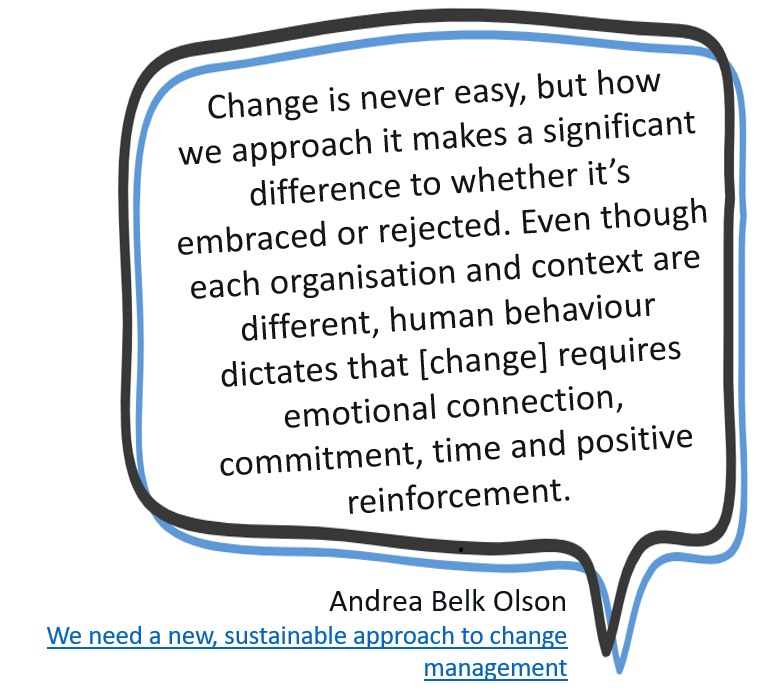
Many current "change management" models were created in the 1970s & don't work anymore. We must: 1) Connect change to wanted change 2) Engage influencers, not just "leaders" 3) Give all a stake 4) Have a neutral facilitator 5) Be role models: https://t.co/oeerbbf5HP V @Pragmadik
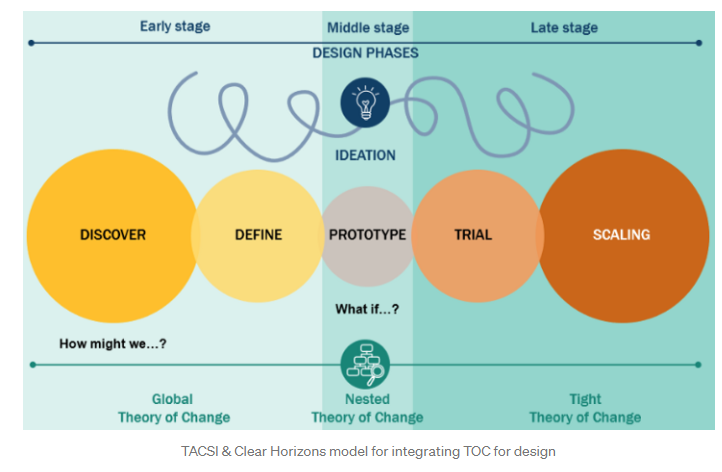
Every change initiative should have a theory of change (ToC). It helps get better outcomes. This piece is on ToC in design practice, but widely relevant. It shows how we move from a global, to a nested to a tight ToC as the initiative unfolds: https://t.co/HwfmkNbscC TY @kimshore
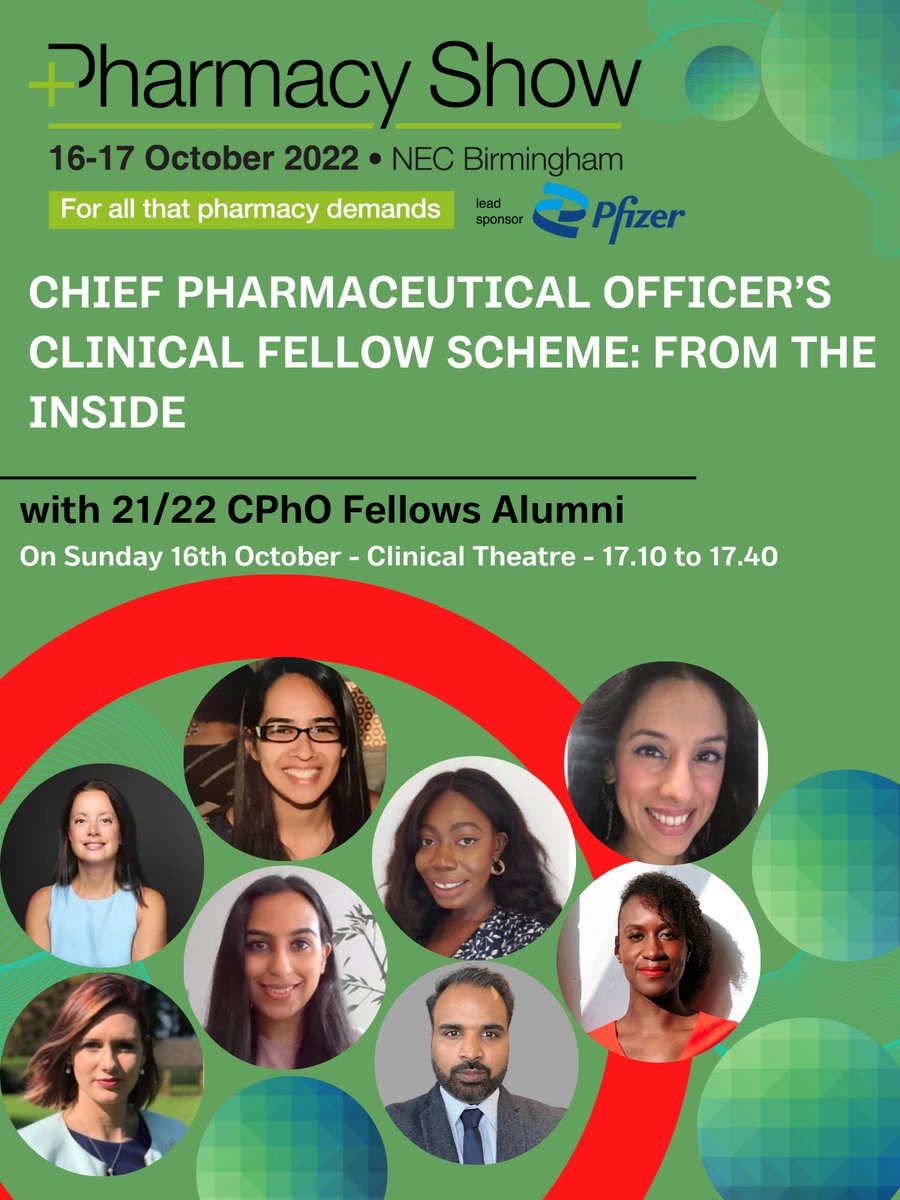
⭕️ Join the 21/22 CPhO Clinical Fellows alumni at @PharmacyShow on Sunday 16th Oct 17.10 - 17.40 in the Clinical Theatre talking about “Chief Pharmaceutical Officer’s Clinical Fellow Scheme: from the inside”
#PharmacyShow#CPhOalumni
On #WorldPharmacistDay read more on the Chief Pharmaceutical Officer's Clinical Fellow Scheme @PJOnline_News
We’re also @pharmacyshow on 16.10.22 come&speak to us to find out more!😁 https://t.co/94HQ0RHSo4
This is London
56% of its population is ethnic minority
These are 1st languages spoken by residents in each borough after English. Something to consider when we provide health & care, in particular medication information
Pharmacy does not have access to language services
The World Health Organisation @WHO has created a Quality Toolkit. It’s organised its existing resources into categories for those working for quality improvement at national, district, facility &/or community level: https://t.co/TYkhDvxlFg Thanks @drmarionlynch @THETlinks