I study the structural biology and biochemistry of root nodule symbiosis and plant-microbe interactions. How do plants distinguish between friends and foes?
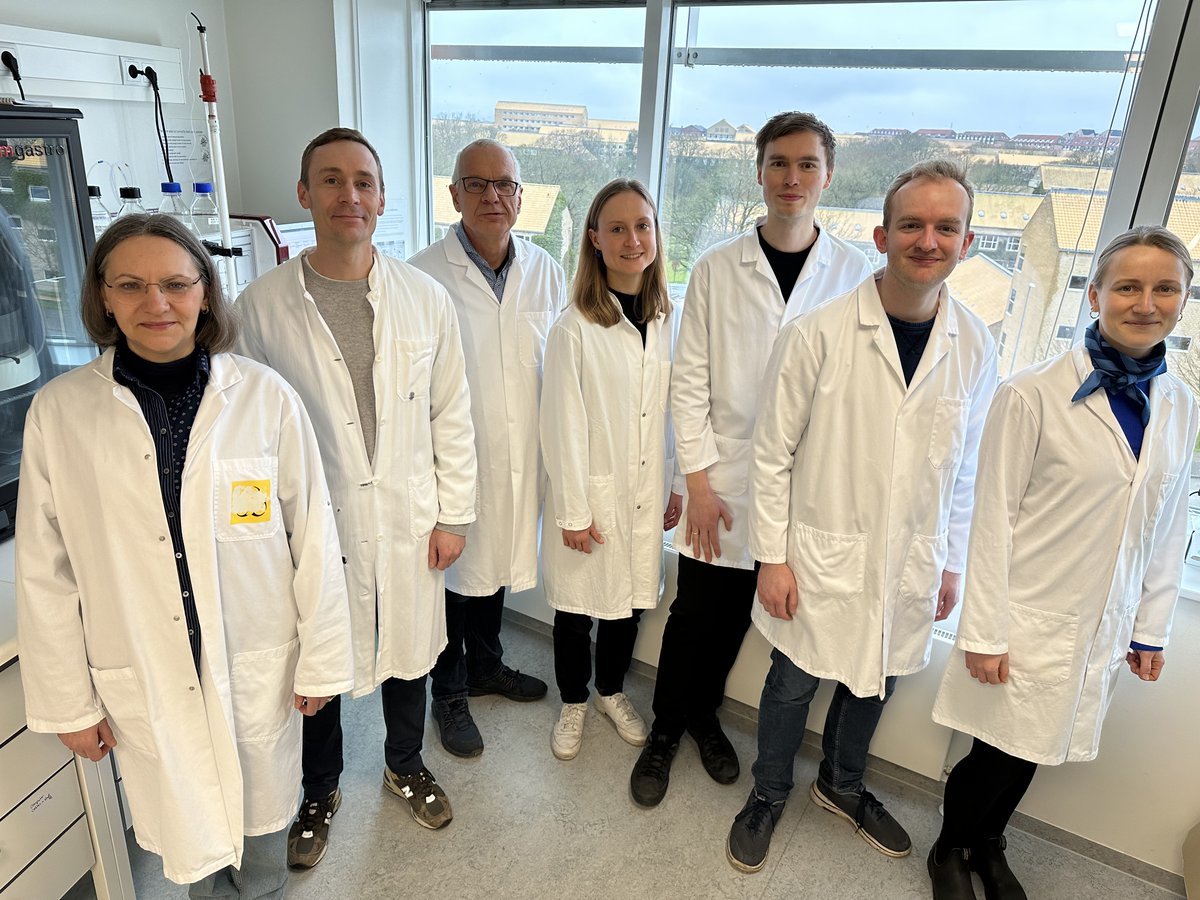
How do plants read chitin length? The receptor CHIP13 works like a molecular measuring tape. What began 13 years ago with a recalcitrant protein is now in @ScienceMagazine Thanks to all co-authors and colleagues! @MolBiolAU
https://t.co/X1P5vZkhWa
@ScienceMagazine@MolBiolAU And so much glycan perception in @ScienceMagazine this week! Super nice to see our chitin paper in a perspective article written by @LishaZhang2 and @ThorstenNrnber1 alongside two other studies on how plant receptors read chitosan and cellulose fragments.
https://t.co/GO2SAAWI0f
How do plants read chitin length? The receptor CHIP13 works like a molecular measuring tape. What began 13 years ago with a recalcitrant protein is now in @ScienceMagazine Thanks to all co-authors and colleagues! @MolBiolAU
https://t.co/X1P5vZkhWa
I will move to National University of Singapore next April. There are several PhD and postdoc positions open (closest PhD deadline is 15 Nov 2024). You are welcome to apply. It will be great if you can RT. Look forward to the next chapter.
Danish researchers found 4 key phosphorylation sites driving the bond between legume plants and nitrogen-fixing bacteria. Their goal is to transfer this symbiotic trait to crop plants.
https://t.co/SbUbKmor5K
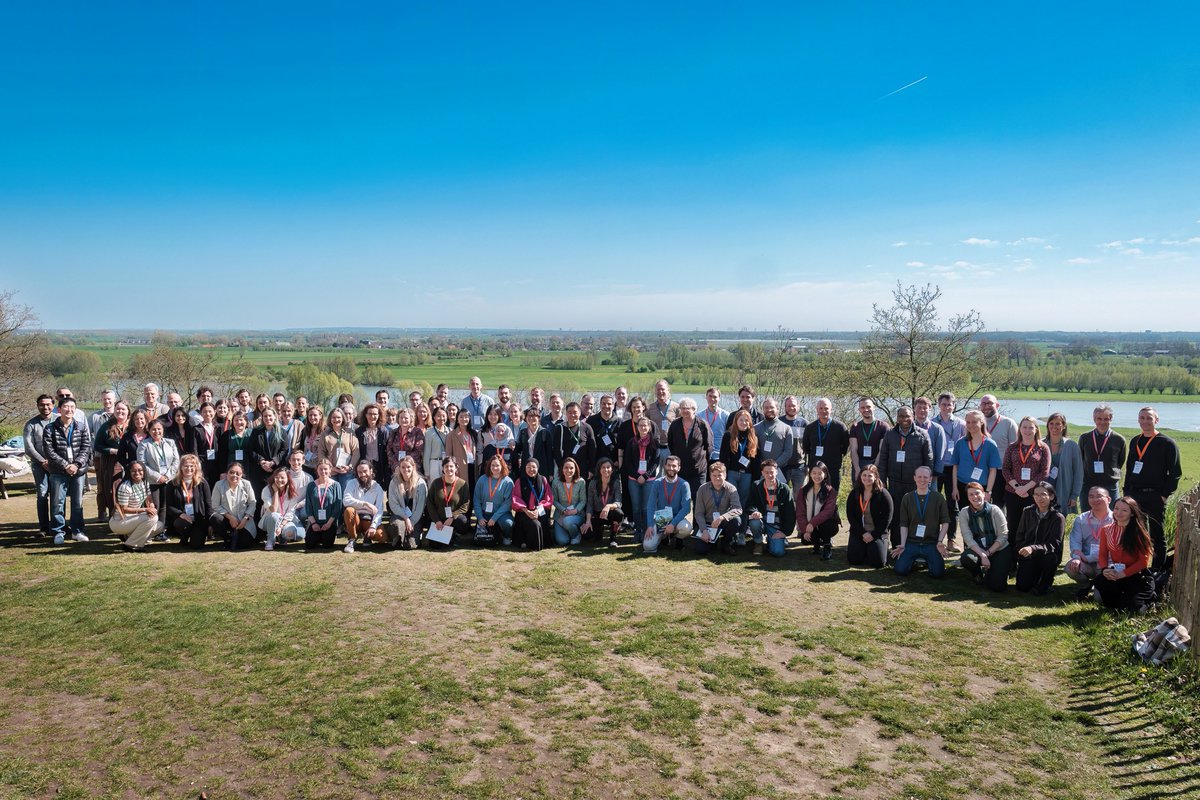
Happy to be hosting this week's @ENSA_research meeting at @FitzwilliamColl. Looking forward to hearing about their latest developments. Welcome everyone to Cambridge!
Visit poster 95 today at #2023ENFC to hear about the structural biology and biochemistry of Nod factor perception. Looking forward to discuss with all of you :)
A super fun collaboration with Jens Stougard, Kasper Andersen and @RadutoiuSimona that came out of participating in an excellent PhD defence by Simon Hansen, Aarhus! The symbiosis glucan receptor EPR3 binds a well-defined fungal-β-1,3/β-1,6-decasaccharide
https://t.co/0KheL6VbDs
Now we can map genes in #fababean! The 13Gb reference genome is published in @Nature after an amazing community effort. Thanks to all authors for great contributions! https://t.co/PEqbjSBQmY #legumes#plantprotein
The mid year PhD scholarship round is now open for domestic and international students at La Trobe. Please contact me if you are interested in undertaking a PhD studying mechanisms of legume root and nodule resilience to abiotic stress
https://t.co/coNMHma7oI
ENSA focuses on improving nutrient uptake by plants to reduce the need for fertilizer. The network has just received a total grant of USD 35 M from Bill & Melinda Gates Agricultural Innovations, of which @AarhusUni_int receives USD 4 M https://t.co/FJ8NapfG3A
ENSA funding secured for phase 3. This is a great opportunity to recognise impact from beneficial microbial associations in crops. @CropSciCentre
Cambridge-led consortium receives $35m to boost crop production sustainably in sub-Saharan Africa https://t.co/td5rIge3Br
JOIN US! We are looking for a postdoc and PhD student to join our lab to study phosphatases in membrane-less organelles using synthetic biology.
Positions include the unique right to brag about being funded by beer! (🙏 @Carlsbergfondet)
Links below. Please share.
Check out this amazing new article by my great colleagues! Congratulations! Nanobody-driven signaling reveals the core receptor complex in root nodule symbiosis @SimonBoje@RadutoiuSimona@RubsamHenriette
.@AarhusUni_int researchers have found the receptor complex crucial f initiating symbiotic signaling i legume plants engaging in symbiosis w nitrogen-fixing bacteria. Using a nanobody-based technique they also identified barley receptors w similar function https://t.co/9lnzgtLEty
Great talk by Simona about root nodule symbiosis shaping the root microbiome - and it is amazing to have a scientific illustrator at #plantMicrobeInteractions2022 . Great live summaries by @nigrelex.
Interested in how legumes distinguish symbionts from pathogens? Visit my poster #19 today at #PlantMicrobeInteractions2022. And at poster #21, @SimonBoje presents his research on how Lotus recognizes AM fungi and controls their access to the roots.
@ScienceCluster
Finally online! DMI1 is most likely the receptor to mediate cell membrane-nuclear transduction in NF signaling. “Constitutive activation of a nuclear-localized calcium channel complex in Medicago truncatula”| Proceedings of the National Academy of Sciences https://t.co/KDQYSUWnhT