Exciting work here led by @anja_ruti from #GEUS! A new way of rapidly mapping firn heterogeneity using offsets in radar and laser altimetry demonstrated across Greenland. I'm very happy to have been a part of it 😊
New research article: Mapping the vertical heterogeneity of Greenland's firn from 2011–2019 using airborne radar and laser altimetry https://t.co/ucMP1NcIaN
Just over 24 to go before the abstract deadline!
Do you work with radar on ice or rock? On the surface or in the subsurface? If so, well do we have *THE* EGU session for you 😎
CR5.4/GI5.3/PS7.6 - Radar investigations of icy and rocky (sub)surfaces
https://t.co/Q0I3jKyKvk
Heading home from Bremerhaven after the third #SMRT workshop. A great week of meeting new people and motivating science. Big thanks to @gsnowph @mjsandells and Henning Löwe for taking us through your model! Can't wait to start using it!
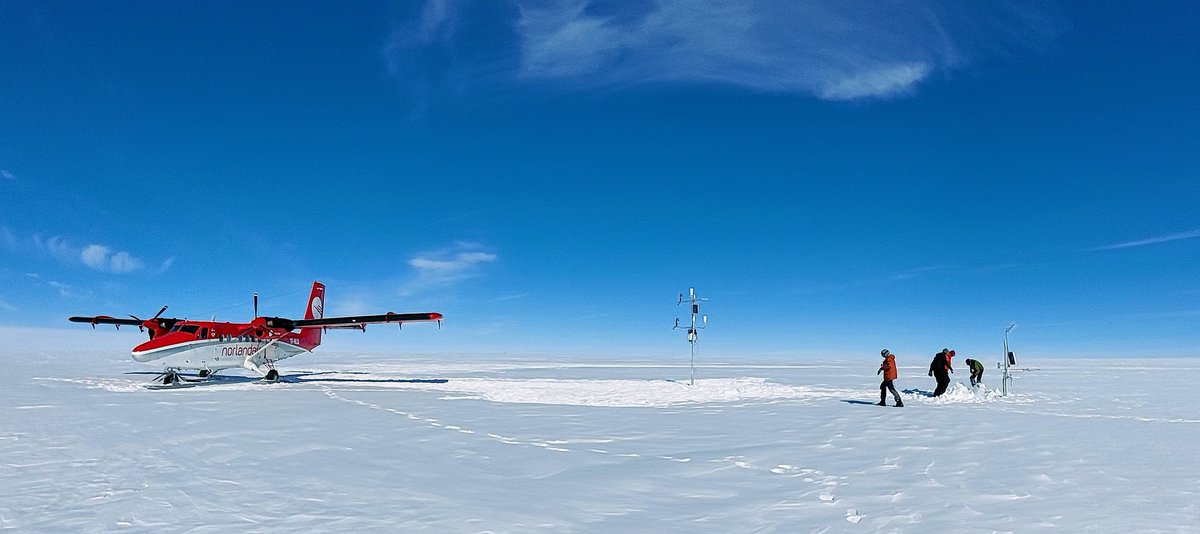
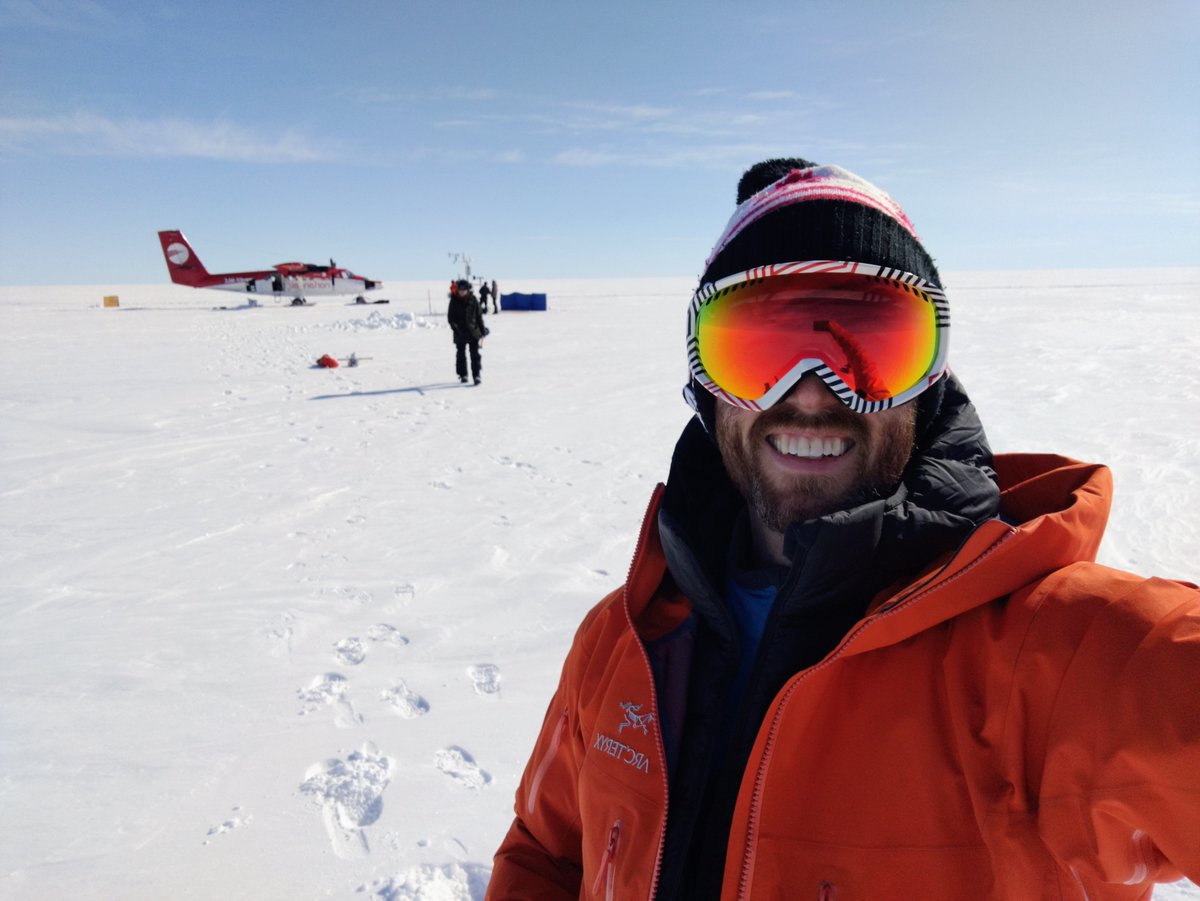
Very fortunate to have spent the last week in beautiful NW Greenland visiting #GCNet weather stations with @icymatters and other amazing #GEUS and @uni_tue colleagues. Big thanks to @VILLUMFONDEN and the @ESA_EO Living Planet Fellowship program for supporting this work!
Also, if you're interested and want to see what's next, be sure to stop by my #EGU talk on Friday afternoon (15:10-15:20) during G6.1!
https://t.co/4ExQcEG3x2
🚨Fortuitous new paper drop right in the middle of #EGU23! In it @bjsimonsen, @anja_ruti and I look at a new way of observing density and roughness across Greenland using @esa_cryosat and #SARAL. Big thanks to @ProtectSlr @VILLUMFONDEN and #GEUS
https://t.co/6qPDcA6VhV
We can't believe it's already that time of year again! Next week we'll will be travelling to Vienna for #EGU23 to see old friends, hopefully make new ones, and present what we've been hard at work on this past year. Check 👇 for abstracts led by some our amazing researchers!
Introducing all our amazing colleagues starting with our group leader Senior researcher @LSandbergS. She is working with different remote sensing data sets to improve our understanding of what is happening to the Greenland Ice Sheet. Also science lead on the @4Dgreenland project.
Very excited that I can now call myself a PI! Thanks to @VILLUMFONDEN and the #VillumExperiment program for believing in our work! Can't wait to get started digging deeper into how we can leverage Mars and satellite radar altimetry to better understand Earth's ice sheets!
Årets forskningseksperimenter afsløret: 51 forskere får vores Experiment-bevillinger til at afprøve originale forskningsidéer. Projekterne er udvalgt blandt 305 ansøgninger i en anonymiseret udvælgelsesproces #VillumExperiment#science#dkforsk https://t.co/MEVKp00UYk
@EGU_CR#Cryoblog is back from holidays !
In today's blog, @anja_ruti brings you along to her GC-Net fieldwork journey and tells you the story of how a new weather station is set up and the types of measurements it can provide!
Read on ➡️https://t.co/CCVEzZocV3
A new lake has been discovered deep beneath the Antarctic ice sheet, and its sediments may one day offer clues about Antarctica's past, present, and future.
Research by @S_Yan_94@UTGeophysics, story by @ligaze.
https://t.co/mAMEsKfhBS
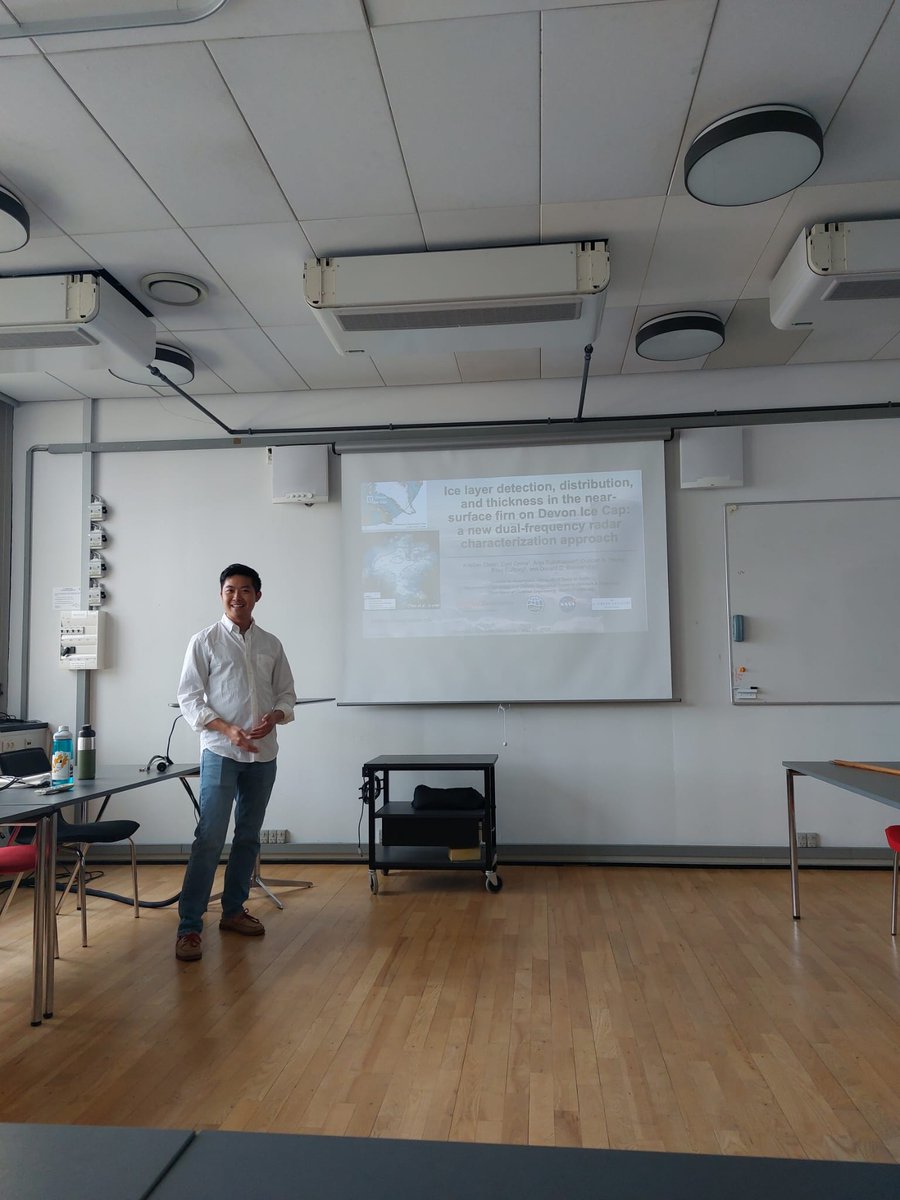
Very excited to have had @UTGeophysics PhD candidate @kristianchan_ visit @DTUcryo to talk about his research on Devon Ice Cap and its implications for future studies of Europa by @EuropaClipper! Great job Kristian!
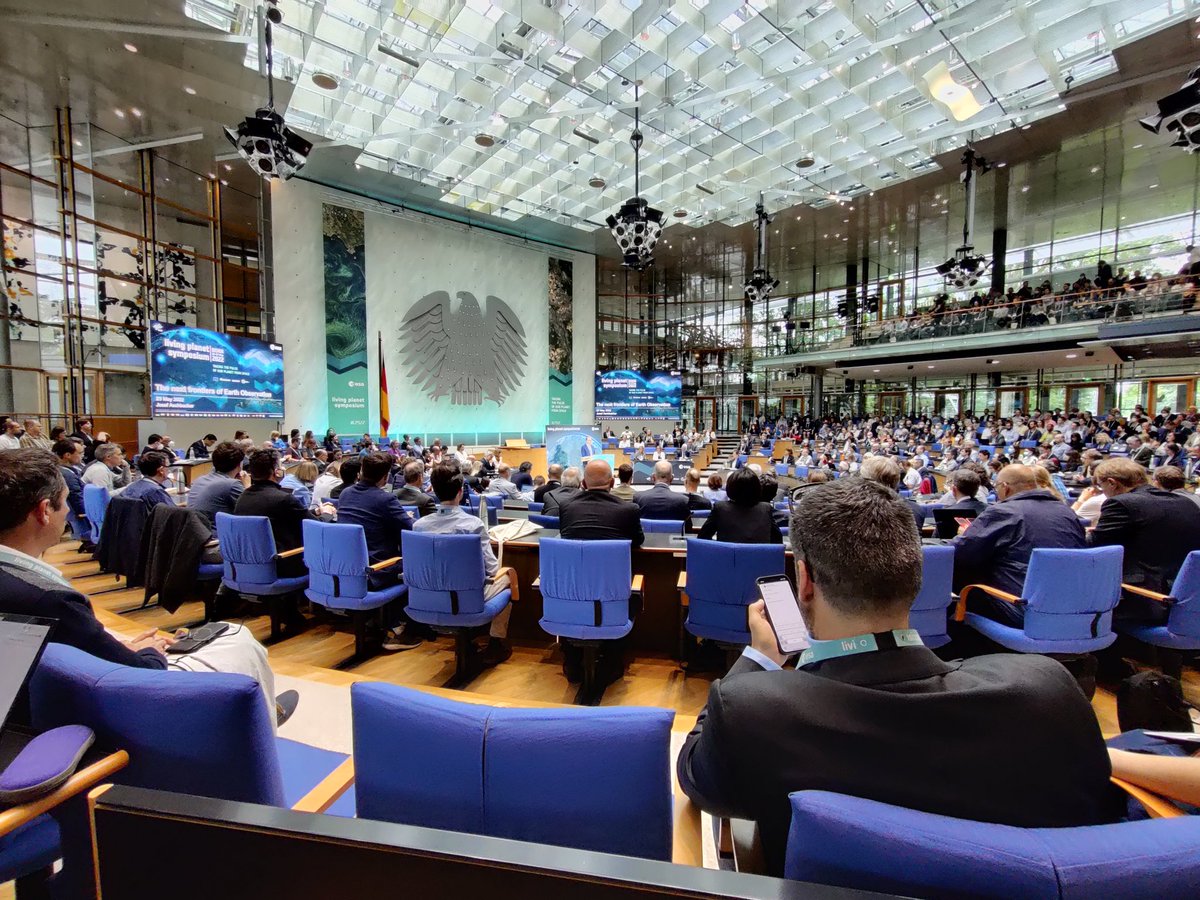
After a week of inspiring science and amazing people, unfortunately #LPS22 is over for me. Hopefully it won't be +2 years before the next in-person conference.
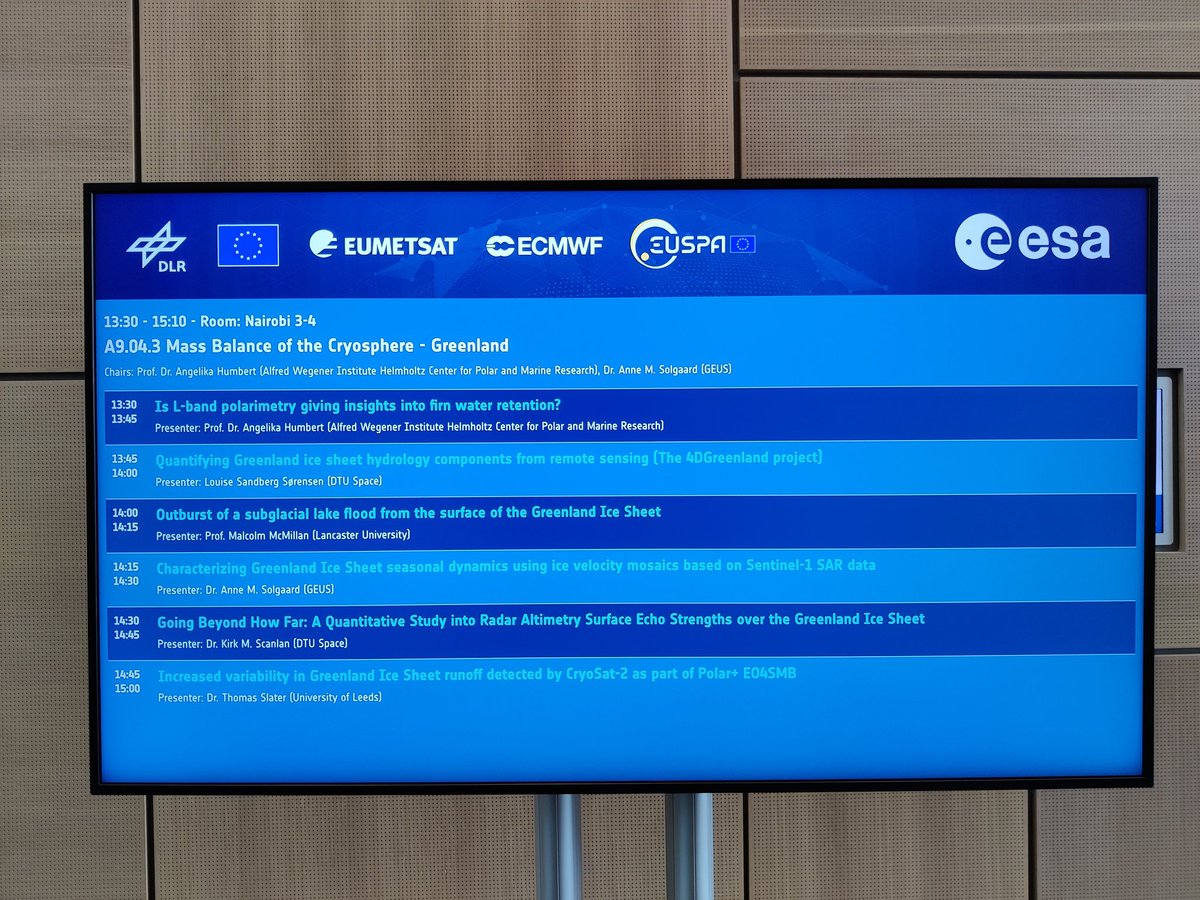
Getting ready for the Greenland mass balance session A9.04.3 at #LPS22! I'm lucky enough to be part of a great lineup of speakers including @LSandbergS also from @DTUcryo. Won't you come give us a listen!
One advantage of virtual #EGU22 is the ability to quickly "run" from room-to-room to catch great talks by @anja_ruti and @UTGeophysics student Kristian Chan who presentation started exactly one minute after mine without breaking a sweat #cardio
🚨New Paper Alert 🚨
Colleagues from @UTGeophysics and I (big shout out to @dillonBuhlAtx) wondered if it'd be possible to detect subglacial Rothlisberger channels using polarimetric radar sounding. Will it work? I guess you'll have to read to find out
https://t.co/0SNHGuqst3
We have all been very busy this week preparing for #LPS22 and #EGU22 next week. We are looking forward to a week of interesting science and networking!