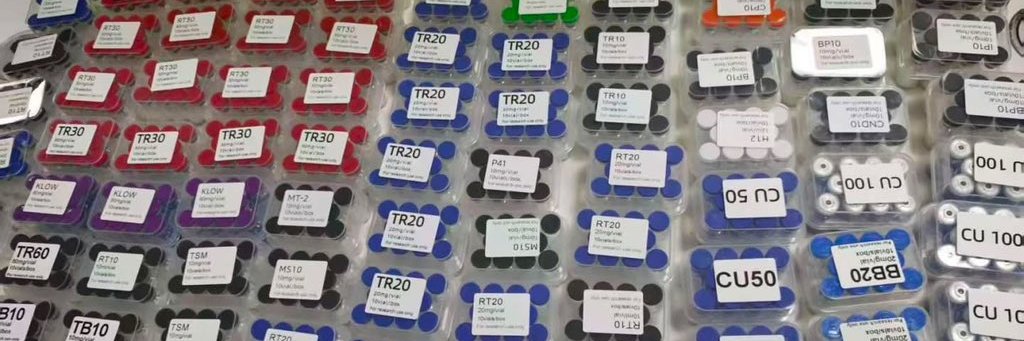
A peptide is a large molecule (typically consisting of more than 50 amino acids) formed by the folding of a polypeptide chain, in which two or more amino acids are linked together via peptide bonds (-CO-NH-), resulting in a specific three-dimensional structure.
Semaglutide currently has the strongest data by far among the GLP-1 meds regarding cardiovascular risk reduction (from the SELECT and SUSTAIN-6 trials), but my prediction is that tirzepatide will show similar benefits, along with its known stronger metabolic benefits. The definitive study for tirzepatide will be the ongoing trial SURMOUNT-MMO, which is supposed to conclude next year.
A new paper published in the BMJ is observational, but the design was previously benchmarked against RCTs. In nearly 53,000 people with diabetes and existing heart disease, those who started tirzepatide had fewer major heart problems after one year compared with those who started sitagliptin (an older diabetes medication that does not reduce heart risk).
In this study, a “major event” meant a heart attack, stroke, or death from any cause.
Risk of a major event: 2.9% with tirzepatide vs 4.4% with sitagliptin (relative risk reduction: about 32%)
Clearer benefits for heart attacks and death from any cause
Stroke rates were similar
This was real-world data (not a randomized trial), but it supports that tirzepatide may protect the heart in higher-risk patients.
Full study: https://t.co/AjfNFAi2Lj
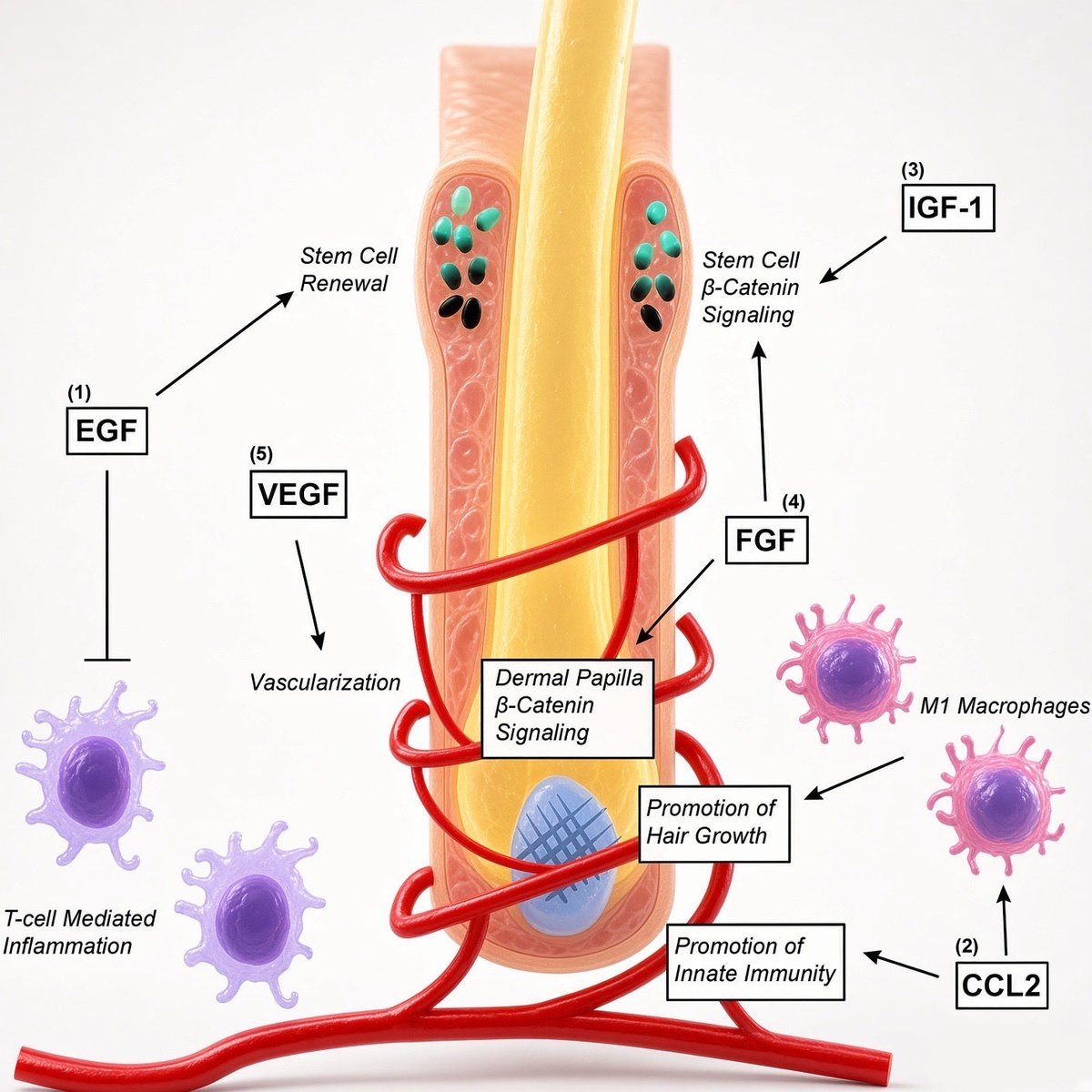
topical BPC-157 + micro needling
is a potentially DEADLY combo for hair loss…
if you’ve ever tried injectable/oral BPC you know it has some weird esoteric type effects on biology
> angiogenesis
> fibroblast activity
> nitric oxide signalling
> tissue repair/regeneration
it just cures sh*t.
𝙖𝙣𝙙 𝙩𝙝𝙚 𝙗𝙞𝙤𝙡𝙤𝙜𝙮 𝙢𝙖𝙠𝙚𝙨 𝙨𝙚𝙣𝙨𝙚…
studies show BPC-157 can increase angiogenesis (blood vessel creation) by up to 40% through VEGFR2 signalling
hair follicles DEPEND on blood supply more than anything.
so the theory:
> grant BPC-157 LOCAL access to scalp via micro needling
> angiogenesis occurs
> vascularisation increases
> healthier follicular environment…
THEN
𝙘𝙤𝙢𝙗𝙞𝙣𝙚 𝙩𝙝𝙖𝙩 𝙬𝙞𝙩𝙝 𝙈𝙃-𝟬𝟭 𝙞𝙣𝙜𝙧𝙚𝙙𝙞𝙚𝙣𝙩𝙨 𝙬𝙞𝙩𝙝 𝙨𝙤𝙢𝙚 𝙨𝙘𝙖𝙧𝙮 𝙨𝙩𝙪𝙙𝙞𝙚𝙨 𝙗𝙚𝙝𝙞𝙣𝙙 𝙩𝙝𝙚𝙢:
> adenosine complex (beats minoxidil in studies)
> caffeine
> methyl vanillate
> chitosan
> panthetol
> zinc PCA
only 200 made.
if you’re interested in running this alongside me, ive linked the source in comments below + studies.
super interested to see the before & afters in the coming months
disclaimer* no clinical evidence yet proving topical BPC-157 literally regrows hair since it’s quite new…
however the combined MH-01 ingredients have incredible data behind them
not medical advice.
Semaglutide-induced loss of skeletal muscle mass is blunted by co-administration of ketone esters
"These preclinical findings support ketone therapy as a promising strategy to counteract the sarcopenia-promoting effects of GLP-1RAs and warrant clinical evaluation to assess its translational potential."
https://t.co/ljQW8gHvYS
If you want to explore peptides but don't want to pin and don't know where to start, start with BPC-157.
It is single-handedly the most versatile, thoroughly researched, and bioavailable peptide in regenerative science.
Unlike obscure experimental research chemicals, BPC-157 has an extensive pre-clinical literature base, the largest body of human anecdotal (N=1) data, is far less likely to be faked or synthesized incorrectly, and major mainstream brands (like ProHealth Longevity) sell oral formulations directly.
Below is the exhaustive biochemical breakdown of every single physiological pathway BPC-157 alters across your gut, brain, vascular system, and connective tissue 👇
1. Why BPC-157 is the Ultimate Entry Peptide
Most people get overwhelmed by the peptide space due to sketchy source purity, complicated reconstitution protocols, and narrow mechanisms of action. BPC-157 stands completely apart for three reasons:
Massive N=1 Track Record & Pre-Clinical Literature: It possesses more real-world human feedback across decades of biohacking and clinical sports medicine—supported by extensive rodent and in vitro tissue models—than almost any other synthetic peptide.
BPC-157 is pentadecapeptide sequence of 15 amino acids (Gly-Glu-Pro-Pro-Pro-Gly-Lys-Pro-Ala-Asp-Asp-Ala-Gly-Leu-Val)
Oral Stability & Mainstream Availability: Modeled after a naturally occurring protein fragment in gastric juice, its unique molecular conformation makes it exceptionally resistant to enzymatic breakdown by gastric acid and pepsin.
This allows brands to offer oral arginine-salt forms that survive the stomach and act directly on the GI tract and systemic circulation.
2. Gut Barrier Repair, Mucin-2 & Endotoxin (LPS) Blockade
BPC-157 is synthetic, but its sequence is modeled after native Body Protection Compound (BPC)—a protein whose biological role is maintaining mucosal integrity against luminal acids and digestive enzymes.
EGR-1 Pathway Activation: BPC-157 rapidly upregulates Early Growth Response-1 (EGR-1) gene expression, triggering epithelial cell proliferation and basement membrane repair.
Preserving Tight Junction Proteins: Upregulates and preserves ZO-1, Occludin, and Claudin-1 in enterocytes (as well as Claudin-5 in gut endothelial microvessels).
This seals intestinal hyperpermeability (leaky gut), halting the systemic translocation of bacterial Lipopolysaccharide (LPS endotoxin) and un-cleared food antigens into portal circulation.
Countering NSAID & Alcohol Damage: Neutralizes ulceration, mucosal atrophy, and microvascular hemorrhages induced by heavy NSAID (ibuprofen/aspirin) use or acute ethanol exposure by modulating local prostaglandin production.
3. Tendon, Ligament & Joint Regeneration (FAK-Paxillin Pathway)
BPC-157 accelerates the structural healing of connective tissue—tendons, ligaments, skeletal muscle, and articular cartilage—at a rate unachievable through standard resting protocols.
FAK-Paxillin Signaling Cascade: Activates the Focal Adhesion Kinase (FAK) and paxillin pathway, which drives the migration, proliferation, and attachment of tenocytes (tendon cells) to extracellular matrix scaffolds.
Growth Hormone Receptor (GHR) Upregulation: Directly upregulates the expression and density of Growth Hormone Receptors on tendon fibroblasts. This acts synergistically with circulating GH/IGF-1 to accelerate Type I Collagen synthesis and cross-linking.
Restoring Range of Motion: Rebuilds broken tendon-to-bone junctions (entheses) and quenches localized inflammatory exudates, rapidly eliminating chronic joint and tendon pain.
4. VEGFR2 Activation & Targeted Angiogenesis
Tendon and ligament tissue typically heal slowly due to poor blood supply (hypovascularity). BPC-157 solves this by driving localized, organized vessel formation.
VEGFR2 Phosphorylation: BPC-157 activates Vascular Endothelial Growth Factor Receptor 2 (VEGFR2) phosphorylation, initiating the primary signaling cascade for endothelial cell sprouting and microvascular repair.
Collateral Vessel Formation: Promotes the rapid formation of new collateral blood vessels (angiogenesis) around damaged, ischemic, or traumatized tissue sites, flooding the area with oxygen, ATP, and structural amino acids.
Organo-Protective Control: Unlike uncontrolled, pathological angiogenesis, BPC-157 operates through a self-limiting, organo-protective pathway—modulating nitric oxide synthesis so that new vessels are formed exclusively in response to tissue ischemia or injury.
5. Neurotransmitter Regulation & Dopaminergic Stabilization
Beyond physical tissue repair, BPC-157 exerts profound modulating effects on the central nervous system, particularly the gut-brain axis and dopaminergic pathways.
Striatal Dopamine System Homeostasis: BPC-157 acts as a master modulator of the striatal dopaminergic system. It prevents both dopamine receptor hypersensitivity (caused by chronic neuro-stimulants) and dopamine receptor desensitization (anhedonia/burnout).
Countering Neurotoxicity & Anhedonia: Protects brain dopamine and serotonin pathways from damage caused by chronic stress, neuro-stimulants, or toxins, helping reverse stimulant-induced tolerance, brain fog, and central emotional flatlining.
Serotoninergic Balance: Regulates serotonin (5-HT) synthesis in specific brain regions, blunting stress-induced central serotonin surges while keeping baseline mood stable.
6. GABA-A Dynamics & Anxiolytic CNS Protection
BPC-157 protects central inhibitory neurotransmission, making it exceptionally effective for calming central hyper-arousal and nervous system agitation.
GABA-A Receptor Stabilization: Modulates GABA-A receptor binding kinetics, preventing the downregulation of GABAergic tone during acute stress or withdrawal states.
Anticonvulsant & Anxiolytic Action: Reduces central glutamate excitotoxicity, protecting neurons from calcium-induced cell death, dampening panic vulnerability, and eliminating internal restlessness.
Synergy with Sleep Architecture: By stabilizing central GABAergic tone and quenching neuro-inflammation, it deepens slow-wave sleep and aids recovery from circadian rhythm breakdown.
7. Nitric Oxide (NO) Balancing & Pain Suppression
Chronic pain and tissue swelling are driven by an imbalance between endothelial and inducible nitric oxide synthase enzymes.
eNOS vs iNOS Modulation: BPC-157 upregulates protective endothelial Nitric Oxide Synthase (eNOS) to promote microvascular blood flow while simultaneously suppressing inflammatory inducible Nitric Oxide Synthase (iNOS).
Substance P & Prostaglandin Modulation: Modulates local prostaglandin levels and lowers local levels of Substance P—the primary neurotransmitter involved in transmitting chronic pain signals from peripheral nociceptor nerve endings to the spinal cord.
Eliminating Vascular Pain: Normalizes vascular tone, preventing both ischemic spasms and inflammatory hyper-perfusion.
Summary:
BPC-157 is not just a "joint peptide." It is a systemic, master-regulatory pentadecapeptide that seals the gut, rebuilds connective tissue, normalizes neurotransmitters, quenches pain, and accelerates bioenergetic recovery.
Oral Dosing (Arg-BPC-157): 500mcg to 1000mcg twice daily taken on an empty stomach.
Eli Lilly is offering expanded access to retatrutide, its investigational triple hormone receptor agonist that demonstrated substantial weight loss in phase 3 studies, and not all clinicians are happy about the move.
“For a limited number of patients who meet specific medical criteria and cannot enroll in a clinical trial, we believe it is medically appropriate to make authentic retatrutide available before FDA approval, consistent with FDA’s guidance,” a Lilly spokesperson said. “We’ve built an expanded access program that does that and are actively reviewing requests from healthcare providers.” Tap the link to read clinicians views: https://t.co/jGfPISOR0P
Previous generations treated life after 40 like a slow decline:
Diabetes after 40 → inevitable
Hypertension after 40 → common
Heart problems after 40 → expected
Pot belly after 40 → normal
Things are different now
GLP-1s help you stay lean and healthy
TRT helps you stay muscular
Peptides improve performance
Add basics like Exercise + Nutrition + Sleep and you will be unstoppable
For the first time, people over 40 can actually keep improving instead of accepting decline
If you're on a GLP-1 and not meeting protein needs:
Don't simply eat "when you're hungry."
Schedule your meals.
Ensure adequate protein in the schedule.
Hoping you will meet your protein intake is not a strategy.
Seems like a lot of people are stacking Eloralintide on top of Reta/other GLP1 peptides
I think a more sensible approach could be to cycle BETWEEN a GLP1 and an amylin receptor agonist, especially if you have been on a GLP1 for an extended period of time
My hypothesis being you avoid receptor desensitization and dose titration by cycling between the two, getting more benefit lower doses
(Not medical advice, just a topic for discussion)
Growth hormone peptides get sold as a free upgrade for fat loss and recovery.
They're not free.
Raising GH and IGF-1 does drive repair, but it also feeds anything that wants to grow and nudges insulin resistance.
There's real upside here and a real tradeoff, and the dose and how long you run it are the entire safety conversation.
Someone who's done peptides for 20 years reacts to a comment claiming missing a Reta dose feels like torment.
Chase Irons: "People are so scared of underdosing Reta that they get no results."
Comment: "If you accidentally take too much or skip a week, it can be a torment worse than death."
Chase Irons: "What are you talking about? If you skip a week, you're gonna be a little more hungry. Or you might not be, because it's still going to be in your system, trickling out. It has a half life of a week. It takes four half lives for a drug to get out of your system."
Chase Irons: "And if you take too much, you might get a little constipated, you might be bloated, you might get some acid reflux. It's not going to feel like you're dying."
Before you trust a BPC-157 or Retatrutide COA, know this: "third-party tested" on a product page means almost nothing by itself. The question is WHICH lab, and can you verify it. Three labs actually matter. Janoshik in the Czech Republic is the gold standard, roughly 15,000 samples a month, and they run a near-million-dollar NMR that catches TFA-salt contamination a basic purity panel misses. Every report gets a verifiable Task Number and Unique Key. Freedom Diagnostics in Tennessee is the fast US-domestic option, 24-48 hour turnaround, and it's the lab Alyve uses, so every Alyve batch is checkable in that public database by anyone. And Finnrick in Texas built the biggest public vendor list in the space, 8,687 tests across 263 vendors, scored 0 to 10. Here's the part people miss: Finnrick tests your own sample for FREE. You can mail in a vial and get it checked. So the move is layered. Check whether your vendor shows up in Finnrick's list, verify any Janoshik report against the lab's own database, and if you want certainty, send in your own. You don't have to trust a PDF. You can CHECK. That's the whole game.
---
Retatrutide isn't just another GLP-1
✅ GLP-1 side: less hunger
✅ GIP side: better blood sugar
✅ Glucagon side: burns more energy
Most GLPs just make you eat less
Reta also makes you burn more while you eat less 🔥
💉 6mg is when I finally understood why people call Reta the Ferrari of GLPs.
My thoughts on each dose so far:
-2mg
This one honestly surprised me.
By week 2, almost all the cognitive changes I’d been hoping for were already there.
I felt more locked in, less impulsive, and it was just easier to say no.
The appetite suppression was there, but pretty mild. I’d compare it to about 0.5mg Ozempic for me.
Some days I’d be hungry, some days I wouldn’t.
The difference was even when I was hungry, it didn’t feel like it was in control anymore.
-4mg
Looking back, 4mg kinda just feels like the bridge to 6mg.
Everything from 2mg was still there with a little more suppression, but nothing that made me go “wow.”
-6mg
This is where everything changed.
Suppression went way up.
Energy went way up.
Mood has been the best it’s been since I started.
I’m eating less than I was on 2mg and 4mg, but somehow I’ve got more energy than ever.
Maybe this is where I’m really starting to feel more of the glucagon side of Reta. I honestly don’t know.
All I know is something definitely changed at 6mg.
Every dose has been good to me.
6mg is just another level for me.
Now my dick is hard as a rock and my wife and I practice wild animal sex near nightly. I think I like CJC-1295 / Ipamorelin as my has the tirzepatide as it has really gotten me up and running follow g this huge weight loss event.
@10BottleValueCo Most peptides are sensitive to UV light, Reconstituted peptides are generally more vulnerable because they’re dissolved in water. Lyophilized powders are usually much more stable, but they’re still better off protected from unnecessary light.
@rorynotsorry Most peptides are sensitive to UV light, Reconstituted peptides are generally more vulnerable because they’re dissolved in water. Lyophilized powders are usually much more stable, but they’re still better off protected from unnecessary light.