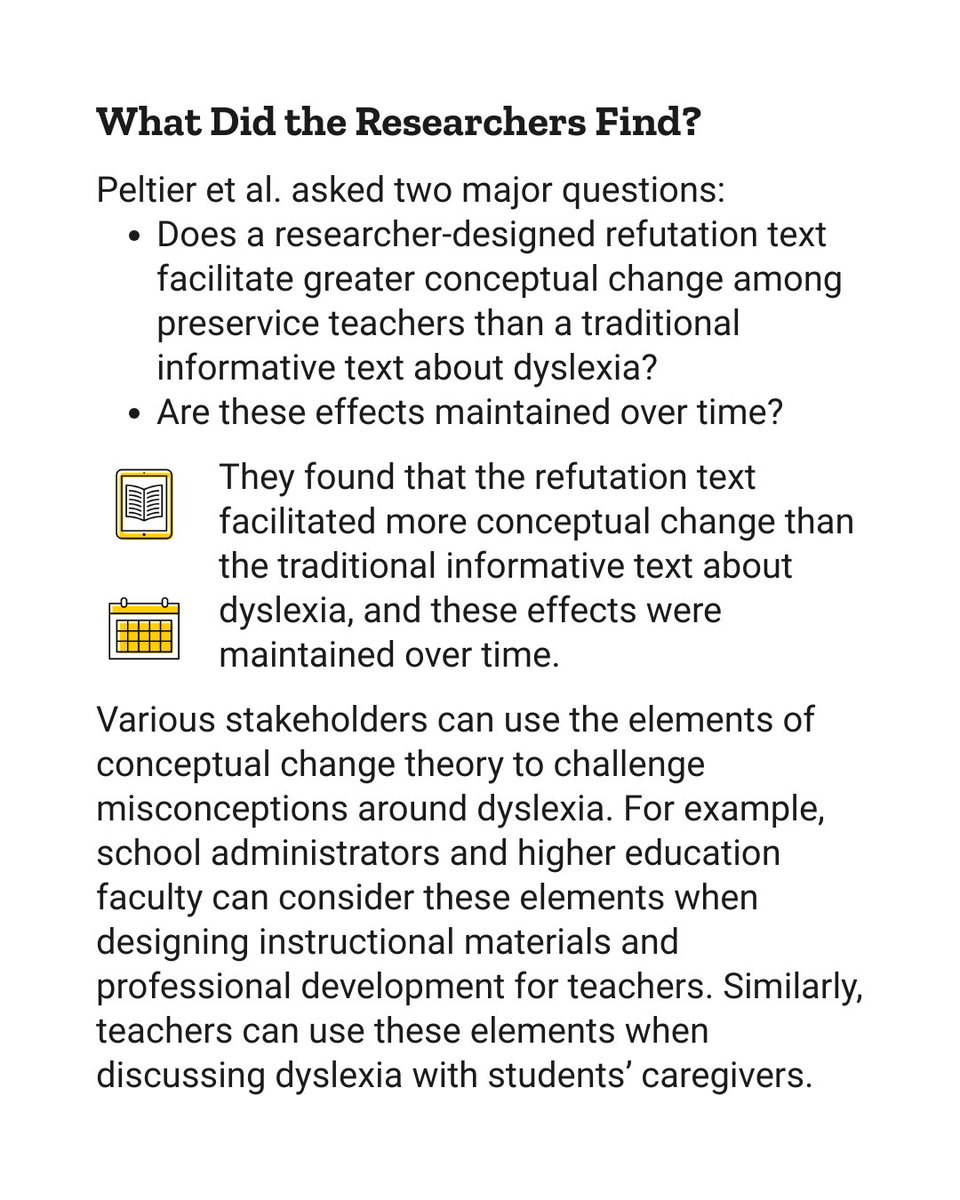
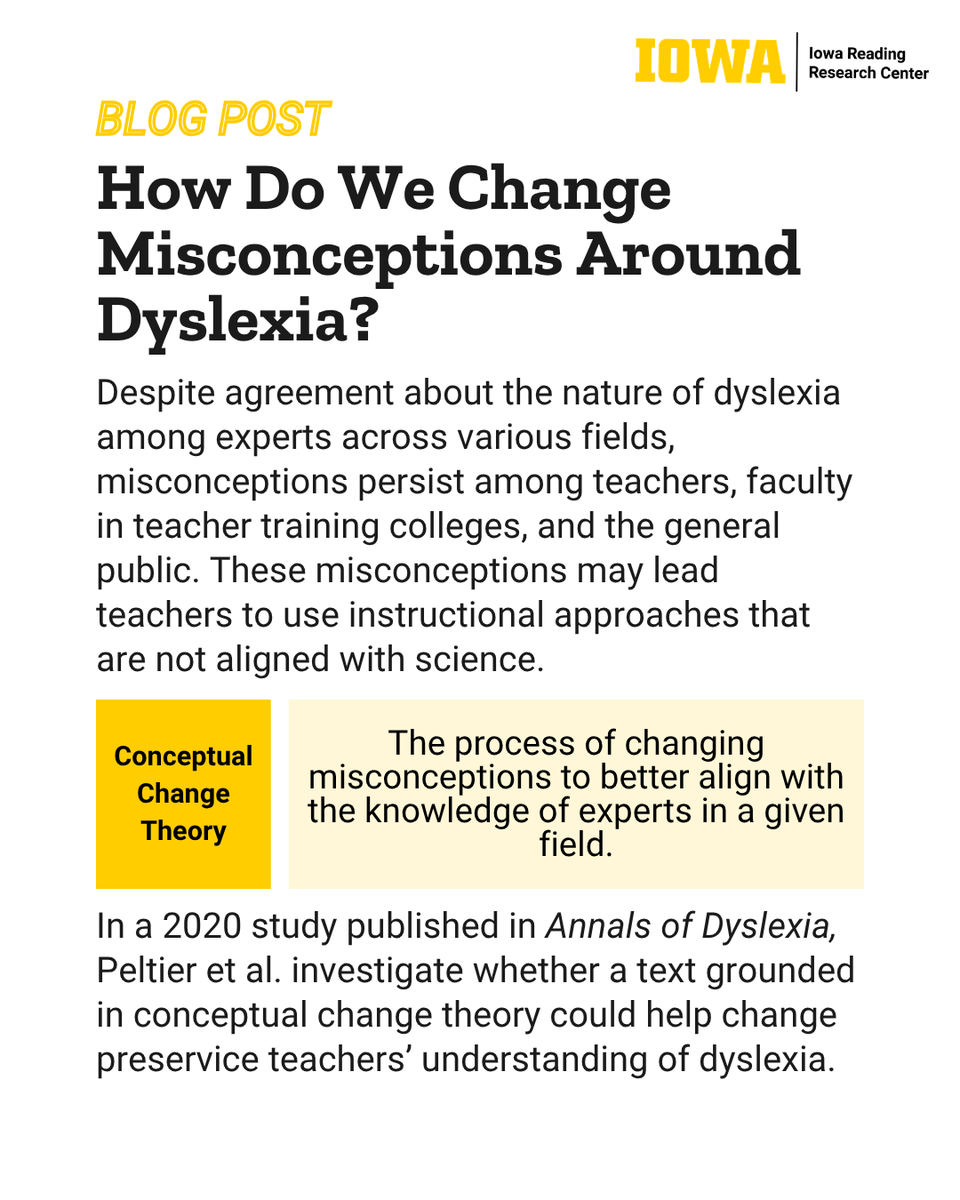
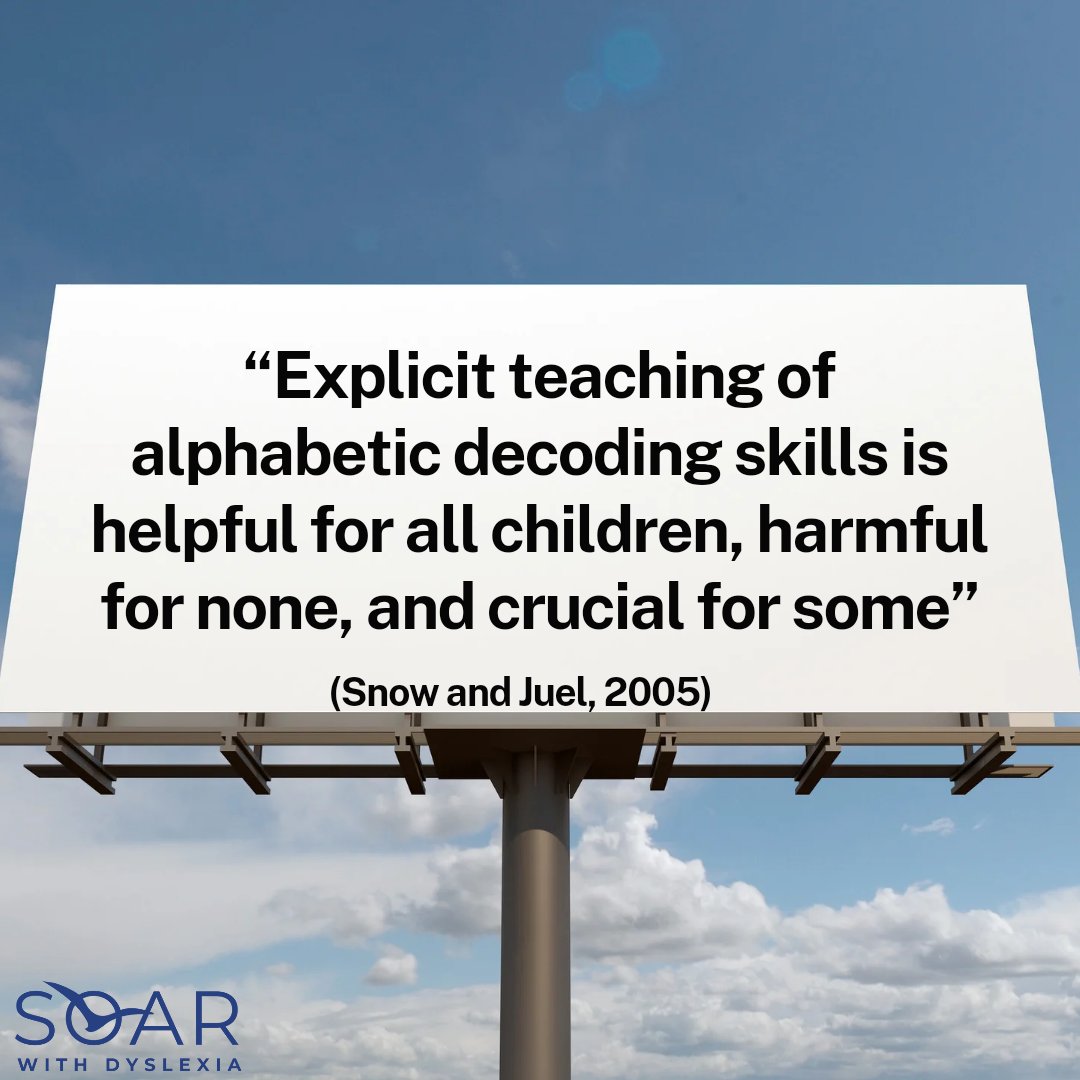
Educators’ misconceptions about dyslexia may lead to instructional practices in the classroom that are not aligned with current research. How do we change these misconceptions? Read our past blog post on a research article that explores this question: https://t.co/VYLz4heRct
Our #HistoryMatters series is now streaming on the Knowledge Matters Podcast! 🎙️
Episodes 1–3 uncover how teaching rich history content, even in early grades, can spark curiosity, build literacy, and prepare students for civic life.
🔗 Listen here: https://t.co/tFTRapRj1q
Nearly 90% of students with LD struggle to focus, and too many lack the skills to advocate for themselves.
It’s time we teach self-advocacy to every kid with dyslexia, and train all teachers to recognize and support them as well.
Every classroom. Every educator. Every student. #Dyslexia #EdEquity #SelfAdvocacy #TeacherTraining
https://t.co/ZfBILFOuCI
Introducing... CLIFTER, the all-new cursive handwriting instruction tool from the IRRC! 🎉 CLIFTER provides educators with flexible, easy-to-use materials for teaching cursive handwriting. Available now! https://t.co/KjY58PuuMm
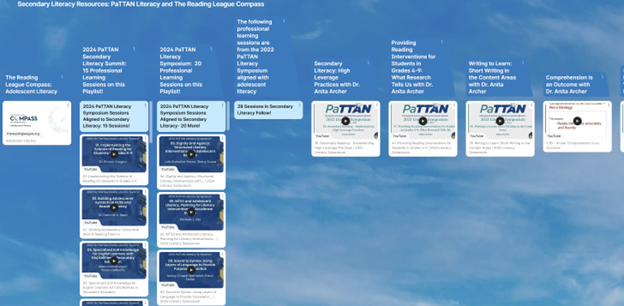
Week 3 of #SummerSkillsSaturdays = Secondary Literacy Success! Explore 67 PD sessions & a national resource hub to support upper elementary–HS. ☀️Dive into PaTTAN & The Reading League resources!
Padlet: https://t.co/iK7QnRYXgT
PDF: https://t.co/QIOjgKaNXs
Orthographic mapping is how words stick not by memorizing or guessing, but by connecting:
🔹 Sounds (phonology)
🔹 Spelling (orthography)
🔹 Meaning (semantics)
All 3 are needed.
Check out Making Words Stick by Molly Ness & Katie Pace Miles. A must-read for every educator.
It’s Sight Word Saturday—Week 2 of #SummerSkillSaturdays!
Explore 6 top resources on how words become sight words: from Dehaene to Miles to McCandliss.
Infographic ➡️ https://t.co/zOY3ZKcLgc
PDF Recap ➡️ https://t.co/gUUQI1v495
#ScienceOfReading#Literacy
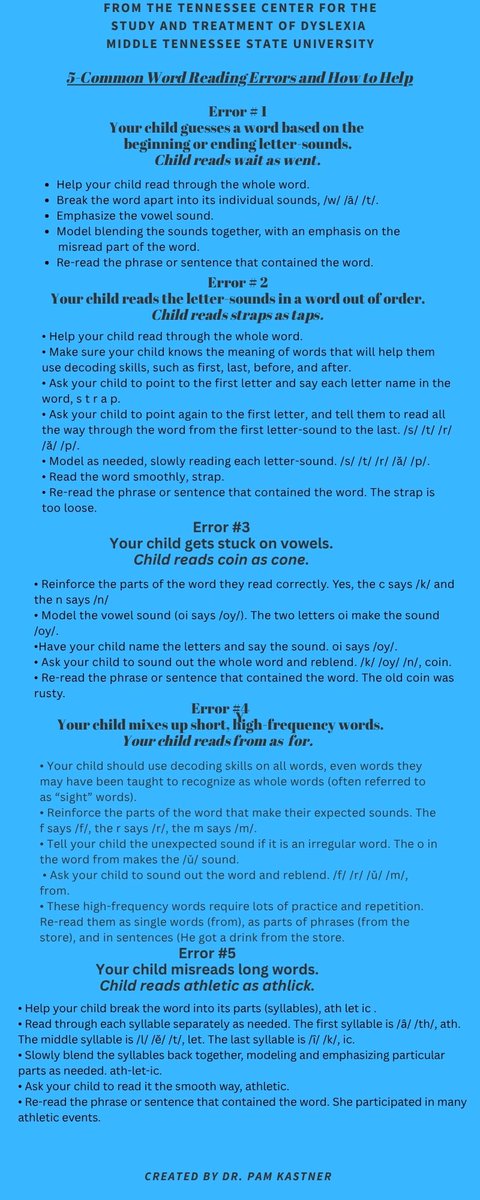
It’s a Marvelous Monday to access an exceptional resource from the Center Tennessee Center for the Study and Treatment of Dyslexia Middle Tennessee State University (MTSU): Decoding Tips for Parents: 5 Common Word Reading Errors and How to Help.
These tips are helpful for families as well as educators! I created an infographic of the : 5 Common Word Reading Errors and How to Help. You can click on the hyperlink to go directly there at this link: https://t.co/DT5hZlZShw
While you are there, be sure to check out the other amazing resources for families and educators that MTSU offers!
Access the infographic here: https://t.co/vjFyRrHLMZ
Thanks for sharing this. Sometimes teachers feel they can’t work on decoding bc they have to teach “the standards”. Decoding is the route to reading comp. Of course, at the same time, lang. comp. must be taught via read alouds and discussion.
Reid Lyon put together a set of 10 maxims that summarize the most important findings from the "science of reading." There are tons of citations if you want to know more. We link in the show notes. And here:
https://t.co/SBgyMeABNO
What do all of these words have in common? They contain a morpheme that means "to look!" The Latin root word “spect” means to see, observe, look, or watch over!