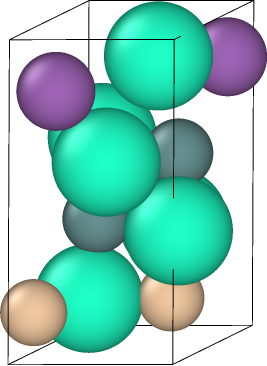
AI can optimize materials 🤘
Our (@pabbeel, @svlevine, @AIatMeta) proposed transformer model 𝗖𝗹𝗶𝗾𝘂𝗲𝗙𝗹𝗼𝘄𝗺𝗲𝗿, combined with 𝗲𝘃𝗼𝗹𝘂𝘁𝗶𝗼𝗻 strategies, discovers materials that optimize target properties.
https://t.co/Er69EolmLi
3/N All weights are fully open on Hugging Face (including the stronger Alexandria-scale checkpoint we trained with more data than in the paper).
Ready for you to use today — whether you’re doing materials discovery, running your own oracles, or just exploring.
Let us know how you like it and which properties do you want to optimize materials for!
🚀 arXiv: https://t.co/svolIeiW58 #AIforScience #MaterialsDiscovery #CompChem
Optimize materials yourself! 🔥
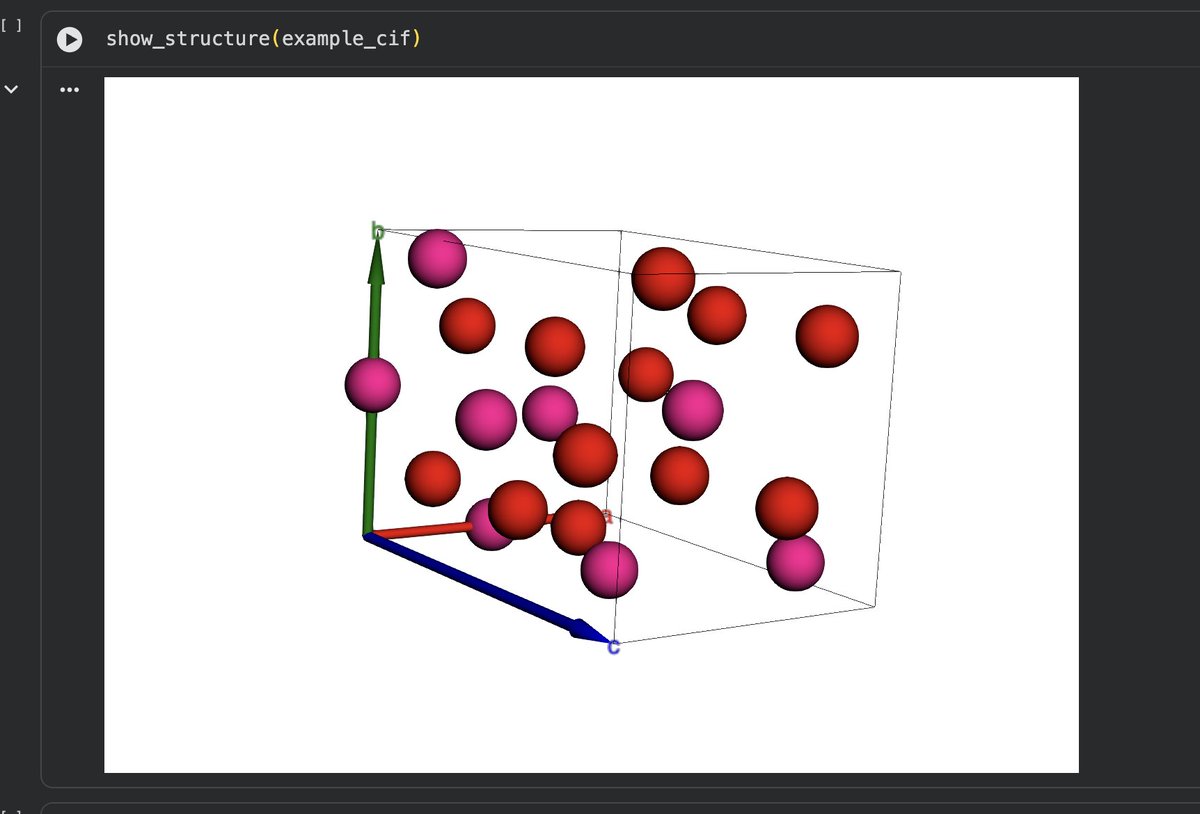
No cloning, no install — just open our interactive Google Colab demo and start optimizing crystals for formation energy or band gap in < 2 minutes.
→ Try it here: https://t.co/aUyEH9M1EE
→ Or grab the repo + open weights: https://t.co/rm6QID9xAK https://t.co/FPkjesbMoL
2/N The demo is truly plug-and-play.
Run the cells → your crystal becomes a controlable latent vector.
You can even upload your own structures and navigate them inside the model's imagination - the latent space!
🚀@PKUWZP Great question! We actually used the raw predicted target property directly as the reward - no shaping or heuristics needed.
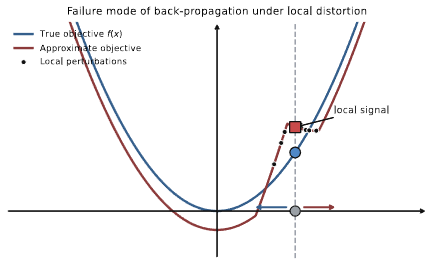
The real magic is the clique-structured latent space: it lets us stitch optimal sub-structures, so the raw reward already generalizes well beyond the training distribution. We also found backpropagation-free evolution strategy to be robust against errors (see Appendix F and the image below).
That said, we’re super open to better reward design! Please share if you have heuristics that worked in your agentic/RL settings 🚀
Thanks @svlevine! 🙏
Exactly - and the structured reward idea works great in materials that are themselves structured.
Learn about the strength of structured representations and rewards in materials by cloning our code:
https://t.co/sgCHvU3xpK
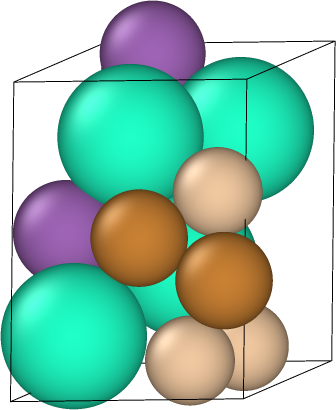
Look at these materials - it's worth it!
3/N How it works:
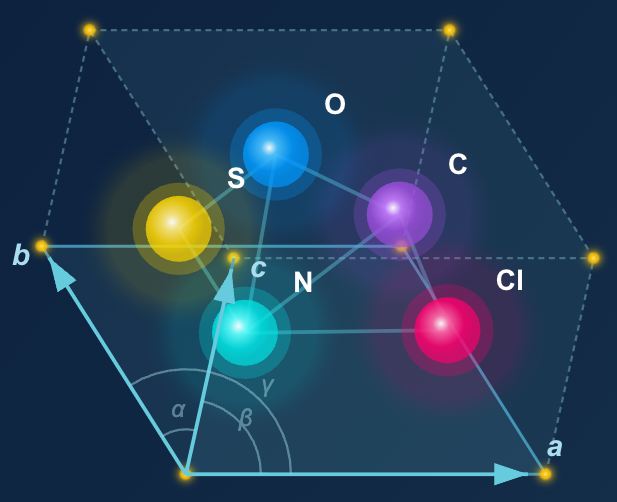
CliqueFlowmer encodes materials into continuous, fixed-dimensional representations and optimizes them for target properties (e.g., band gap).
It then uses transformers and flow models to decode these optimized latents into new materials.
→ No sampling
→ Direct optimization
AI can optimize materials 🤘
Our (@pabbeel, @svlevine, @AIatMeta) proposed transformer model 𝗖𝗹𝗶𝗾𝘂𝗲𝗙𝗹𝗼𝘄𝗺𝗲𝗿, combined with 𝗲𝘃𝗼𝗹𝘂𝘁𝗶𝗼𝗻 strategies, discovers materials that optimize target properties.
https://t.co/Er69EolmLi
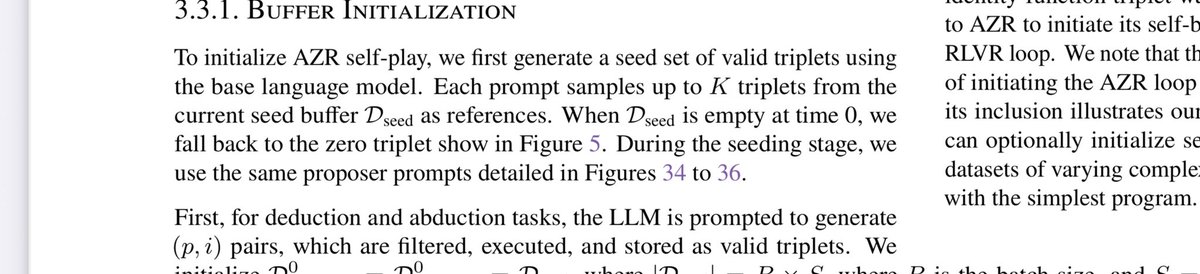
@teortaxesTex@_AndrewZhao@Benjamin_eecs Thanks man! As you know, papers’ contributions are not only their names, and if you read them, you learn they’re very different. From our perspective, their buffer curation is far off from self-play. But no other data - I grant them that! Peace ✌🏿
LLMs that learn without data 🤯
No new datasets. No human demos. Just a model playing against itself—getting smarter every round.
We call it Language Self-Play.
Full paper https://t.co/AW5d7WXqh6
Thanks @metaai and @berkeley_ai
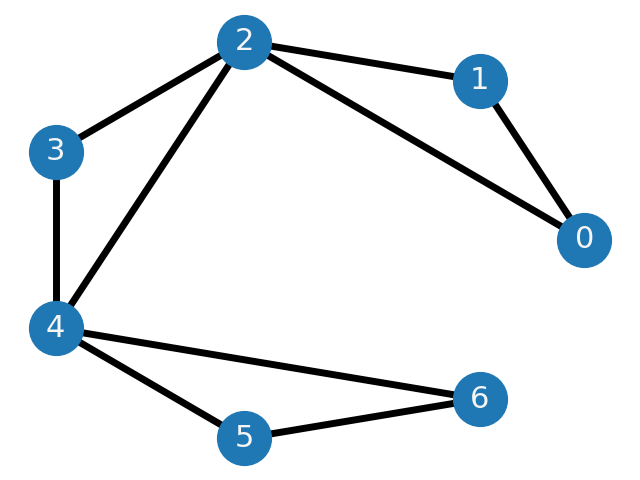
"Better than what's known" - the dream of AI in model-based optimization. Excited to present my paper with @pabbeel & @svlevine on Functional Graphical Models (https://t.co/p1RvKF5eTz) giving theoretical foundations for chasing that dream, at @aistats_conf ! #aistats_conf#ai
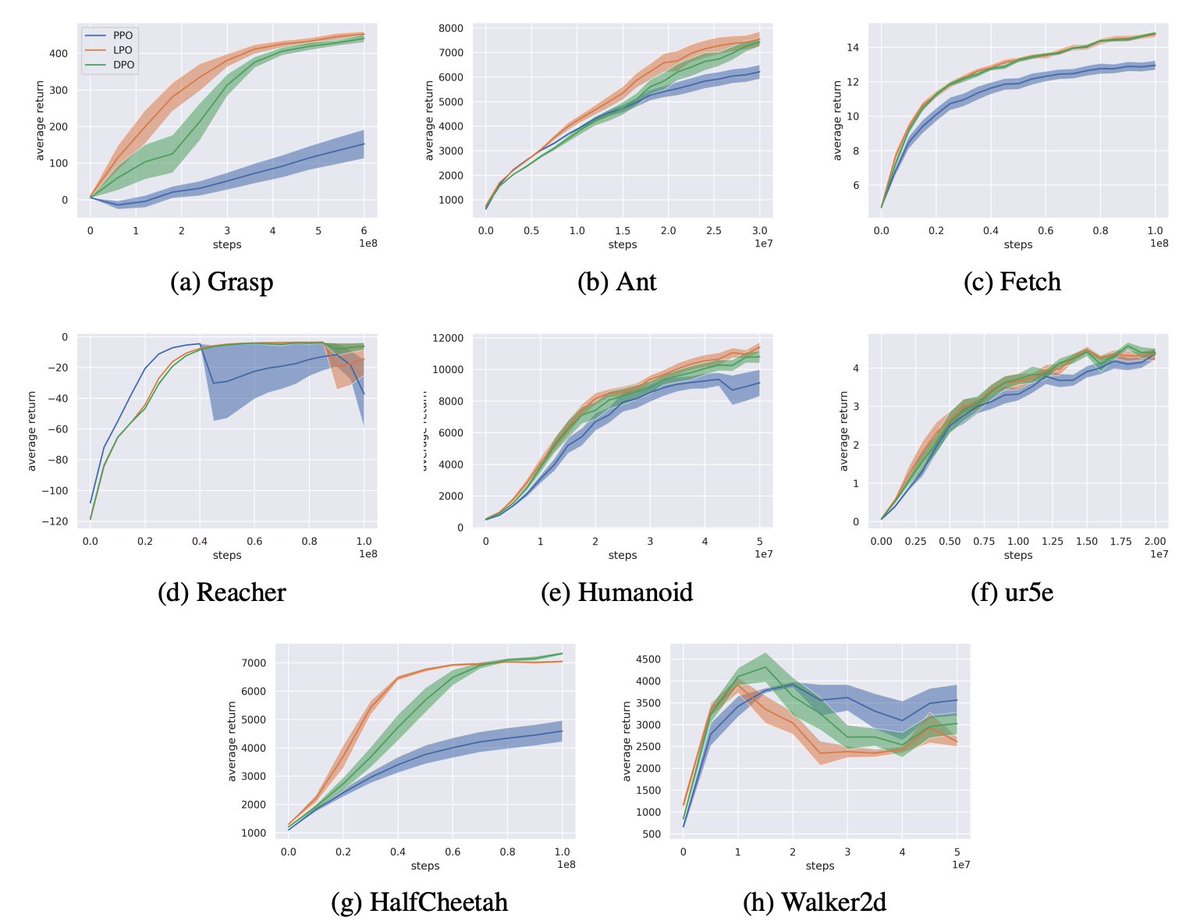
Deep RL has been driven by improvements in handcrafted algorithms. Our NeurIPS 2022 paper, “Discovered Policy Optimisation” instead meta-learns in a space of theoretically-sound algorithms and beats PPO on unseen tasks! w/ @kuba_AI@_aletcher@Luke_Metz@casdewitt@j_foerst 🧵
It takes @PiotrTempczyk , my first AI mentor, and his team to make true breakthroughs in ML; presented gloriously in the paper https://t.co/TsTwrdtm4Y at #ICML2022 in the long-talk fashion!