It’s great that #cancer survivorship is increasing, but sad that return to work rates are poor. What are the barriers & how do we overcome them? If you’re in treatment or a survivor, tell us your experiences @WorkWithCancer@Liz_ORiordan@EmploymtStudies https://t.co/2OsR6YqRcs
Three years since my own #cancer diagnosis, I've had a close-up (but positive) view of the challenges of returning to & thriving at work. Sadly, many others are not so lucky @WorkWithCancer@Liz_ORiordan@EmploymtStudies https://t.co/i2pmizXvkW 1/3
Workers with #cancer are 3.5 times more likely to leave work permanently as healthy colleagues, yet RTW is possible & can have therapeutic benefits. Want to add to the evidence? Please complete our survey @WorkWithCancer@Liz_ORiordan@EmploymtStudies https://t.co/2OsR6YqRcs
Respectfully suggest that employers might have a role to play too? Especially given the demonstrably poorer outcomes for many working age people living with #obesity (eg a 9% wage gap for women). Why is employment such a blind spot? @EmploymtStudies https://t.co/8d9ao4ueKh
This month's #eLearning spotlight is on #JIA. We're looking at
⭐ Clinical and non-clinical aspects of patients 🧒 with this condition
⭐ Highlighting key learning points for #paediatric and adolescent as well as adult rheumatologists
Come find out more ➡️ https://t.co/ioPXHkokHZ
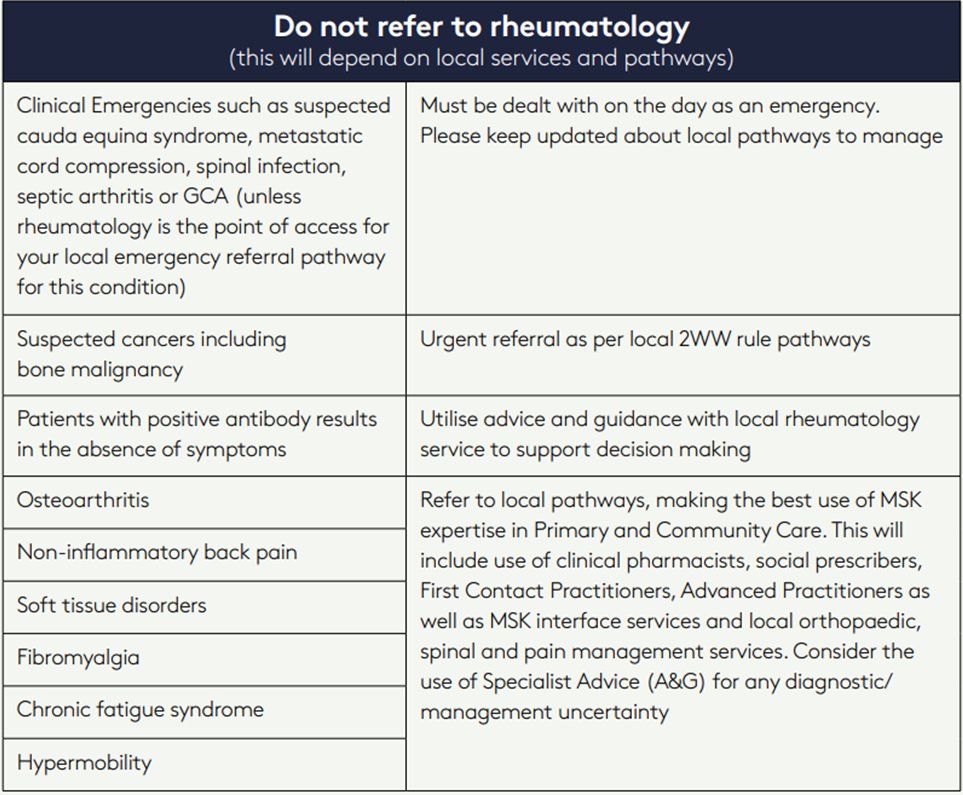
The British Society for #Rheumatology@RheumatologyUK developed guidance to help ensure right patients are seen promptly by UK specialist
Getting It Right First Time #GIRFT
👉🏽https://t.co/noz6kLc7Uv
...including conditions not to be referred to rheumatology
👇🏽
Interested in researching psychosocial factors in pain, and being part of the new APDP pain consortium? We have two fixed-term research associate posts @BathCPR - one full-time
https://t.co/D1Ho8ml7CT, and one part-time (0.6)
https://t.co/u1Q70gWm74. Deadline 27th Oct.
The health & productivity debate focuses too much on whether a worker is absent or present. Our new book (Nov 15) looks at other ways (+ve & -ve) that health & productive capacity are linked & what bosses & govt can do better @ProfCaryCooper https://t.co/sQUxFGJdAD
@EmploymtStudies Hmmm that the quote belongs in the "easier said than done" box...
But for some really good resources on how to then make work better for low paid workers, I'd recommend these by @DrZofia@danlucyies@StephenBevan...
Loads of good, practical examples here
https://t.co/8Z1aSoYhJJ
@PhysioPartners@UoSotonPT@UoW_Physio Absolutely! It's a great privilege working in health care and the personal cost can be high - including emotionally. Being able to share the highs and lows is so important.
@LPhysioprof@UoSotonPT@UoW_Physio 1. Kindness (to yourself and others) goes a long long way. 2 Honesty…you aren’t meant to know all the answers (even when you are qualified), it’s knowing where to find out that counts. 3. Enjoy learning and be curious to ask questions because that shouldn’t ever stop.
@markpoulter5@UoSotonPT@UoW_Physio Thank you Mark for these wise words. Many students (and qualified clinicians) have imposter syndrome and their biggest critic is often themselves. It takes time to believe in yourself when you put on your clinical uniform, and you know much more than you think you know!
To everyone who is just starting their physio training, welcome to this great profession.
To all physios, what advice would you offer to the future of our profession as they start their training? @UoSotonPT@UoW_Physio