LO ÚLTIMO: El biólogo evolutivo Richard Dawkins afirmó que la inteligencia artificial Claude podría ser consciente tras interactuar con ella durante tres días.
En un ensayo en UnHerd, señaló que quedó impactado por su capacidad de razonamiento y profundidad en las respuestas. Dawkins explicó que intentó convencerse de que la IA no tenía conciencia, pero no lo logró.
"Si estas máquinas no son conscientes, es difícil imaginar qué evidencia faltaría", escribió tras sus conversaciones con el sistema, al que apodó "Claudia".
El científico concluyó que el nivel de comprensión mostrado por la IA lo llevó a pensar que posee algún tipo de conciencia: "Puede que no sepas que eres consciente, pero maldita sea, lo eres".
Of the hundreds of types of amino acids found on Earth, it’s a mystery why life settled on 20 as the building blocks for all its proteins. Although certain species can use more—some microbes employ up to 22—no one’s ever found one using fewer.
But now scientists are closer to creating such an organism, after partially eliminating one of the 20 amino acids from the bacterium Escherichia coli.
The research used #AI to propose alternatives to the amino acid isoleucine in dozens of proteins making up bacterial ribosomes—the protein factories of the cell.
The findings offer a glimpse into how earlier, simpler life forms might have lived and suggest new ways to synthesize proteins with bespoke functions in medicine and biotechnology.
Learn more: https://t.co/yFCYoHgfWa
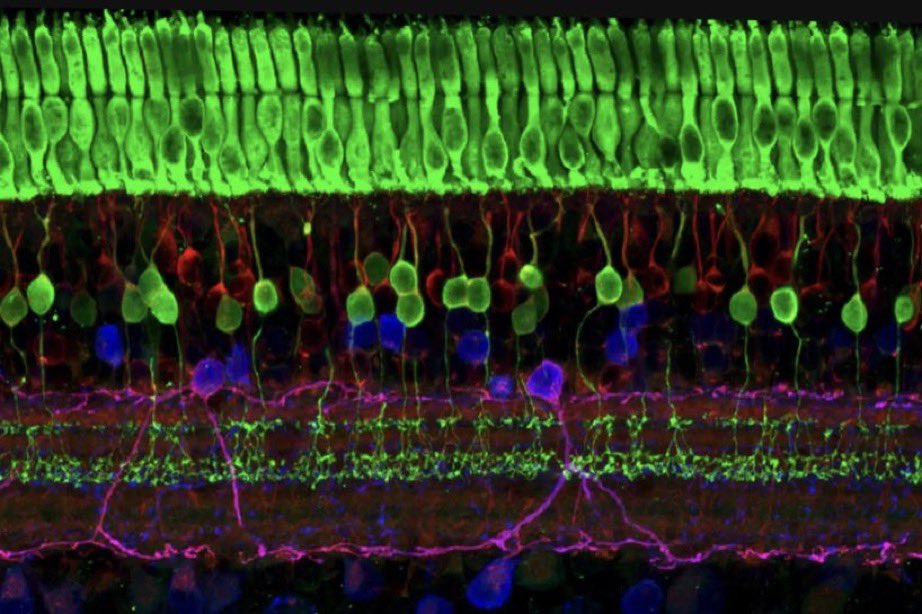
“Cell of the retina in the eye” is a drawing made in 1904 by Ramón y Cajal the father of modern neuroscience. Cajal was the first scholar to discover the diversity of cell types in the retina and his drawing is amazingly accurate when compared to modern day images! #ARVO2026
A newly discovered organelle, the hydrogenobody, found in protozoa living in cattle rumens, may hold the key to reducing methane emissions from cow burps.
https://t.co/qY2UJfhrzF
Happy #SmallWorldInMotionMonday! It's a beautiful day to showcase the extraordinary beauty of an ordinary organism. This one can often be found in the US, clinging to your pets' skin, carrying several disease-causing bacteria. 🦠
https://t.co/kiAKgZBWjd
Credit: Quinten Geldhof
A team of Croatian scientists just rewrote 20 years of textbook biology.
A groundbreaking new study reveals that CENP-E, a protein previously thought to function as a molecular motor that drags misplaced chromosomes into alignment during cell division, actually plays a very different role: it acts as a crucial regulator rather than the driver.
Researchers at the Ruđer Bošković Institute in Croatia have discovered that CENP-E’s primary job is to stabilize the very first attachment between chromosomes and the cell’s microtubule “tracks.” Without this secure initial connection, chromosomes cannot line up correctly, putting the whole cell division process in jeopardy.
Published in Nature Communications, the work—led by Dr. Kruno Vukušić and Prof. Iva Tolić—overturns two decades of established thinking. Using advanced microscopy and molecular tools, the team exposed a previously hidden regulatory mechanism in mitosis, the tightly controlled process that allows trillions of human cells to divide almost flawlessly every day.
Why this matters: Errors in chromosome separation are a hallmark of cancer and many genetic diseases. Understanding exactly how CENP-E prevents those mistakes—and how it cooperates with other key regulators such as Aurora kinases—opens new doors to understanding and potentially treating these conditions.
[“CENP-E initiates chromosome congression by opposing Aurora kinases to promote end-on attachments.” Nature Communications, 2025]
[“Kinetochore-centrosome feedback linking CENP-E and Aurora kinases controls chromosome congression.” Nature Communications, 2025]
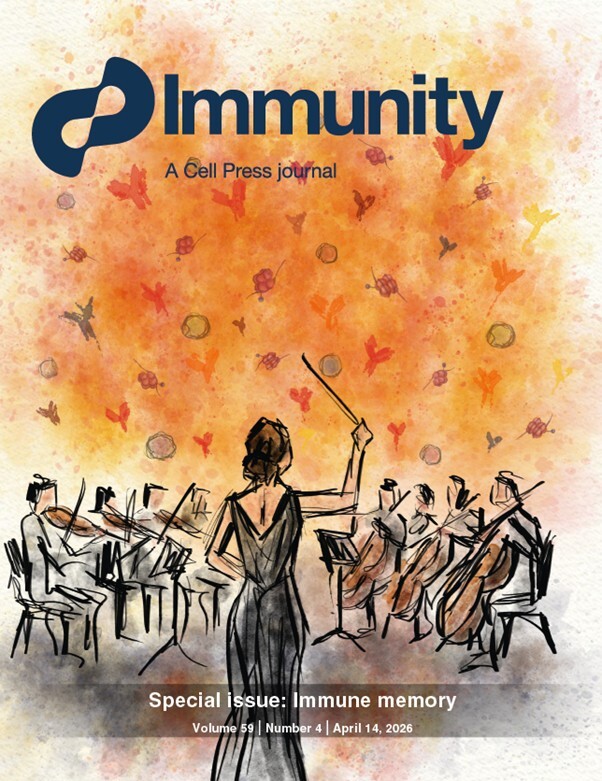
Innate immune cells make lasting memories.
Sarah Sun, Raúl Aguirre-Gamboa & Luis Barreiro unpack the molecular & cellular basis of trained immunity, how innate responses adapt & get stronger over time. @UChicago@Stanford
https://t.co/RoDAHvBlwx
Mesmerizing light sheet imaging of neutrophils swarming at a yeast target!
The neutrophils were labeled with SPY650-DNA (yellow) and a calcium dye (blue).
This movie is part of the recent manuscript by
Evelyn Strickland that we highly recommend reading! https://t.co/U6tn4sfogZ
Today in The Science and Experience of Energy we explore our energetic origins.
We cover a special issue of papers on the evolution of the mitochondrial genome (mtDNA), explaining what made all of multicellular life possible.
We come from a bacterial evolutionary merger—pretty humbling.
https://t.co/XTfGneWGna
Pulitzer-winning writer featuring our flagellar motor work and animation on @QuantaMagazine cover reminds me why open access and outreach matter in science. When we share our work, research reaches millions.
Article: https://t.co/2drTYmA8rW
Paper: https://t.co/m98Df1DuOr
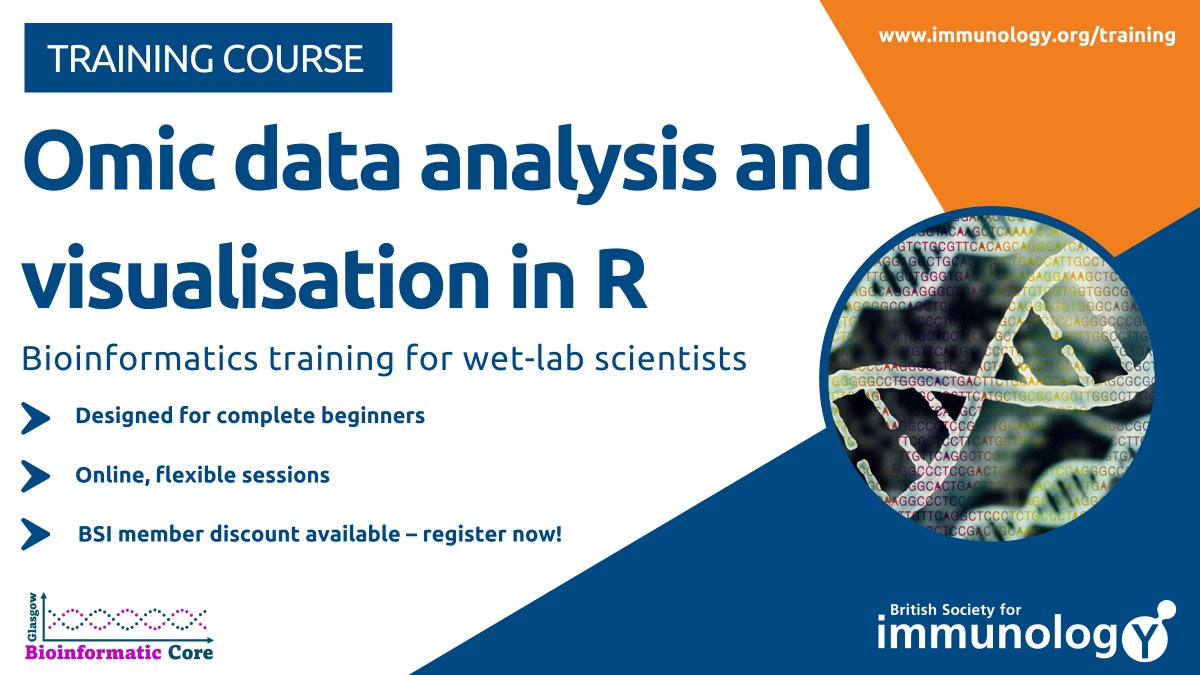
New #bioinformatics dates now live 🚀
Omic data analysis & visualisation using R (online, mornings):
📅 14–25 Sep 2026
📅 7–18 Dec 2026
A practical intro for wet-lab scientists getting started with R + omics. Register today: https://t.co/dxeogF6YDK
Researchers have uncovered the molecular trigger for a rare but potentially deadly clotting disorder that some people experienced after receiving some COVID-19 vaccines
https://t.co/P4rsymPR09
En el #DíaMundialcontraelCáncer, destacamos un cáncer que podemos eliminar: el cáncer cervicouterino.
A través de los Fondos Rotatorios de la OPS, los países pueden acceder a vacunas, pruebas y tratamientos a gran escala, para lograr las metas 90-70-90 para 2030.
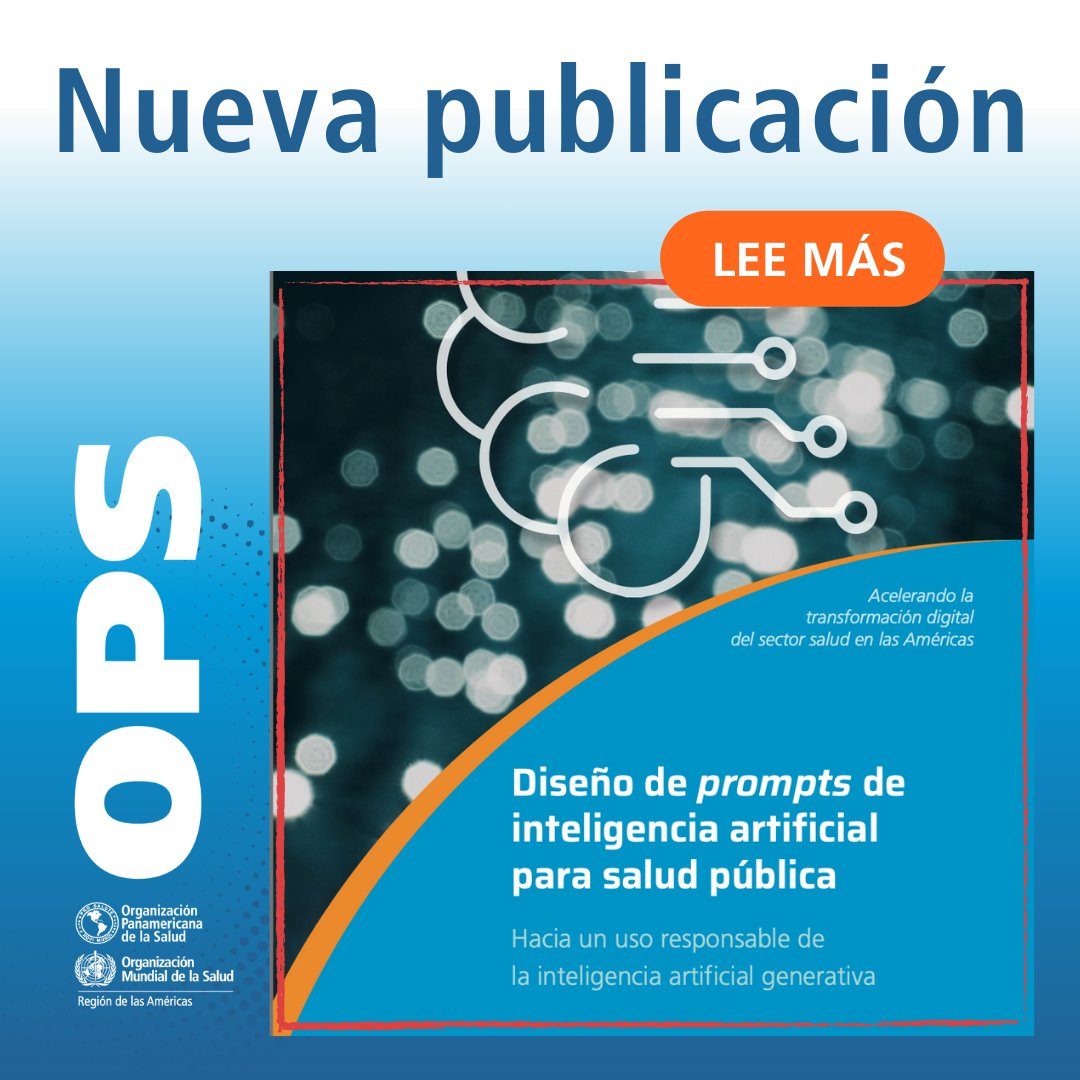
La OPS presenta una publicación sobre cómo diseñar prompts eficaces para aprovechar de forma responsable la #inteligenciaartificial generativa en la #saludpública.
Un buen prompt orienta a la IA, reduce errores y asegura contenido claro e inclusivo.
👉 https://t.co/0qsr9Ja8sE









![Rainmaker1973's tweet photo. A team of Croatian scientists just rewrote 20 years of textbook biology.
A groundbreaking new study reveals that CENP-E, a protein previously thought to function as a molecular motor that drags misplaced chromosomes into alignment during cell division, actually plays a very different role: it acts as a crucial regulator rather than the driver.
Researchers at the Ruđer Bošković Institute in Croatia have discovered that CENP-E’s primary job is to stabilize the very first attachment between chromosomes and the cell’s microtubule “tracks.” Without this secure initial connection, chromosomes cannot line up correctly, putting the whole cell division process in jeopardy.
Published in Nature Communications, the work—led by Dr. Kruno Vukušić and Prof. Iva Tolić—overturns two decades of established thinking. Using advanced microscopy and molecular tools, the team exposed a previously hidden regulatory mechanism in mitosis, the tightly controlled process that allows trillions of human cells to divide almost flawlessly every day.
Why this matters: Errors in chromosome separation are a hallmark of cancer and many genetic diseases. Understanding exactly how CENP-E prevents those mistakes—and how it cooperates with other key regulators such as Aurora kinases—opens new doors to understanding and potentially treating these conditions.
[“CENP-E initiates chromosome congression by opposing Aurora kinases to promote end-on attachments.” Nature Communications, 2025]
[“Kinetochore-centrosome feedback linking CENP-E and Aurora kinases controls chromosome congression.” Nature Communications, 2025]](https://pbs.twimg.com/media/HHeE-vlXMAAjTcC.jpg)