@JJCarafano How can the US transition from appealing almost exclusively to the right-wing parties to appealing to the political centre, which still holds power in most European countries?
Germany's coming to the fore in European defenses- that was the leitmotif of our conversation with @MunSecConf's Head of Research @TobiasBunde, as the @GSSC_LT launches a series of high-profile debates on Berlin's (ever-increasing_ role in Europe -and beyond.
Germany has spent more than 15 years outsourcing its security to the United States so it could focus on its economy. Yet, its average growth rate has been just 1.34% per year.
If hope for Iranian 🇮🇷 regime change remains, the United States 🇺🇸 should rank its preferences like this:
1. Secular democracy
2. Secular autocracy
3. Islamist theocracy
4. Civil war
Iran remains at preference number 3...
https://t.co/c3hxhHChyL
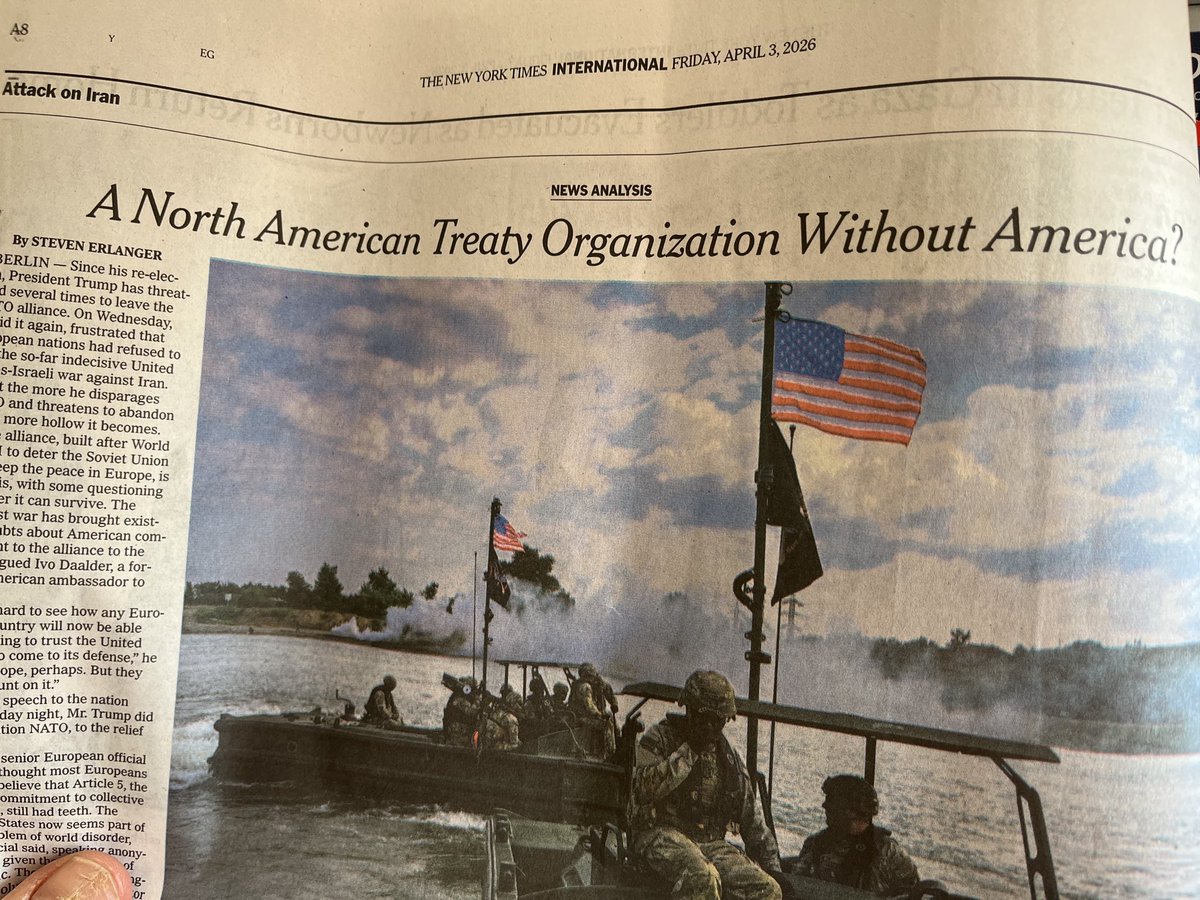
Finland, with a long border with Russia, understands the value of Nato and transatlantic relations better than some Western European countries. Finnish president @stubb immediately moves into crisis management mode and calls Trump.
@rm_virtual The Estonians have said they are considering how to help. It is true that the lack of consultation and (social) media bluster puts the European leaders in the uncomfortable situation of having to appear as either giving into US pressure or to publicly defy the US
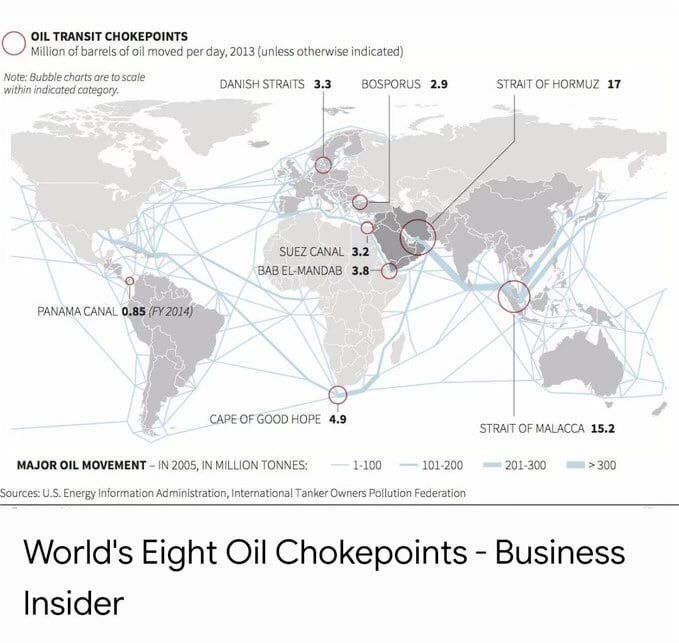
As long as European NATO cannot defend itself against Russia, it is very unwise to flatly reject European contributions to keep Hormuz open. Germany can perhaps afford to do so, but not Poland, Finland, and the Baltic States. Security-dependent allies need to find something